فن
خوبصورتی اور تندرستی
دستکاری
ثقافت اور تاریخ
تفریح
ماحول
خوراک اور مشروبات
ریورس انجینئرنگ
سائنسز
کھیل
ٹیکنالوجی
پہننے والے آلات
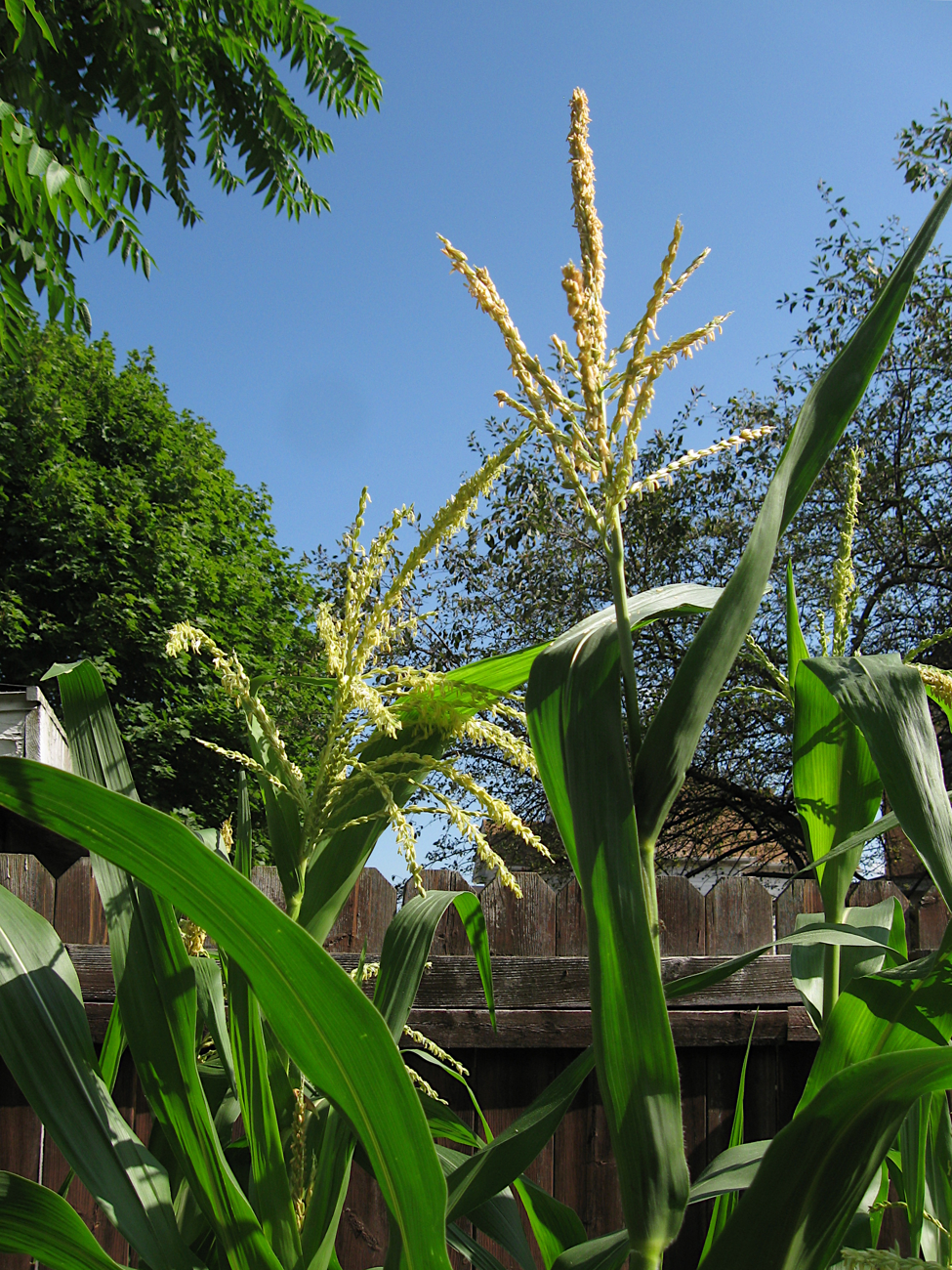
Wikimedia Commons contributor · CC0 1.0 (Public Domain Dedication)


Saving Maize Seeds — The Wind-Pollinated Outbreeder
Save true corn seed — the hardest pollination lesson of all. Maize is wind-pollinated and a fierce outbreeder: its tassels dust pollen onto silks on the breeze, each silk feeding one kernel, and it crashes in vigour if you save from too few plants. Grow a big block, isolate it, dry the ears on the stalk, and select kernels from MANY ears. A serious maker build in wind pollination and genetic diversity.
درمیانہ
One growing season
ہدایات
1
1
Two flowers, married by the wind
Two flowers, married by the wind
A corn plant carries two separate flowers: the TASSEL at the very top makes pollen, and the EAR lower down pushes out a tuft of SILKS. Each silk is a thread leading to one future kernel — and pollen must blow from a tassel onto that silk for the kernel to form. Gappy, half-empty cobs are just silks that never caught pollen.
2
2
Plant a big block
Plant a big block
Grow an open-pollinated variety in a BLOCK of several short rows, never a single long row — a block lets wind-blown pollen fall evenly on every plant. Grow a big population: at least 100 plants (200+ is better) to keep the strain healthy, for the reason in the last step.
اس مرحلے کے لیے مواد:
 مکئی کے بیج1 packet
 کمپوسٹ1 bag
3
3
Isolate from other corn
Isolate from other corn
Maize pollen rides the wind hundreds of metres, so any other flowering corn nearby WILL cross into your seed. Keep it pure one of three ways: DISTANCE (a few hundred metres from other corn), TIME (plant so your block sheds pollen weeks before or after any neighbour's), or hand-pollinate under bags as below.
4
4
Hand-pollinate for a pure cross (optional)
Hand-pollinate for a pure cross (optional)
For guaranteed purity: cover each ear shoot with a bag BEFORE its silks emerge so no stray pollen reaches it. Bag a tassel to catch its pollen, then tip that pollen onto the caught silks and re-bag. Tag the ear. This makes you the wind, choosing exactly which pollen meets which silks.
اس مرحلے کے لیے مواد:
 باغبانی کی ڈوری1 رول
درکار اوزار:
 ورق دار کرافٹ کاغذ کا تھیلا
5
5
Dry the ears on the stalk
Dry the ears on the stalk
Leave the seed ears on the plant long past eating-ripe — well past the milky sweetcorn stage — until the husks are papery brown and the kernels are hard and dented. Corn seed finishes filling and hardening right on the standing stalk (the 'dry-down').
6
6
Select from many ears
Select from many ears
Harvest and pull back the husks. Choose your best ears from as MANY different plants as you can — well-filled, true to type, healthy. Take a share of kernels from each of many ears rather than all the kernels from one; this keeps the gene pool wide. Discard the tips and any shrivelled kernels.
7
7
Shell, dry and store
Shell, dry and store
Twist and rub the kernels off the cobs by hand. Dry them further until a kernel is too hard to dent with a fingernail, then store cool, dark and airtight, labelled. Corn seed is shorter-lived than beans — use it within 2-3 years.
اس مرحلے کے لیے مواد:
 ڈھکن والا شیشے کا مرتبان1 ٹکڑا
 چپکنے والے لیبل1 شیٹ
8
8
Compendium — wind pollination and the outbreeder's rule
Compendium — wind pollination and the outbreeder's rule
Maize is the opposite of a bean in every way that matters to a seed-saver, and it teaches the deepest rule of the craft. Where the bean pollinates itself in a closed flower, maize is monoecious and WIND-pollinated: its male tassels release clouds of pollen to the breeze, which must drift down onto the female silks — and because each silk is a private tube feeding exactly one kernel, every single kernel on a cob is a separate act of pollination (miss a silk and you miss a kernel). Wind is a promiscuous matchmaker: it carries pollen far and mixes every corn plant for hundreds of metres around, so maize is a fierce cross-pollinator (an 'outbreeder') that will never stay pure next to another variety without real isolation of distance, time, or the bag. But the subtler danger is genetic. Self-pollinators like beans are perfectly happy inbred — they do it every generation. Outbreeders like maize are built to mix, and if you save seed from only a few plants they suffer INBREEDING DEPRESSION: within a few generations the strain grows weak, short and low-yielding as harmful recessive traits double up. The cure is population — save from a large block (100+ plants) and take kernels from MANY ears, not all from one prize cob, so the wide gene pool that keeps maize vigorous is preserved. This is why traditional maize was always grown and saved by whole villages, not single gardeners, and why the same 'big population, many parents' rule applies to every wind- or insect-crossed outbreeder — spinach, beetroot, brassicas and the squash it shared a field with. Domesticated from wild teosinte in Mexico around nine thousand years ago, maize was bred entirely by exactly this careful mass selection, one saved handful at a time, into the most productive grain on Earth.
مواد
5- 1 packetپلیس ہولڈر
- 1 bagپلیس ہولڈر
- 1 رولپلیس ہولڈر
- 1 ٹکڑاپلیس ہولڈر
- 1 شیٹپلیس ہولڈر
درکار اوزار
1- پلیس ہولڈر
یہ بلوپرنٹ بناتا ہے
متعلقہ بلیو پرنٹ
یہ بلیو پرنٹ علم بانٹتے ہیں — تکنیک، مواد یا اصول
CC0 پبلک ڈومین
یہ بلیو پرنٹ CC0 کے تحت جاری کیا گیا ہے۔ آپ اجازت لیے بغیر اس کام کو نقل، ترمیم، تقسیم اور کسی بھی مقصد کے لیے استعمال کرنے کے لیے آزاد ہیں۔
میکر کی حمایت کریں ان کے بلیو پرنٹ کے ذریعے پروڈکٹس خرید کر جہاں وہ میکر کمیشن وینڈرز کی طرف سے مقرر، کماتے ہیں، یا اس بلیو پرنٹ کی نئی تکرار بنائیں اور آمدنی شیئر کرنے کے لیے اسے اپنے بلیو پرنٹ میں کنکشن کے طور پر شامل کریں۔