فن
خوبصورتی اور تندرستی
دستکاری
ثقافت اور تاریخ
تفریح
ماحول
خوراک اور مشروبات
ریورس انجینئرنگ
سائنسز
کھیل
ٹیکنالوجی
پہننے والے آلات
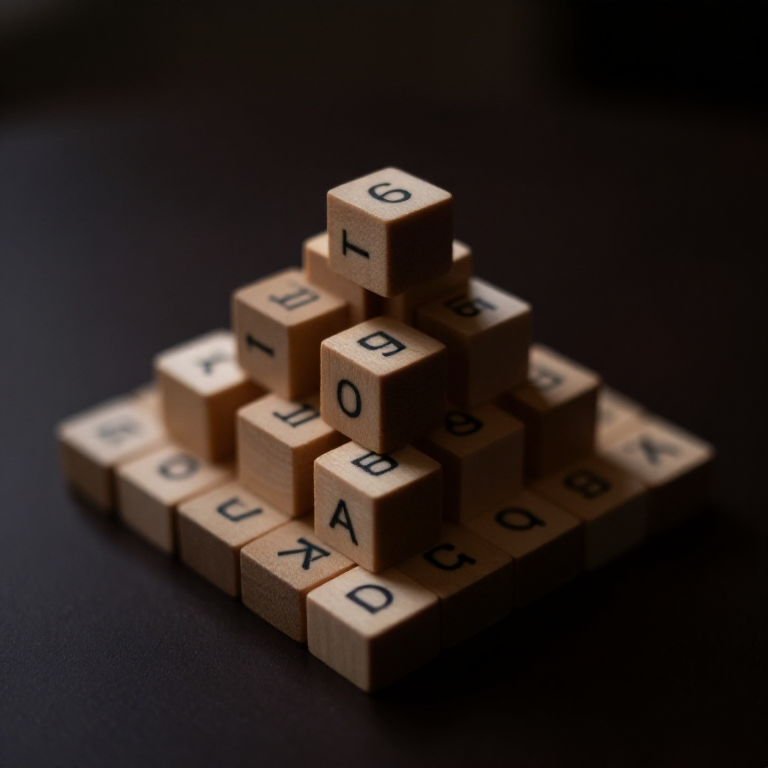


Pascal's Triangle — Build a Pyramid of Numbers by Adding
A hands-on maths project: build a triangle of numbers where each one is the sum of the two above it, then hunt for the patterns hiding inside -- powers of two, the Fibonacci numbers, even a fractal. A Python cell reveals the patterns and a compendium links them to counting and chance.
نیا سیکھنے والا
30 minutes
ہدایات
1
1
A pyramid of numbers
A pyramid of numbers
Pascal's triangle starts with a 1 at the top, and every number below is the sum of the two just above it. It is simple to build but packed with hidden patterns.
2
2
Build it on card
Build it on card
On a large sheet, write a 1 at the top. In the next row write 1 and 1. For every row after, put a 1 at each end, and in each gap write the SUM of the two numbers diagonally above it. Fill in eight or nine rows. (You can lay out coins or counters and combine piles instead of writing, if you like.)
اس مرحلے کے لیے مواد:
 گتا1 ٹکڑا
درکار اوزار:
 گریفائٹ پنسلوں کا سیٹ
3
3
Hunt the patterns
Hunt the patterns
Add up each row: 1, 2, 4, 8, 16 -- the powers of two! Now shade in only the ODD numbers and step back: a triangular fractal pattern appears. Add the numbers along shallow diagonals and you get the Fibonacci sequence. Mark these discoveries on your triangle.
درکار اوزار:
 حساب کرنے والا آلہ
4
4
Reveal them with code
Reveal them with code
Jupyter نوٹ بک لوڈ ہو رہی ہے…
درکار اوزار:
 ڈیسک ٹاپ کمپیوٹر
5
5
Compendium: counting and chance
Compendium: counting and chance
What the pyramid hides. (1) Each row is the answer to 'how many ways can you choose k things from n?' -- the numbers are the 'combinations'. (2) The rows are also the coefficients you get expanding (a+b) to a power, the binomial theorem. (3) Shading the odd numbers draws the Sierpinski fractal -- pure pattern out of pure adding. (4) Because the triangle counts how many ways things can happen, Pascal and Fermat used it in 1654 to work out the odds in games of chance, launching the whole of probability and, from it, modern statistics. Though named for Pascal, it was known centuries earlier in India, Persia and China.
درکار اوزار
3- پلیس ہولڈر
- پلیس ہولڈر
- پلیس ہولڈر
متعلقہ بلیو پرنٹ
یہ بلیو پرنٹ علم بانٹتے ہیں — تکنیک، مواد یا اصول
CC0 پبلک ڈومین
یہ بلیو پرنٹ CC0 کے تحت جاری کیا گیا ہے۔ آپ اجازت لیے بغیر اس کام کو نقل، ترمیم، تقسیم اور کسی بھی مقصد کے لیے استعمال کرنے کے لیے آزاد ہیں۔
میکر کی حمایت کریں ان کے بلیو پرنٹ کے ذریعے پروڈکٹس خرید کر جہاں وہ میکر کمیشن وینڈرز کی طرف سے مقرر، کماتے ہیں، یا اس بلیو پرنٹ کی نئی تکرار بنائیں اور آمدنی شیئر کرنے کے لیے اسے اپنے بلیو پرنٹ میں کنکشن کے طور پر شامل کریں۔