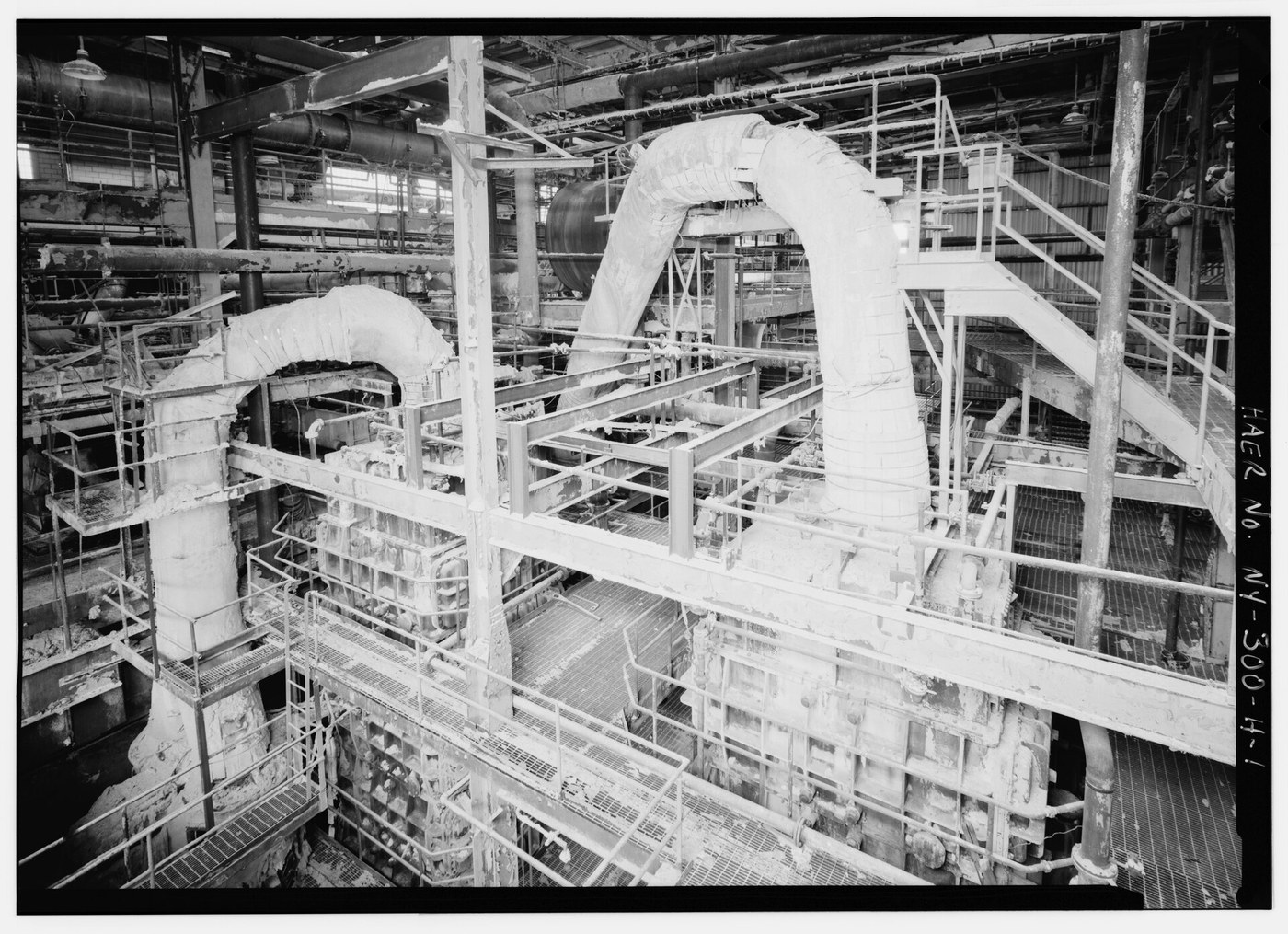

Solvay Process
ہدایات
Saturate the brine with ammonia
Saturate the brine with ammonia
Work in a fume hood or outdoors. Ammonia vapour is sharp and irritating.
- Dissolve sodium chloride in water until no more will dissolve — a saturated brine, roughly 36 g per 100 ml at room temperature.
- Cool the brine in an ice bath.
- Add ammonia solution and keep it cold.
اس مرحلے کے لیے مواد:
 سوڈیم کلورائیڈ (نمک)40 گرام
 امونیا کا محلول - 25-28 ٪50 ملی لیٹر
 بوروسلیکیٹ بیکر2 ٹکڑے
Generate and pass carbon dioxide
Generate and pass carbon dioxide
Carbon dioxide comes from limestone — in industry by burning it, on the bench by acid.
- Generate CO₂ by adding acid to calcium carbonate in a stoppered flask, or use a cylinder.
- Lead the gas through tubing to the bottom of the cold ammoniacal brine.
- Bubble steadily for 20-30 minutes, keeping the beaker in ice.
NaCl + NH₃ + CO₂ + H₂O → NaHCO₃↓ + NH₄Cl
Sodium bicarbonate is the least soluble thing in the beaker, so it is what falls out. Everything else stays dissolved. The process is a solubility trick, not an exotic reaction.اس مرحلے کے لیے مواد:
 کیلشیم کاربونیٹ - پسا ہوا چونا پتھر50 گرام
 ربڑ کی نلی1 length
درکار اوزار:
 فوری پڑھت کا حرارت پیما
Filter the bicarbonate
Filter the bicarbonate
Collect the solid and wash it.
- Filter the cold slurry through filter paper in a funnel.
- Wash the crystals with a little ice-cold water to remove ammonium chloride.
- Press between filter papers and let dry.
اس مرحلے کے لیے مواد:
 چھاننے کا کاغذ1 پیک
درکار اوزار:
 نلی والا شیشے کا قمع
Calcine to soda ash
Calcine to soda ash
Heating drives the bicarbonate to the carbonate — the actual product.
- Heat the dried solid gently in an evaporating dish or crucible.
- Hold it hot until it stops losing mass.
2 NaHCO₃ → Na₂CO₃ + H₂O + CO₂↑
Weigh before and after. Theory says 168 g of bicarbonate gives 106 g of carbonate — a loss of 36.9%. Measuring close to that is your proof the reaction went as written, and the released CO₂ is recycled back to step 2 in a real plant.درکار اوزار:
 ڈیجیٹل باورچی خانہ ترازو
Test the product
Test the product
Confirm you made carbonate and not something else.
- Dissolve a little in water and test with indicator — sodium carbonate is distinctly alkaline, more so than the bicarbonate you started from.
- Add acid: it fizzes, releasing CO₂.
History and context
History and context
Ernest Solvay was 23 and working at his uncle's gas works when he began experimenting with ammonia and brine. He was not the first to think of it — the reaction had been described in Britain decades earlier, and several attempts to industrialise it had failed. Solvay's contribution was engineering rather than chemistry: he designed a tall carbonating tower that brought gas and liquid into efficient contact, and he made the ammonia recovery work, which is what everyone before him had failed at.
Recovery is the whole economics. Ammonia is expensive; salt and limestone are nearly free. Treating the ammonium chloride with lime — itself made by burning the same limestone that supplies the CO₂ — regenerates the ammonia: 2 NH₄Cl + Ca(OH)₂ → CaCl₂ + 2 NH₃ + 2 H₂O. Run in a loop, the process consumes only brine and limestone.
Against Leblanc it was decisive: less fuel, no sulfur, no hydrogen chloride pollution, continuous rather than batch. Leblanc production in Britain collapsed over the following decades. Solvay became extremely rich and funded the Solvay Conferences, the physics meetings where quantum mechanics was argued out in the 1920s.
The honest weakness: calcium chloride. Every tonne of soda ash leaves roughly a tonne of it, and there is nothing like enough demand for it. Most is discharged, and where plants discharge to rivers or shallow seas the local salinity damage is real and well documented. A process can be a great improvement on its predecessor and still leave a serious waste problem.
مواد
6- 40 گرامپلیس ہولڈر
- 50 ملی لیٹرپلیس ہولڈر
- 2 ٹکڑےپلیس ہولڈر
- پلیس ہولڈر
- 1 lengthپلیس ہولڈر
- 1 پیکپلیس ہولڈر
درکار اوزار
3- پلیس ہولڈر
- پلیس ہولڈر
- پلیس ہولڈر
یہ بلوپرنٹ بناتا ہے
متعلقہ بلیو پرنٹ
یہ بلیو پرنٹ علم بانٹتے ہیں — تکنیک، مواد یا اصول

Burning Quicklime from Limestone — The Element That Built Civilization
Peter کی طرف سے
قدیم

Making Soda-Lime Glass from Raw Materials — The Recipe That Has Not Changed in 5,000 Years
Mary کی طرف سے
شیشے کا کام
Making Portland Cement from Limestone and Clay — The Material That Built the Modern World
Charlie کی طرف سے
صنعتی
CC0 پبلک ڈومین
یہ بلیو پرنٹ CC0 کے تحت جاری کیا گیا ہے۔ آپ اجازت لیے بغیر اس کام کو نقل، ترمیم، تقسیم اور کسی بھی مقصد کے لیے استعمال کرنے کے لیے آزاد ہیں۔
میکر کی حمایت کریں ان کے بلیو پرنٹ کے ذریعے پروڈکٹس خرید کر جہاں وہ میکر کمیشن وینڈرز کی طرف سے مقرر، کماتے ہیں، یا اس بلیو پرنٹ کی نئی تکرار بنائیں اور آمدنی شیئر کرنے کے لیے اسے اپنے بلیو پرنٹ میں کنکشن کے طور پر شامل کریں۔