فن
خوبصورتی اور تندرستی
دستکاری
ثقافت اور تاریخ
تفریح
ماحول
خوراک اور مشروبات
ریورس انجینئرنگ
سائنسز
کھیل
ٹیکنالوجی
پہننے والے آلات
Youblob (generated from this blueprint's notebook) · CC0
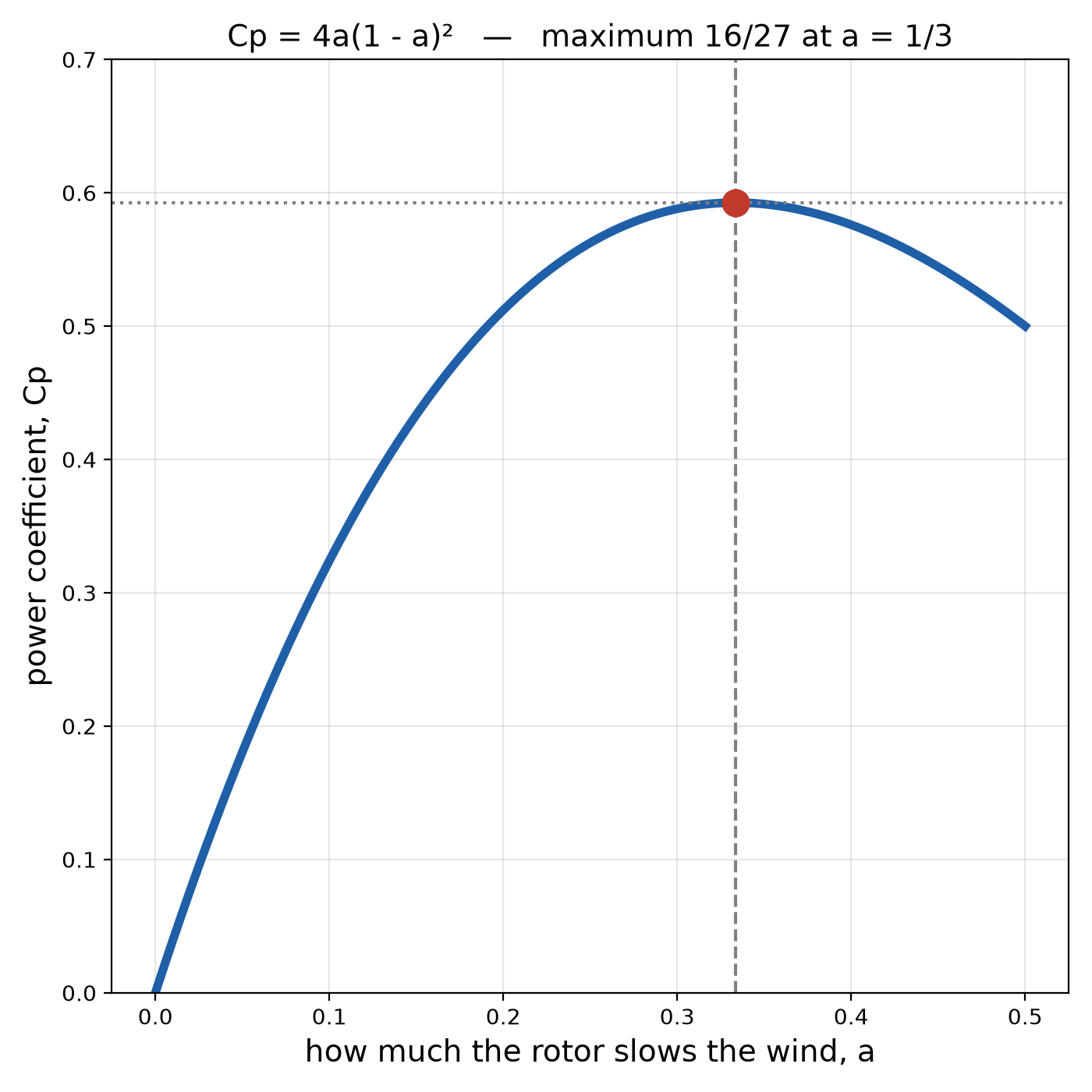
The Betz Limit: Why No Rotor Takes More Than 16/27 of the Wind
A wind rotor makes power by slowing the wind. Slow it too little and most of the energy blows through; slow it too much and the air piles up and goes round the rotor instead of through it. Between the two lies a best amount, and it caps every rotor that has ever been built at 16/27 — 59.3 % — of the power in the wind.
Albert Betz published the result in 1919–20; Frederick Lanchester and Nikolai Zhukovsky reached it independently, and it is sometimes given all three names.
This practice rung derives the limit in a notebook and uses it to rate the small rotor built in the first rung of this batch.
نیا سیکھنے والا
About 2 hours
ہدایات
1
1
Derive the limit
Derive the limit
Jupyter نوٹ بک لوڈ ہو رہی ہے…
2
2
See the slowed wake
See the slowed wake
Set the rung-1 rotor in front of the box fan and hold a smouldering incense stick just upstream of the rotor disc, then just downstream, and watch the smoke. Measure the wind speed with the anemometer a rotor diameter in front, and a rotor diameter behind — with the rotor loaded, and then with the load disconnected so it free-wheels.
The loaded rotor leaves a slower wake than the free-wheeling one: slowing the air is where the power comes from. The notebook says the best wake is one third of the incoming wind; see how close your rotor's gets.
درکار اوزار:
 بکس پنکھا (بدلتی رفتار)
 ہاتھ کا ہوا پیما
 فیتہ پیما
 دھواں دکھانے کے لیے اگربتیاں
3
3
Rate your rotor against Betz
Rate your rotor against Betz
From the first rung's measurements, take the electrical power at one wind speed. Divide it by the wind power through your rotor's disc at that speed (the notebook prints it): that is your Cp. Divide again by 0.593 to see what fraction of the theoretical best you reached.
Expect a small printed rotor on a hobby motor to reach only a fraction of the Betz limit: the motor's own losses, the blade drag at low Reynolds number and the tip losses all take their share. That gap is what a century of blade design has closed.
درکار اوزار:
 ملٹی میٹرہاتھ کا ہوا پیما
4
4
Context
Context
**Albert Betz**, Göttingen, published the limit in 1919–20. It uses nothing but conservation of mass, momentum and energy through an idealised disc, which is why it applies to every kind of rotor — Savonius, Darrieus and propeller alike (the next two rungs). It is a practice rung: no patent anchors it.
**Honest limits of the model.** It ignores the swirl a rotor leaves behind, blade drag and tip losses — all of which lower the real figure further. It applies to an open rotor in a free stream; a rotor in a duct or a pipe (the Kaplan turbine) is a different problem.
متعلقہ بلیو پرنٹ
یہ بلیو پرنٹ علم بانٹتے ہیں — تکنیک، مواد یا اصول
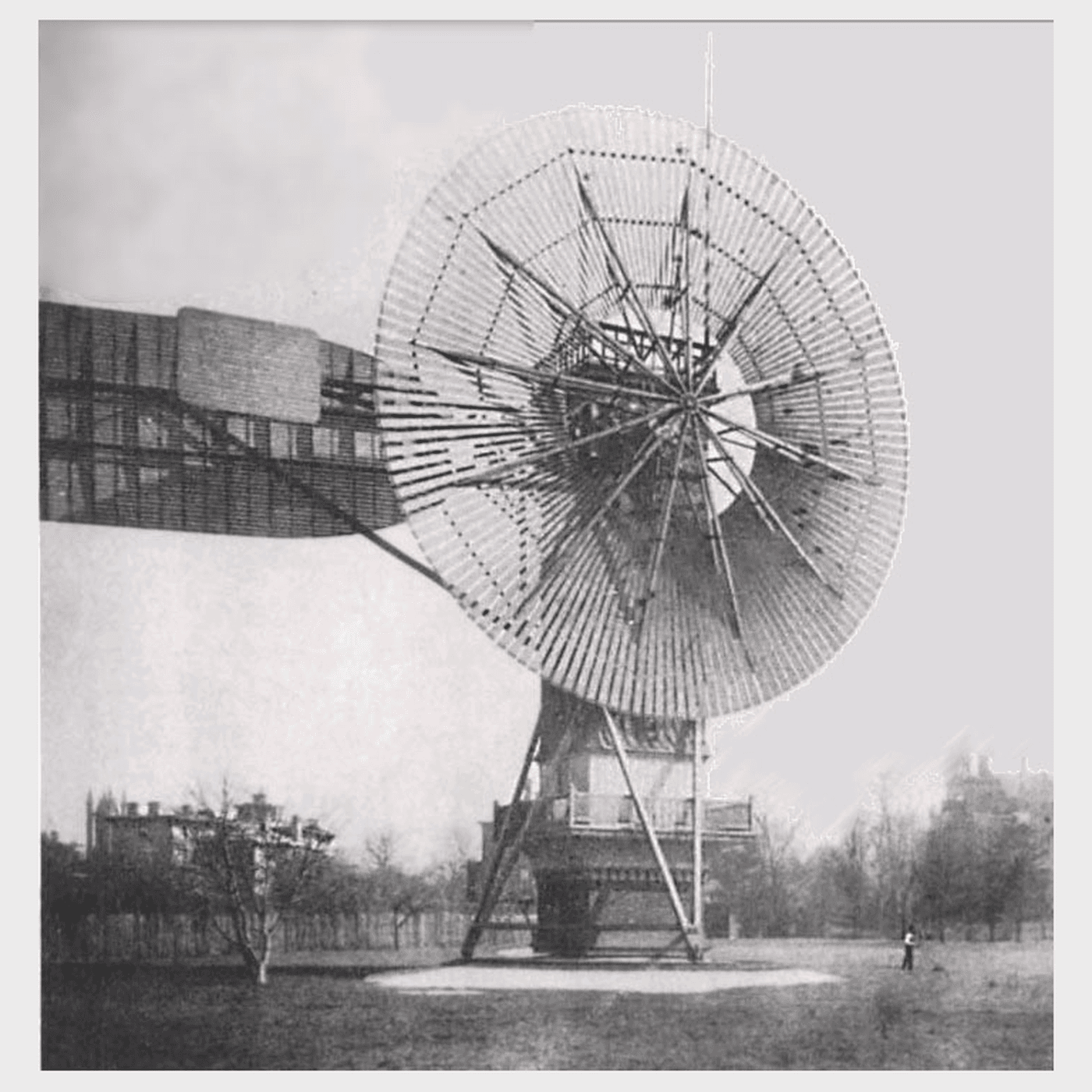
Electricity From the Wind: The Cube Law and a Rotor on a Dynamo
Volt کی طرف سے
توانائی
30
0
0
0
0
0
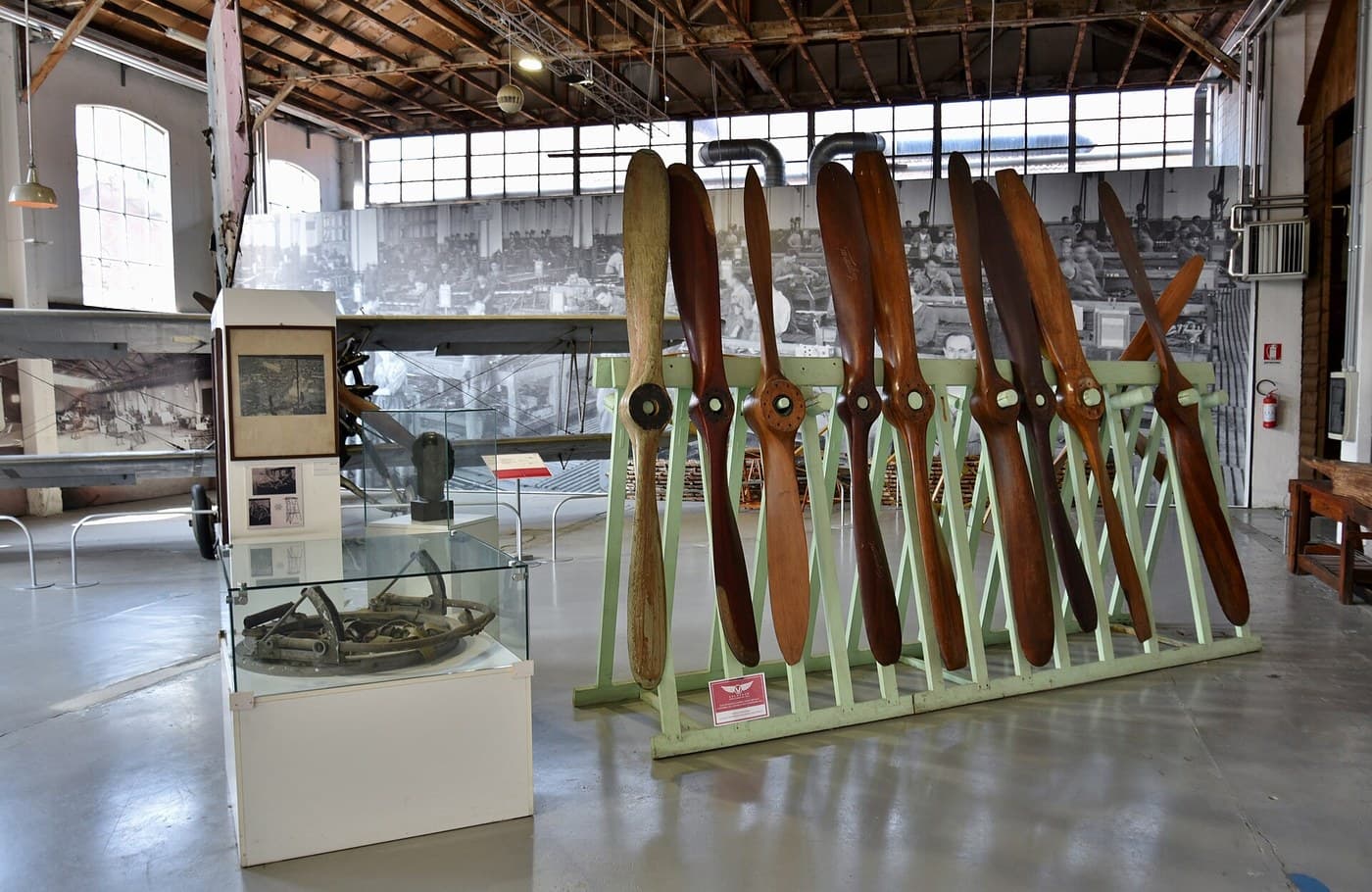
The Propeller as a Rotating Wing
Martin کی طرف سے
میکانکس
51
0
0
0
0
0
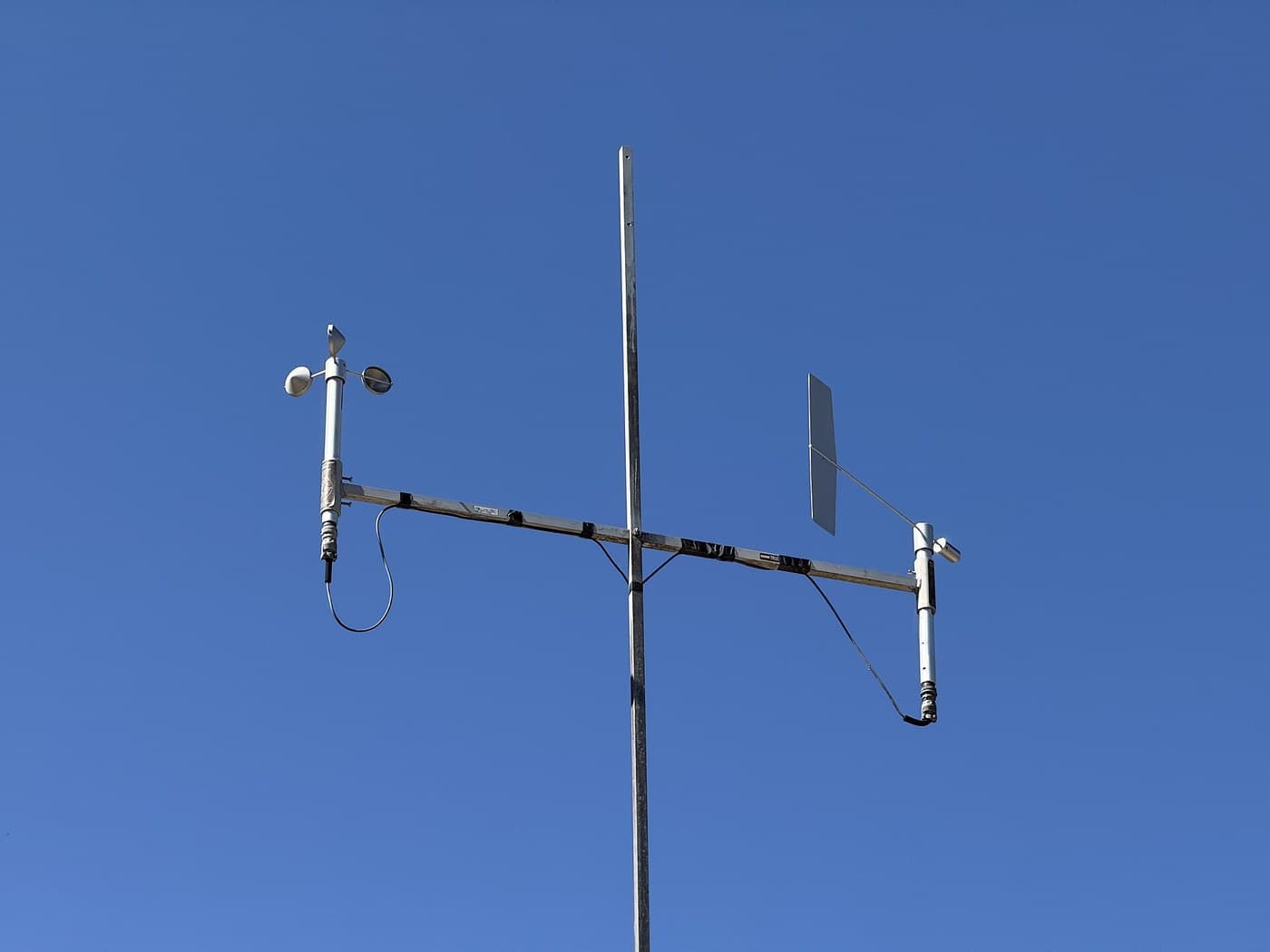
Robinson Cup Anemometer
Karen کی طرف سے
ماحول
46
0
0
0
0
0
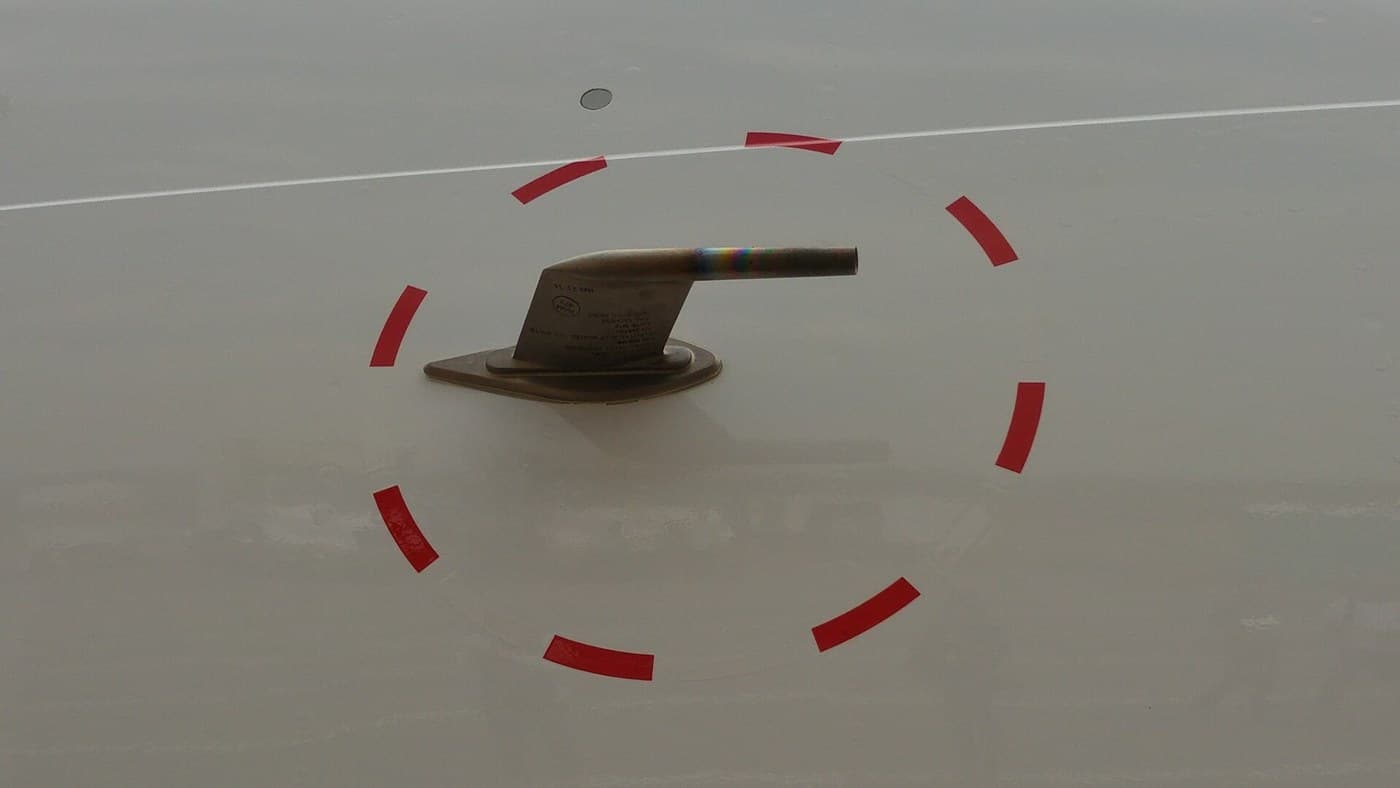
Pitot Tube
Penny کی طرف سے
ٹیکنالوجی
40
0
0
0
0
0
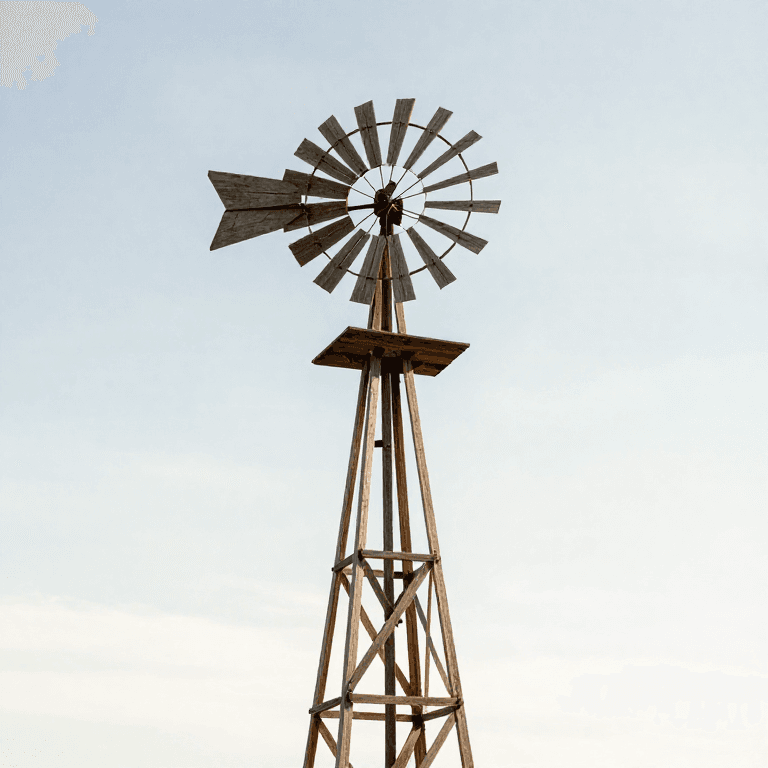
Halladay Windmill Governor
Karen کی طرف سے
ٹیکنالوجی
58
0
0
0
0
0
CC0 پبلک ڈومین
یہ بلیو پرنٹ CC0 کے تحت جاری کیا گیا ہے۔ آپ اجازت لیے بغیر اس کام کو نقل، ترمیم، تقسیم اور کسی بھی مقصد کے لیے استعمال کرنے کے لیے آزاد ہیں۔
میکر کی حمایت کریں ان کے بلیو پرنٹ کے ذریعے پروڈکٹس خرید کر جہاں وہ میکر کمیشن وینڈرز کی طرف سے مقرر، کماتے ہیں، یا اس بلیو پرنٹ کی نئی تکرار بنائیں اور آمدنی شیئر کرنے کے لیے اسے اپنے بلیو پرنٹ میں کنکشن کے طور پر شامل کریں۔