SZTUKA
Piękno i dobre samopoczucie
RZEMIOSŁO
KULTURA I HISTORIA
ROZRYWKA
ŚRODOWISKO
JEDZENIE I NAPOJE
INŻYNIERIA ODWROTNA
NAUKI
LEKKOATLETYKA
TECHNOLOGIA
URZĄDZENIA DO NOSZENIA
Przemysłowy
Dostępne plany: 418
Plany (418)
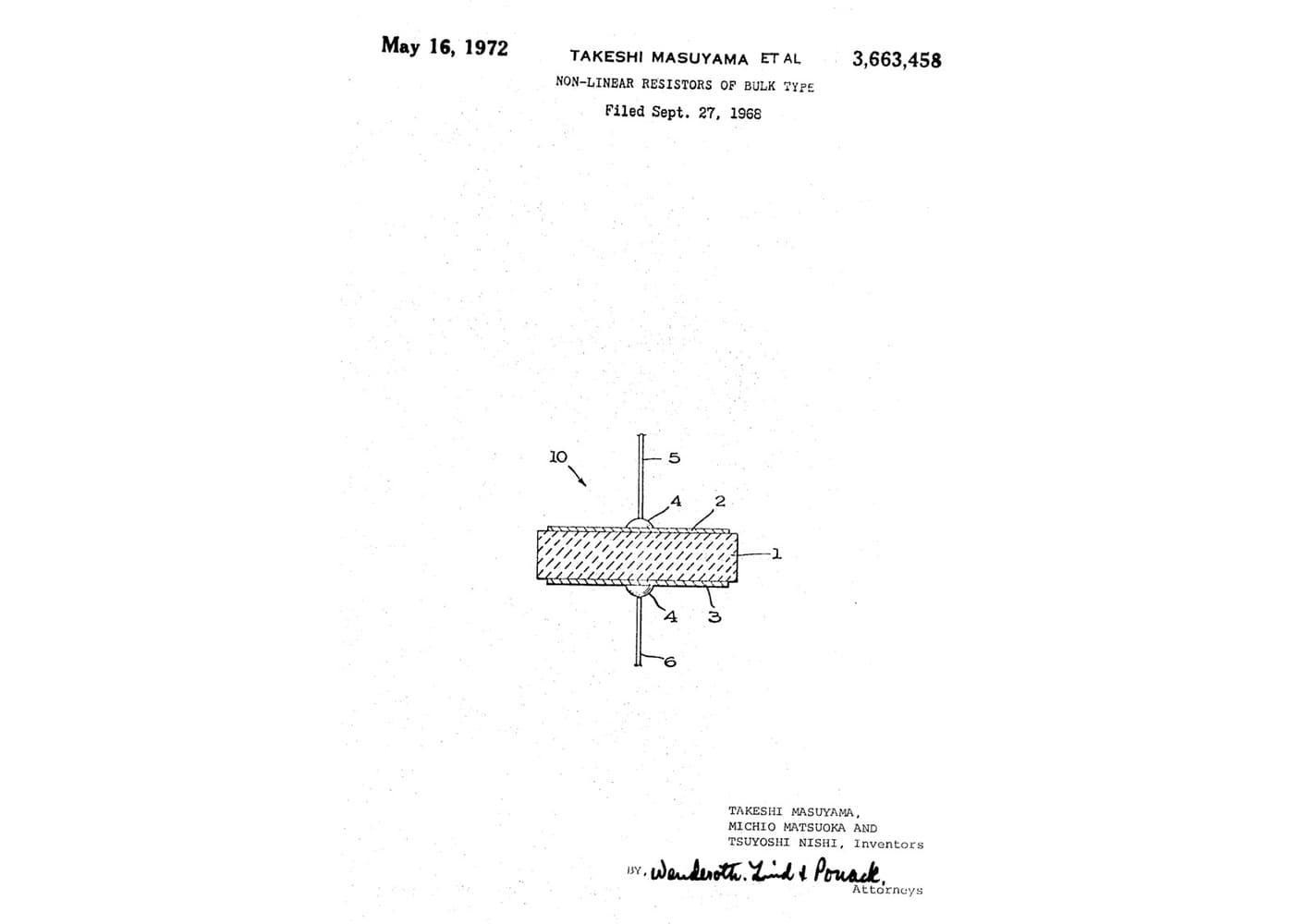
Metal Oxide Varistor: Zinc Oxide with 5 % Bismuth Oxide, 1100 °C, 1.0 mm (Masuyama 1972)
autor: Ed
Przemysłowy
0
0
0
0
0
0
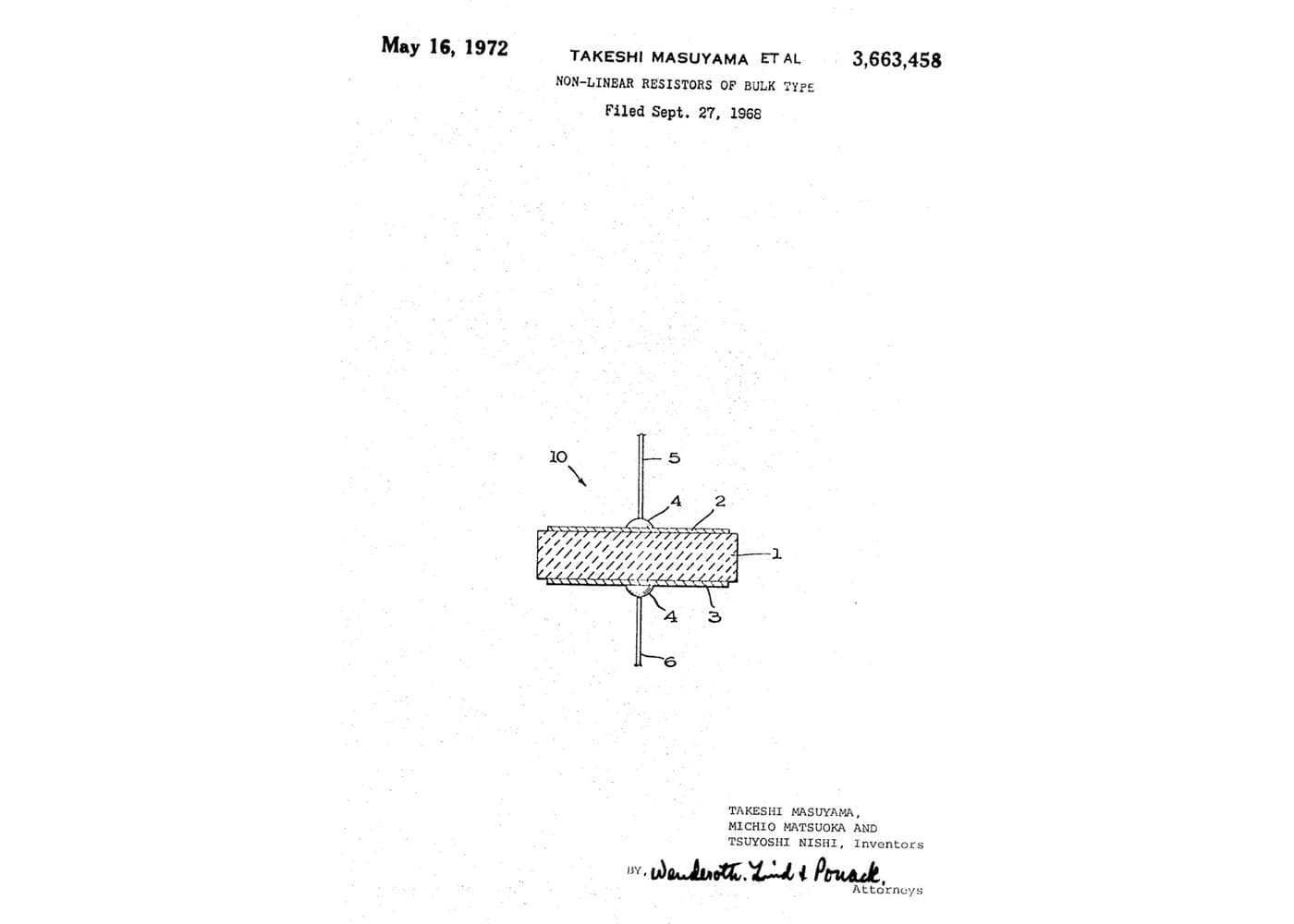
Metal Oxide Varistor: Zinc Oxide with 1 % Bismuth Oxide, 1100 °C, 1.0 mm (Masuyama 1972)
autor: Ed
Przemysłowy
0
0
0
0
0
0
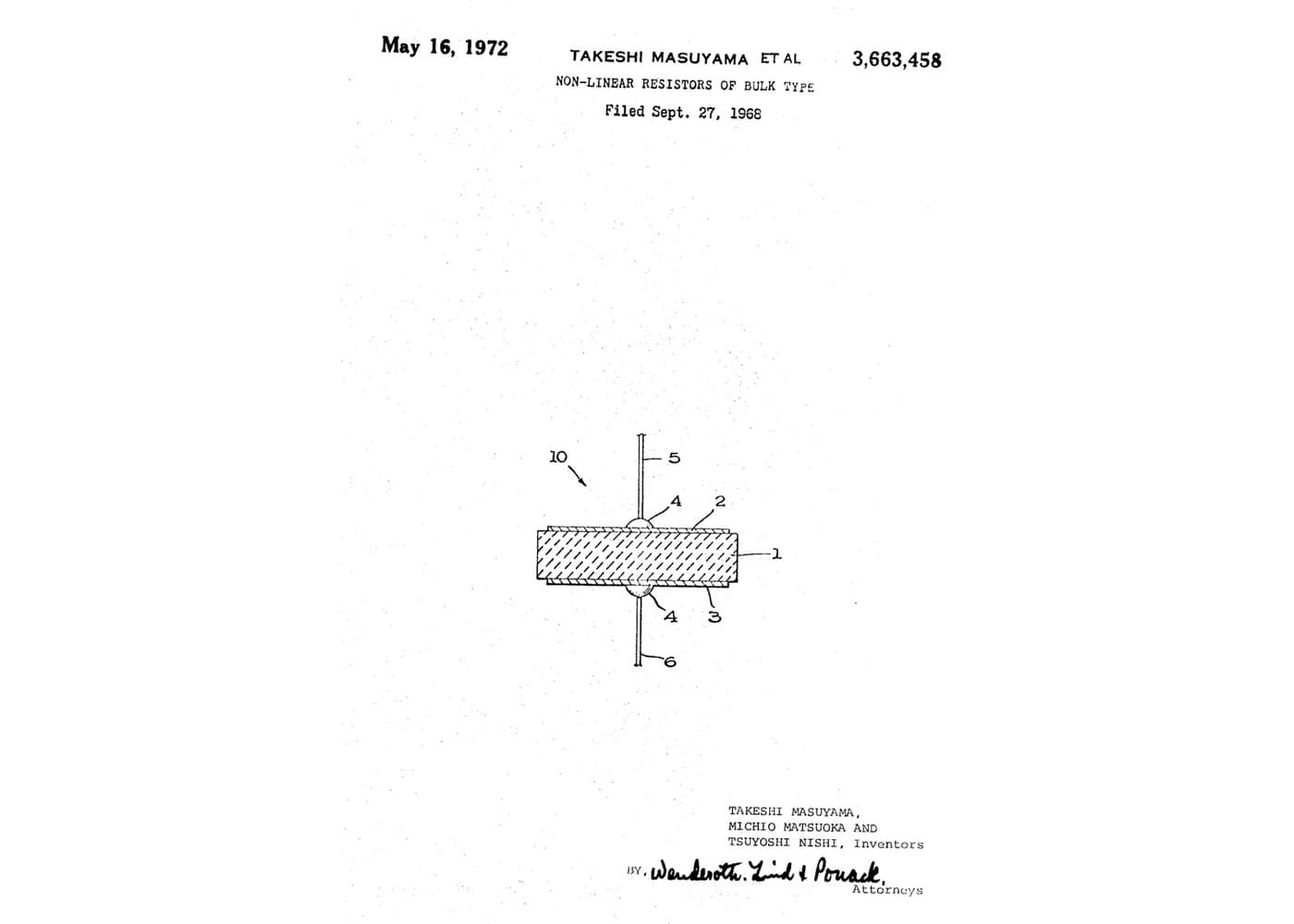
Metal Oxide Varistor: Zinc Oxide with 0.05 % Bismuth Oxide, 1100 °C, 1.0 mm (Masuyama 1972)
autor: Ed
Przemysłowy
2
0
0
0
0
0
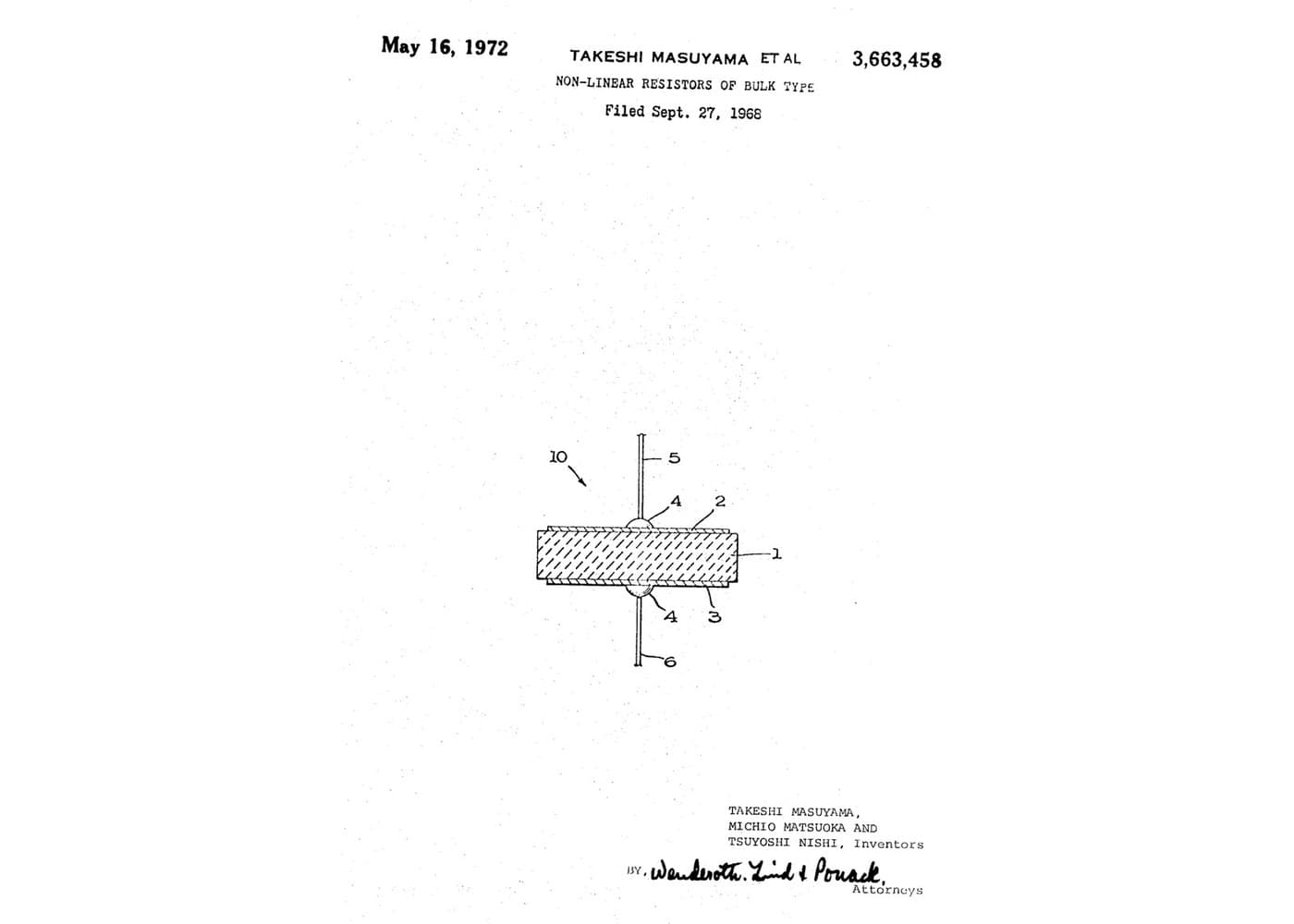
Metal Oxide Varistor: Zinc Oxide with 0.2 % Bismuth Oxide, 1000 °C, 0.8 mm (Masuyama 1972)
autor: Ed
Przemysłowy
0
0
0
0
0
0
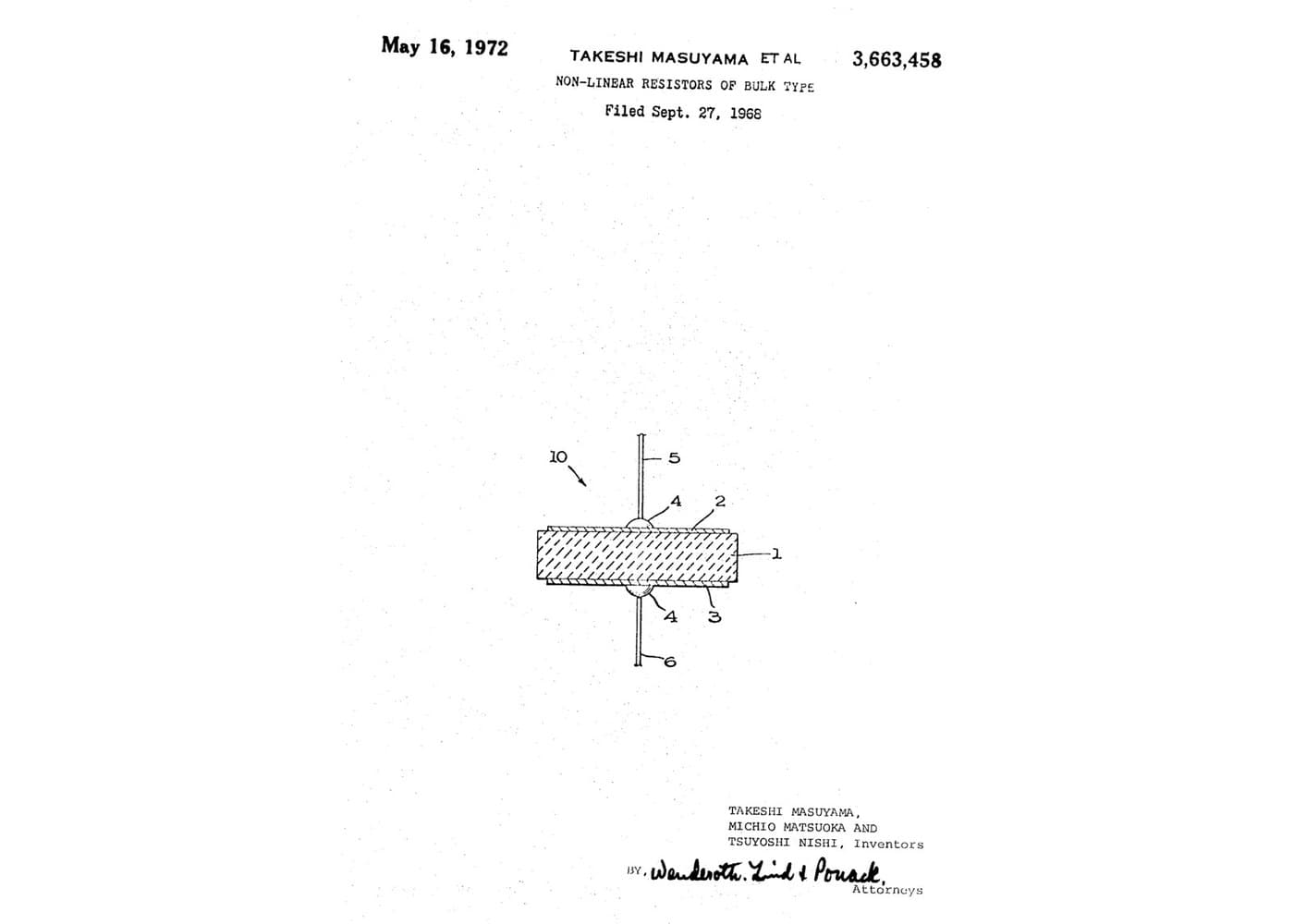
Metal Oxide Varistor: Zinc Oxide with 0.2 % Bismuth Oxide, 1000 °C, 1.5 mm (Masuyama 1972)
autor: Ed
Przemysłowy
0
0
0
0
0
0
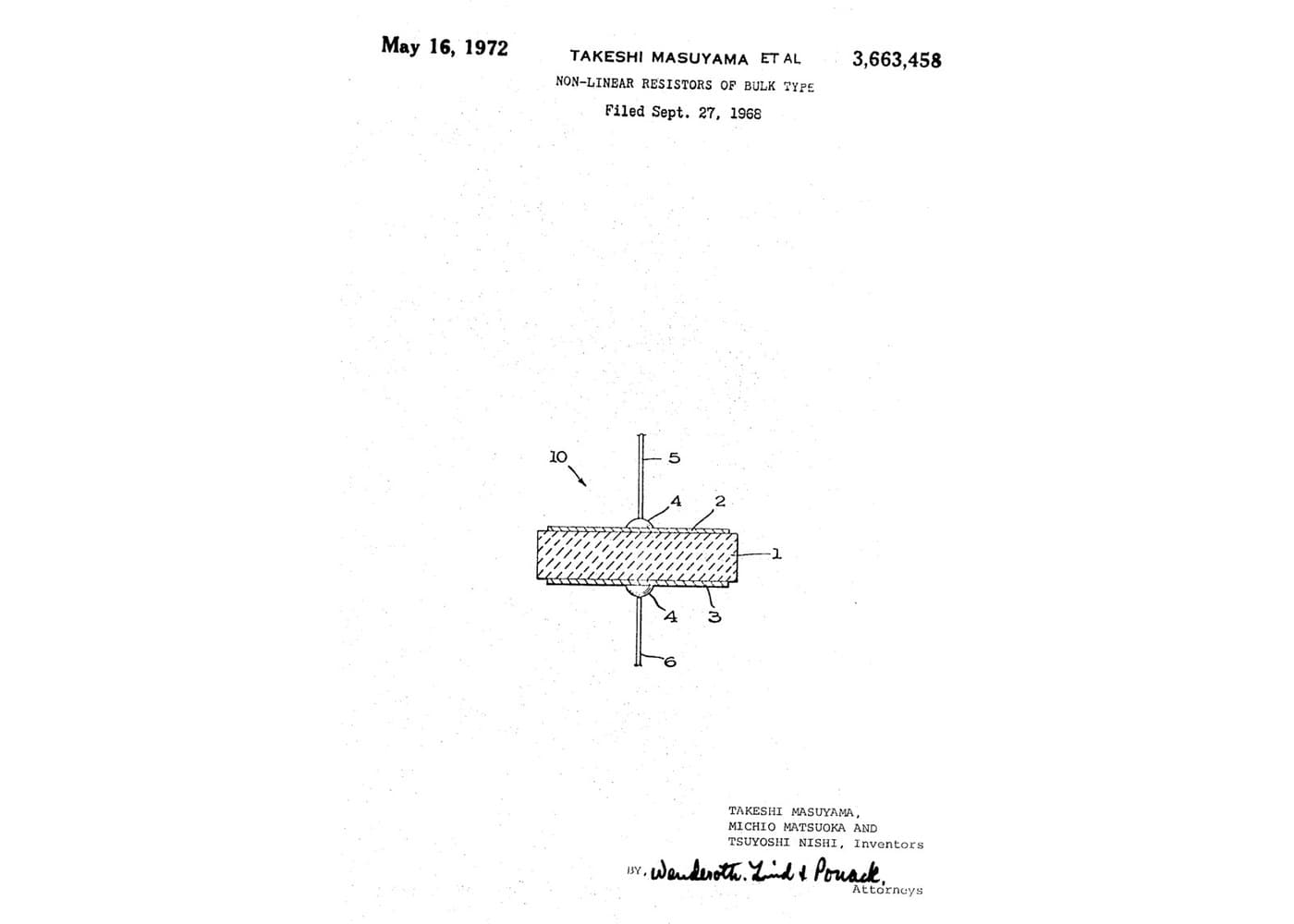
Metal Oxide Varistor: Zinc Oxide with 0.2 % Bismuth Oxide, 1000 °C, 2.0 mm (Masuyama 1972)
autor: Ed
Przemysłowy
1
0
0
0
0
0
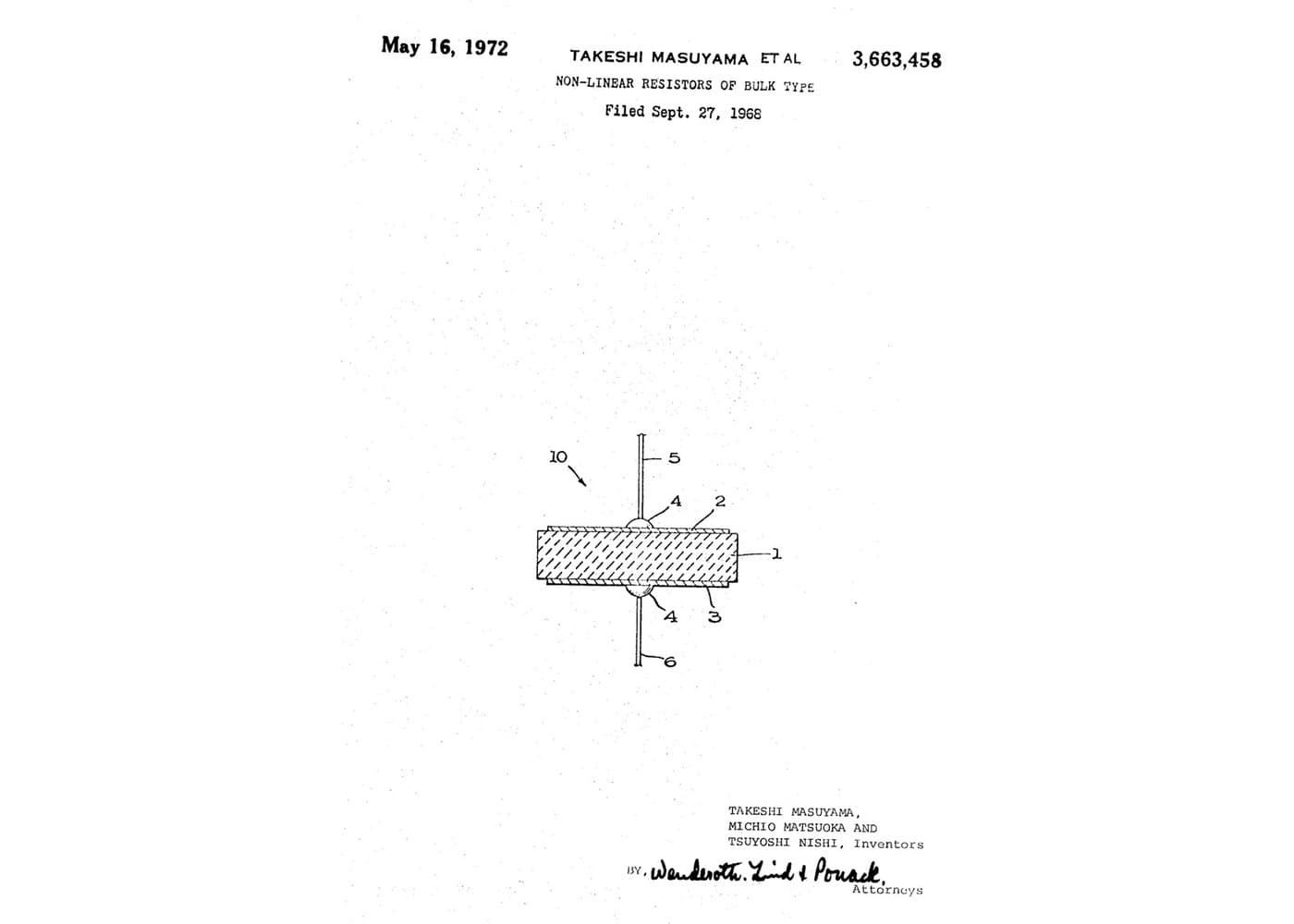
Metal Oxide Varistor: Zinc Oxide with 0.2 % Bismuth Oxide, 1300 °C, 1.0 mm (Masuyama 1972)
autor: Ed
Przemysłowy
1
0
0
0
0
0
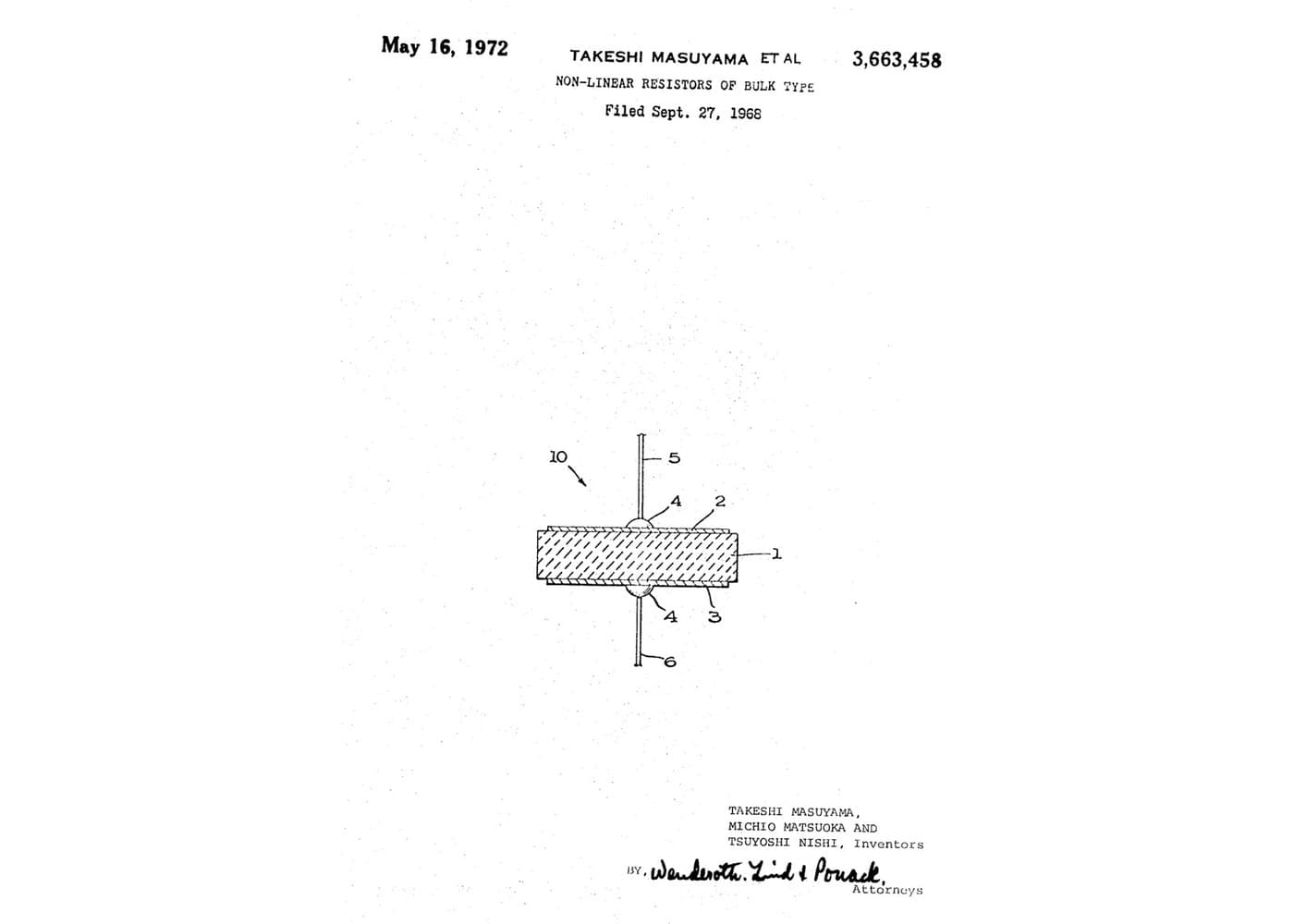
Metal Oxide Varistor: Zinc Oxide with 0.2 % Bismuth Oxide, 1150 °C, 1.0 mm (Masuyama 1972)
autor: Ed
Przemysłowy
1
0
0
0
0
0
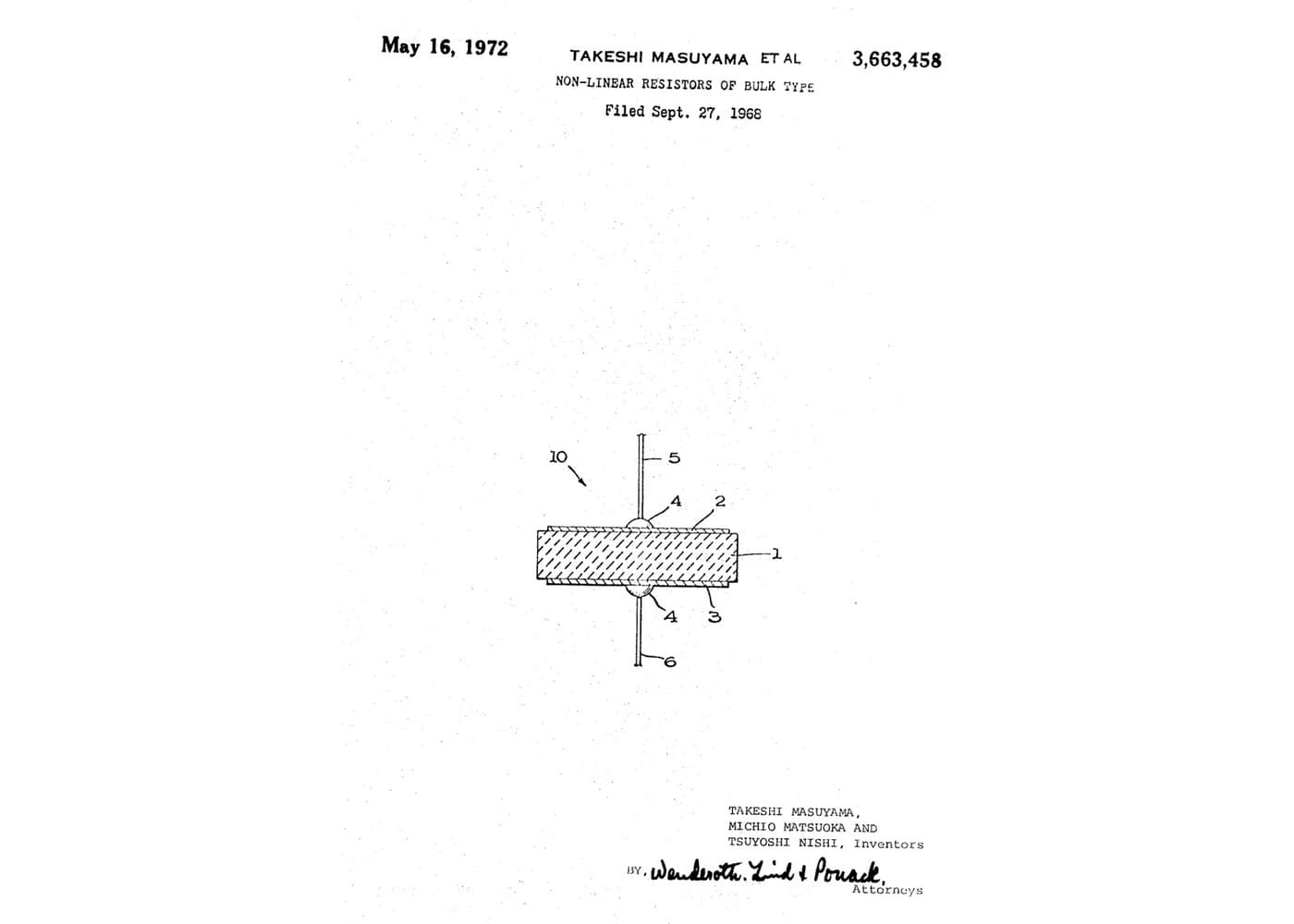
Metal Oxide Varistor: Zinc Oxide with 0.2 % Bismuth Oxide, 800 °C, 1.0 mm (Masuyama 1972)
autor: Ed
Przemysłowy
1
0
0
0
0
0
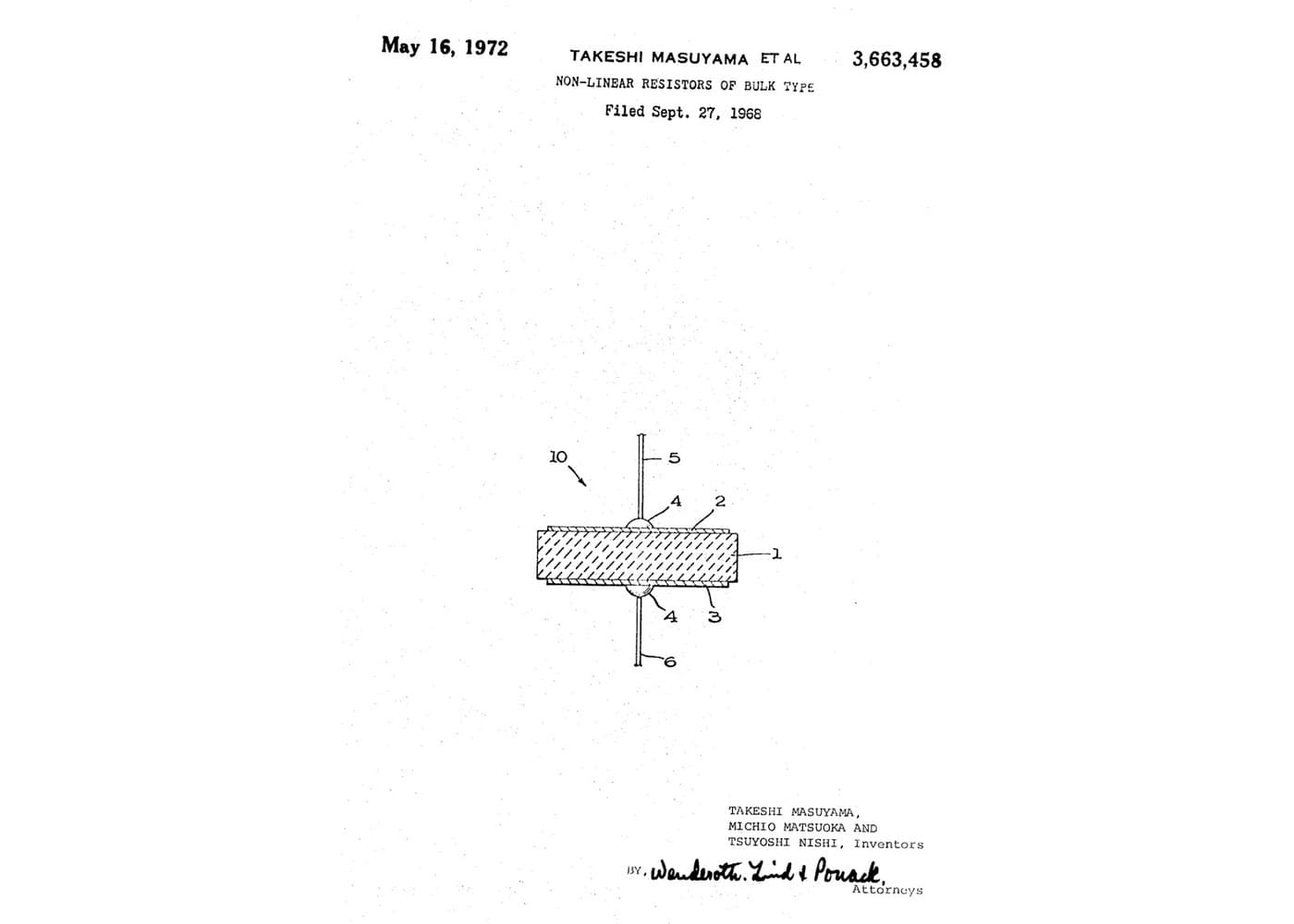
Metal Oxide Varistor: Zinc Oxide with 0.2 % Bismuth Oxide, 750 °C, 1.0 mm (Masuyama 1972)
autor: Ed
Przemysłowy
1
0
0
0
0
0
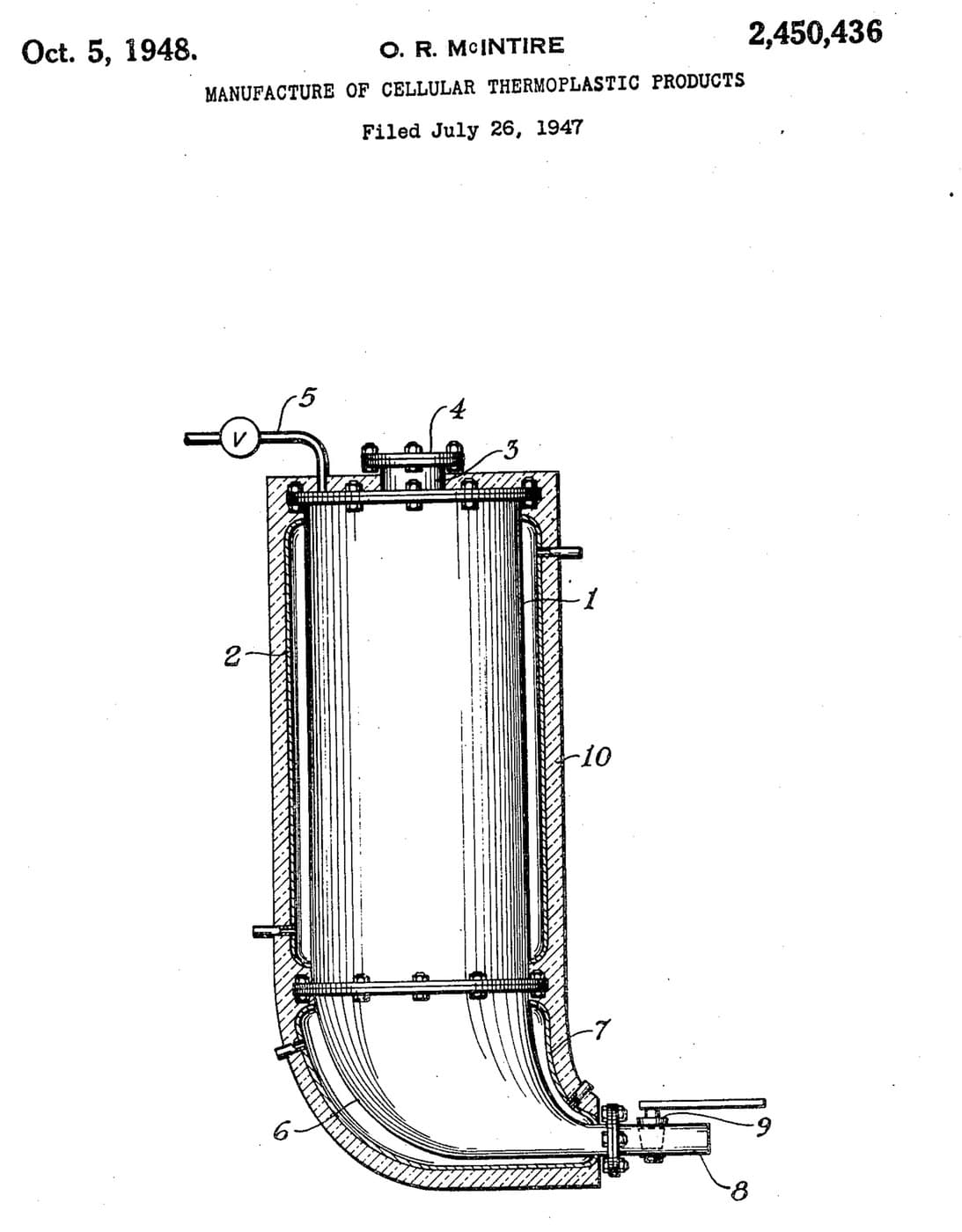
Extruded Polystyrene Foam: Butylene-Blown Logs 20 Inches Across (McIntire, Dow 1948, Ex. 4)
autor: Charlie
Organiczny
1
0
0
0
0
0
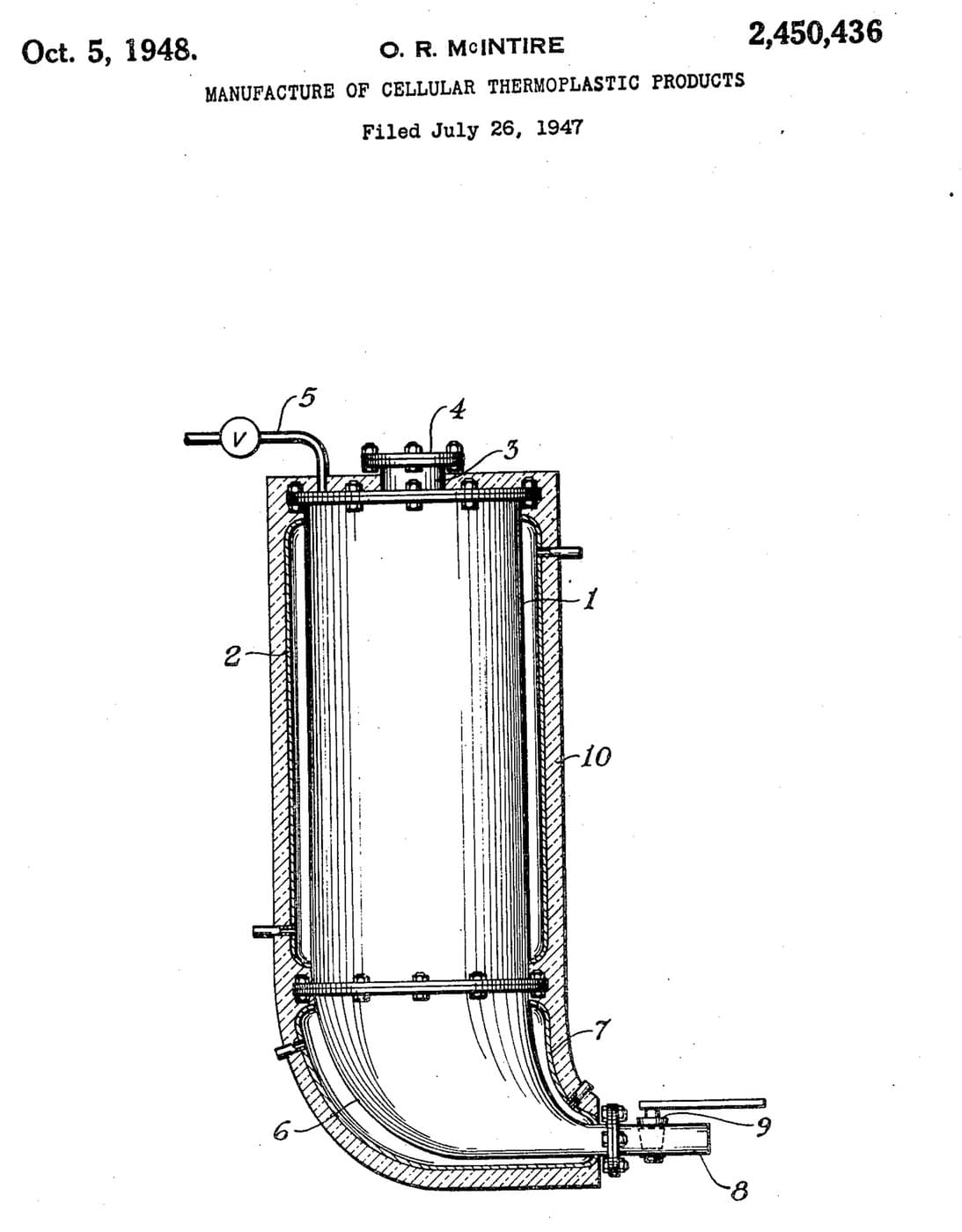
Extruded Polystyrene Foam: Propylene-Blown Log Let Out at 75 °C (McIntire, Dow 1948, Ex. 3, Test 4)
autor: Charlie
Organiczny
1
0
0
0
0
0
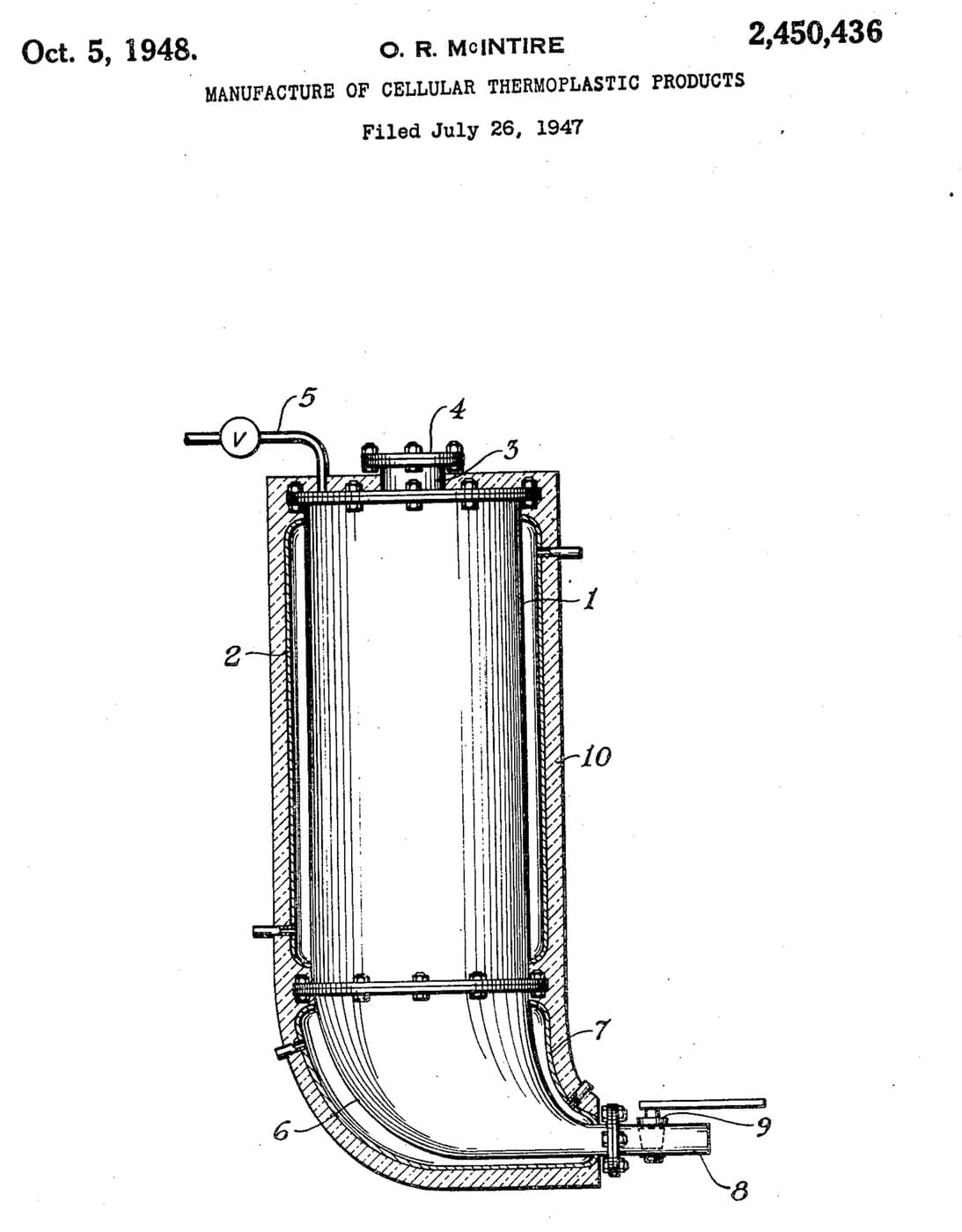
Extruded Polystyrene Foam: Propylene-Blown Log Let Out at 60 °C (McIntire, Dow 1948, Ex. 3, Test 3)
autor: Charlie
Organiczny
2
0
0
0
0
0
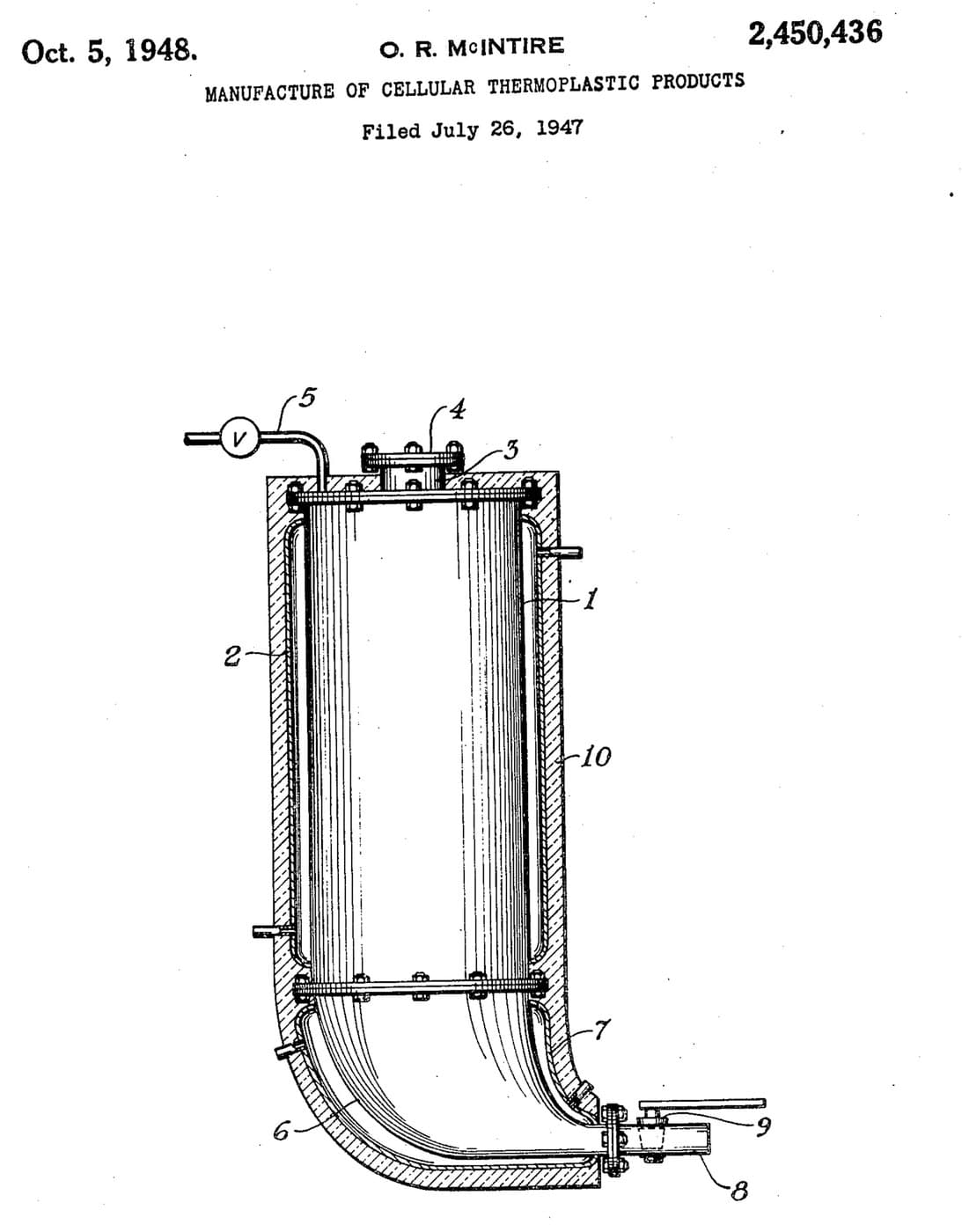
Extruded Polystyrene Foam: Propylene-Blown Log Let Out at 50 °C (McIntire, Dow 1948, Ex. 3, Test 2)
autor: Charlie
Organiczny
1
0
0
0
0
0
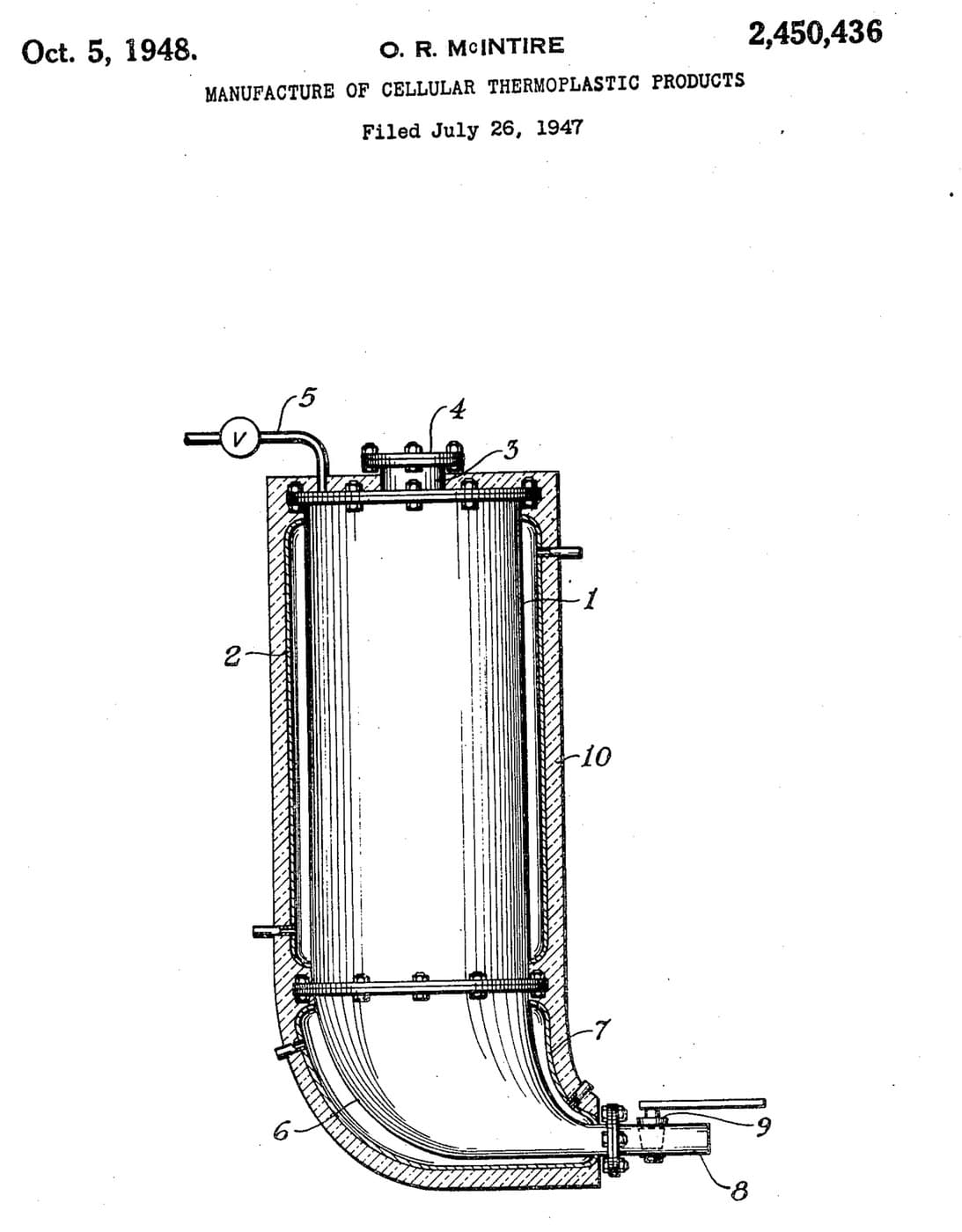
Extruded Polystyrene Foam: Propylene-Blown Log Let Out at 40 °C (McIntire, Dow 1948, Ex. 3, Test 1)
autor: Charlie
Industry 3.0 — Assembly Line & Mass Production (1913)
1
0
0
0
0
0
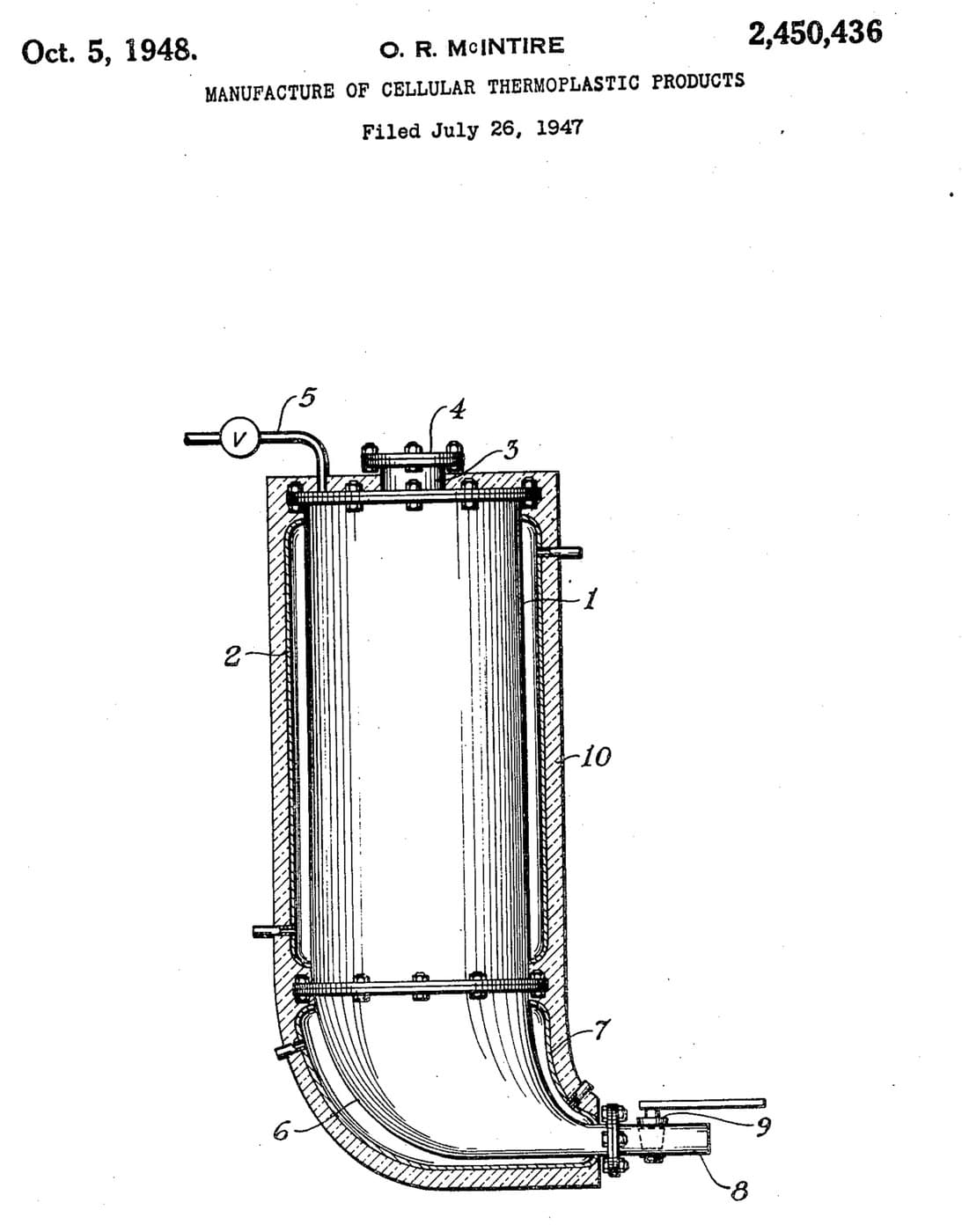
Niebezpieczne
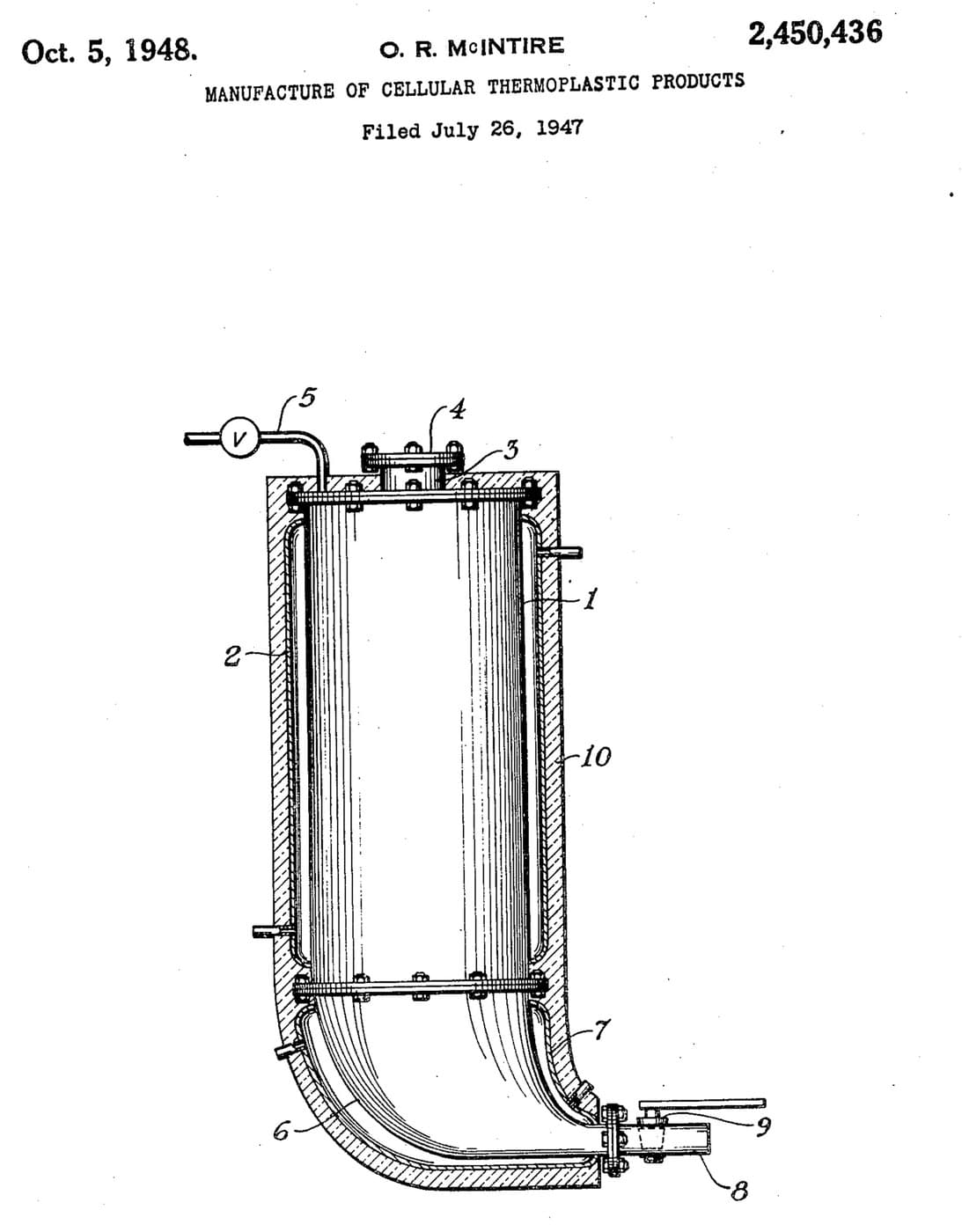
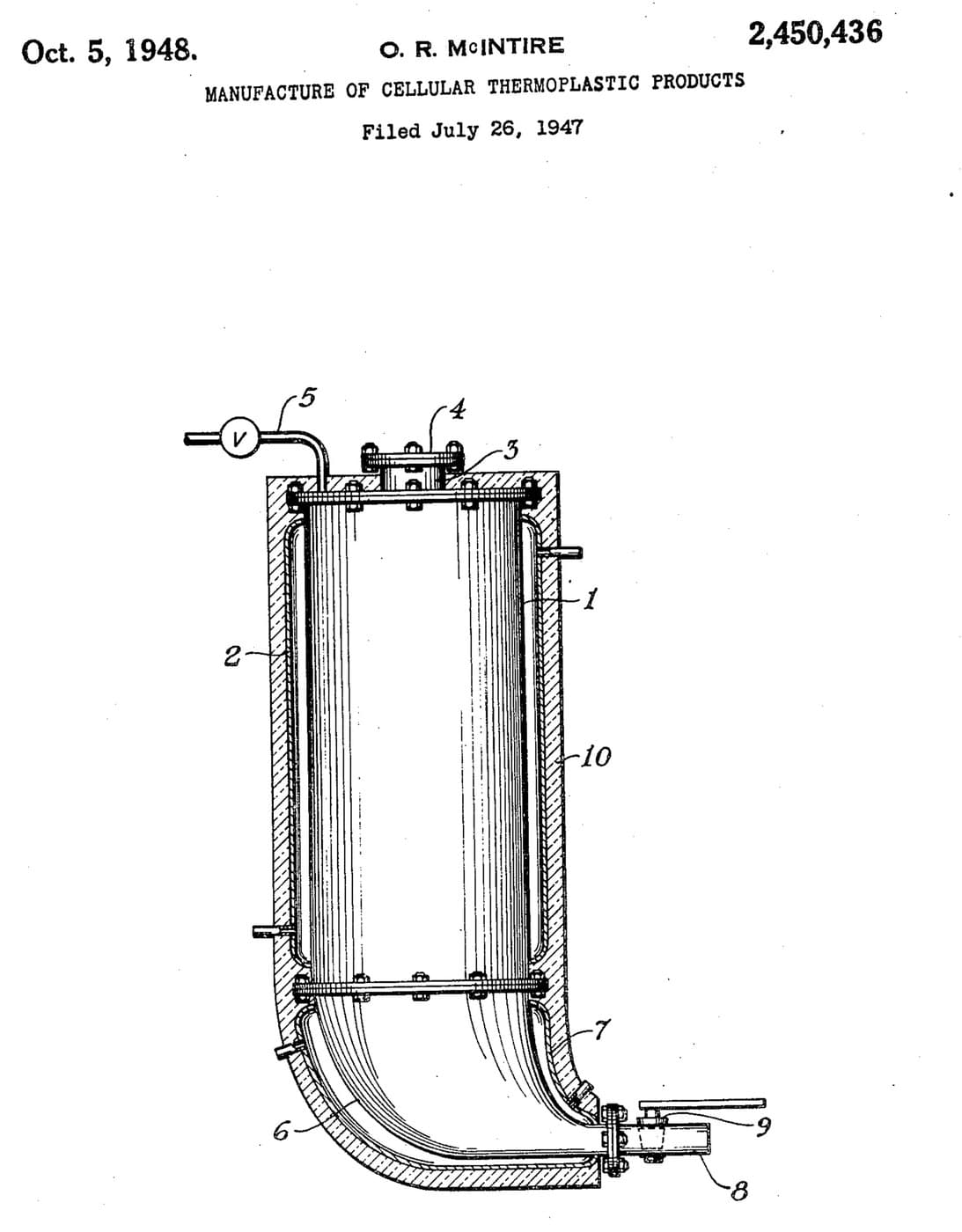
Extruded Polystyrene Foam: Methyl and Methylene Chloride Gel Let Out at 100 °C (McIntire, Dow 1948, Ex. 2)
autor: Charlie
Organiczny
1
0
0
0
0
0
Niebezpieczne
Extruded Polystyrene Foam: Methyl and Methylene Chloride Gel Let Out at 90 °C (McIntire, Dow 1948, Ex. 2)
autor: Charlie
Organiczny
2
0
0
0
0
0
Niebezpieczne
Extruded Polystyrene Foam: Methyl and Methylene Chloride Gel Let Out at 80 °C (McIntire, Dow 1948, Ex. 2)
autor: Charlie
Organiczny
2
0
0
0
0
0
Niebezpieczne
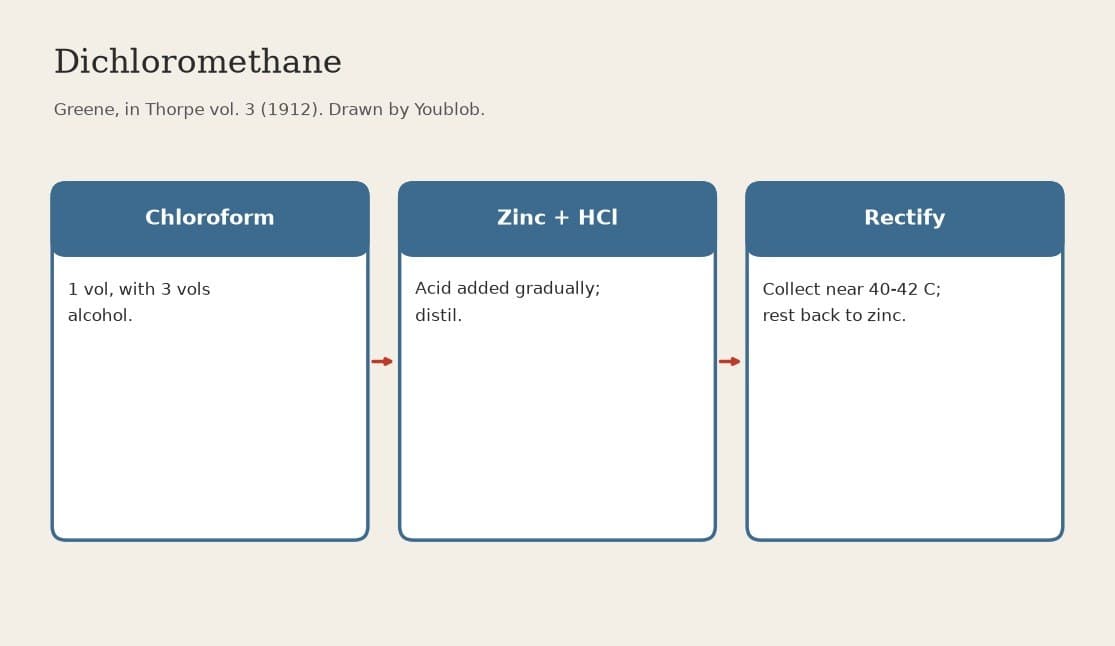
Dichloromethane: Chloroform Reduced with Zinc, Alcohol and Hydrochloric Acid (Greene, in Thorpe 1912)
autor: Charlie
Organiczny
2
0
0
0
0
0

Strontium Ferrite Disc Magnet: Example 9 Without the Orienting Field (Gorter, Philips 1956, Ex. 9 Comparison)
autor: Charlie
Przybory
0
0
0
0
0
0
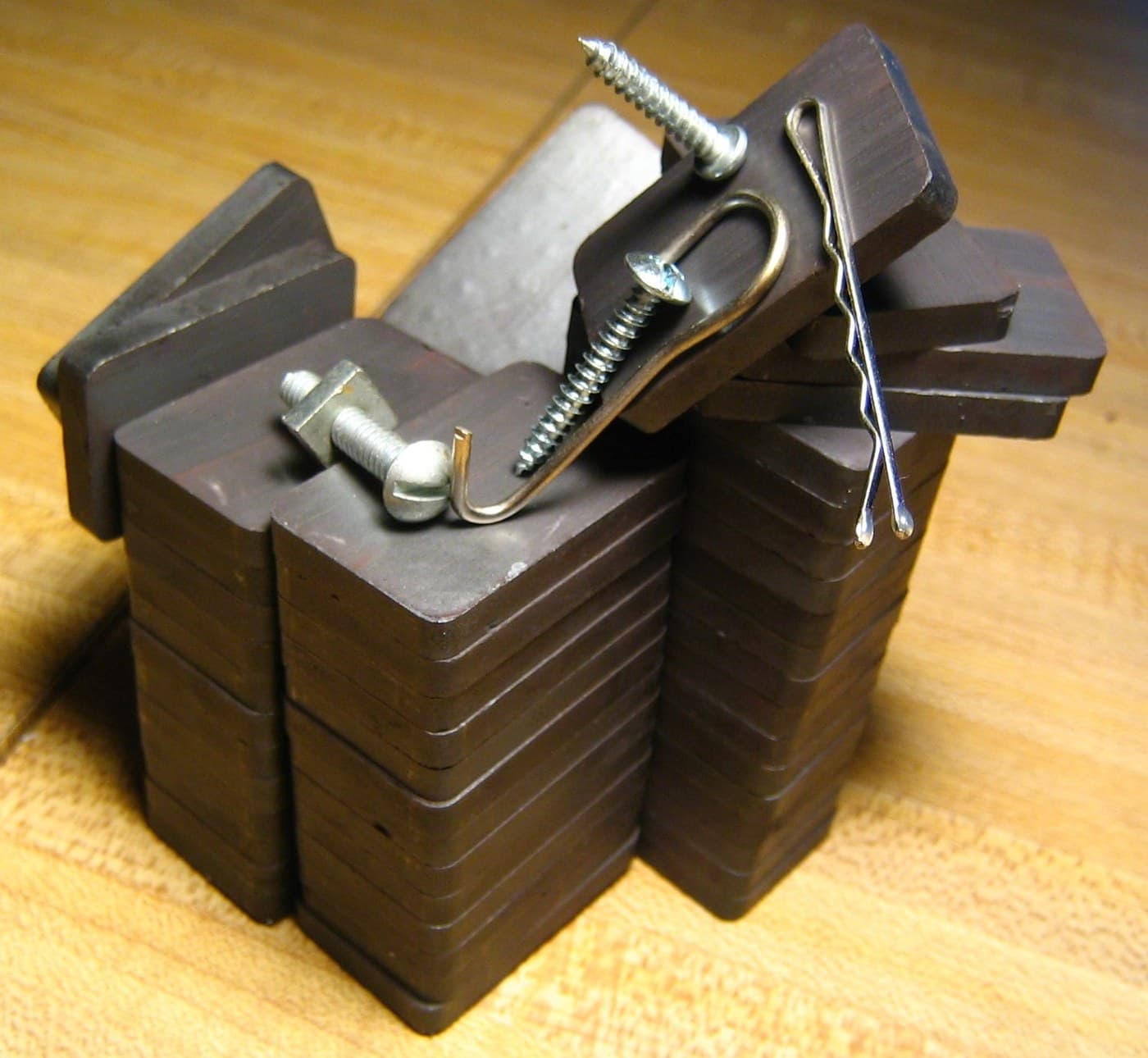
Oriented Strontium Ferrite Disc Magnet: Less Iron Oxide, 10,000 Oersted Field (Gorter, Philips 1956, Ex. 9)
autor: Charlie
Przybory
0
0
0
0
0
0
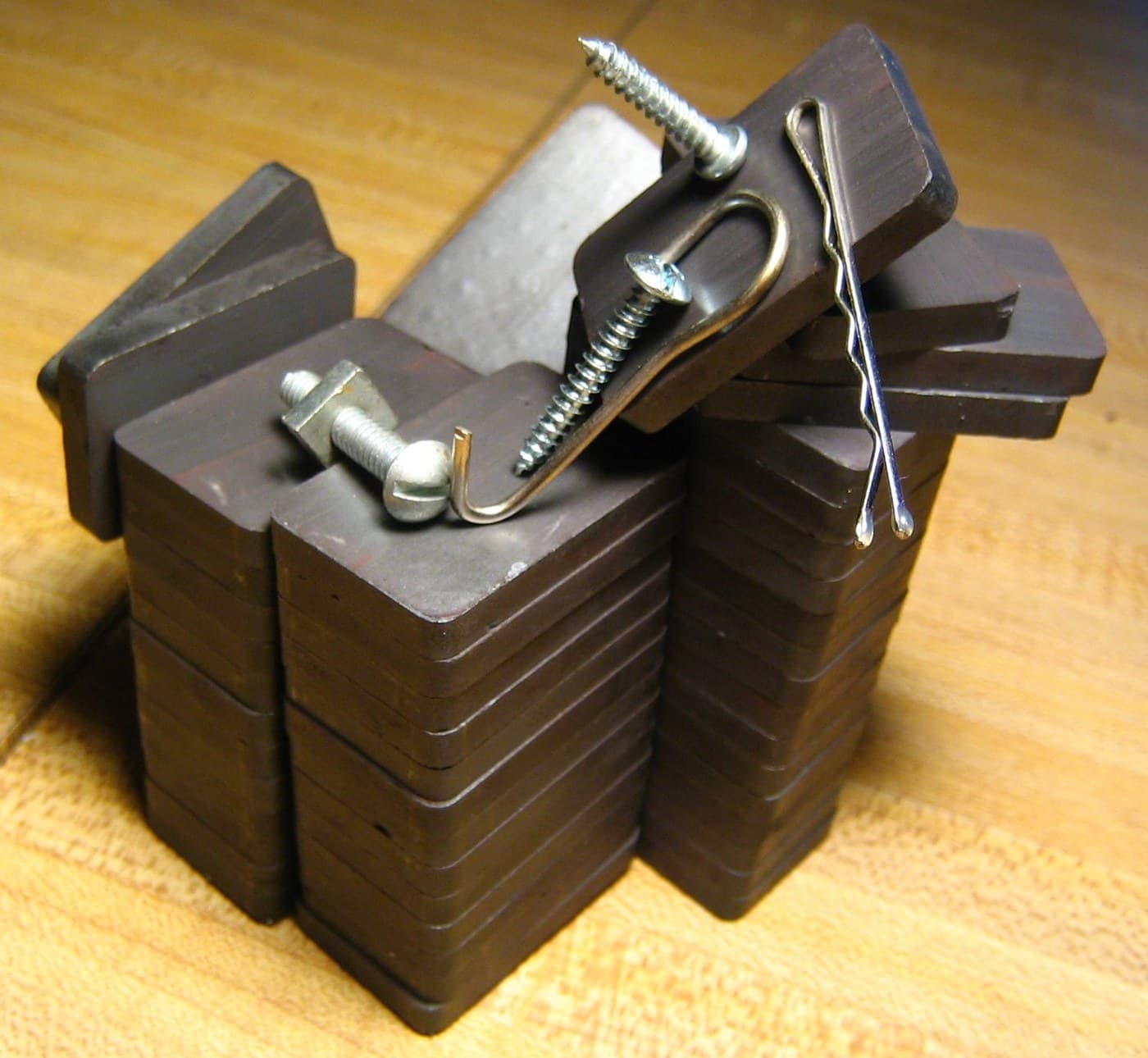
Strontium Ferrite Disc Magnet: Example 8 Without the Orienting Field (Gorter, Philips 1956, Ex. 8 Comparison)
autor: Charlie
Przybory
1
0
0
0
0
0
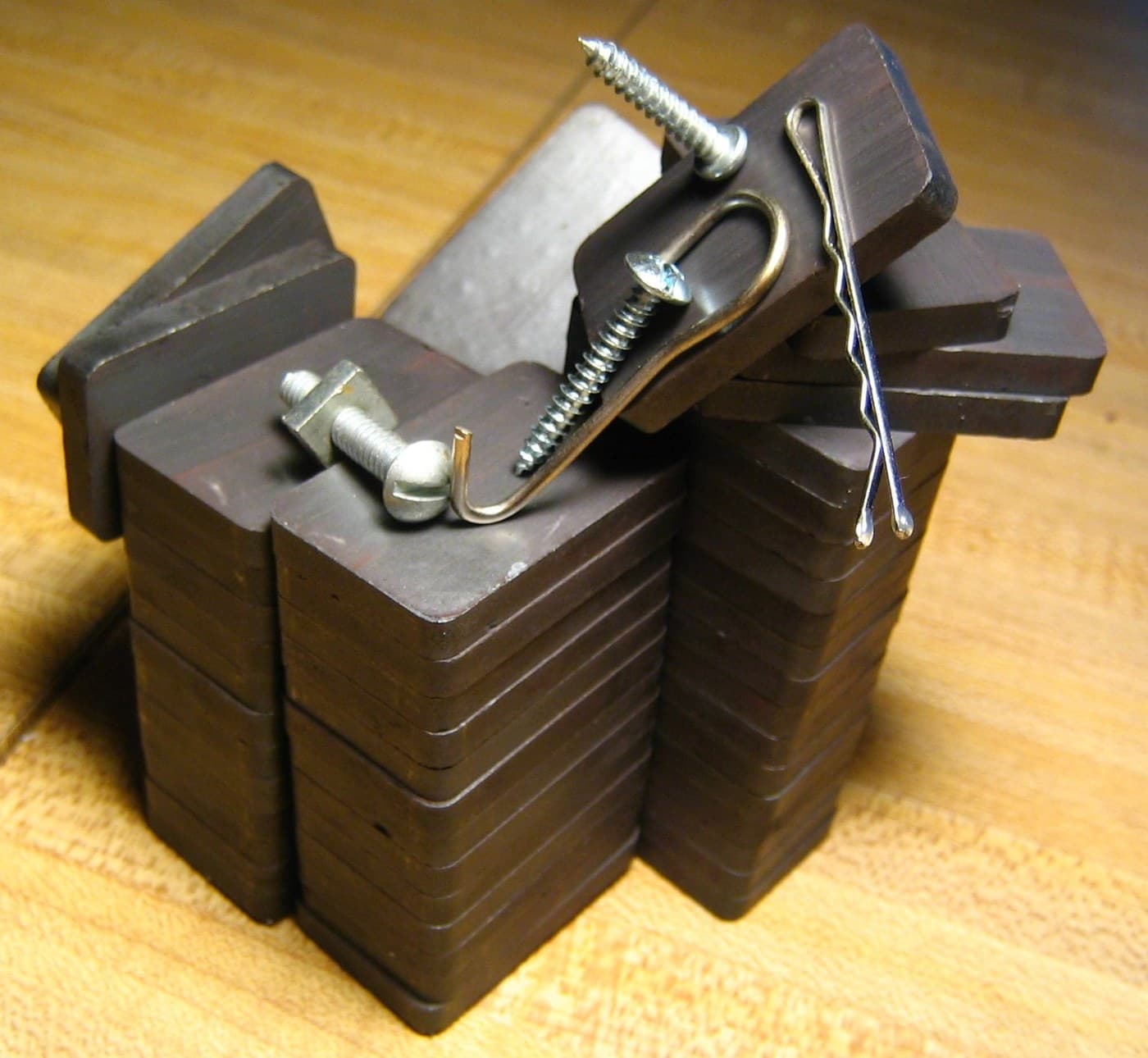
Oriented Strontium Ferrite Disc Magnet: Agate-Milled, 10,000 Oersted Field (Gorter, Philips 1956, Ex. 8)
autor: Charlie
Przybory
0
0
0
0
0
0
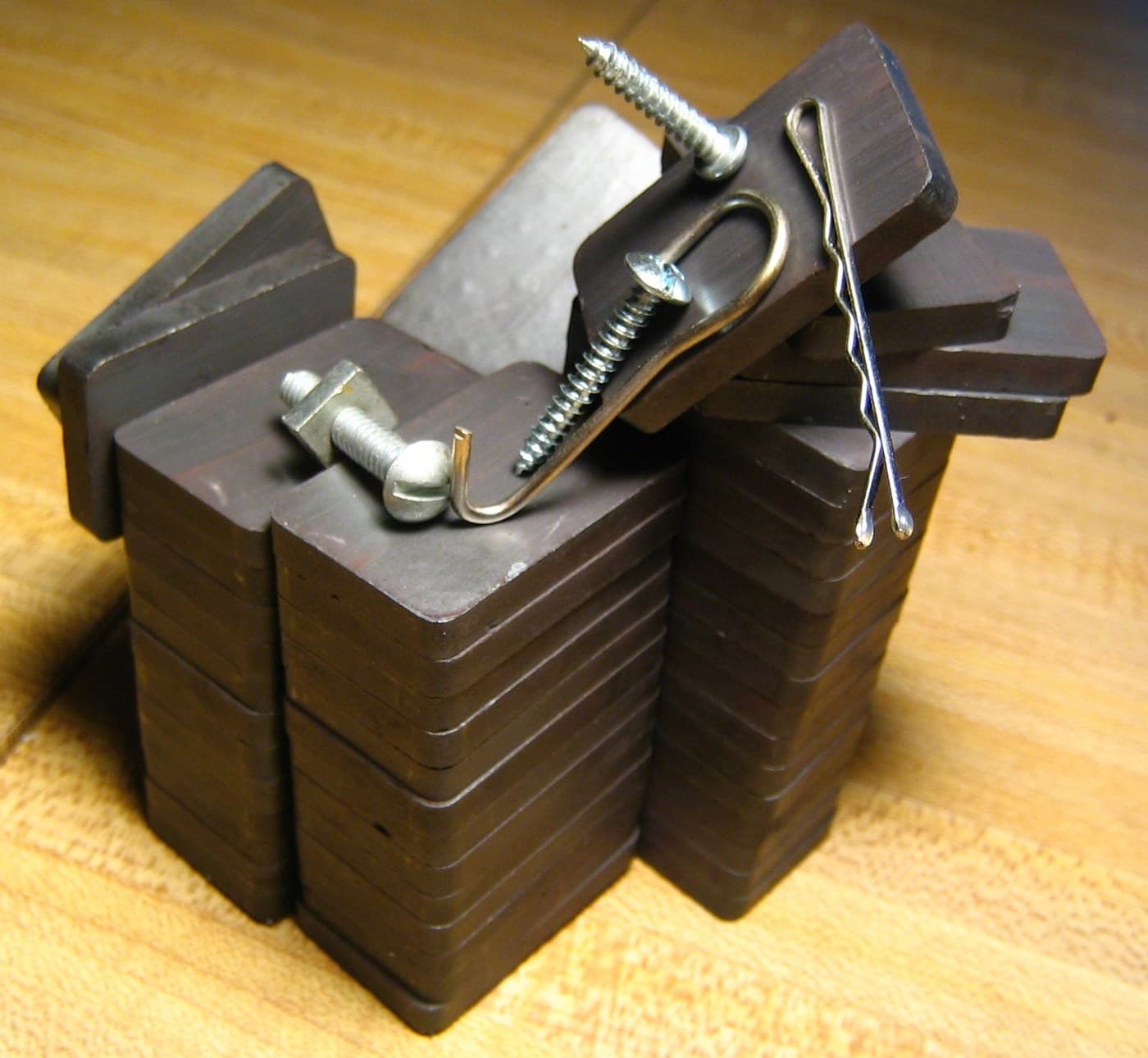
Barium Ferrite Disc Magnet: Example 7 Without the Orienting Field (Gorter, Philips 1956, Ex. 7 Comparison)
autor: Charlie
Przybory
2
0
0
0
0
0
Pokazano 24 z 418