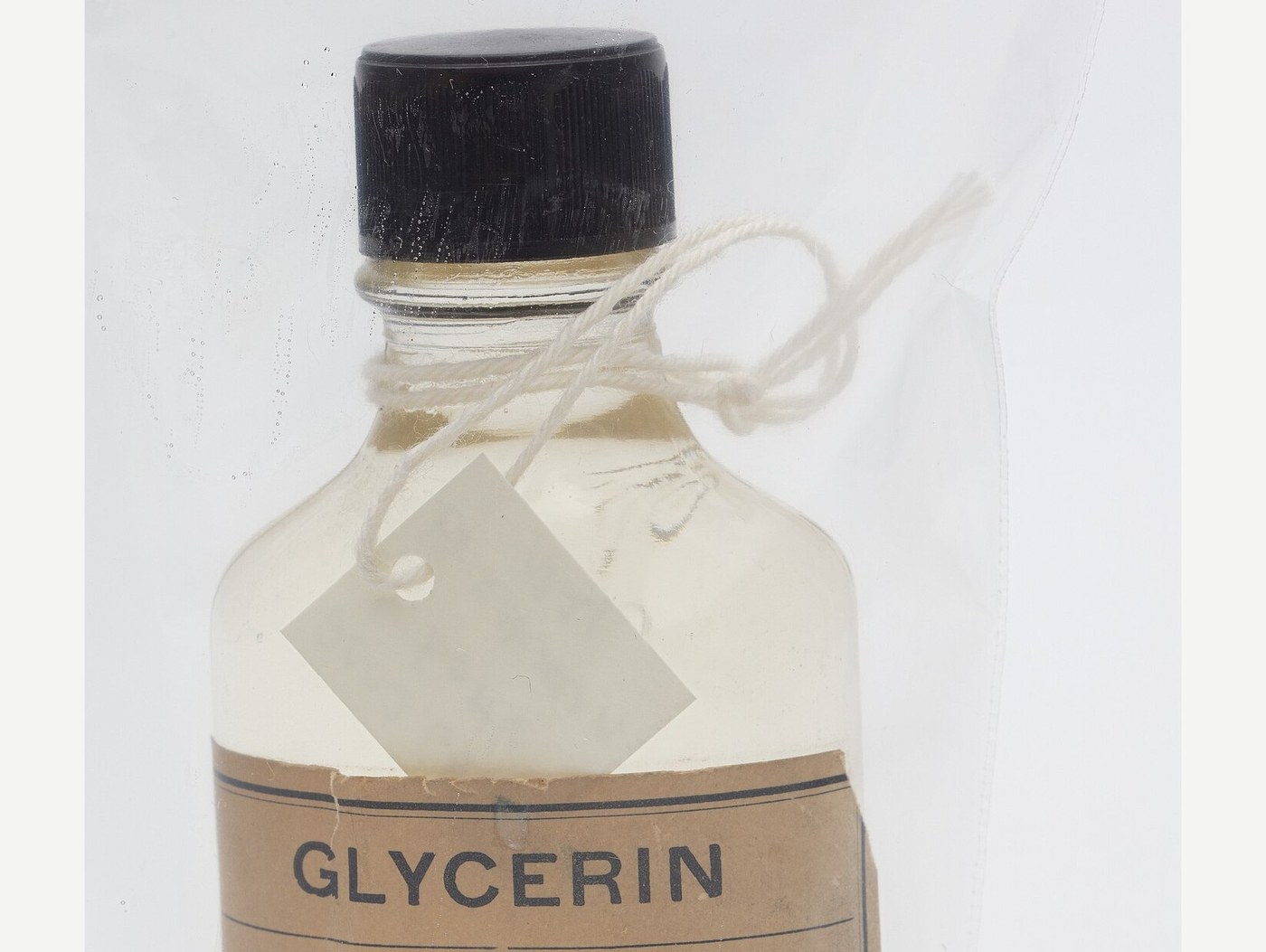


Glycerin from Candle-Works Sweet Water: Cap's Process
Instrukcje
Boil down the sweet water
Boil down the sweet water
Materiały do tego kroku:
 Woda glicerynowa1 as required
 Węgiel kamienny bitumiczny1 as required
Potrzebne narzędzia:
 Panew do odparowywania
 Piec ceglany
Find how much lime it holds
Find how much lime it holds
Potrzebne narzędzia:
 Szczawian amonu
 Bibuła filtracyjna
 Tygiel z gliny ogniotrwałej
 Waga szalkowa
Throw the lime down with sulfuric acid
Throw the lime down with sulfuric acid
Materiały do tego kroku:
 Kwas siarkowy1 as required
Potrzebne narzędzia:
 Kadź
 Gogle chemiczne
 Rękawice gumowe
Boil it out of contact with air, to 14° Twaddell
Boil it out of contact with air, to 14° Twaddell
Materiały do tego kroku:
Węgiel kamienny bitumiczny1 as requiredPotrzebne narzędzia:
Kadź Wiosło drewnianePiec ceglany
 Areometr
Neutralise any excess acid with chalk
Neutralise any excess acid with chalk
Materiały do tego kroku:
 Węglan wapnia — kruszony wapień1 as required
Potrzebne narzędzia:
 Papierek lakmusowyWiosło drewniane
Boil on to 37.5° and filter
Boil on to 37.5° and filter
Materiały do tego kroku:
Węgiel kamienny bitumiczny1 as requiredPotrzebne narzędzia:
KadźWiosło drewnianePiec ceglanyAreometr Sitko
Reduce to 49°, filtering again if needed
Reduce to 49°, filtering again if needed
Materiały do tego kroku:
Węgiel kamienny bitumiczny1 as requiredPotrzebne narzędzia:
Panew do odparowywaniaPiec ceglanyAreometrSitkoClear it through bone black
Clear it through bone black
Potrzebne narzędzia:
 Czerń kostnaSitko
Concentrate to 51° Twaddell
Concentrate to 51° Twaddell
Materiały do tego kroku:
Węgiel kamienny bitumiczny1 as requiredPotrzebne narzędzia:
Panew do odparowywaniaPiec ceglanyAreometrCap's readings as specific gravity
Cap's readings as specific gravity
Troubleshooting
Troubleshooting
Flow
History and honest limits
History and honest limits
Materiały
4- 1 as requiredZastępnik
- 1 as requiredZastępnik
- 1 as requiredZastępnik
- 1 as requiredZastępnik
Wymagane narzędzia
14- Zastępnik
- Zastępnik
- Zastępnik
- Zastępnik
- Zastępnik
- Zastępnik
- Zastępnik
- Zastępnik
- Zastępnik
- Zastępnik
- Zastępnik
- Zastępnik
- Zastępnik
- Zastępnik
Według tego planu powstaje

Powiązane blueprinty
Te blueprinty dzielą się wiedzą — technikami, materiałami lub zasadami
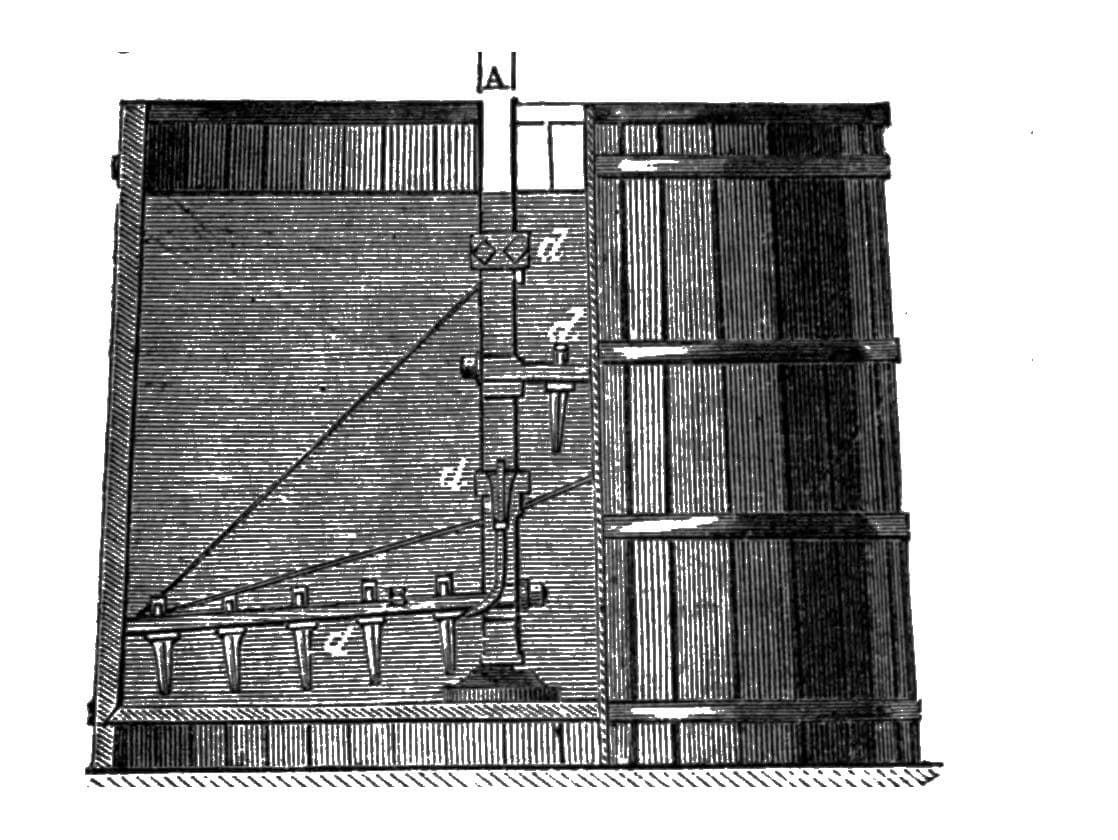
CC0 Domena publiczna
Ten plan jest udostępniany na licencji CC0. Możesz go swobodnie kopiować, modyfikować, rozpowszechniać i wykorzystywać do dowolnych celów, bez konieczności uzyskiwania zgody.
Wesprzyj Makera kupując produkty przez jego plan, za co zarabia Prowizja Makera ustalony przez sprzedawców, lub stwórz nową iterację tego planu i dołącz go jako połączenie w swoim własnym planie, aby dzielić się przychodami.