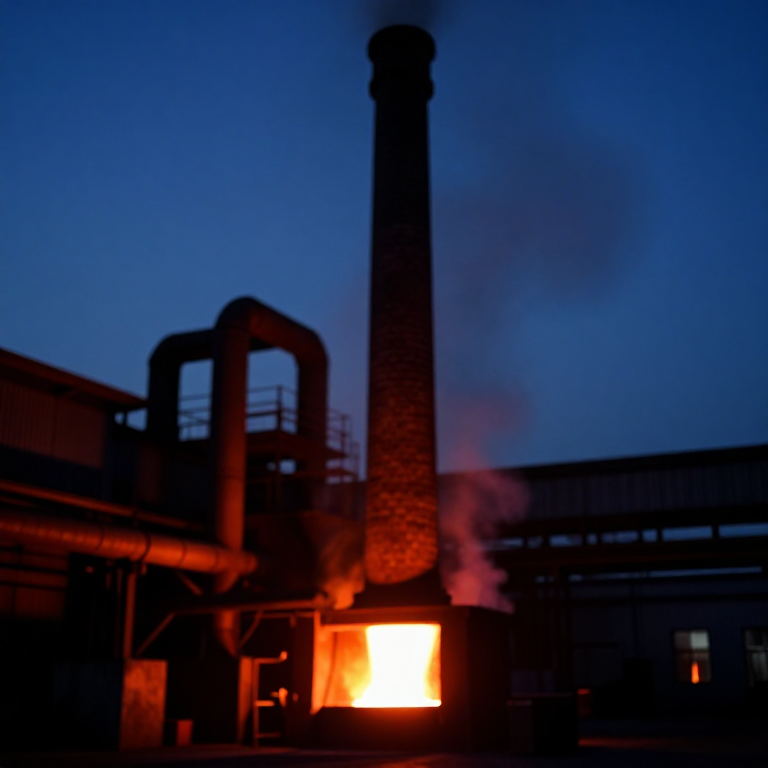


Building a Hot Blast Stove — Preheating the Air That Tripled the Blast Furnace
For centuries ironmasters believed a blast furnace ran best on cold winter air, and blew their furnaces with air at whatever temperature the weather gave. In 1828 the Scottish engineer James Neilson proved the opposite: heating the blast before it entered the furnace slashed the fuel needed and raised the output enormously. The hot blast was one of the great efficiency leaps of the iron age.
The idea seems backwards but the physics is sound. Cold air entering the furnace has to be heated by burning precious fuel before it can do its work; preheating the air outside the furnace, using waste heat that would otherwise escape up the chimney, means far less coke is wasted just warming the blast. Neilson's first stoves cut coke use by a third, and later regenerative stoves did far better still.
A hot blast stove is a chamber of brick or pipe that the blast passes through on its way to the tuyeres, heated by the furnace's own escaping gases. Bolted onto the pig-iron blast furnace, it made iron dramatically cheaper — and cheap iron was the lifeblood of the Industrial Revolution.
Instrukcje
Understand the hot blast
Understand the hot blast
Tap the furnace waste gas
Tap the furnace waste gas
Potrzebne narzędzia:
 Kanały wentylacyjne
Build the stove chamber
Build the stove chamber
Materiały do tego kroku:
 Cegły szamotowe200 sztuk
Potrzebne narzędzia:
 Łopatka ogrodnicza
Heat the stove
Heat the stove
Materiały do tego kroku:
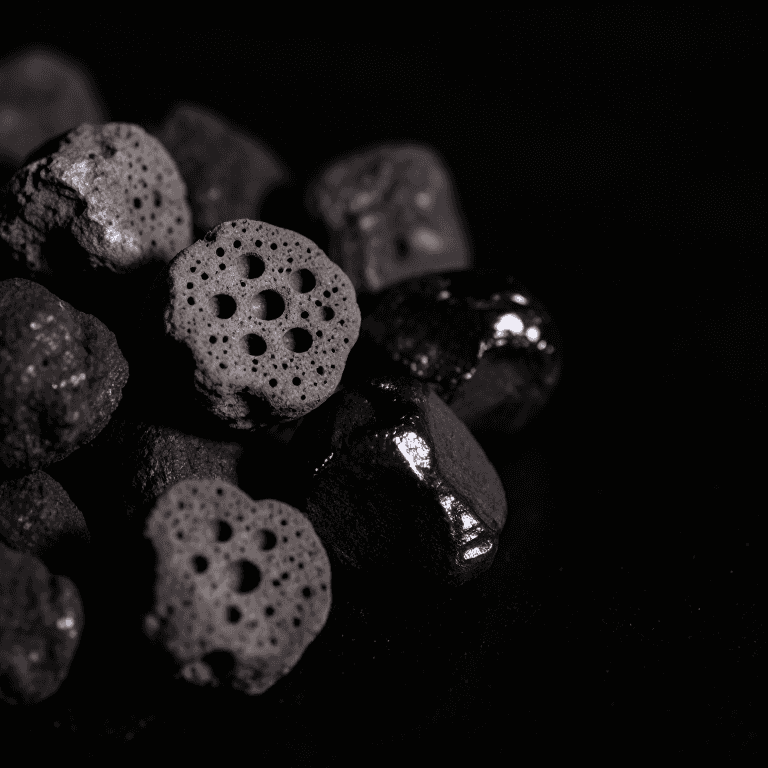
 Koks hutniczy20 kg
Pass the blast through
Pass the blast through
Potrzebne narzędzia:
 Dmuchawa
Alternate the regenerator stoves
Alternate the regenerator stoves
Insulate the hot main
Insulate the hot main
Materiały do tego kroku:
 Cement ogniotrwały15 kg
Deliver the hot blast
Deliver the hot blast
Potrzebne narzędzia:
 Drąg spustowy
Control the temperature
Control the temperature
Potrzebne narzędzia:
 Pirometr
Measure the saving
Measure the saving
Mind the hazards
Mind the hazards
See the impact
See the impact
Materiały
3- 200 sztukZastępnik
- 20 kgZastępnik
- 15 kgZastępnik
Wymagane narzędzia
5- Zastępnik
- Zastępnik
- Zastępnik
- Zastępnik
- Zastępnik
Materiały z połączonych planów

Powiązane blueprinty
Te blueprinty dzielą się wiedzą — technikami, materiałami lub zasadami
CC0 Domena publiczna
Ten plan jest udostępniany na licencji CC0. Możesz go swobodnie kopiować, modyfikować, rozpowszechniać i wykorzystywać do dowolnych celów, bez konieczności uzyskiwania zgody.
Wesprzyj Makera kupując produkty przez jego plan, za co zarabia Prowizja Makera ustalony przez sprzedawców, lub stwórz nową iterację tego planu i dołącz go jako połączenie w swoim własnym planie, aby dzielić się przychodami.