Współpraca
SZTUKA
Piękno i dobre samopoczucie
RZEMIOSŁO
KULTURA I HISTORIA
ROZRYWKA
ŚRODOWISKO
JEDZENIE I NAPOJE
INŻYNIERIA ODWROTNA
NAUKI
LEKKOATLETYKA
TECHNOLOGIA
URZĄDZENIA DO NOSZENIA
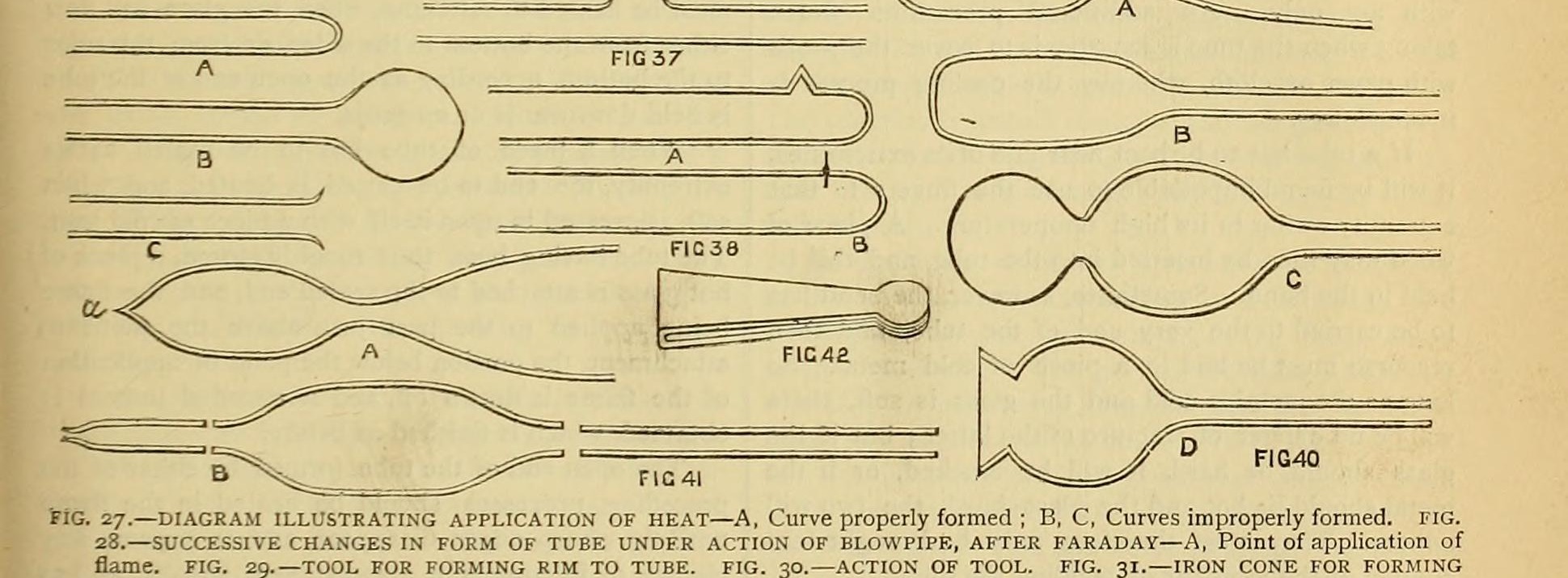


Bulb Pipette Blown at the Lamp: a Closed Tube Drawn, Bulbed, Pierced and Joined to Two Stems (Soward, 1886)
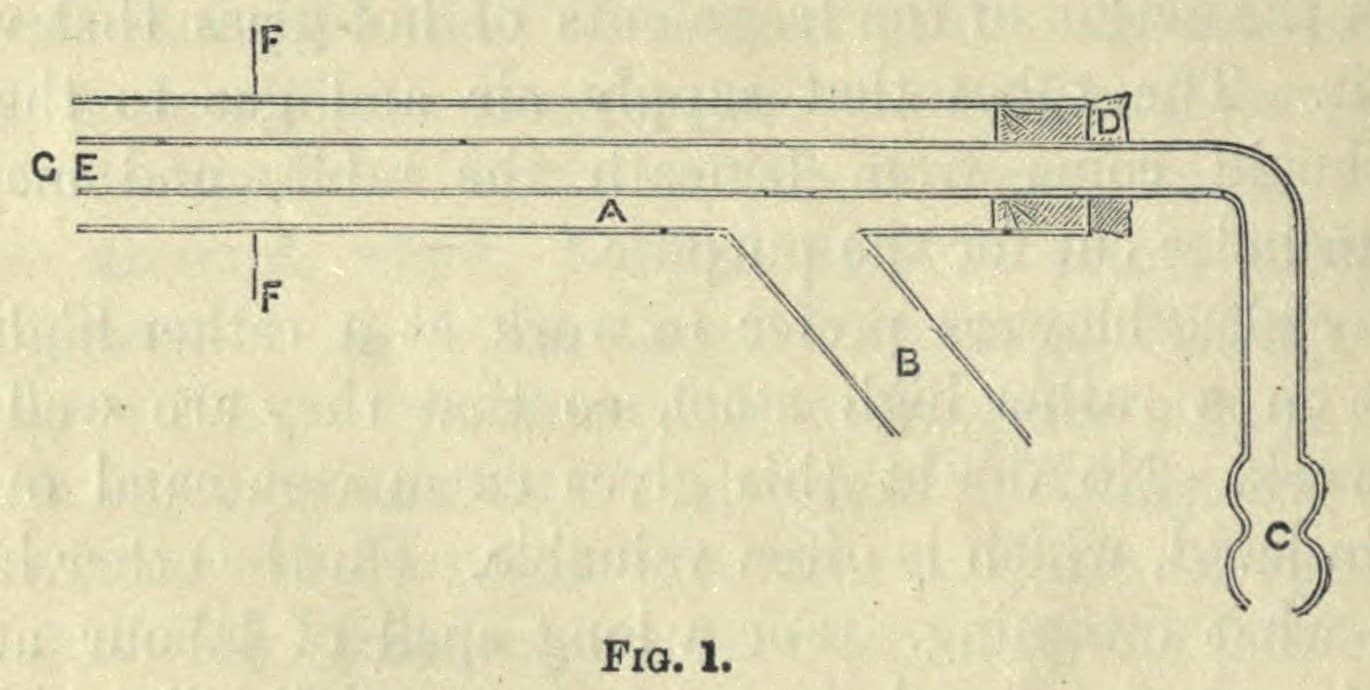
Alfred Soward's lampwork bulb pipette from Amateur Work (1886), made like his thistle funnel: a 3/8 in. bore tube closed and drawn down onto a 1/8 in. stem, blown into a bulb, a thin second bulb blown and broken off the far side to leave a short neck, and a second stem drawn to a fine capillary tip joined on.
Zaawansowany
An hour once the basic operations are mastered
Instrukcje
1
1
Read Soward
Read Soward
"To make a pipette the process is very similar." (to the thistle funnel)
2
2
Prepare the tubes
Prepare the tubes
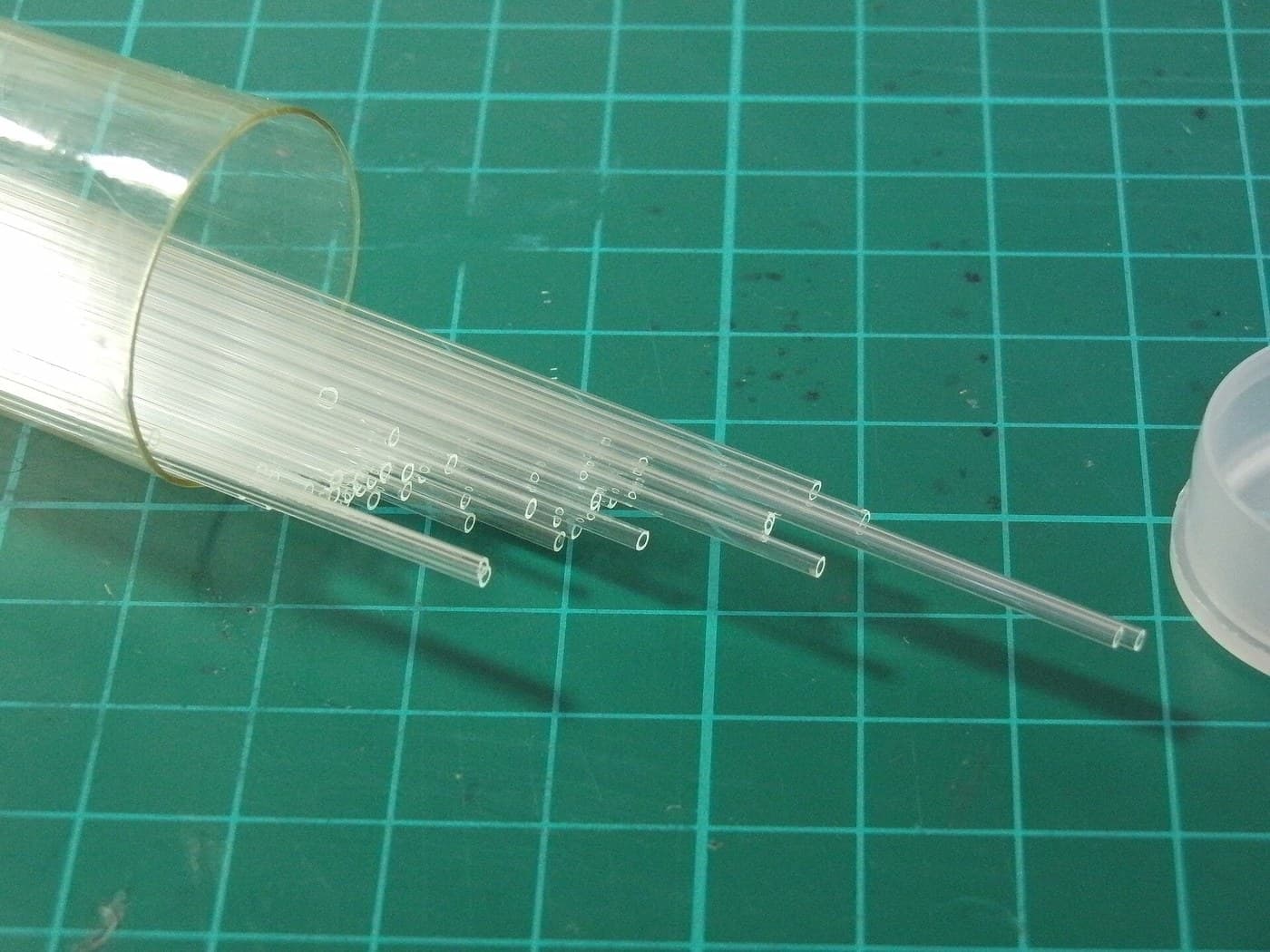
Take glass tube of about 1/8 in. (3 mm) bore for the stems and about 3/8 in. (10 mm) bore for the bulb. Close the wide tube at one end in the form of his fig. 41 A, then soften it about an inch from the end and draw it down to the small tube's diameter.
Materiały do tego kroku:
 Rurka szklana1 sztuka
Potrzebne narzędzia:
 Palnik Bunsena
 Piszczel hutnika szkła
3
3
Join the first stem
Join the first stem
Cut the drawn, flask-shaped piece off with a file and fuse it to a length of the narrow tube: soften both ends, press them together, pull gently to reduce the thickened joint, and blow a gentle stream of air in.
Materiały do tego kroku:
Rurka szklana1 sztukaPotrzebne narzędzia:
 Pilniki (pilnik ręczny)Palnik BunsenaPiszczel hutnika szkła
4
4
Blow the bulb
Blow the bulb
Soften the flask part and blow it into a bulb through the stem.
Potrzebne narzędzia:
Palnik BunsenaPiszczel hutnika szkła5
5
Open the far end
Open the far end
Play the flame on the point opposite the stem (A in fig. 41) and blow a very thin second bulb with a strong blast. Break it away: it leaves a small projecting tube (B).
Potrzebne narzędzia:
Palnik BunsenaPiszczel hutnika szkła6
6
Draw and join the tip
Draw and join the tip
Draw a second piece of narrow tube to a capillary end: thicken it in the flame, pull the hands apart, cut with a file and hold the cut end a moment in the flame. Join this stem to the projecting tube as before.
Materiały do tego kroku:
Rurka szklana1 sztukaPotrzebne narzędzia:
Pilniki (pilnik ręczny)Palnik BunsenaPiszczel hutnika szkła7
7
Troubleshooting
Troubleshooting
Pipette troubleshooting.
Flow
Loading...
8
8
History and honest limits
History and honest limits
From Alfred W. Soward, "Glass-Blowing for Amateurs" IV, **Amateur Work, Illustrated**, vol. V (1886), pp. 173-176, figs. 39-41 (checked on the archive.org scan amateurworkillus05lond). He gives no volume or graduation: calibrate it by weighing water if you need one (see the graduated-pipette blueprint). Metric figures are ours.
Według tego planu powstaje

Powiązane blueprinty
Te blueprinty dzielą się wiedzą — technikami, materiałami lub zasadami

CC0 Domena publiczna
Ten plan jest udostępniany na licencji CC0. Możesz go swobodnie kopiować, modyfikować, rozpowszechniać i wykorzystywać do dowolnych celów, bez konieczności uzyskiwania zgody.
Wesprzyj Makera kupując produkty przez jego plan, za co zarabia Prowizja Makera ustalony przez sprzedawców, lub stwórz nową iterację tego planu i dołącz go jako połączenie w swoim własnym planie, aby dzielić się przychodami.