SZTUKA
Piękno i dobre samopoczucie
RZEMIOSŁO
KULTURA I HISTORIA
ROZRYWKA
ŚRODOWISKO
JEDZENIE I NAPOJE
INŻYNIERIA ODWROTNA
NAUKI
LEKKOATLETYKA
TECHNOLOGIA
URZĄDZENIA DO NOSZENIA
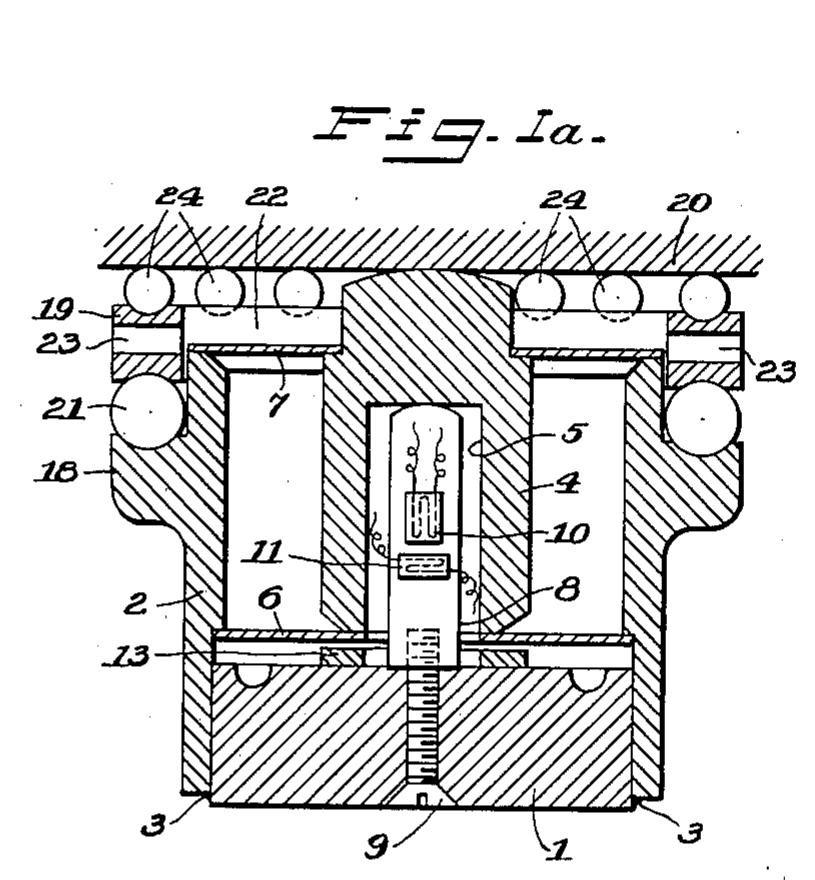


Strain-Gauge Load Cell with Floating Piston: Ruge, 1949
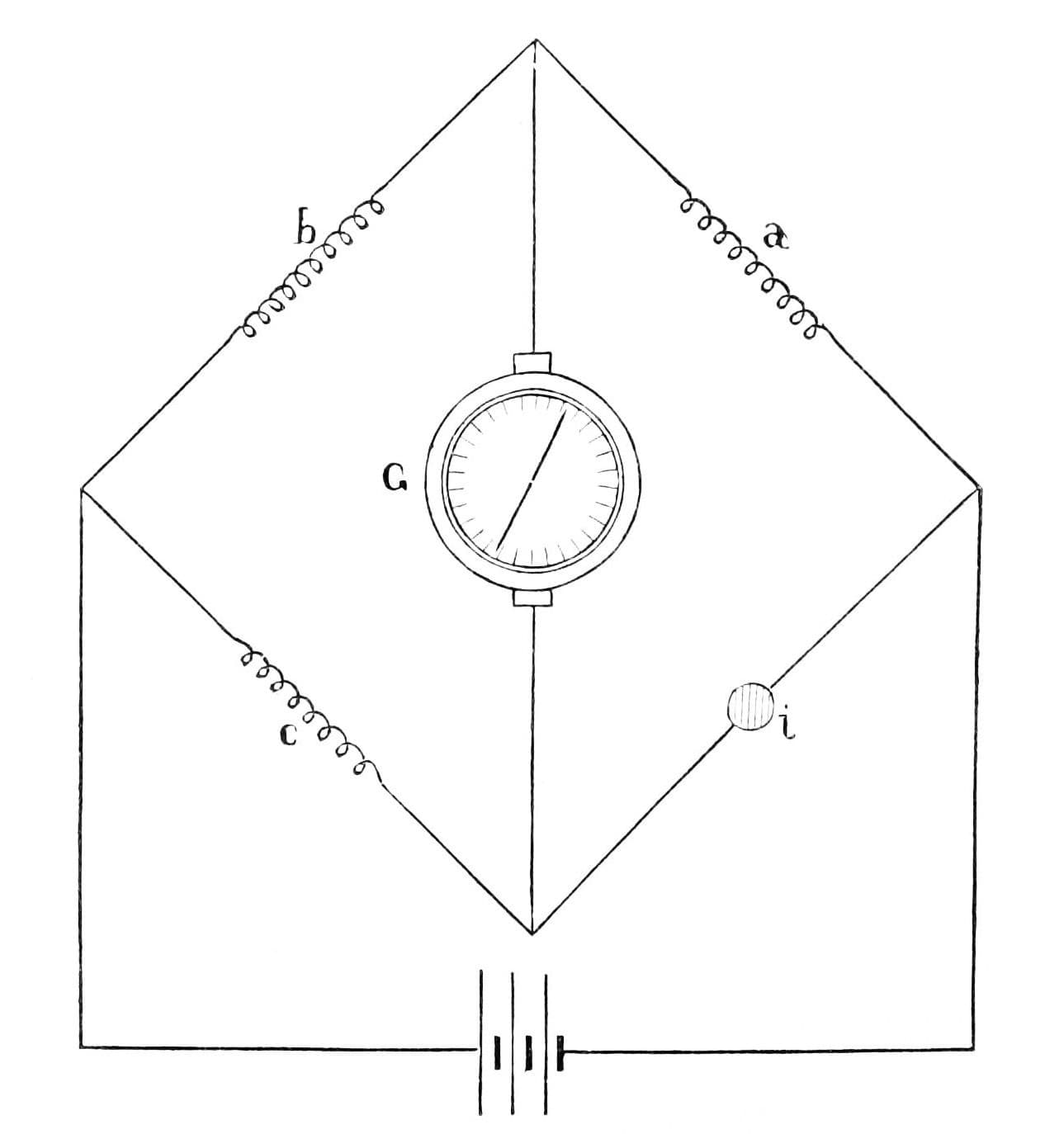
Arthur C. Ruge of Cambridge, Massachusetts, one of the two inventors of the bonded wire strain gauge, patented this load weighing cell in 1949, US 2,472,047 (filed 1946). Tanks, bins and scales rest on such cells so the weight of their contents can be read at any time. A floating piston, held in a heavy shell by two diaphragms, passes the load straight down onto a column carrying bonded strain gauges, so tilted, off-centre and twisting loads barely affect the reading. The gauges' change of resistance can be read on a Wheatstone bridge.
Zaawansowany
Workshop process
Instrukcje
1
1
Base and shell
Base and shell
Weld a rigid, preferably cylindrical shell to a relatively heavy base, or secure it some other way.
Materiały do tego kroku:
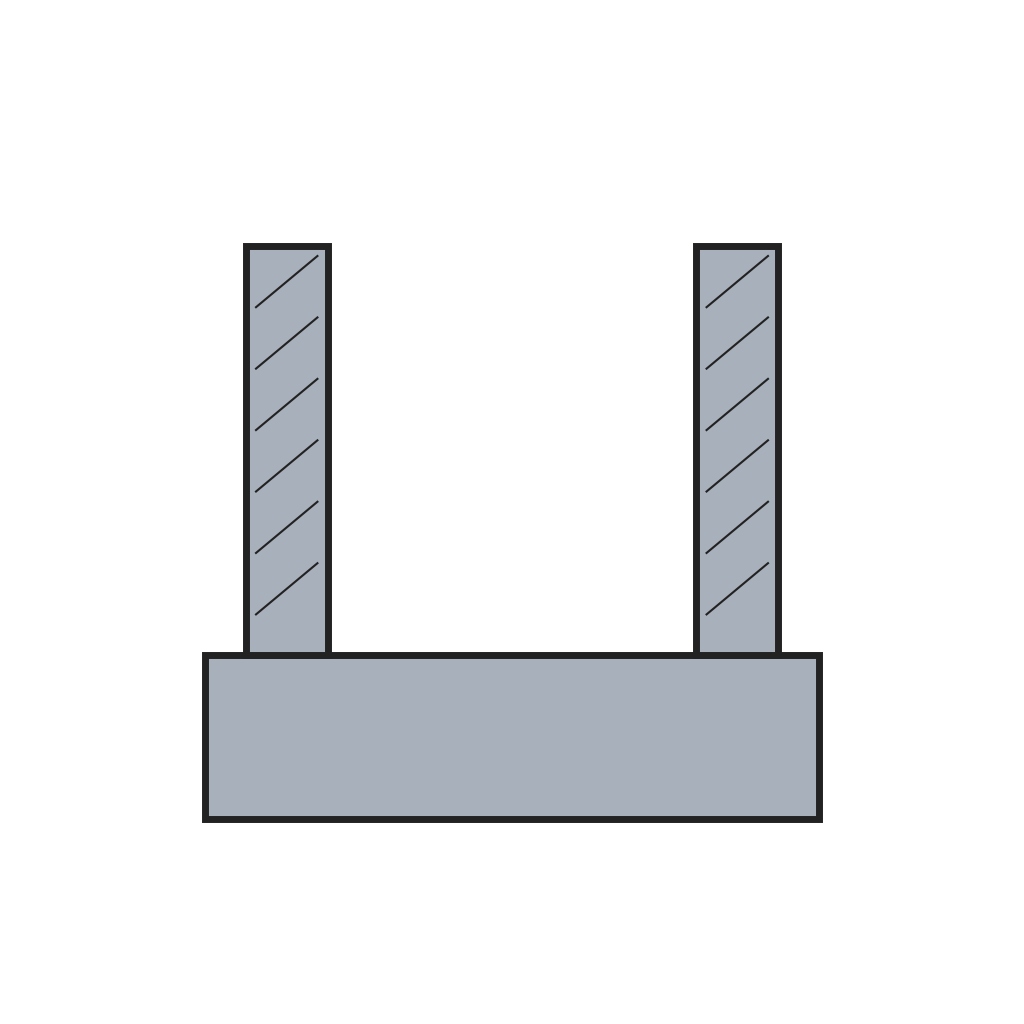 Podstawa i cylindryczna obudowa czujnika siły1 sztuka
Potrzebne narzędzia:
 Spawarka łukowa
2
2
Load column and gauges
Load column and gauges
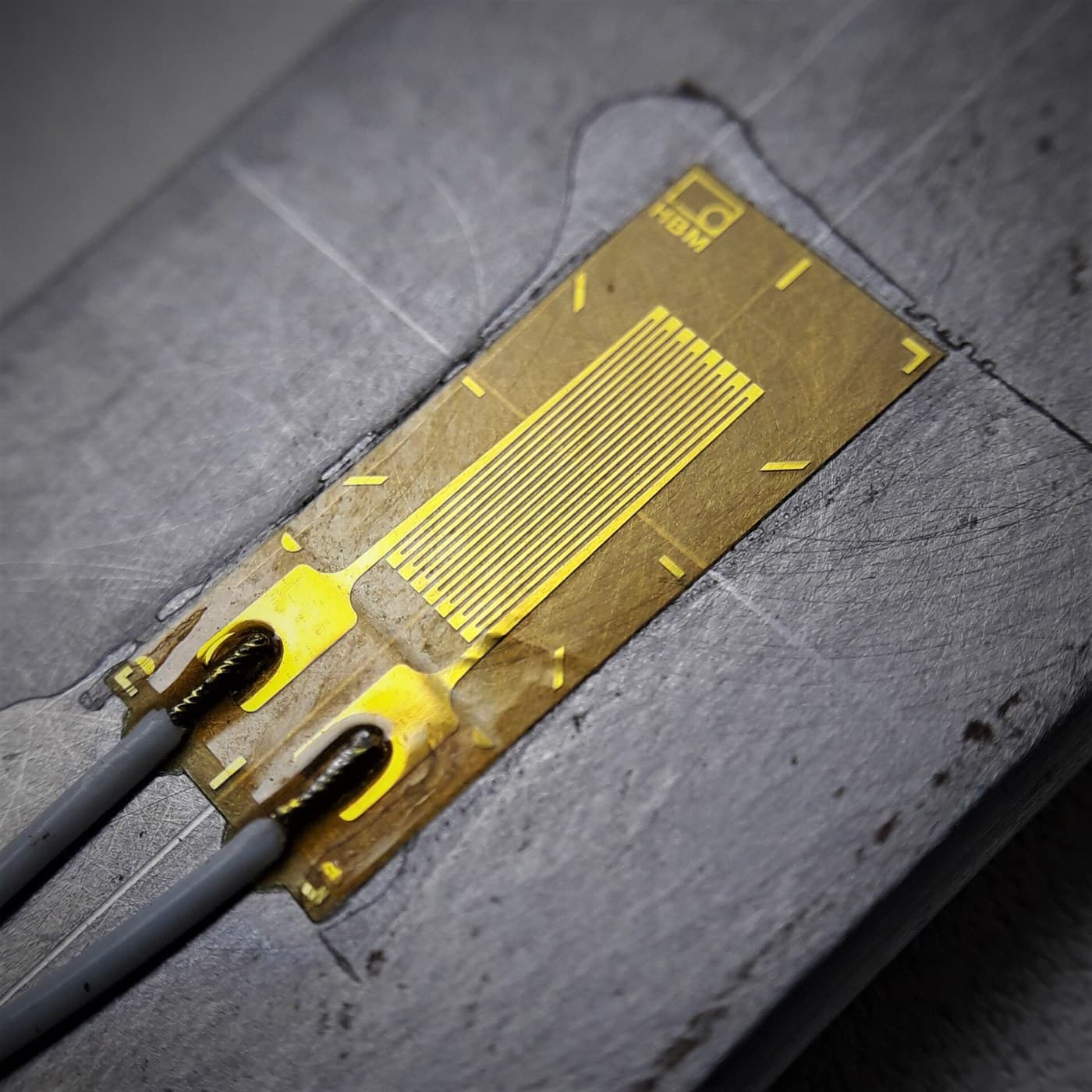
Screw the lower end of the load-sensitive column rigidly to the base; round its upper end to a half-sphere. Bond wire strain gauges to its surface at several points around it, so bending cancels out, and mount gauges of the same type crosswise for temperature compensation. The column may be round, but square, solid or hollow, makes the gauges easier to apply. Its capacity is set by its cross-section and the stiffness of its material.
Materiały do tego kroku:
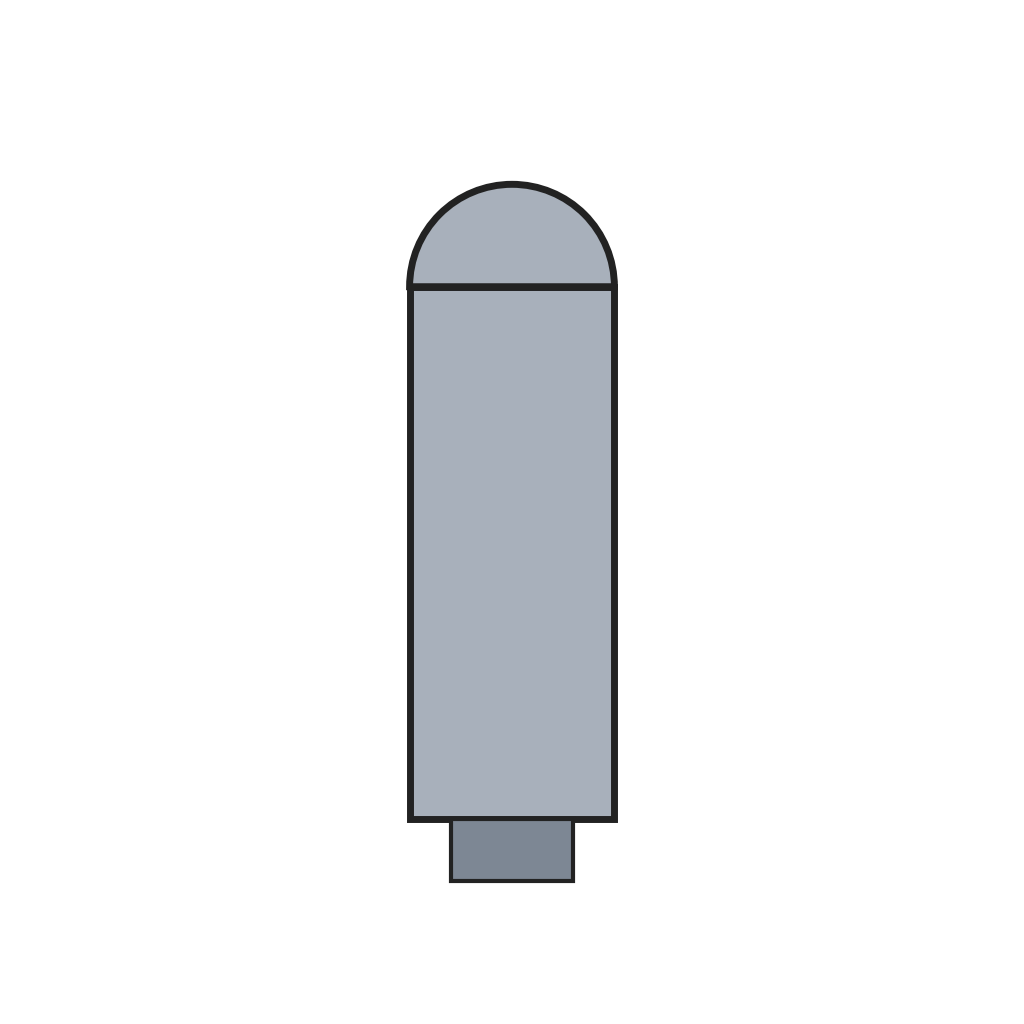 Kolumna czuła na obciążenie1 sztuka
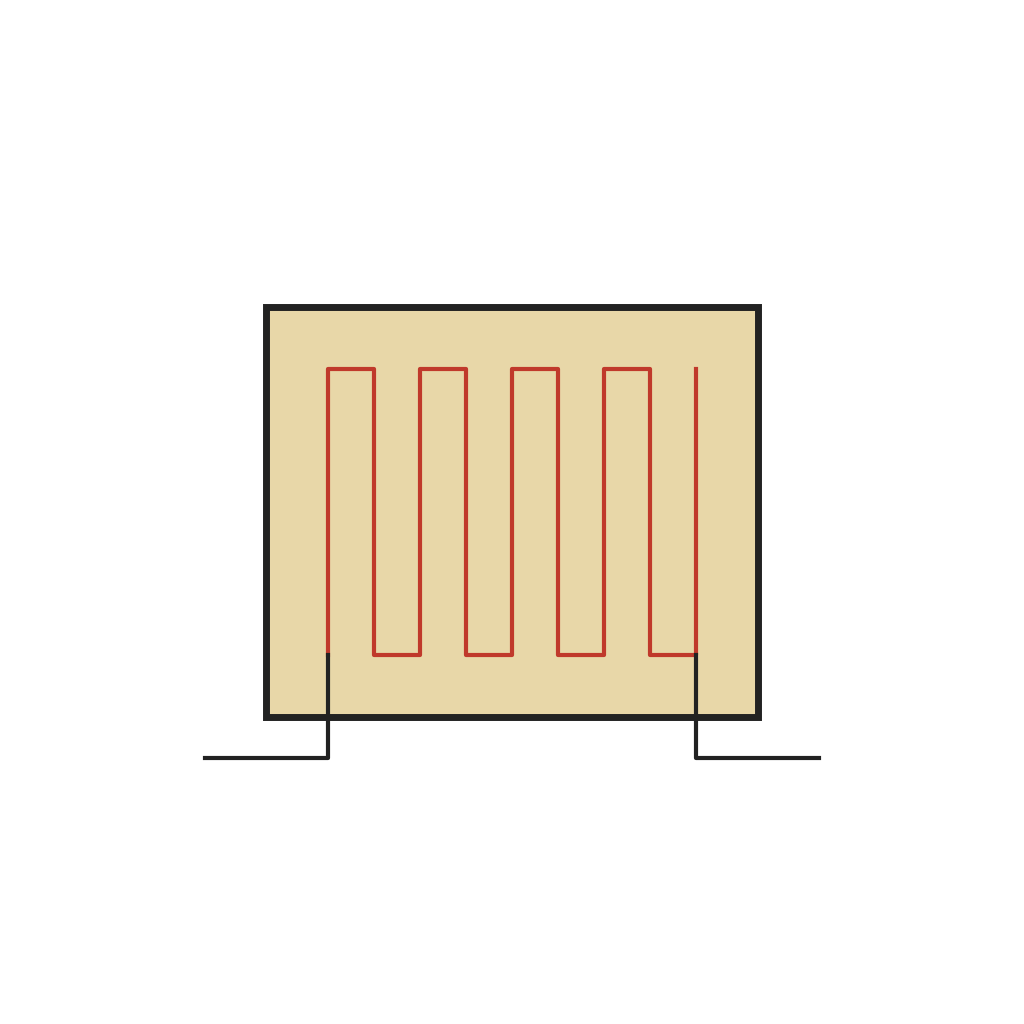 Naklejany tensometr drutowy1 zestaw
Potrzebne narzędzia:
 Zestaw wkrętaków
3
3
Floating piston
Floating piston
Bore the piston so the column reaches up inside it and its rounded end bears on the end of the bore. Centre the piston in the shell with two annular diaphragms, upper and lower, welded or brazed to piston and shell: widely spaced, they let it move freely up and down but resist side loads and off-centre loads.
Materiały do tego kroku:
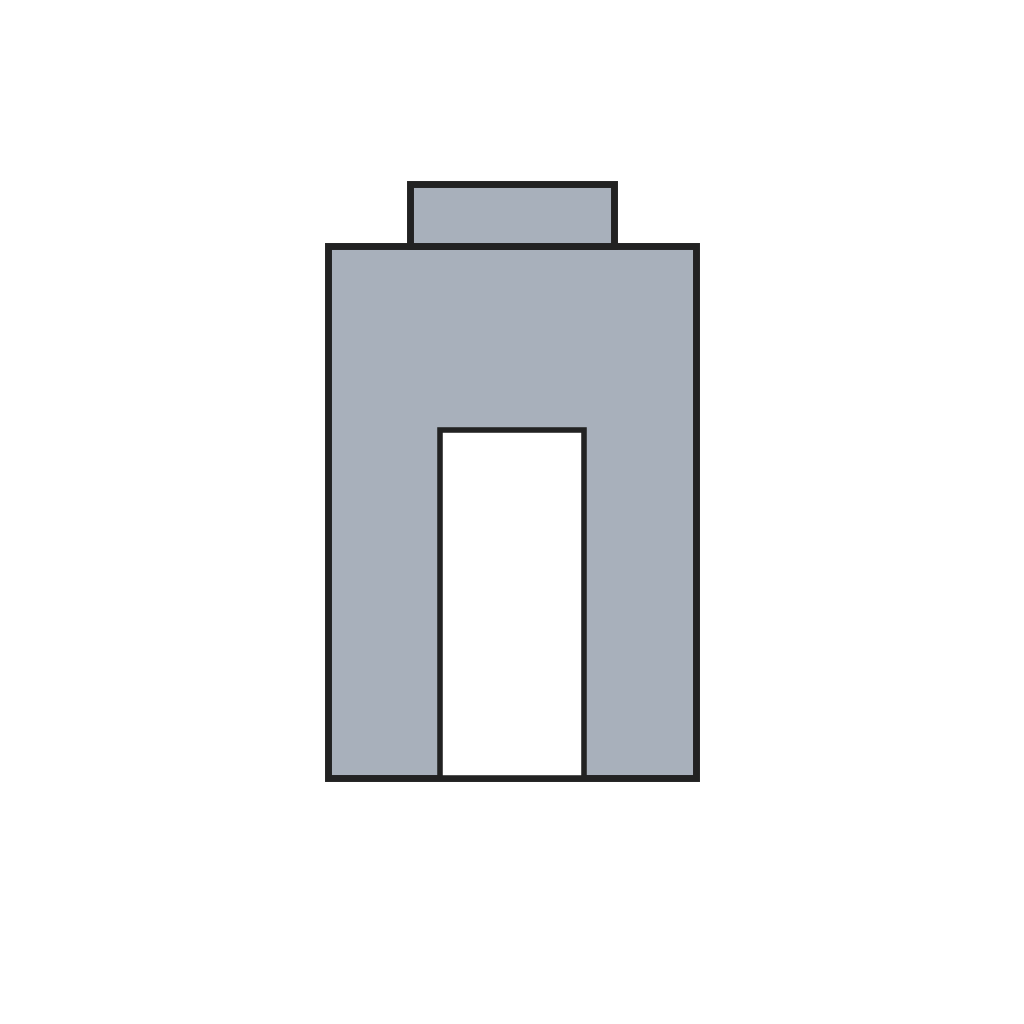 Pływający tłok obciążeniowy1 sztuka
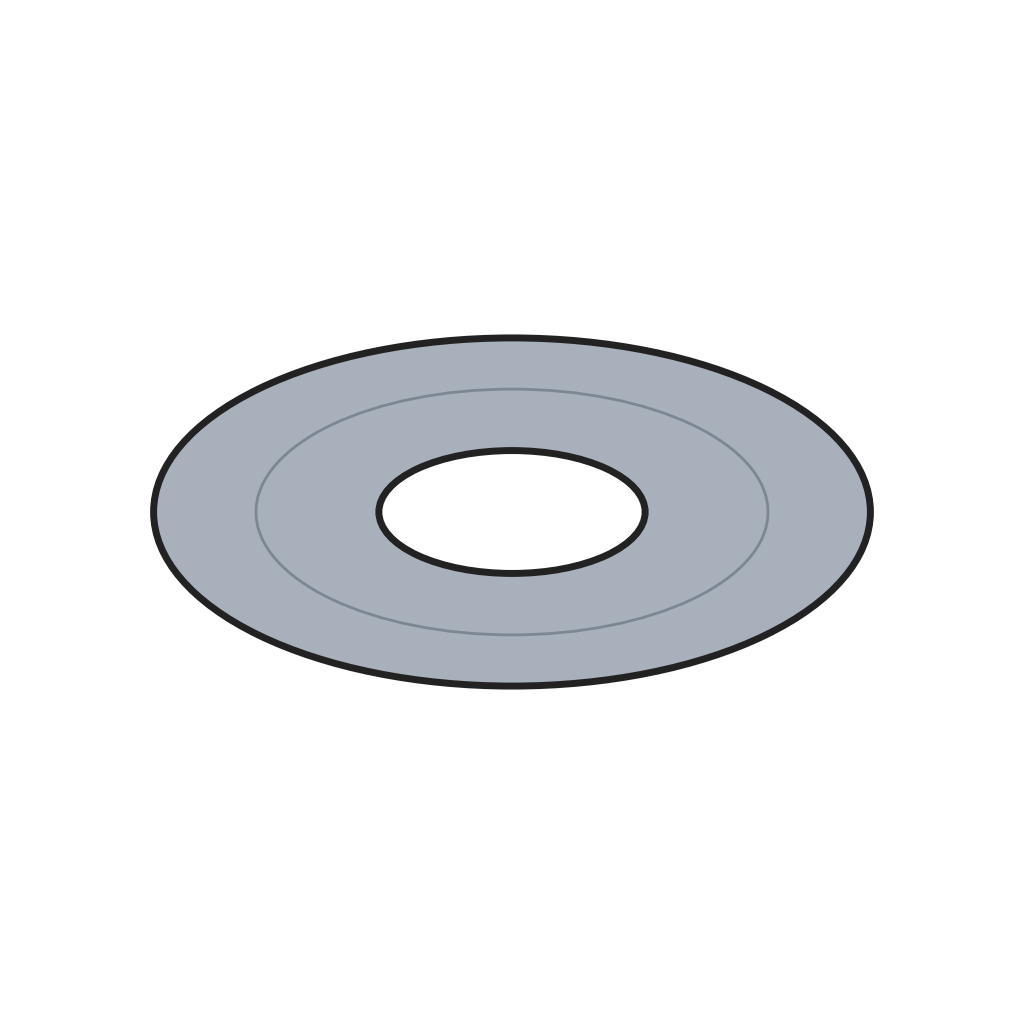 Pierścieniowa membrana prowadząca2 sztuk
Potrzebne narzędzia:
 Tokarka do metaluSpawarka łukowa
4
4
Overload ring and leads
Overload ring and leads
Set a safety ring under the piston with a small clearance: past a safe load, the piston lands on it and the excess goes straight to the base. Bring the gauge leads down through a hole in the ring and out through the lower diaphragm to an external cable. The gauges may be wired as a Wheatstone bridge. The cell can be sealed all round by brazing, or potted.
Materiały do tego kroku:
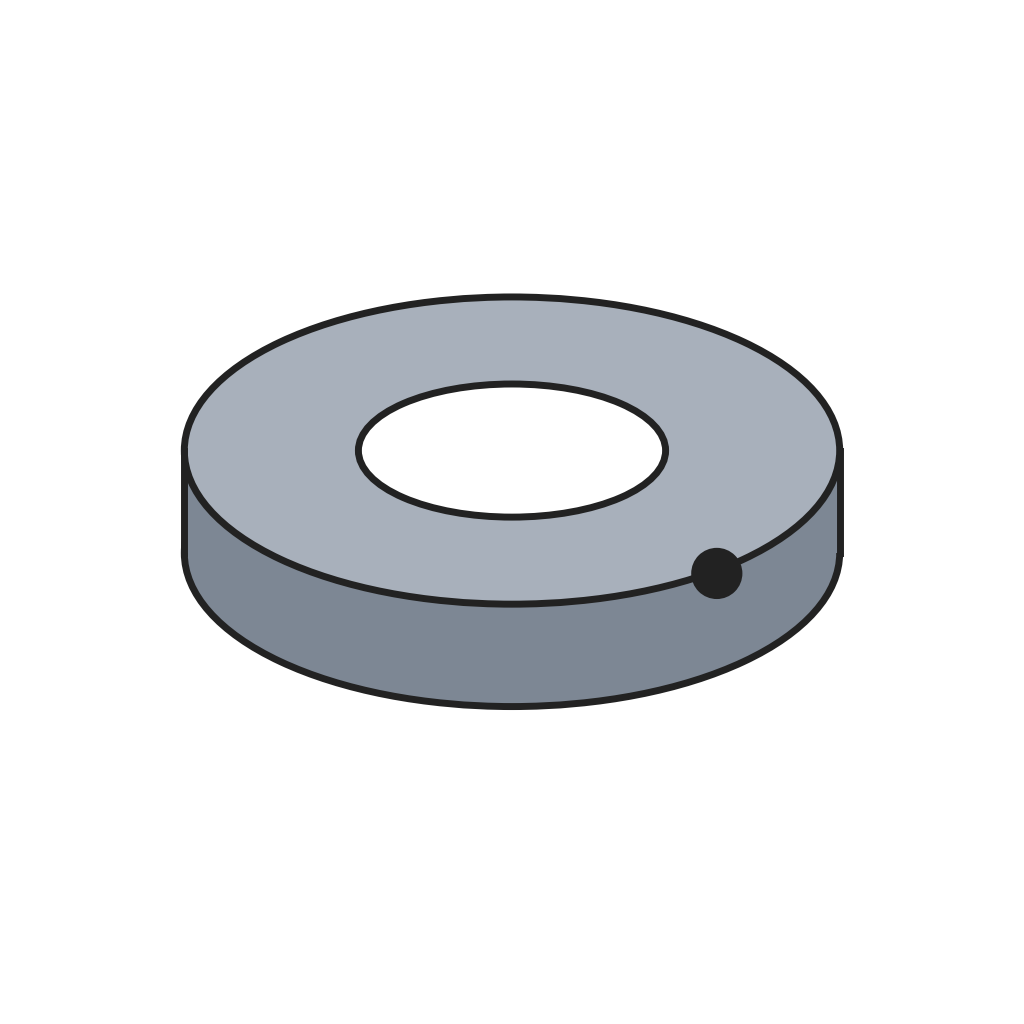 Pierścień zabezpieczający przed przeciążeniem1 sztuka
 Kabel wielożyłowy1 sztuka
 Drut lutowniczy1 as required
Potrzebne narzędzia:
 Lutownica elektryczna
 Ściągacz izolacji
5
5
Zero check
Zero check
To read the zero without moving the tank, seat a fixed ball race on top of the shell and a turning race above it, with balls between on a slightly inclined cam surface and a second row of balls under the loaded surface. Turning the upper race with a bar or spanner lifts the load a few thousandths of an inch off the piston; read the bridge, then turn it back.
Materiały do tego kroku:
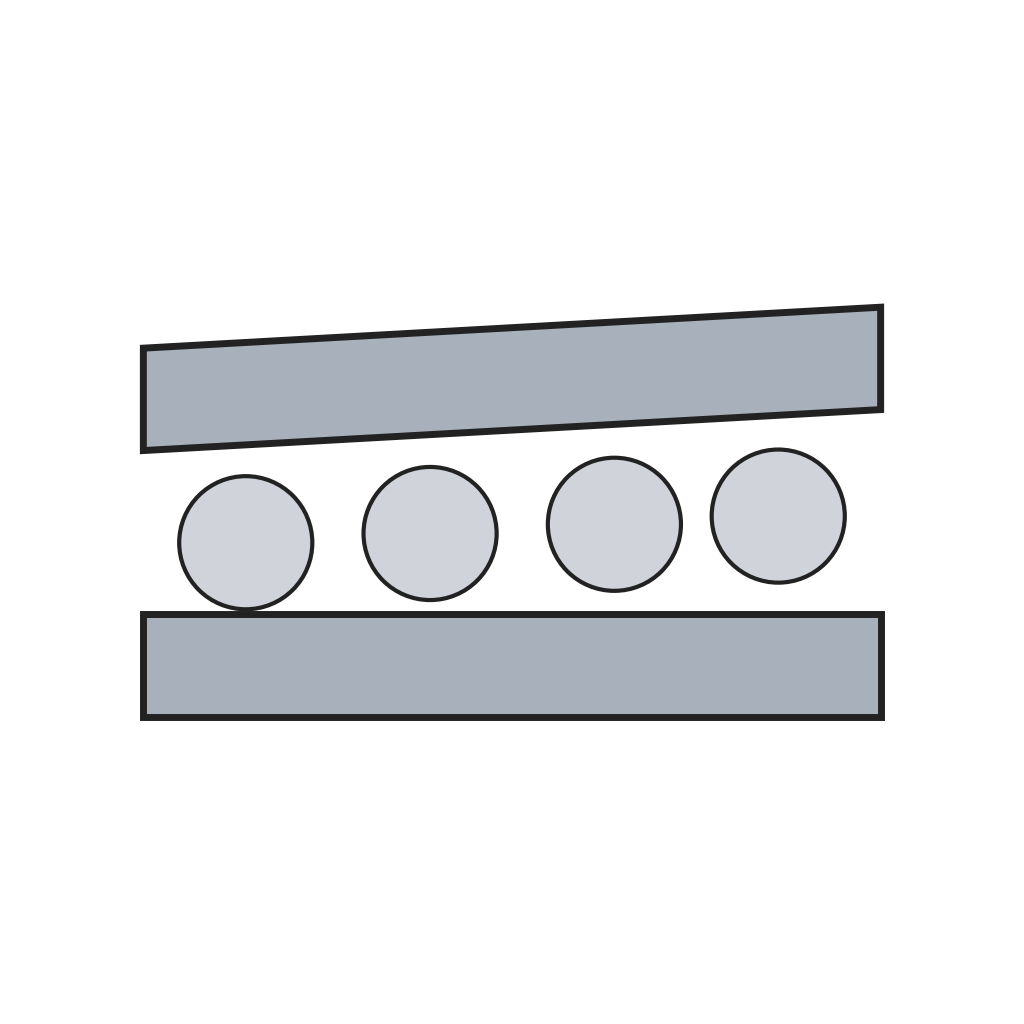 Para krzywkowych bieżni kulkowych1 sztuka
 Łożyska kulkowe stalowe1 zestaw
Potrzebne narzędzia:
 Klucz nastawny
Materiały
10- Zastępnik
- 1 sztukaZastępnik
- 1 zestawZastępnik
- 1 sztukaZastępnik
- Zastępnik
- Zastępnik
- 1 sztukaZastępnik
- 1 as requiredZastępnik
- Zastępnik
- 1 zestawZastępnik
Wymagane narzędzia
6- Zastępnik
- Zastępnik
- Zastępnik
- Zastępnik
- Zastępnik
- Zastępnik
Według tego planu powstaje
Powiązane blueprinty
Te blueprinty dzielą się wiedzą — technikami, materiałami lub zasadami

CC0 Domena publiczna
Ten plan jest udostępniany na licencji CC0. Możesz go swobodnie kopiować, modyfikować, rozpowszechniać i wykorzystywać do dowolnych celów, bez konieczności uzyskiwania zgody.
Wesprzyj Makera kupując produkty przez jego plan, za co zarabia Prowizja Makera ustalony przez sprzedawców, lub stwórz nową iterację tego planu i dołącz go jako połączenie w swoim własnym planie, aby dzielić się przychodami.