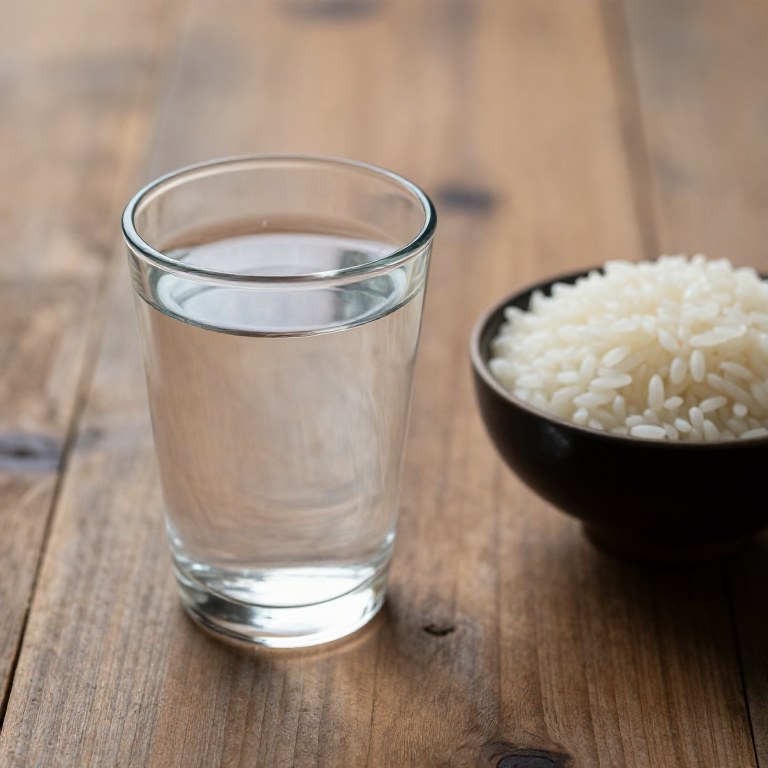

Arrack (Spirit of Rice): Rice Flour Gelatinised, Saccharified with Malt, Fermented and Distilled (Byrn, 1868)
Инструкции
Read Byrn, and the law
Read Byrn, and the law
The still
The still
His measures in metric
His measures in metric
Grind rice and malt fine
Grind rice and malt fine
Материалы для этого шага:
 Белый рис1 as required
 Светлый солод1 as required
Необходимые инструменты:
 Вальцовая мельница для зерна
Rice and water, 77-80 F
Rice and water, 77-80 F
Материалы для этого шага:
 Вода1 as required
Необходимые инструменты:
 Деревянная кадка
 Деревянная ложка
 Кухонный термометр
Steep the malt apart
Steep the malt apart
Материалы для этого шага:
Вода1 as requiredНеобходимые инструменты:
 Большая кастрюляКухонный термометр
Thicken to 180 F
Thicken to 180 F
Материалы для этого шага:
Вода1 as requiredНеобходимые инструменты:
Большая кастрюляДеревянная ложкаКухонный термометрMash in the malt
Mash in the malt
Необходимые инструменты:
Деревянная кадкаДеревянная ложкаThin and cool
Thin and cool
Материалы для этого шага:
Вода1 as requiredНеобходимые инструменты:
 АреометрКухонный термометр
Ferment as for corn
Ferment as for corn
Материалы для этого шага:
 Пивные дрожжи1 as required
Необходимые инструменты:
 Деревянная бочкаКухонный термометр
Charge and lute the still
Charge and lute the still
Материалы для этого шага:
 Карбонат кальция (мел молотый)1 as required
 Ржаная мука1 as requiredВода1 as required
Необходимые инструменты:
 Дистиллятор
Raise the fire by degrees
Raise the fire by degrees
Необходимые инструменты:
Дистиллятор Тканое шерстяное одеяло
Set aside the first runnings
Set aside the first runnings
Необходимые инструменты:
 Мерный кувшин
Run the low wines
Run the low wines
Необходимые инструменты:
Дистиллятор СвечаДеревянная бочкаАреометр
Double the low wines
Double the low wines
Необходимые инструменты:
ДистилляторCut at the bead
Cut at the bead
Необходимые инструменты:
 Стеклянный флакон (малый, для образцов)Мерный кувшин
Collect the feints, stop the fire
Collect the feints, stop the fire
Необходимые инструменты:
Деревянная бочкаСвечаBring to proof
Bring to proof
Материалы для этого шага:
Вода1 as requiredНеобходимые инструменты:
АреометрМерный кувшинRedistil the feints
Redistil the feints
Материалы для этого шага:
 Соль1.8 кг
Необходимые инструменты:
ДистилляторKeep it in glass
Keep it in glass
Материалы для этого шага:
 Стеклянные бутылки с пробками1 штука
Необходимые инструменты:
Мерный кувшинTroubleshooting
Troubleshooting
Flow
History and honest limits
History and honest limits
Материалы
8- 1 as requiredЗаполнитель
- 1 as requiredЗаполнитель
- 6 as requiredЗаполнитель
- 1 as requiredЗаполнитель
- 1 as requiredЗаполнитель
- 1 as requiredЗаполнитель
- 1.8 кгЗаполнитель
- Заполнитель
Требуемые инструменты
12- Заполнитель
- Заполнитель
- Заполнитель
- Заполнитель
- Заполнитель
- Заполнитель
- Заполнитель
- Заполнитель
- Заполнитель
- Заполнитель
- Заполнитель
- Заполнитель
Материалы из связанных чертежей


По этому чертежу делают
Связанные чертежи
Эти чертежи делятся знаниями — техники, материалы или принципы
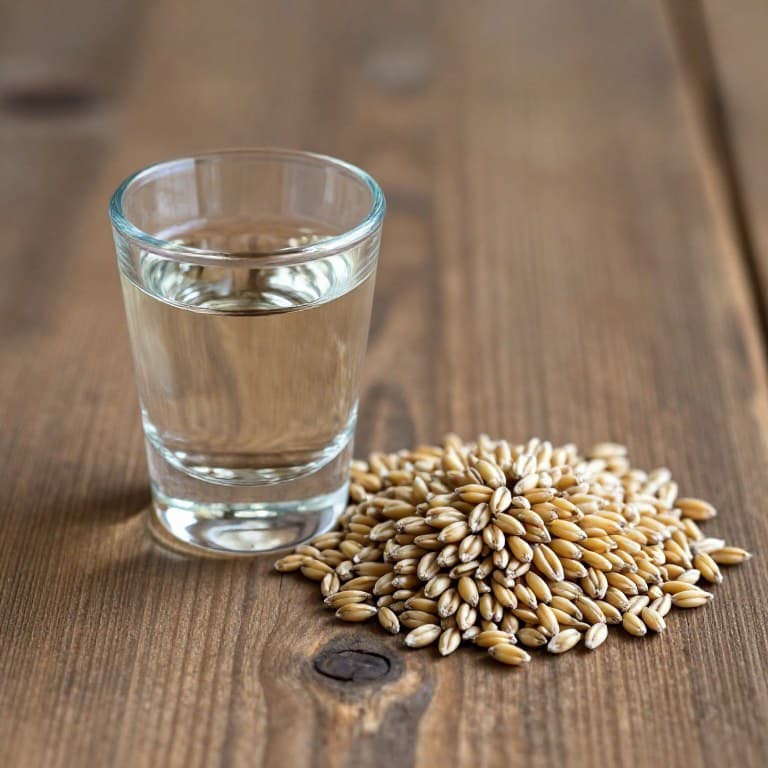
Malt Whisky: Malt and Barley Meal Mashed at 150 F, Fermented 8 to 12 Days and Distilled (Byrn, 1868)
от Alchometer
Алкогольные напитки
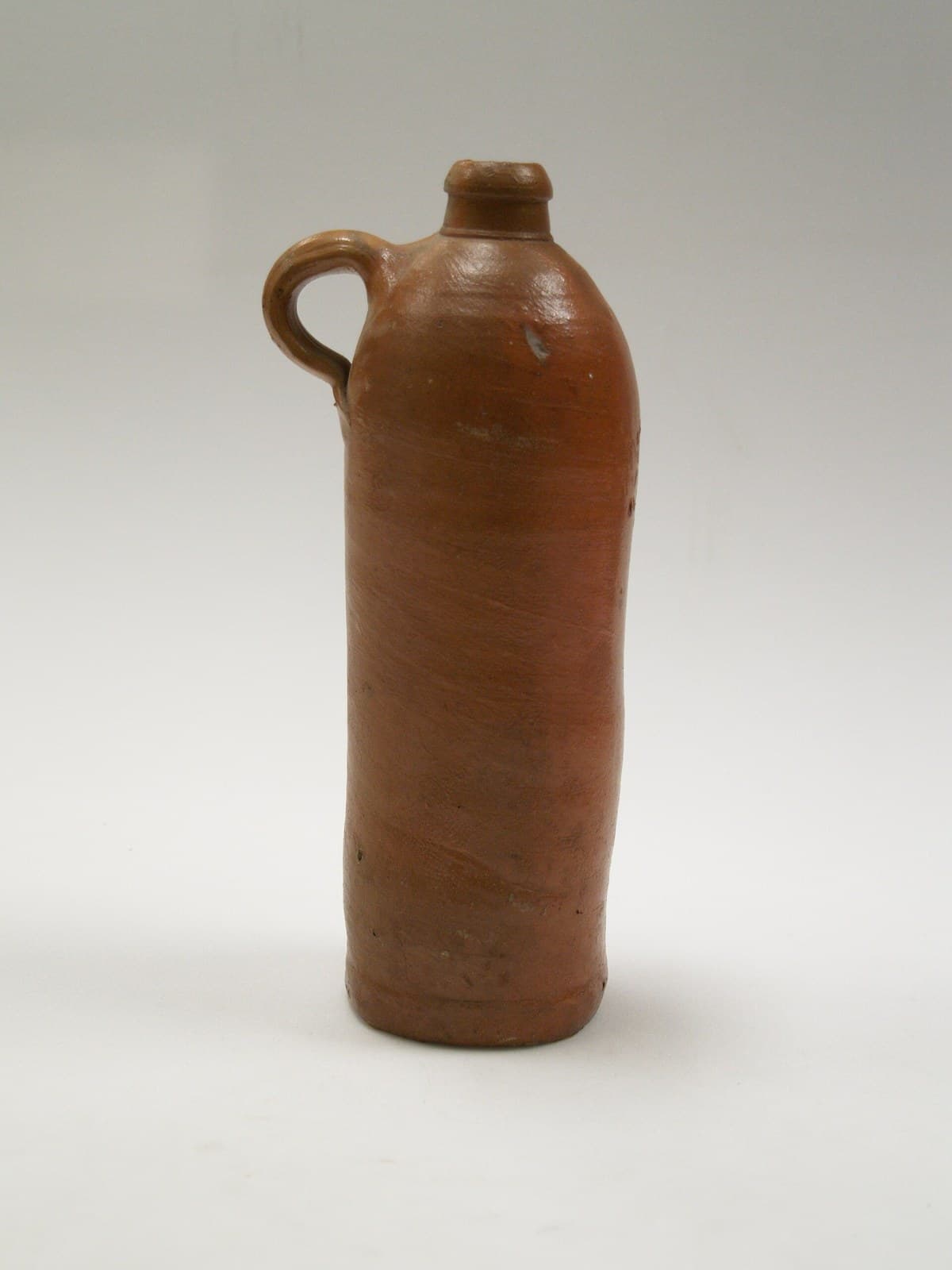
Dutch Geneva (Genever): Malt and Rye Mashed at 162 F, Distilled Three Times with Juniper and Hops (Byrn, 1868)
от Alchometer
Алкогольные напитки
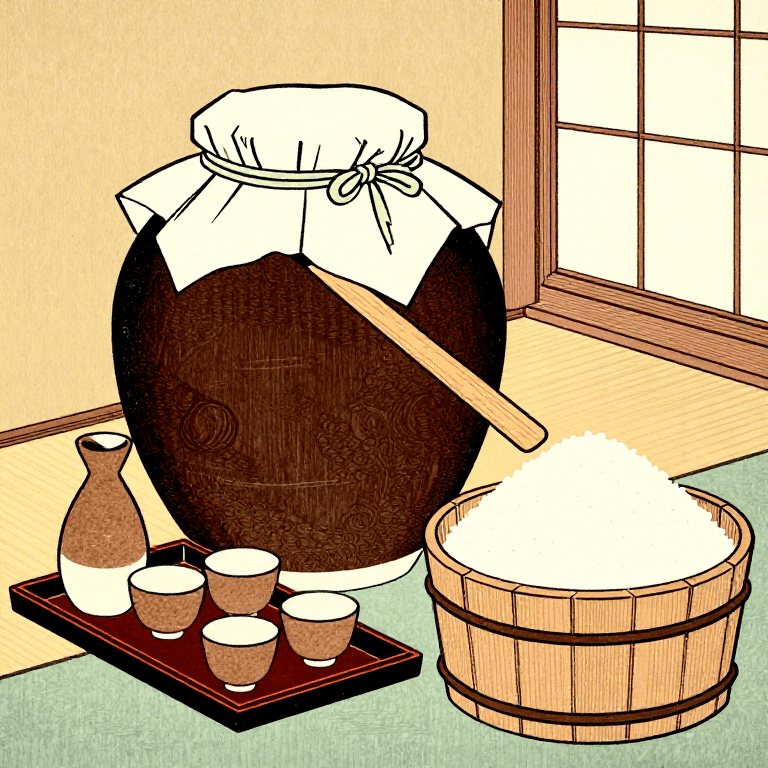
Brewing Sake Rice Wine — Parallel Fermentation with Koji
от Alchometer
Пивоварение
CC0 Общественное достояние
Этот чертёж выпущен под лицензией CC0. Вы можете свободно копировать, изменять, распространять и использовать эту работу в любых целях без запроса разрешения.
Поддержите мейкера, покупая товары через его чертёж, где он получает Комиссию мейкера установленную продавцами, или создайте новую итерацию этого чертежа и включите его как связь в свой чертёж для распределения дохода.