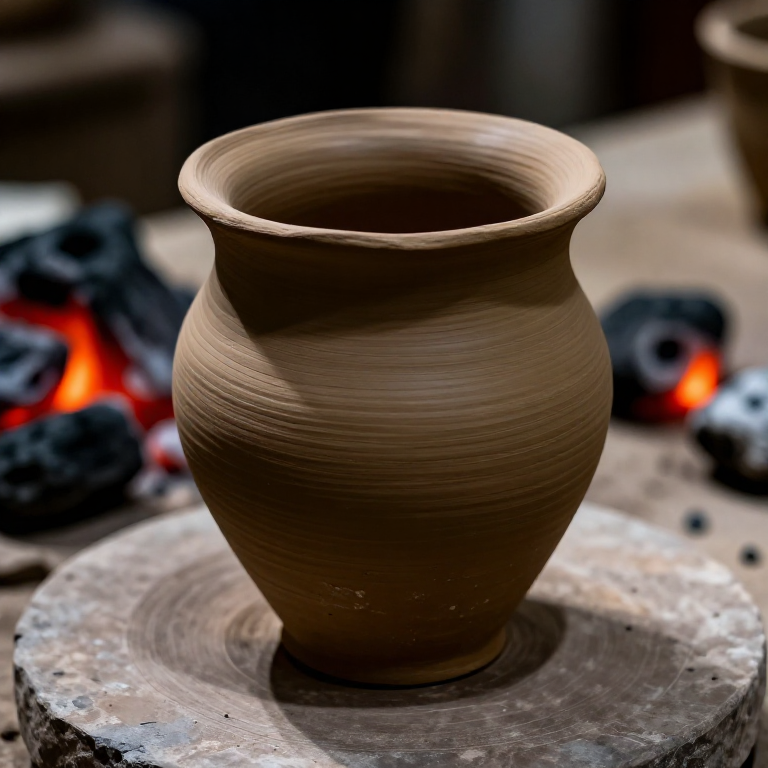


Making a Clay Crucible for Smelting — The Vessel That Holds Molten Metal
The clay crucible is the most essential tool in early metallurgy — a hand-formed vessel of refractory clay and grog that can withstand the 1,100 °C temperatures needed to melt copper and bronze. Without it, smelting is impossible.
This blueprint follows the Bronze Age method of mixing local clay with crushed pottery (grog) to create a thermal-shock-resistant vessel. The grog opens the clay body, allowing steam to escape during firing instead of shattering the crucible. The thick walls and tapered form channel heat inward while the pouring lip allows controlled transfer of molten metal into moulds.
Every bronze tool, weapon, and ornament of the ancient world began inside a vessel like this one.
Инструкции
Collect and prepare the clay
Collect and prepare the clay
Материалы для этого шага:
 Огнеупорная глина2 кг
Crush fired pottery into grog
Crush fired pottery into grog
Материалы для этого шага:
 Шамот (измельчённая обожжённая керамика)500 г
Mix the crucible body
Mix the crucible body
Материалы для этого шага:
 Кварцевый песок200 г
 Вода500 мл
Необходимые инструменты:
 Плоская каменная плита
 Деревянная палочка для размешивания
Wedge the clay to remove air
Wedge the clay to remove air
Form the base
Form the base
Build up the walls with coils
Build up the walls with coils
Smooth and compress the walls
Smooth and compress the walls
Необходимые инструменты:
 Гладкий камень
Form the pouring lip
Form the pouring lip
Thicken the base and lower walls
Thicken the base and lower walls
Dry the crucible slowly
Dry the crucible slowly
Pre-heat near a fire
Pre-heat near a fire
Fire the crucible in a kiln
Fire the crucible in a kiln
Inspect and test
Inspect and test
Материалы
5- Заполнитель
- Заполнитель
- 200 гЗаполнитель
- 500 млЗаполнитель
- 1 штукаЗаполнитель
Требуемые инструменты
3- Заполнитель
- Заполнитель
- Заполнитель
Материалы из связанных чертежей
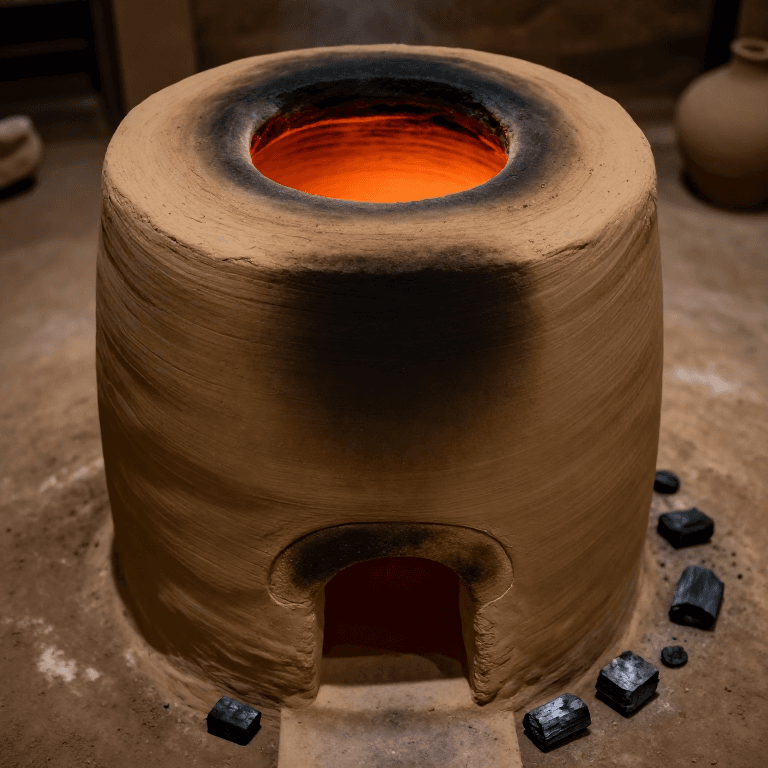
Связанные чертежи
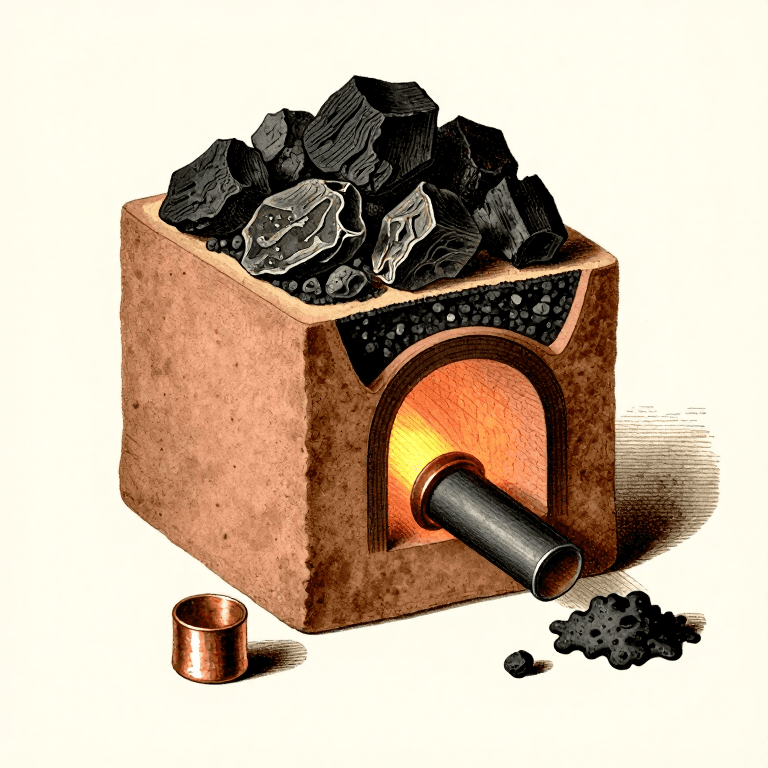
Эти чертежи делятся знаниями — техники, материалы или принципы

CC0 Общественное достояние
Этот чертёж выпущен под лицензией CC0. Вы можете свободно копировать, изменять, распространять и использовать эту работу в любых целях без запроса разрешения.
Поддержите мейкера, покупая товары через его чертёж, где он получает Комиссию мейкера установленную продавцами, или создайте новую итерацию этого чертежа и включите его как связь в свой чертёж для распределения дохода.