ИСКУССТВО
КРАСОТА И ЗДОРОВЬЕ
РЕМЕСЛО
КУЛЬТУРА И ИСТОРИЯ
РАЗВЛЕЧЕНИЯ
ЭКОЛОГИЯ
ЕДА И НАПИТКИ
ЗЕЛЁНОЕ БУДУЩЕЕ
ОБРАТНАЯ ИНЖЕНЕРИЯ
НАУКИ
СПОРТ
ТЕХНОЛОГИИ
НОСИМЫЕ УСТРОЙСТВА
Comfrey Root Poultice — Knitbone, the Ancient Remedy for Sprains and Fractures
Bob

Создано

Bob

30. май 2026BE
0
0
0
0
0

Comfrey Root Poultice — Knitbone, the Ancient Remedy for Sprains and Fractures

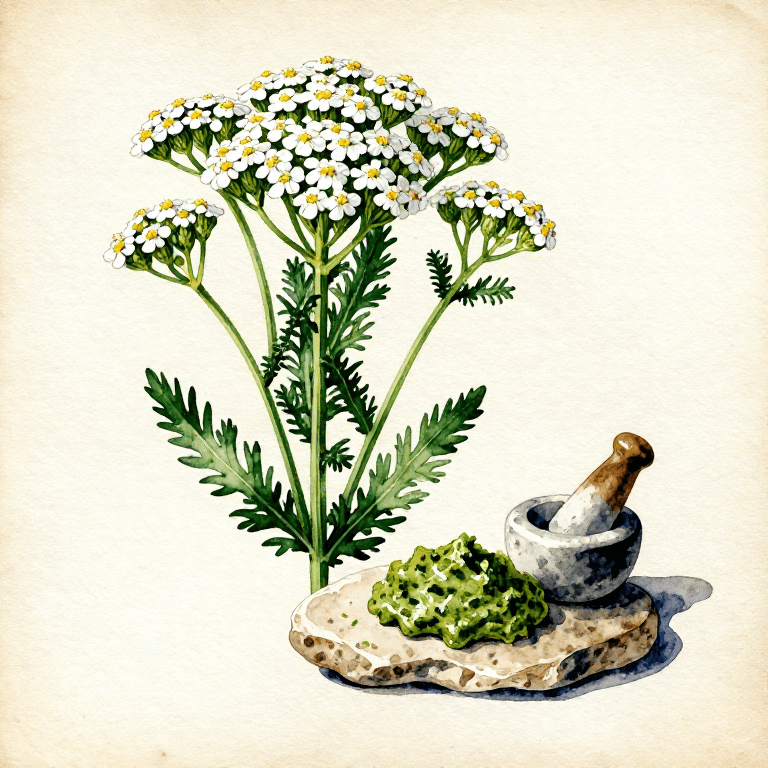
Comfrey (Symphytum officinale) has been used to heal broken bones, sprains, and bruises since at least ancient Greece — the Greek physician Dioscorides prescribed it for fractures in the first century CE, and the common name 'knitbone' reflects centuries of use for exactly that purpose. The botanical name itself comes from the Greek 'symphysis' meaning 'growing together'. The plant's extraordinary healing power comes primarily from allantoin, a compound that stimulates cell proliferation and accelerates the growth of new bone, cartilage, and connective tissue. Comfrey root contains far higher concentrations of allantoin than the leaves — up to 0.8% by dry weight. The root also contains rosmarinic acid (a potent anti-inflammatory), mucilage (which soothes and protects damaged tissue), and tannins (which reduce swelling). Comfrey is strictly for external use only — the plant contains pyrrolizidine alkaloids that are toxic to the liver when ingested. As a poultice applied to the skin over sprains, bruises, strains, and simple fractures, comfrey reduces pain and swelling and measurably accelerates healing. Clinical trials published in the journal Phytomedicine have confirmed that comfrey root extract reduces ankle sprain healing time by several days compared to placebo.

Начинающий
30-60 minutes

Инструкции

1

Identify comfrey in the field

Comfrey (Symphytum officinale) is a robust perennial growing 60-120 cm tall with large, rough, hairy leaves that feel like sandpaper. The leaves are broad and lance-shaped, up to 25 cm long, with prominent veins that run from the midrib to the leaf margin. The stems are thick, hollow, and covered in stiff bristly hairs. The flowers hang in curved clusters (scorpioid cymes) and are tubular, typically purple, blue, or cream-white. The key identification feature is the 'winged stem' — the leaf bases run down the stem as flat ridges, giving the stem a distinctive flanged appearance. Comfrey grows in damp meadows, stream banks, ditches, and rich soil across Europe and western Asia.
2

Harvest the root

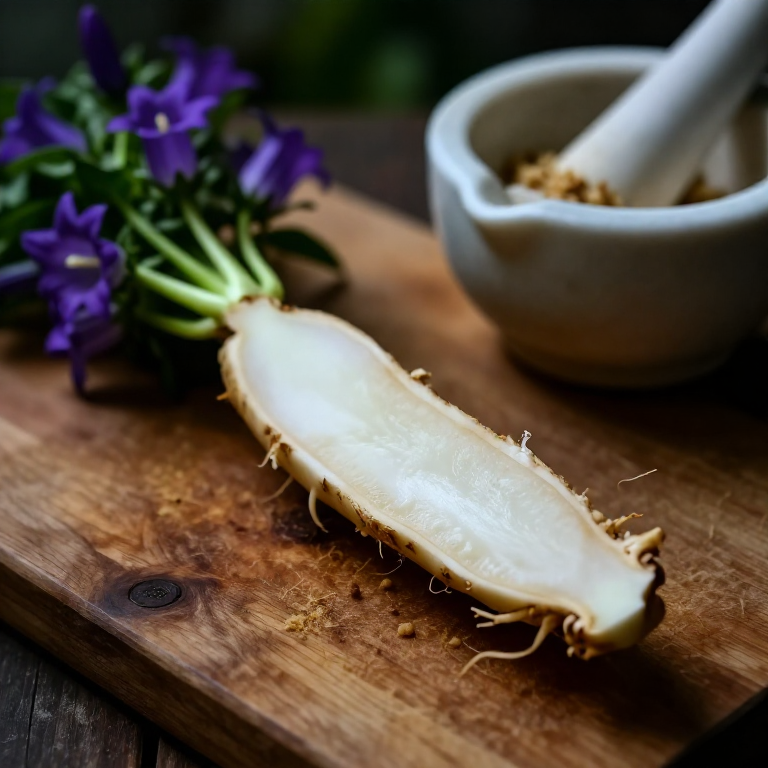
The root is the most potent part of the plant — containing three to four times more allantoin than the leaves. Dig around the base of the plant with a sturdy digging stick or spade and extract the root system. Comfrey has a thick, fleshy taproot that is black-brown on the outside and white and mucilaginous when cut. The root is extremely brittle when fresh and breaks easily. Harvest roots in autumn or early spring when the allantoin concentration is highest — the plant stores energy in the root during dormancy. Even a small root fragment left in the ground will regrow into a new plant.

Необходимые инструменты:

Sharp KnifeSharp Knife
3

Clean and prepare the root

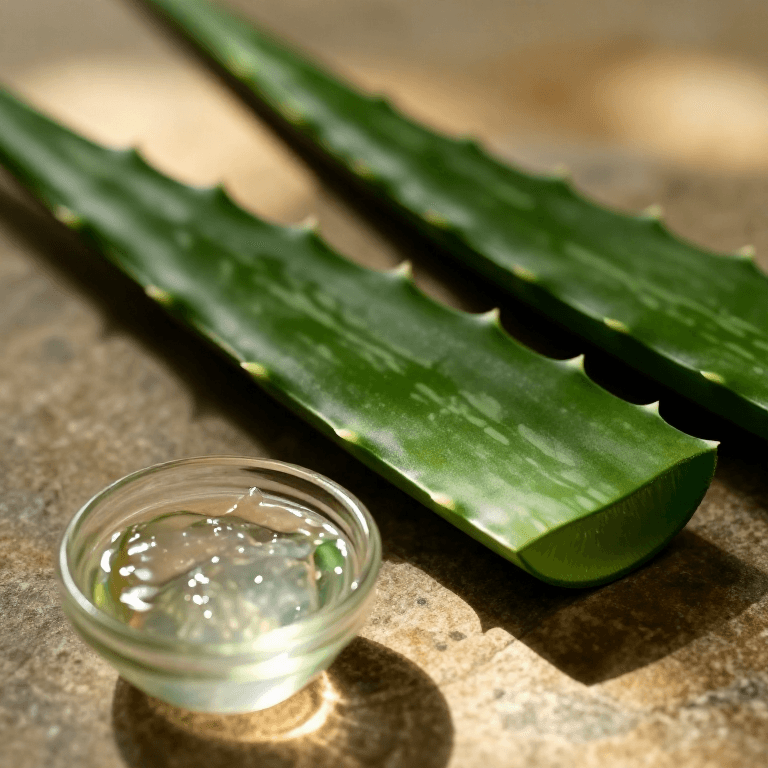
Wash the harvested root thoroughly under clean water to remove soil. Scrub gently with your fingers — the outer bark is thin and peels easily. Cut the root into small pieces or slices to expose the white interior. The inside of the root is extremely mucilaginous — when you cut or grate it, it produces a thick, slimy gel similar to aloe vera. This mucilage is part of the medicine: it acts as a natural carrier that holds the allantoin and rosmarinic acid against the skin.

Материалы для этого шага:

Clean WaterClean Water250 мл
4

Grate or pound the root into a pulp

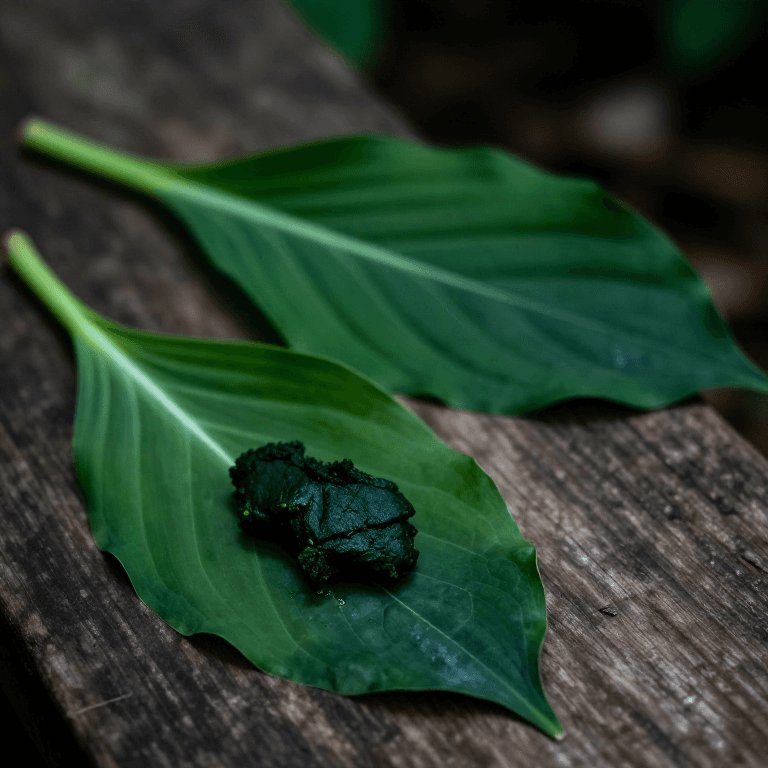
Grate the cleaned root on a rough stone or pound it in a mortar to produce a wet, sticky pulp. The goal is to break down the cell structure completely to release the maximum amount of allantoin and mucilage. The pulp should be a thick, slimy, whitish-green paste. If the root is dry or tough, add a small amount of hot water to soften it before pounding. Fresh root produces far more mucilage than dried root. The characteristic sliminess is a sign of quality — the more mucilaginous the pulp, the better the poultice.

Необходимые инструменты:

Stone Mortar and Pestle (large)Stone Mortar and Pestle (large)
5

Apply the poultice to the injury

Spread the comfrey root pulp in a thick layer — at least five millimetres deep — directly over the sprained, bruised, or strained area. For suspected fractures that have been properly immobilised with a splint, apply the poultice around and over the injury site. The mucilage adheres naturally to the skin and creates a moist healing environment. The allantoin penetrates the skin and reaches the underlying tissue, where it stimulates fibroblast and osteoblast activity — the cells responsible for rebuilding connective tissue and bone.
6

Wrap the poultice securely

Cover the poultice with a piece of clean cloth and wrap firmly but not too tightly. The wrap should hold the poultice against the skin with moderate pressure — compression helps reduce swelling in sprains and keeps the medicinal compounds in contact with the injury. For limb injuries, wrap in a spiral pattern overlapping each turn by half. For areas difficult to wrap (shoulder, hip), use a broader cloth secured with ties. Leave the poultice in place for at least two hours, ideally overnight for maximum allantoin penetration.

Необходимые инструменты:

Absorbent ClothAbsorbent Cloth
7

Replace the poultice twice daily

Remove the old poultice, wash the area gently with clean water, and apply a fresh poultice of newly prepared comfrey root pulp. Apply twice daily — morning and evening — for best results. Most sprains show significant improvement within two to three days of consistent treatment. Bruises clear noticeably faster than untreated bruises. Continue treatment until pain and swelling have fully resolved. For more serious injuries, continue for up to two weeks. The poultice can be used alongside a splint for fractures — the allantoin promotes bone healing while the splint provides immobilisation.
8

Use comfrey leaves as an alternative

When root harvest is impractical — mid-growing season, or when the plant should not be disturbed — the leaves can be used as a less concentrated but still effective poultice. Harvest several large leaves, bruise them by rolling firmly between your hands or pounding with a stone, and apply directly to the injury. The leaf poultice contains less allantoin than root but still provides meaningful therapeutic benefit. For a stronger leaf poultice, chop the leaves finely and mix with a small amount of hot water to create a paste. The leaf poultice is the traditional 'battlefield' remedy — fast to prepare and always available during the growing season.
9

Dry root for winter storage

Slice the cleaned root into thin discs or strips and spread on a drying rack in a warm, ventilated area. Comfrey root is very mucilaginous and dries slowly — allow two to three weeks for complete drying. The dried root is hard and woody when fully dry. Store in an airtight container in a cool, dark place. To use dried root, soak pieces in warm water for thirty minutes to rehydrate, then pound into a paste. Dried root retains its allantoin content well for up to two years. Ground dried root can also be mixed directly with warm water to form a paste for a quick poultice.

Необходимые инструменты:

Drying Rack (Well-Ventilated)Drying Rack (Well-Ventilated)
Ceramic Storage Jar with LidCeramic Storage Jar with Lid
10

Understand safety and limitations

Comfrey is strictly for external use only. The plant contains pyrrolizidine alkaloids (primarily symphytine and echimidine) that are hepatotoxic — they cause progressive, irreversible liver damage when ingested. Never eat comfrey root or leaves, never make comfrey tea for drinking, and never apply comfrey to open wounds where the alkaloids could enter the bloodstream. Comfrey poultices are safe on intact skin over closed injuries: sprains, bruises, strains, and simple fractures that have been set. Do not use on broken skin, open wounds, or deep punctures. Do not use during pregnancy. For fractures, always seek professional medical care for proper setting — comfrey accelerates healing but cannot substitute for correct bone alignment.

Материалы

1

Требуемые инструменты

5

Материалы из связанных чертежей

CC0 Общественное достояние

Этот чертёж выпущен под лицензией CC0. Вы можете свободно копировать, изменять, распространять и использовать эту работу в любых целях без запроса разрешения.

Поддержите мейкера, покупая товары через его чертёж, где он получает Комиссию мейкера установленную продавцами, или создайте новую итерацию этого чертежа и включите его как связь в свой чертёж для распределения дохода.

Обсуждение

(0)

Войти чтобы присоединиться к обсуждению

Загрузка комментариев...