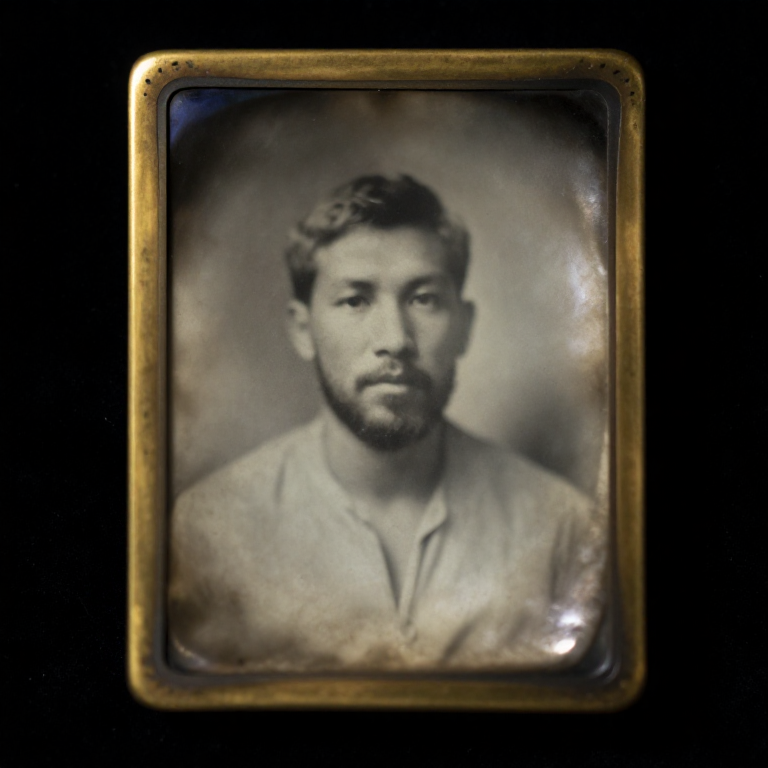


Making a Daguerreotype — The First Practical Photograph, Drawn in Silver and Mercury
In 1839 Louis Daguerre announced a way to fix the fleeting image of the camera obscura permanently onto a metal plate, and the world suddenly had photography. A daguerreotype is unlike a modern photo: it is a single, unrepeatable image formed in a film of silver on a mirror-polished plate, so sharp and detailed that nothing matched it for decades.
The method is pure chemistry and patience. A silver-faced plate is fumed with iodine to make a light-sensitive skin of silver iodide, exposed in a camera for minutes, then developed by holding it over a dish of warm mercury — whose vapour clings to exactly the spots that light has struck, building the picture. A bath of hyposulphite of soda dissolves away the unexposed silver so the image stops reacting to light.
The results were miraculous and the process was perilous: mercury vapour is a potent poison, and many early photographers paid for their art with their health. Each daguerreotype is also unique — there is no negative — which is why every surviving one is a singular object. It is the chemical bridge between the camera obscura and all photography that followed.
Опасный контент
Этот чертёж содержит опасные процедуры. Войдите в систему и включите опасный контент в настройках аккаунта, чтобы просмотреть пошаговые инструкции.
ВойтиПо этому чертежу делают

Связанные чертежи
Эти чертежи делятся знаниями — техники, материалы или принципы
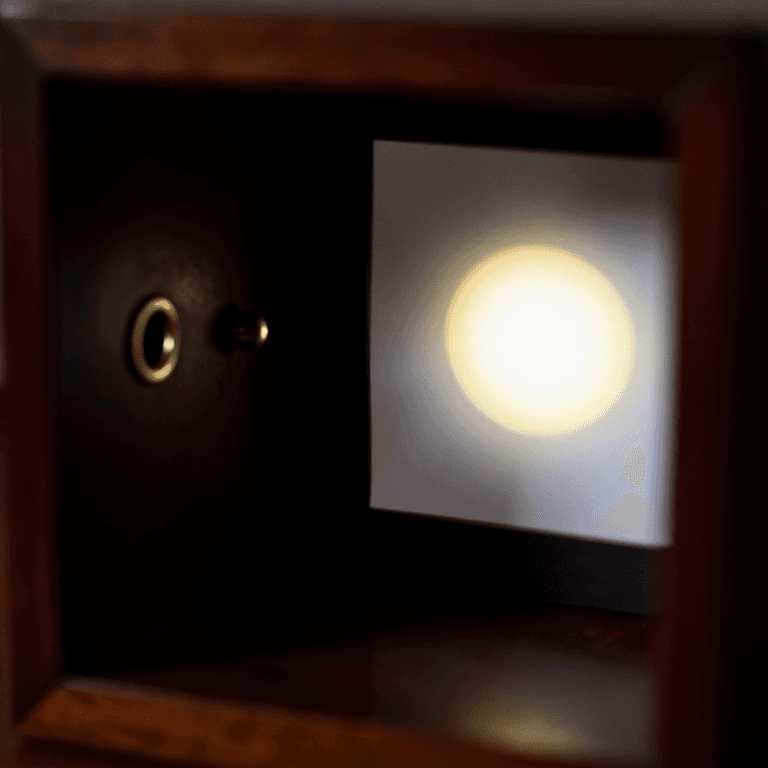
Building a Camera Obscura — Projecting the Sun and Eclipses Safely
от Astro
Деревообработка
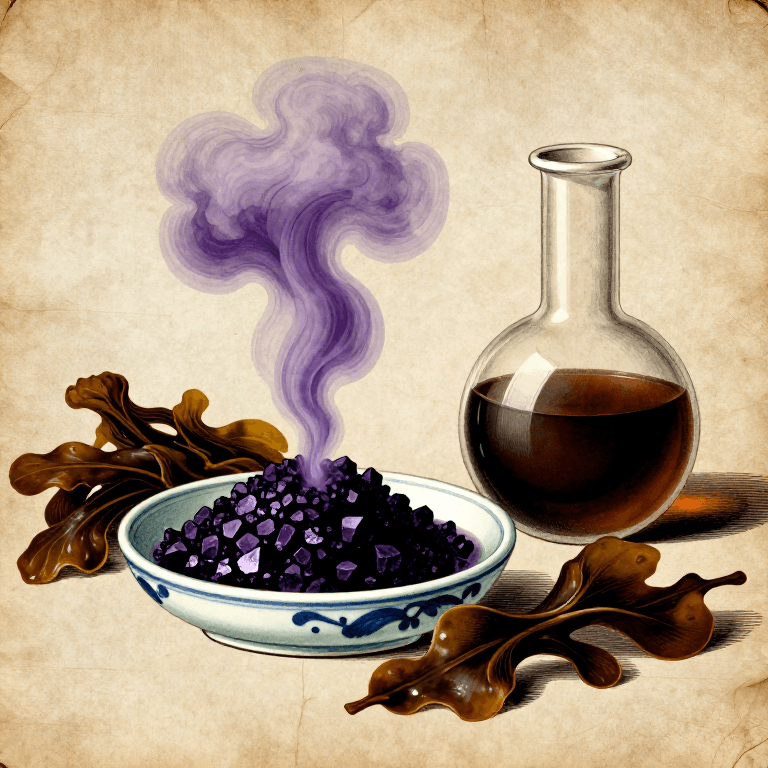
Extracting Iodine from Seaweed Ash — The Violet Vapor That Prevents Goiter
от Peter
Море
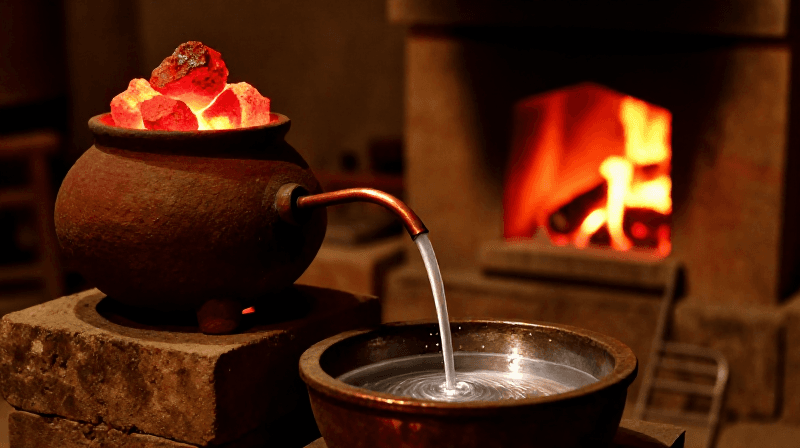
Extracting Mercury from Cinnabar — Distillation of Quicksilver from Red Ore
от Peter
Горное дело
CC0 Общественное достояние
Этот чертёж выпущен под лицензией CC0. Вы можете свободно копировать, изменять, распространять и использовать эту работу в любых целях без запроса разрешения.
Поддержите мейкера, покупая товары через его чертёж, где он получает Комиссию мейкера установленную продавцами, или создайте новую итерацию этого чертежа и включите его как связь в свой чертёж для распределения дохода.