ИСКУССТВО
КРАСОТА И ЗДОРОВЬЕ
РЕМЕСЛО
КУЛЬТУРА И ИСТОРИЯ
РАЗВЛЕЧЕНИЯ
ЭКОЛОГИЯ
ЕДА И НАПИТКИ
ОБРАТНАЯ ИНЖЕНЕРИЯ
НАУКИ
СПОРТ
ТЕХНОЛОГИИ
НОСИМЫЕ УСТРОЙСТВА
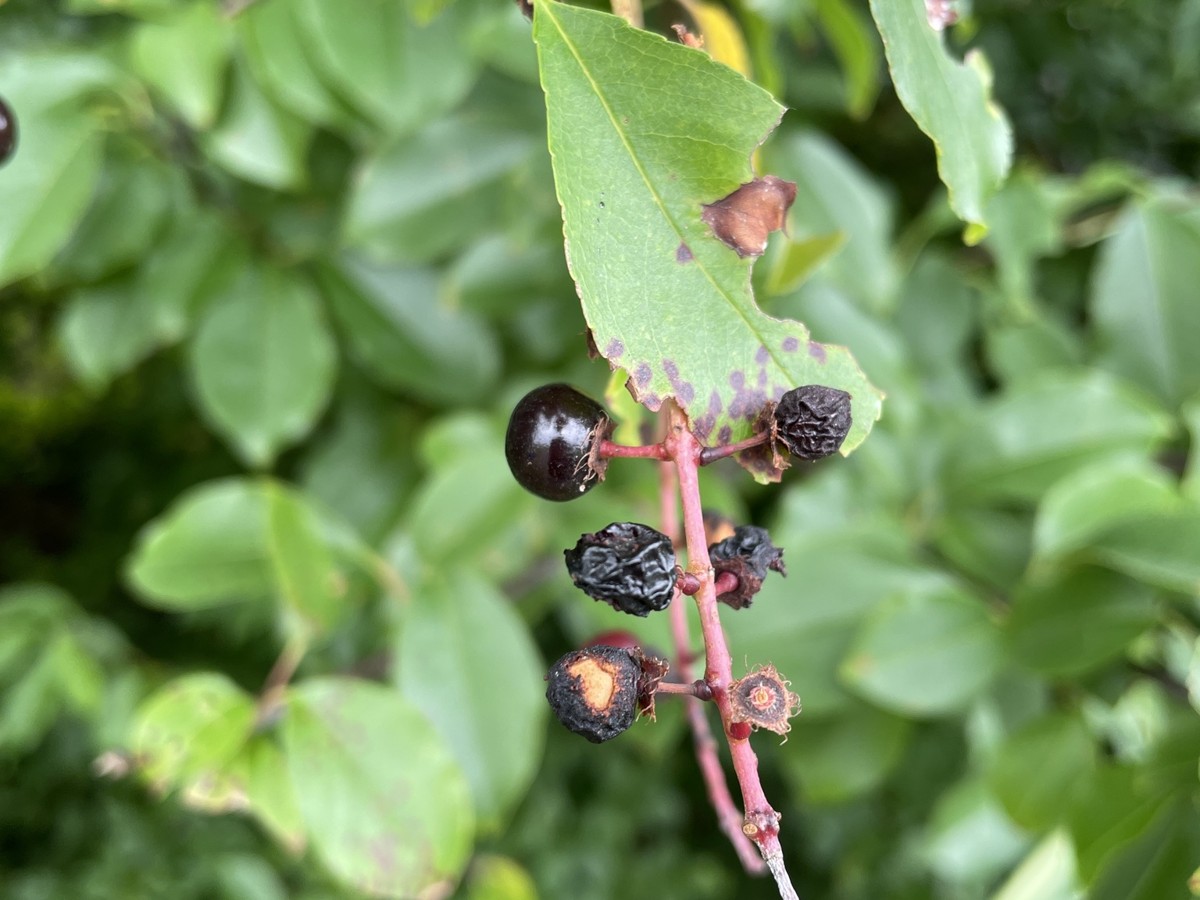


Cherry Root: Wild Black Cherry Root Dug Out of Sap Time, Dried and Kept in Packets (Densmore, 1928; Britton & Brown, 1913)
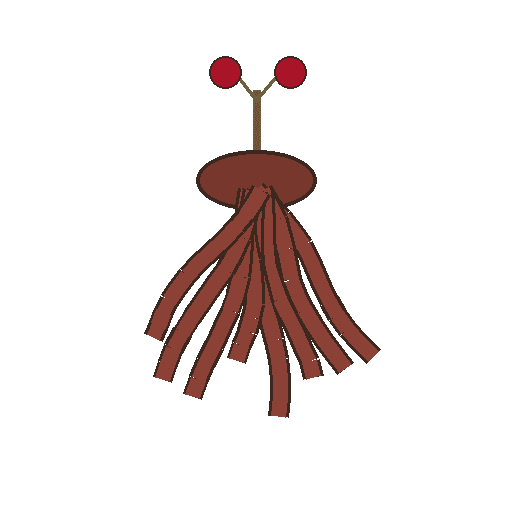
The root of wild black cherry (Prunus serotina) as the Chippewa kept it: dug out of sap time, cleaned, dried, tied in packets and bagged. Densmore records it dried and powdered on ulcers and burns, and the fresh root mashed as a poultice for sores.
Начинающий
An hour to dig, a week to dry
Инструкции
1
1
Black cherry
Black cherry
Identifying black cherry (Tree Husker).
2
2
Know the plant
Know the plant
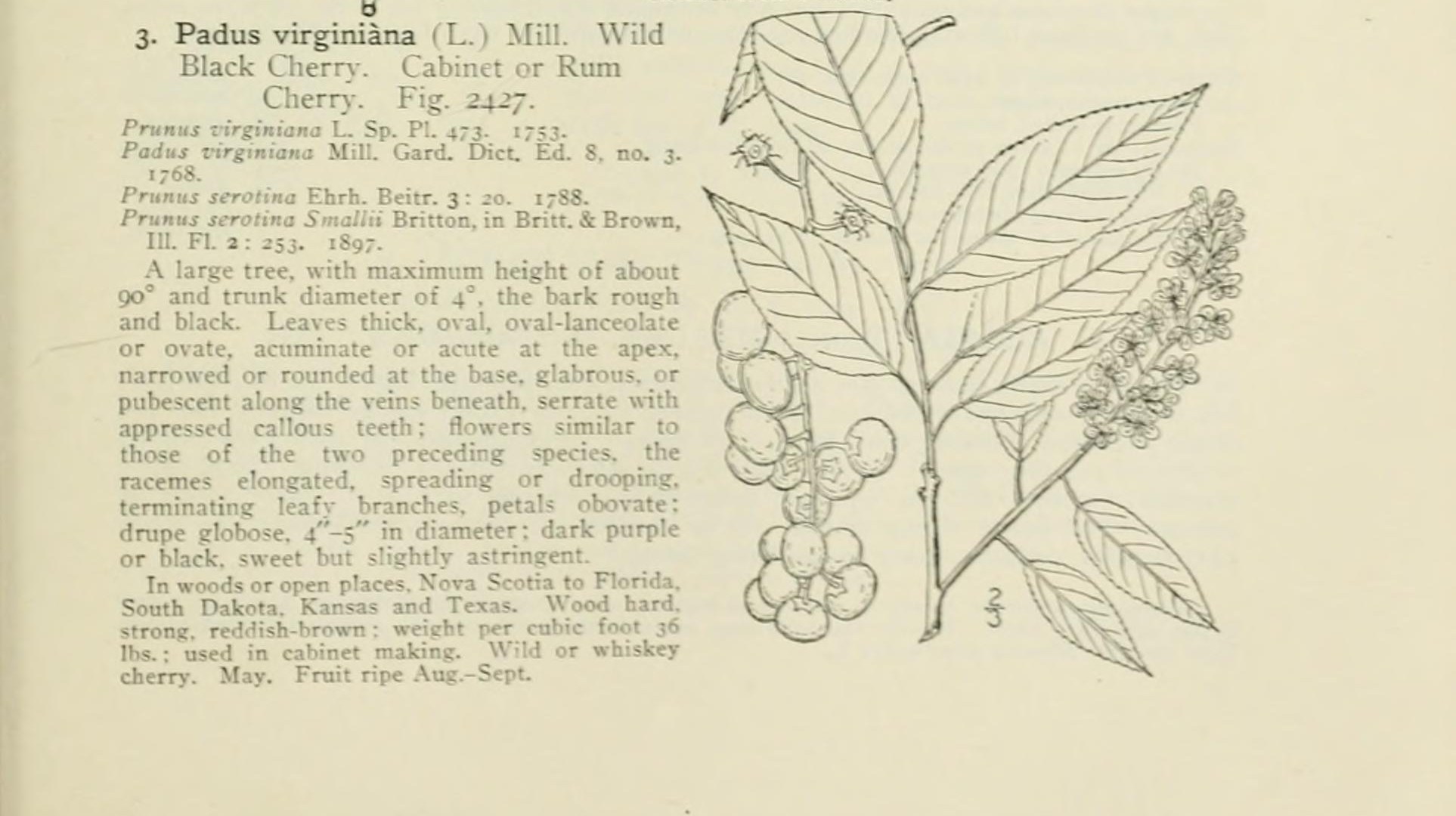
Britton and Brown (1913, vol. II, p. 329), Padus virginiana, also Prunus serotina, Wild Black Cherry: a large tree with rough black bark; leaves thick, oval to ovate, pointed, finely toothed with small hard teeth; flowers in long drooping racemes ending leafy branches; fruit round, dark purple or black, "sweet but slightly astringent"; in woods and open places, flowering in May, fruit ripe August-September.
3
3
What the root is for
What the root is for
Densmore (1928, pp. 354-355), for ulcers, wild cherry root with Labrador tea: "Dried, powdered and mixed, but not cooked. After this powder has been on the flesh for a time it becomes damp. It is then removed, the sore washed, and a fresh application made." For sores: "Use fresh roots mashed as a poultice; or scrape the inner bark, boil, and use water as a wash".

4
4
Dig at the right time
Dig at the right time
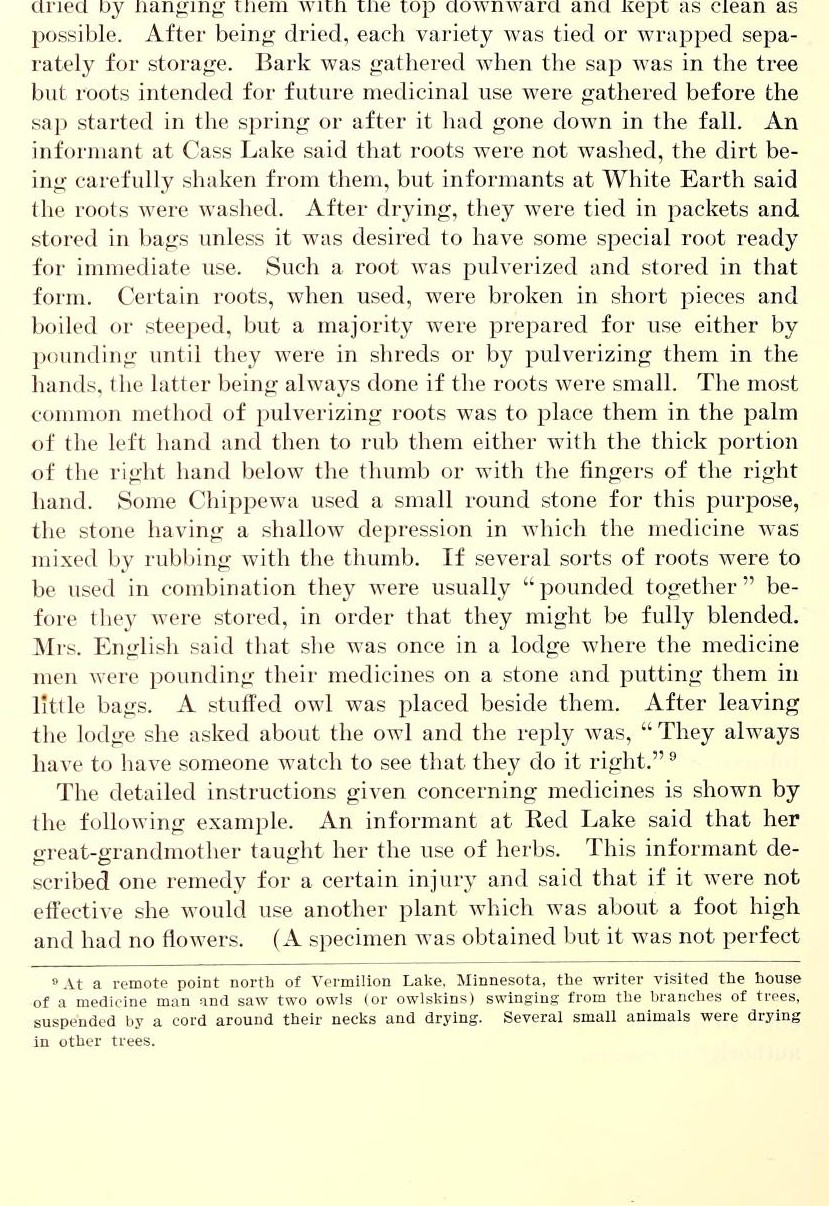
Densmore (p. 326): roots for later use were gathered "before the sap started in the spring or after it had gone down in the fall". Dig a side root of a young tree in autumn after the leaves fall (ours), and leave the main roots.
Необходимые инструменты:
 Копательная палка
 Ведро
5
5
Clean the roots
Clean the roots
Shake the earth off carefully, as Densmore's Cass Lake informant did, or wash the roots, as at White Earth.
Необходимые инструменты:
Ведро6
6
Dry them
Dry them
Spread the roots on a drying screen in an airy, shaded place (ours) and turn them daily until they snap.
Необходимые инструменты:
 Сушильная рама
7
7
Tie in packets and bag
Tie in packets and bag
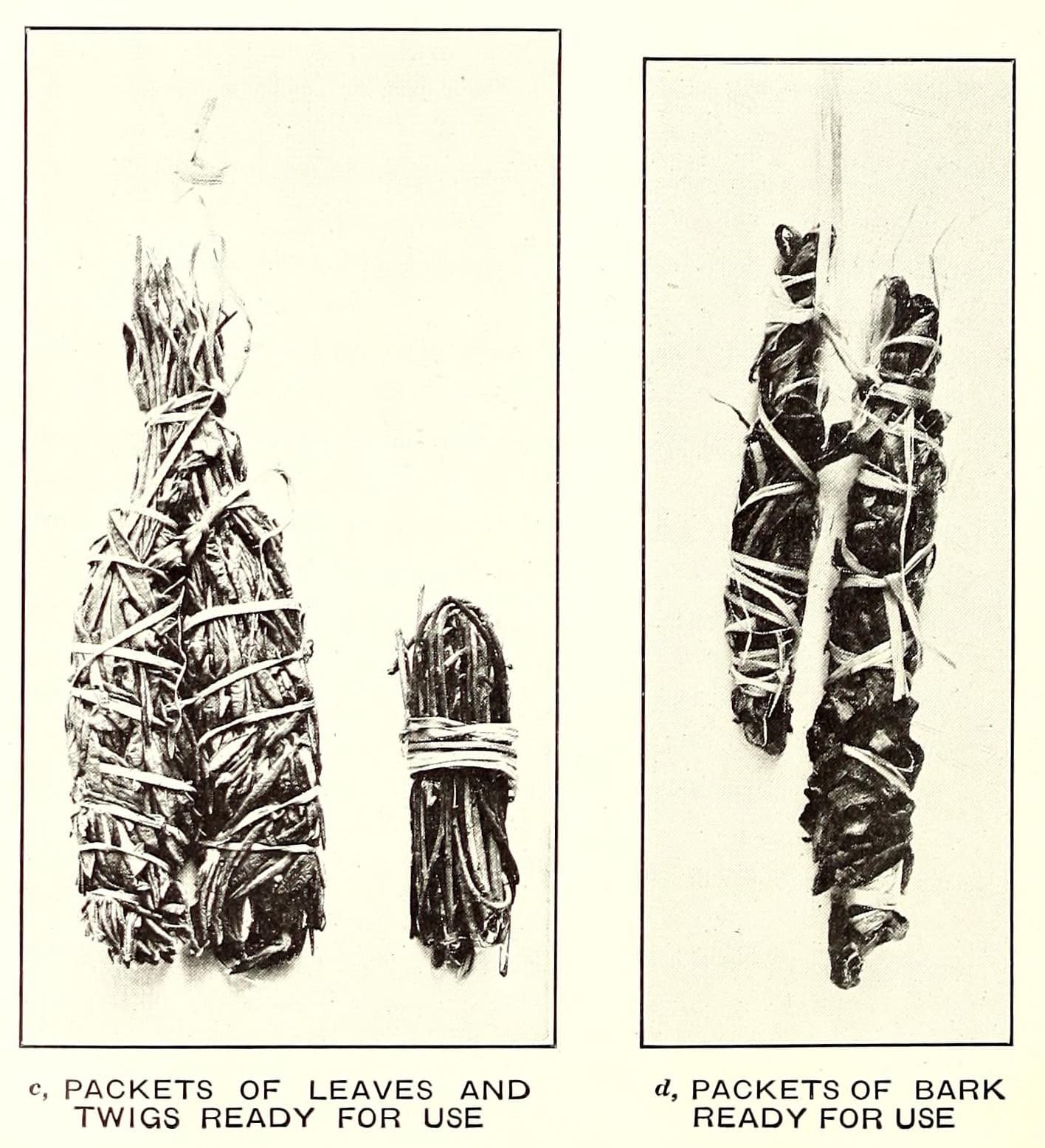
After drying, tie the roots in packets and keep them in a bag, as Densmore records.
Необходимые инструменты:
 Хлопчатобумажный шпагат
 Льняная сумка
8
8
Prepare for use
Prepare for use
When needed, pound the root to shreds or pulverize it (p. 326); a mortar works too (ours).
Необходимые инструменты:
 Ступка и пестик
9
9
Troubleshooting
Troubleshooting
Root problems and fixes.
Flow
Loading...
10
10
Sources and honest limits
Sources and honest limits
Frances Densmore, Uses of Plants by the Chippewa Indians (1928), pp. 326 and 354-355; N. L. Britton and A. Brown, An Illustrated Flora of the Northern United States, vol. II (1913), p. 329. The drying screen and mortar are ours. Be sure of the plant before digging, and dig only where it is plentiful and allowed. The cover shows wild black cherry in fruit (Seth Wollney, CC BY 4.0, Wikimedia Commons). Not made by us yet.
Требуемые инструменты
6- Заполнитель
- Заполнитель
- Заполнитель
- Заполнитель
- Заполнитель
- Заполнитель
Материалы из связанных чертежей
По этому чертежу делают
CC0 Общественное достояние
Этот чертёж выпущен под лицензией CC0. Вы можете свободно копировать, изменять, распространять и использовать эту работу в любых целях без запроса разрешения.
Поддержите мейкера, покупая товары через его чертёж, где он получает Комиссию мейкера установленную продавцами, или создайте новую итерацию этого чертежа и включите его как связь в свой чертёж для распределения дохода.