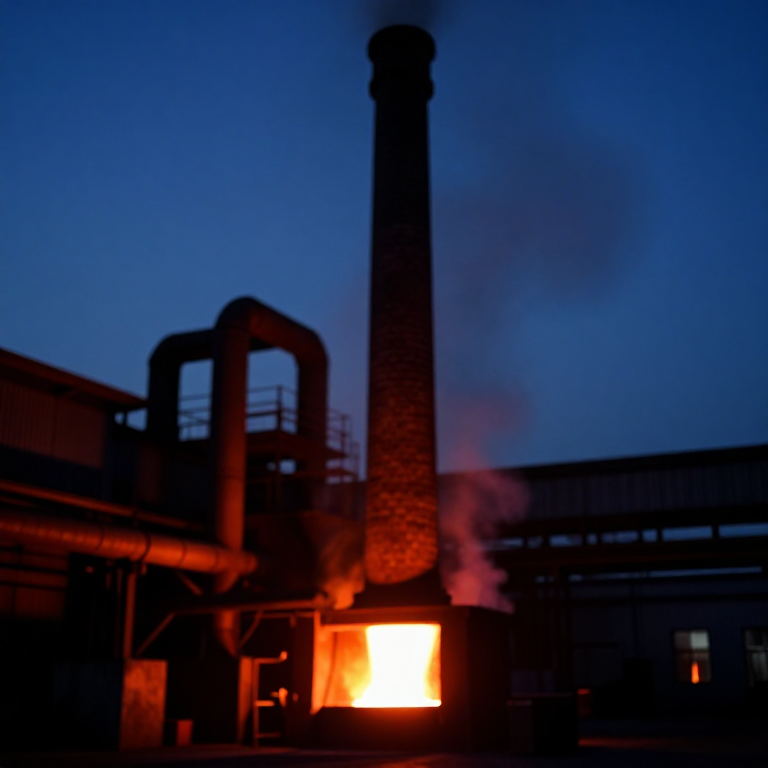


Building a Hot Blast Stove — Preheating the Air That Tripled the Blast Furnace
For centuries ironmasters believed a blast furnace ran best on cold winter air, and blew their furnaces with air at whatever temperature the weather gave. In 1828 the Scottish engineer James Neilson proved the opposite: heating the blast before it entered the furnace slashed the fuel needed and raised the output enormously. The hot blast was one of the great efficiency leaps of the iron age.
The idea seems backwards but the physics is sound. Cold air entering the furnace has to be heated by burning precious fuel before it can do its work; preheating the air outside the furnace, using waste heat that would otherwise escape up the chimney, means far less coke is wasted just warming the blast. Neilson's first stoves cut coke use by a third, and later regenerative stoves did far better still.
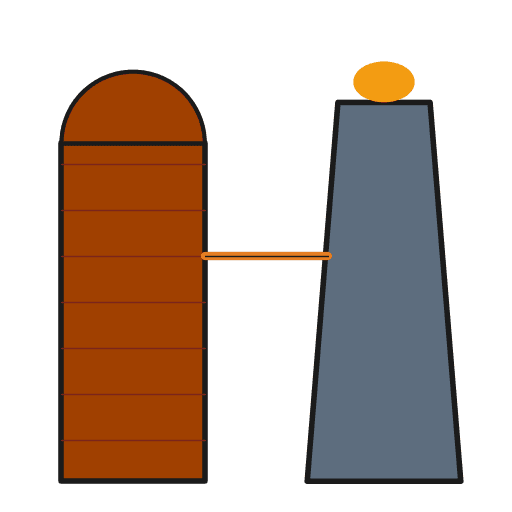
A hot blast stove is a chamber of brick or pipe that the blast passes through on its way to the tuyeres, heated by the furnace's own escaping gases. Bolted onto the pig-iron blast furnace, it made iron dramatically cheaper — and cheap iron was the lifeblood of the Industrial Revolution.
Инструкции
Understand the hot blast
Understand the hot blast
Tap the furnace waste gas
Tap the furnace waste gas
Необходимые инструменты:
 Воздуховоды
Build the stove chamber
Build the stove chamber
Материалы для этого шага:
 Огнеупорный кирпич200 штук
Необходимые инструменты:
 Садовый совок
Heat the stove
Heat the stove
Материалы для этого шага:
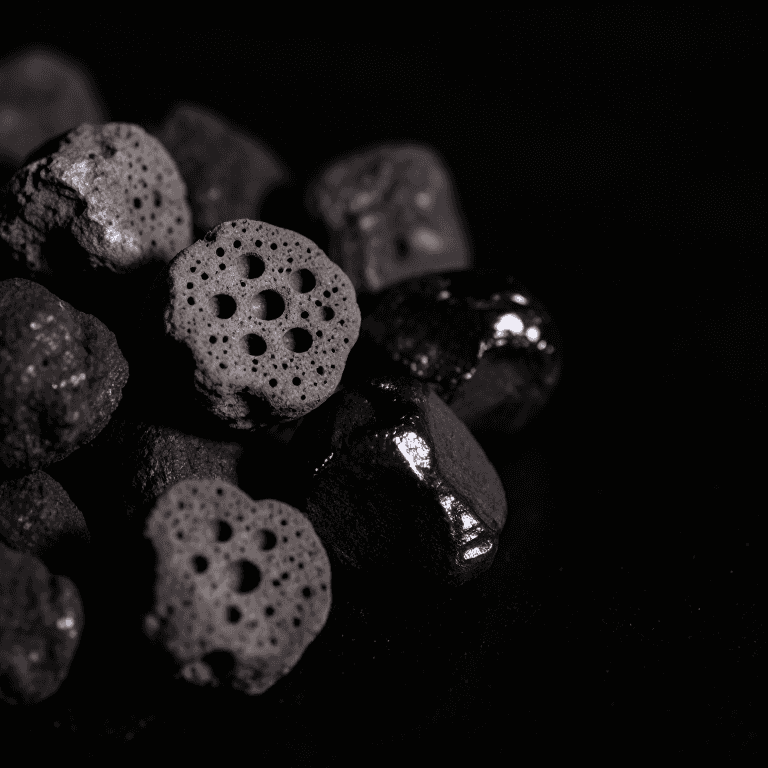
 Металлургический кокс20 кг
Pass the blast through
Pass the blast through
Необходимые инструменты:
 Воздуходувка
Alternate the regenerator stoves
Alternate the regenerator stoves
Insulate the hot main
Insulate the hot main
Материалы для этого шага:
 Огнеупорный цемент15 кг
Deliver the hot blast
Deliver the hot blast
Необходимые инструменты:
 Ломик для выпуска
Control the temperature
Control the temperature
Необходимые инструменты:
 Пирометр
Measure the saving
Measure the saving
Mind the hazards
Mind the hazards
See the impact
See the impact
Материалы
3- 200 штукЗаполнитель
- Заполнитель
- 15 кгЗаполнитель
Требуемые инструменты
5- Заполнитель
- Заполнитель
- Заполнитель
- Заполнитель
- Заполнитель
Материалы из связанных чертежей

По этому чертежу делают
Связанные чертежи
Эти чертежи делятся знаниями — техники, материалы или принципы
CC0 Общественное достояние
Этот чертёж выпущен под лицензией CC0. Вы можете свободно копировать, изменять, распространять и использовать эту работу в любых целях без запроса разрешения.
Поддержите мейкера, покупая товары через его чертёж, где он получает Комиссию мейкера установленную продавцами, или создайте новую итерацию этого чертежа и включите его как связь в свой чертёж для распределения дохода.