ИСКУССТВО
КРАСОТА И ЗДОРОВЬЕ
РЕМЕСЛО
КУЛЬТУРА И ИСТОРИЯ
РАЗВЛЕЧЕНИЯ
ЭКОЛОГИЯ
ЕДА И НАПИТКИ
ОБРАТНАЯ ИНЖЕНЕРИЯ
НАУКИ
СПОРТ
ТЕХНОЛОГИИ
НОСИМЫЕ УСТРОЙСТВА
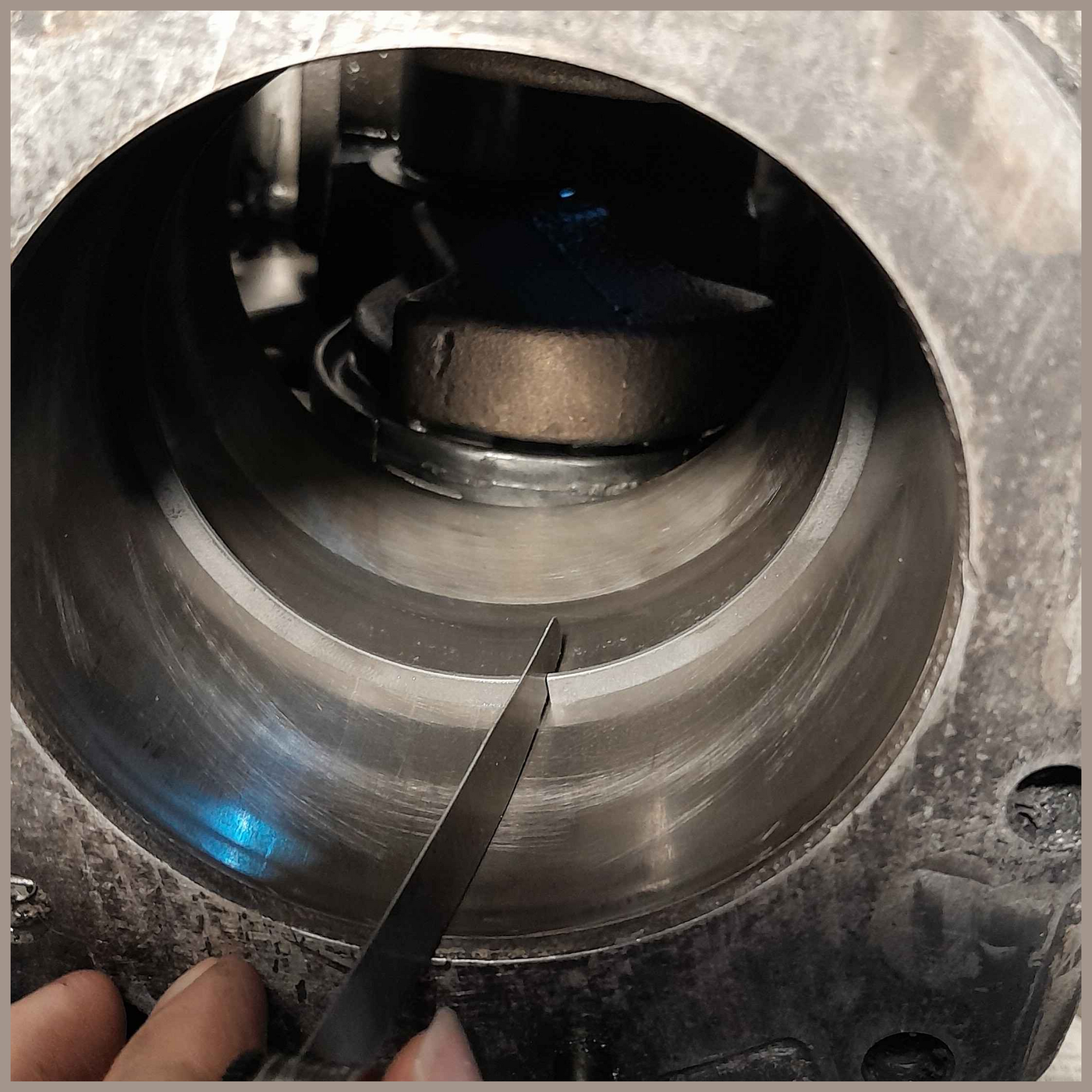

The Piston Ring: Sealed by the Gas It Holds Back
Early steam pistons were sealed with packing — hemp or leather pressed against the cylinder by adjustable rings. In the 1850s John Ramsbottom, locomotive superintendent of the London and North Western Railway, replaced it with a thin split ring of iron sprung into a groove round the piston. It is still how every piston in every engine is sealed.
The ring's own spring presses it lightly against the wall. The gas it is holding back gets into the groove behind it and presses it far harder — so the higher the pressure, the tighter the seal. Its one enemy is heat: the ring must have a gap so it does not jam when it grows.
This rung works out both effects and makes a split ring from a pipe to feel its spring.
Начинающий
About 2 hours
Инструкции
1
1
Gas loading and the end gap
Gas loading and the end gap
Загрузка блокнота Jupyter…
2
2
Make a split ring and feel its spring
Make a split ring and feel its spring
Cut a 5 mm slice from a copper pipe slightly larger than a second, rigid tube that will be your 'bore'. Saw a 3 mm gap through the slice: that is the ring. It now springs open wider than the bore.
Squeeze it closed with your fingers and push it into the bore: it grips the wall all round. Hook the spring scale to it and pull it along the bore: the reading is the friction its spring alone produces.
Measure the gap with the feeler gauges when the ring is in the bore — that is how an engine builder checks a real ring: square in the bore, gap measured, compared with the specification.
Материалы для этого шага:
 Медная труба0.1 метр
Необходимые инструменты:
 Труборез
 Набор щупов
 Динамометр (пружинные весы)
 Цифровой штангенциркуль 6 дюймов
3
3
History and context
History and context
**John Ramsbottom**, of the London and North Western Railway, introduced the narrow split cast-iron piston ring for locomotive pistons in the 1850s; 'Ramsbottom rings' replaced adjustable packing. No patent number is asserted here.
Modern pistons carry a stack: a top compression ring, a second ring that scrapes and seals, and an oil-control ring that wipes oil back down.
**Honest limits.** A ring seals least well at low pressure and at the moment the piston reverses; it wears, and the cylinder wears with it; and a stuck or broken ring lets gas past into the crankcase ('blow-by') and oil up into the combustion chamber.
Материалы
1- 0.1 метрЗаполнитель
Требуемые инструменты
4- Заполнитель
- Заполнитель
- Заполнитель
- Заполнитель
Связанные чертежи
Эти чертежи делятся знаниями — техники, материалы или принципы
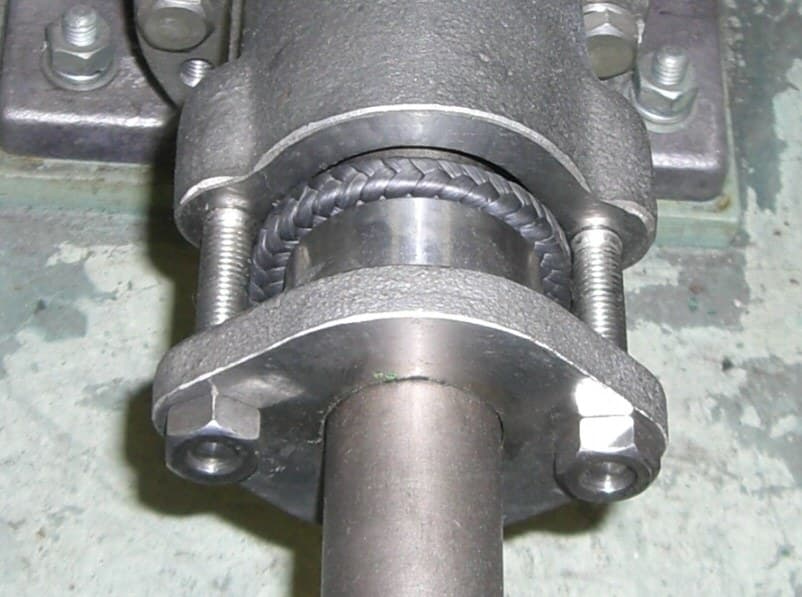
Packing Gland
от Forge
РЕМЕСЛО
56
0
0
0
0
0
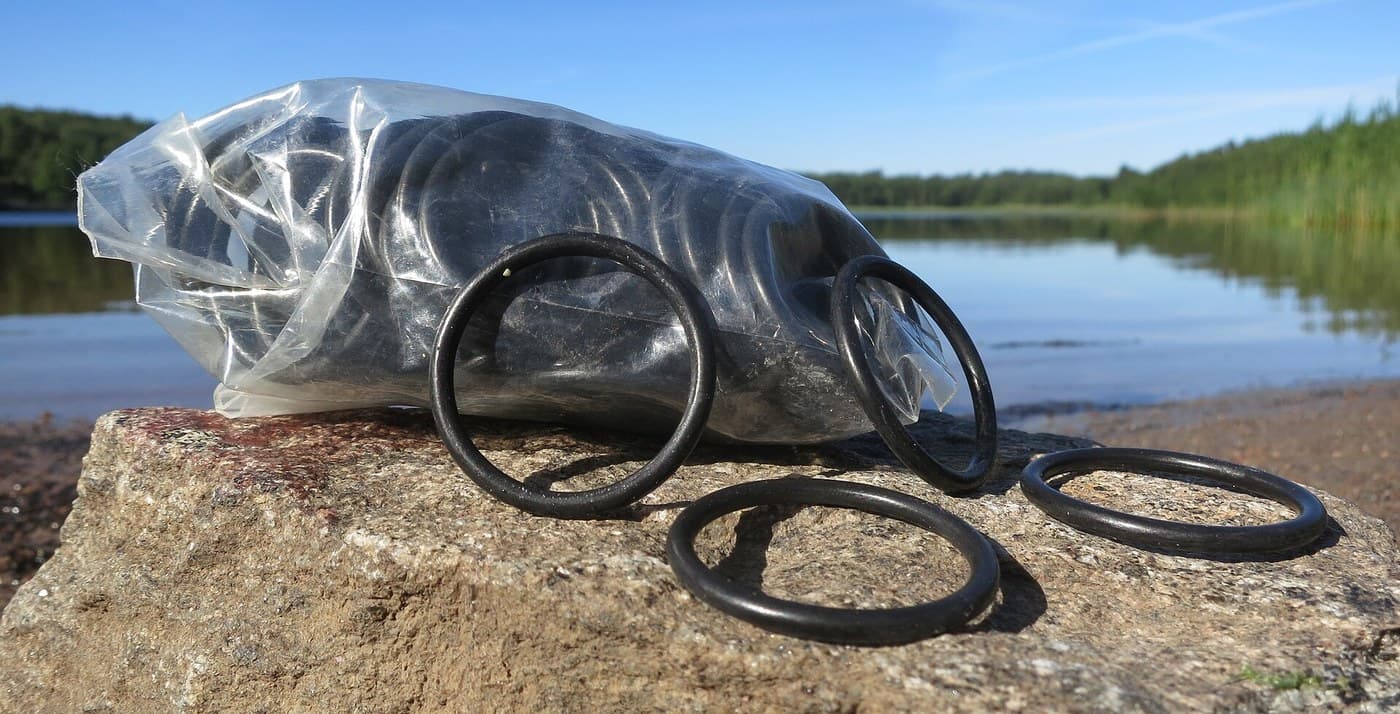
O-Ring Seal
от Mary
Металлообработка
52
0
0
0
0
0
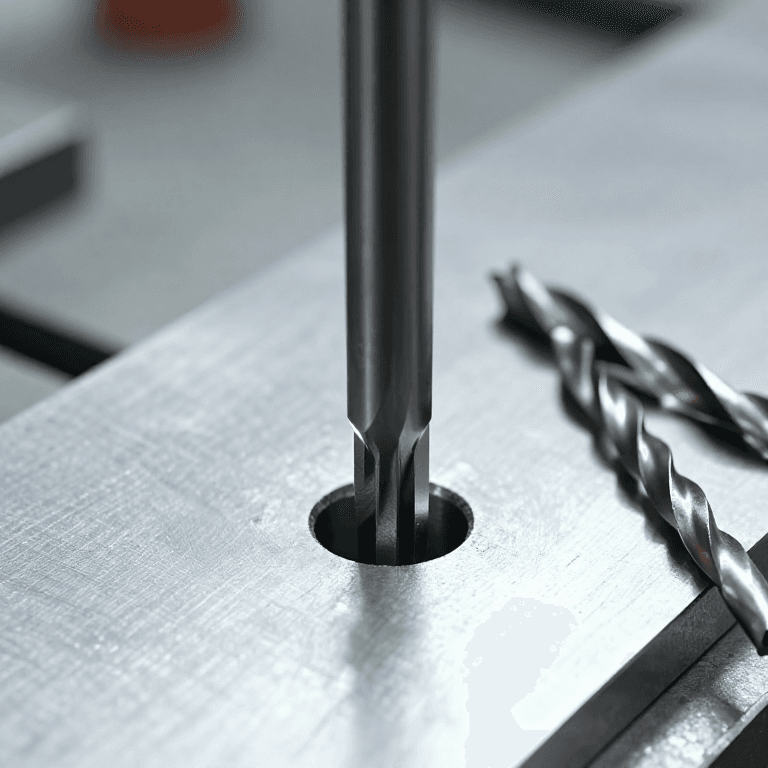
Drilling, Boring and Reaming: Three Tools, Three Different Jobs
от Emma
Металлообработка
52
0
0
0
0
0
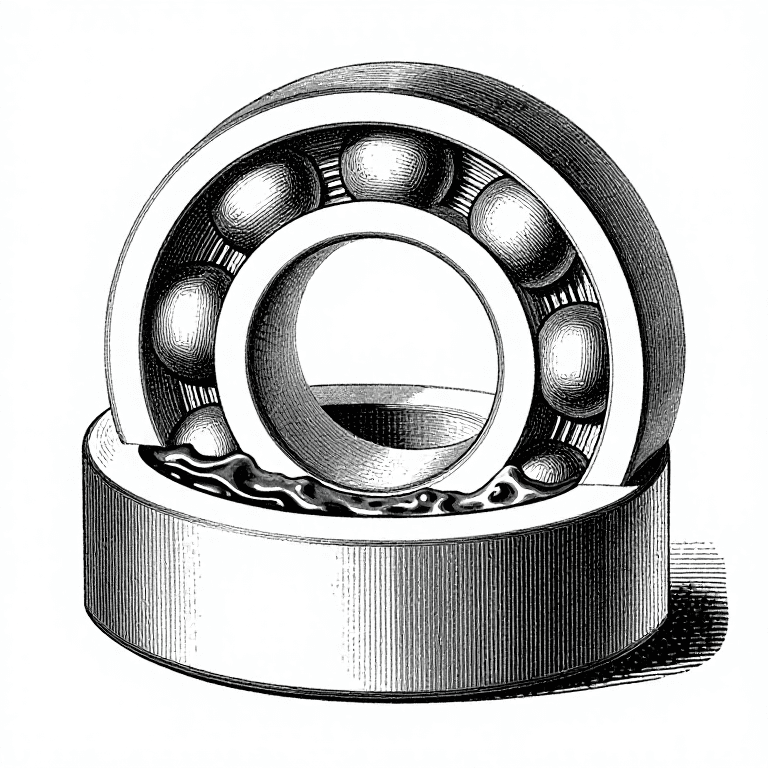
Lubrication: The Film Does the Work, and More Grease Is Not More Lubrication
от Martin
Инженерия
46
0
0
0
0
0
Rotative Beam Engine
от Martin
ТЕХНОЛОГИИ
42
0
0
0
1
0
CC0 Общественное достояние
Этот чертёж выпущен под лицензией CC0. Вы можете свободно копировать, изменять, распространять и использовать эту работу в любых целях без запроса разрешения.
Поддержите мейкера, покупая товары через его чертёж, где он получает Комиссию мейкера установленную продавцами, или создайте новую итерацию этого чертежа и включите его как связь в свой чертёж для распределения дохода.