ИСКУССТВО
КРАСОТА И ЗДОРОВЬЕ
РЕМЕСЛО
КУЛЬТУРА И ИСТОРИЯ
РАЗВЛЕЧЕНИЯ
ЭКОЛОГИЯ
ЕДА И НАПИТКИ
ОБРАТНАЯ ИНЖЕНЕРИЯ
НАУКИ
СПОРТ
ТЕХНОЛОГИИ
НОСИМЫЕ УСТРОЙСТВА

The Two-Stroke Engine: The Piston Is the Valve
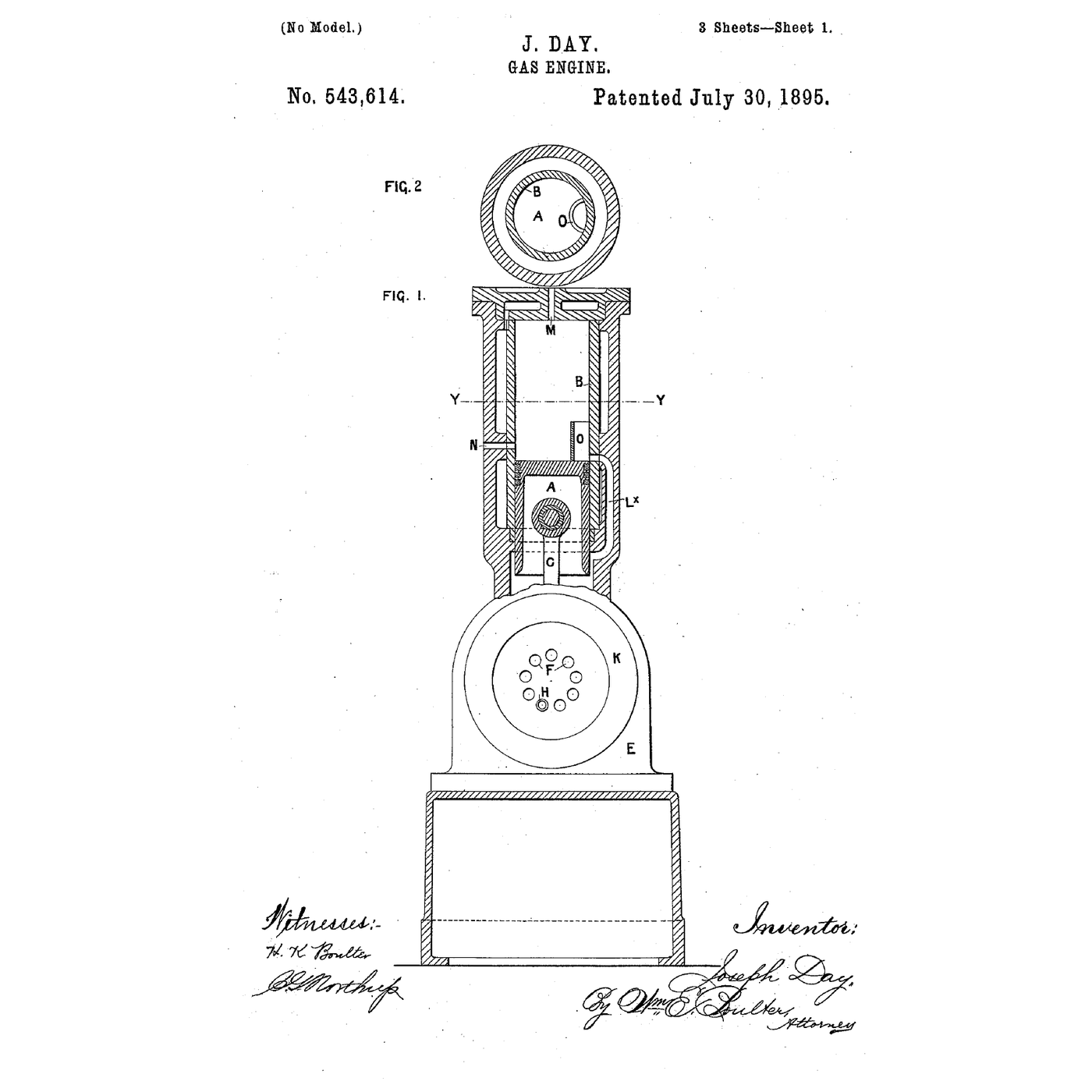
The four-stroke engine fires once every two turns and needs cams, springs and valves to breathe. Joseph Day's engine of 1891–95 fires every turn and has none of them: the piston itself opens and closes ports in the cylinder wall, and the sealed crankcase under the piston acts as a pump that pre-compresses the fresh charge.
Its own specification puts it simply: the piston *"serves as a slide-valve"*, doing away with *"eccentrics, cams, valve-rods"*. That makes it light, cheap and powerful for its size — the engine of chainsaws, mopeds and outboard motors.
This rung computes its port timing from the crank geometry and cuts the ports into a card cylinder on the slider-crank model to watch them open.
Средний
About 3 hours
Инструкции
1
1
Read Day's patent
Read Day's patent
US 543,614, 'Gas Engine', Joseph Day, patented 30 July 1895. The aim is *"a gas-engine in which eccentrics, cams, valve-rods, and other positively-actuated"* parts are done away with, *"the piston itself"* serving *"as a slide-valve"*. The explosive mixture is drawn into the crankcase chamber by the up-stroke, compressed there by the down-stroke, and delivered into the upper part of the cylinder when the piston uncovers the port; the piston also uncovers the exhaust port. Day's drawing still shows a valve admitting the charge to the crankcase — look for it.
2
2
Port timing from the geometry
Port timing from the geometry
Загрузка блокнота Jupyter…
3
3
Cut ports and watch them open
Cut ports and watch them open
On the slider-crank model from the crank rung, wrap a card tube round the slider's path as a 'cylinder' and mark on it the piston crown's position at top dead centre. Cut an exhaust window starting 60 % of the stroke below that mark, and a transfer window starting 72 % down, on the opposite side.
Turn the crank slowly with the protractor underneath and note the angle at which the crown first uncovers each window, and when it covers it again. Compare with the notebook.
Материалы для этого шага:
 Картонная туба1 штука
Необходимые инструменты:
 Транспортир
 Линейка
 Перманентный маркер
4
4
History and context
History and context
**US 543,614, 'Gas Engine', Joseph Day, patented 30 July 1895.** Day was an engineer in Bath, England, and had patented crankcase compression in Britain before this US patent; the two-stroke spread quickly to motorcycles and small boats.
**Honest limits.** The ports are open together, so some fresh charge escapes with the exhaust — wasteful and polluting in a carburetted engine. The crankcase carries the charge, so lubricating oil is usually mixed into the fuel and burned. The two-stroke survives where power for its weight matters more than economy.
Материалы
1- 1 штукаЗаполнитель
Требуемые инструменты
3- Заполнитель
- Заполнитель
- Заполнитель
Связанные чертежи
Эти чертежи делятся знаниями — техники, материалы или принципы
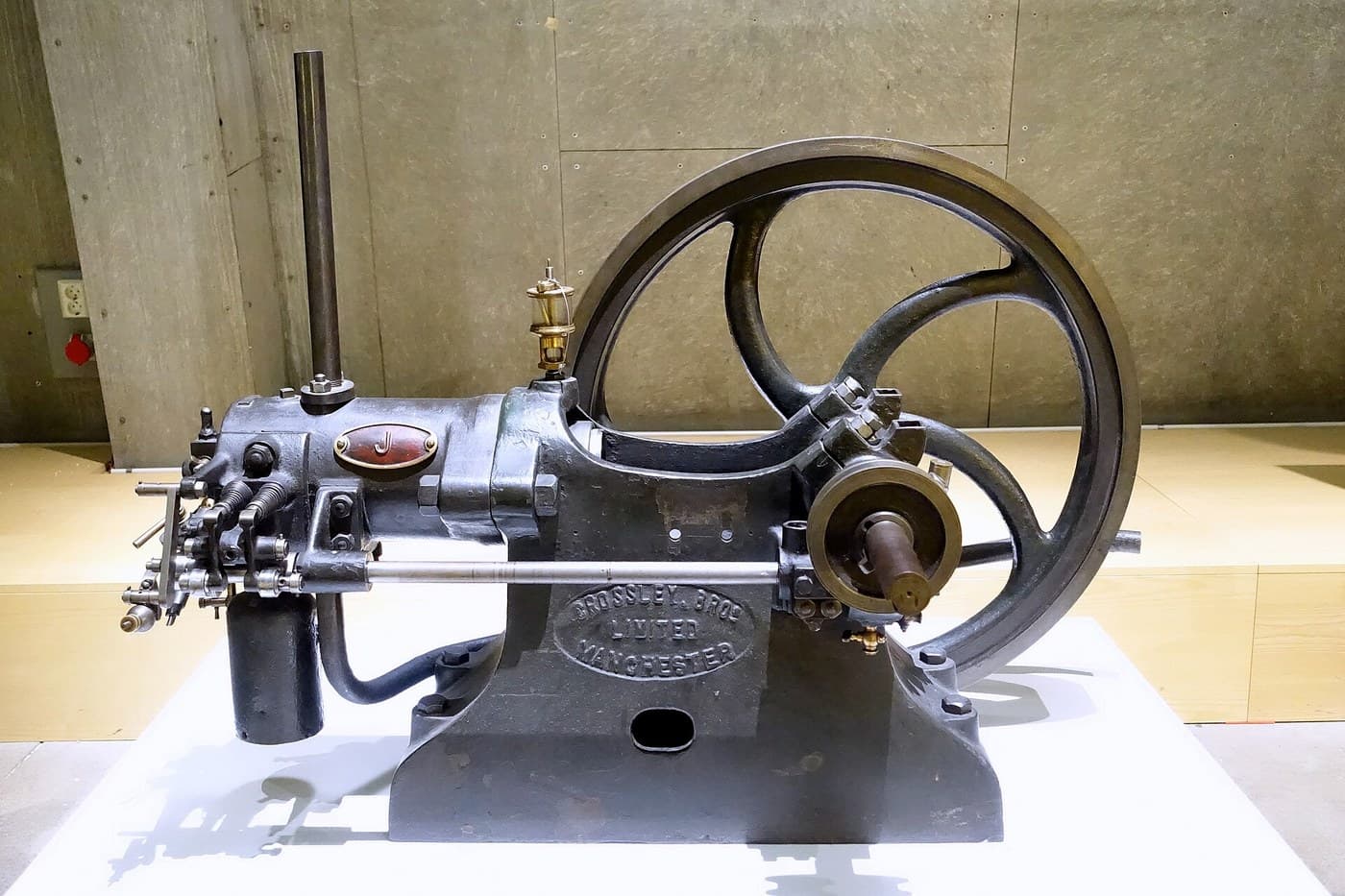
Otto Four-Stroke Engine
от Martin
Физика
55
0
0
0
0
0
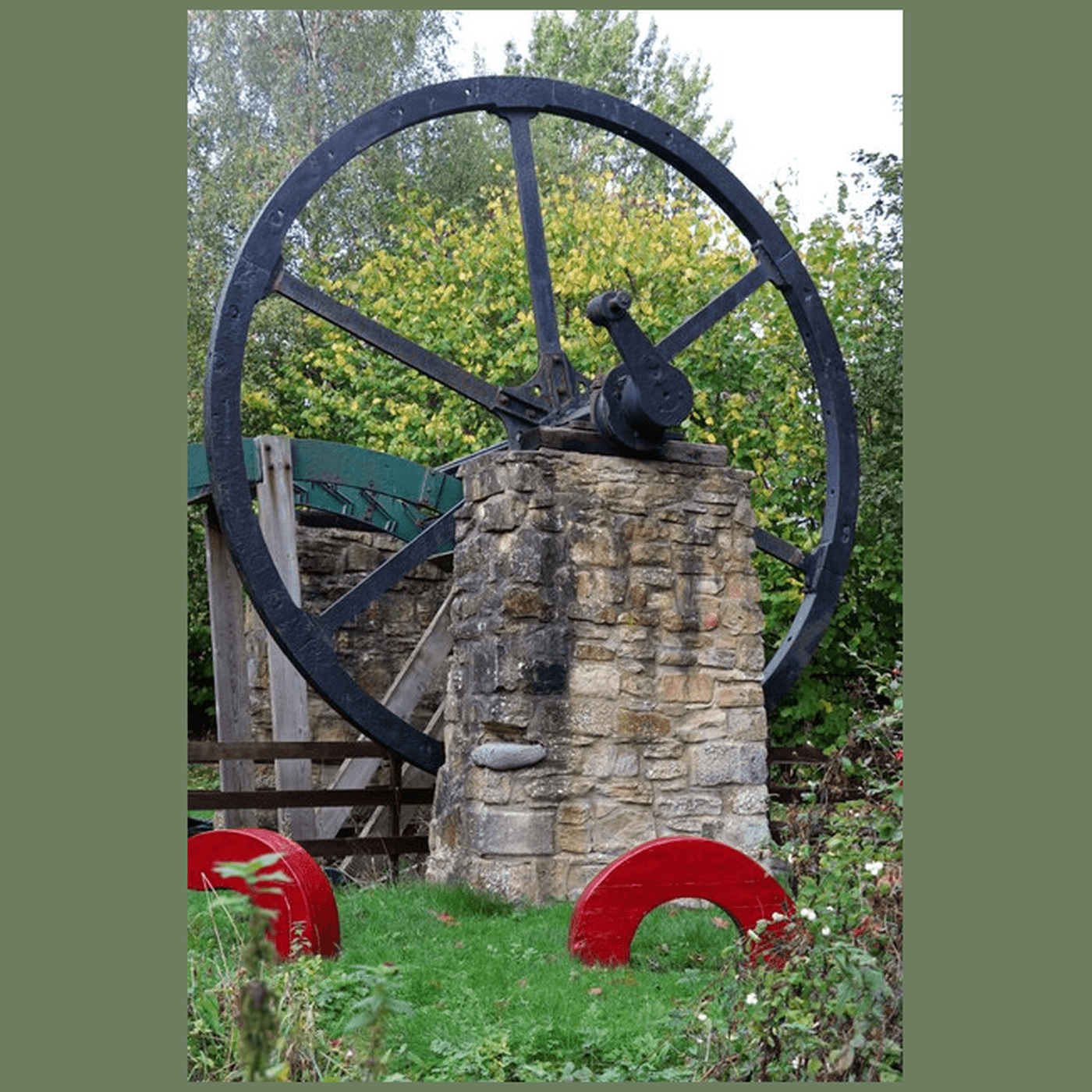
The Crank and the Flywheel: Smoothing One Bang in Two Turns
от Martin
Механика
37
0
0
0
0
0
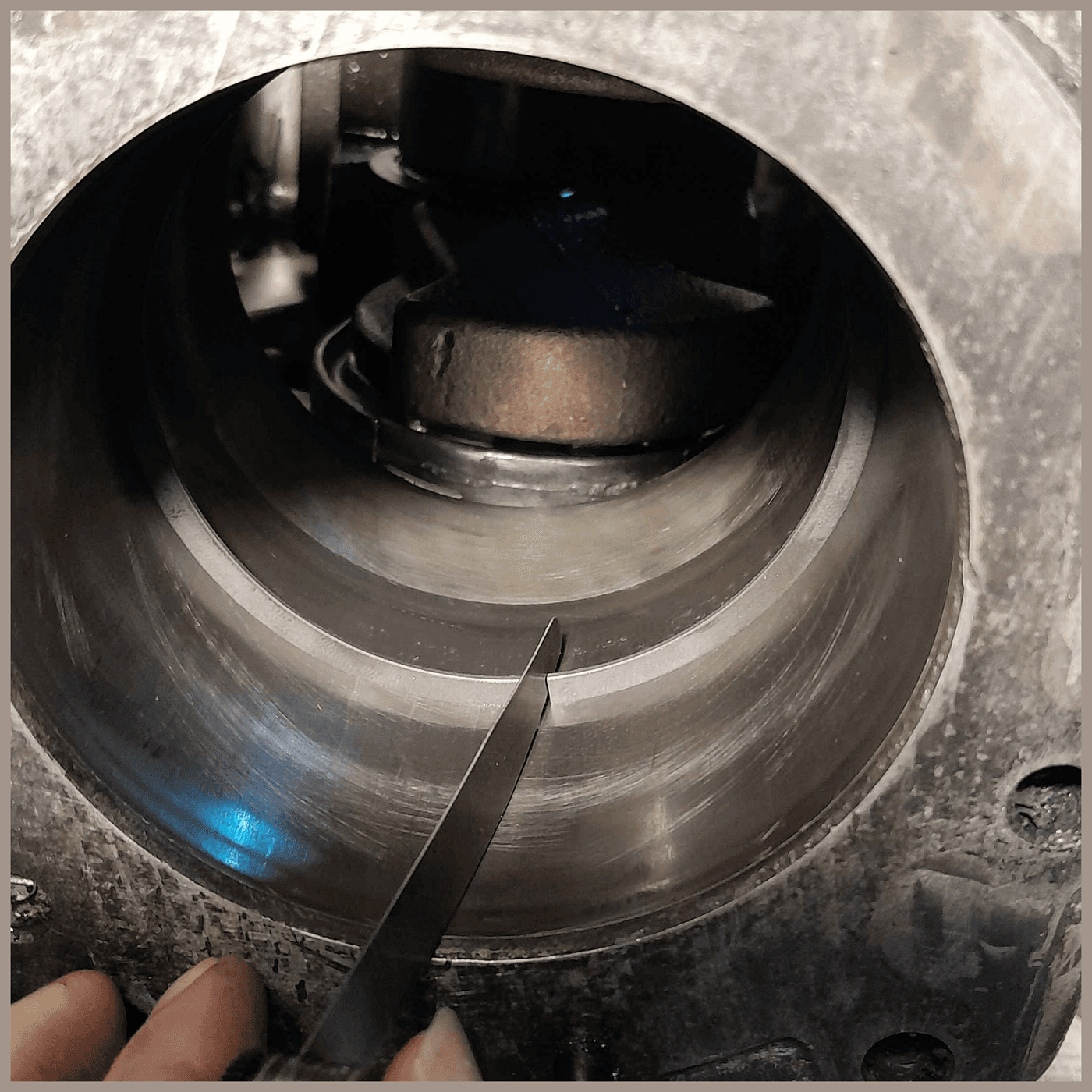
The Piston Ring: Sealed by the Gas It Holds Back
от Martin
Механика
29
0
0
0
0
0
The Carburettor: A Venturi, a Jet and a Float
от Emma
Механика
35
0
0
0
0
0
Roots Blower
от Karen
Механика
39
0
0
0
0
0
CC0 Общественное достояние
Этот чертёж выпущен под лицензией CC0. Вы можете свободно копировать, изменять, распространять и использовать эту работу в любых целях без запроса разрешения.
Поддержите мейкера, покупая товары через его чертёж, где он получает Комиссию мейкера установленную продавцами, или создайте новую итерацию этого чертежа и включите его как связь в свой чертёж для распределения дохода.