Ubufatanye
UBUHANZI
UBWIZA N'UBUZIMA
UBUKORIKORI
UMUCO N'AMATEKA
IMYIDAGADURO
IBIDUKIKIJE
IBIRIBWA N'IBINYOBWA
UBWUBATSI BUSUBIRA INYUMA
UBUMENYI
SIPORO
IKORANABUHANGA
IBYAMBARWA
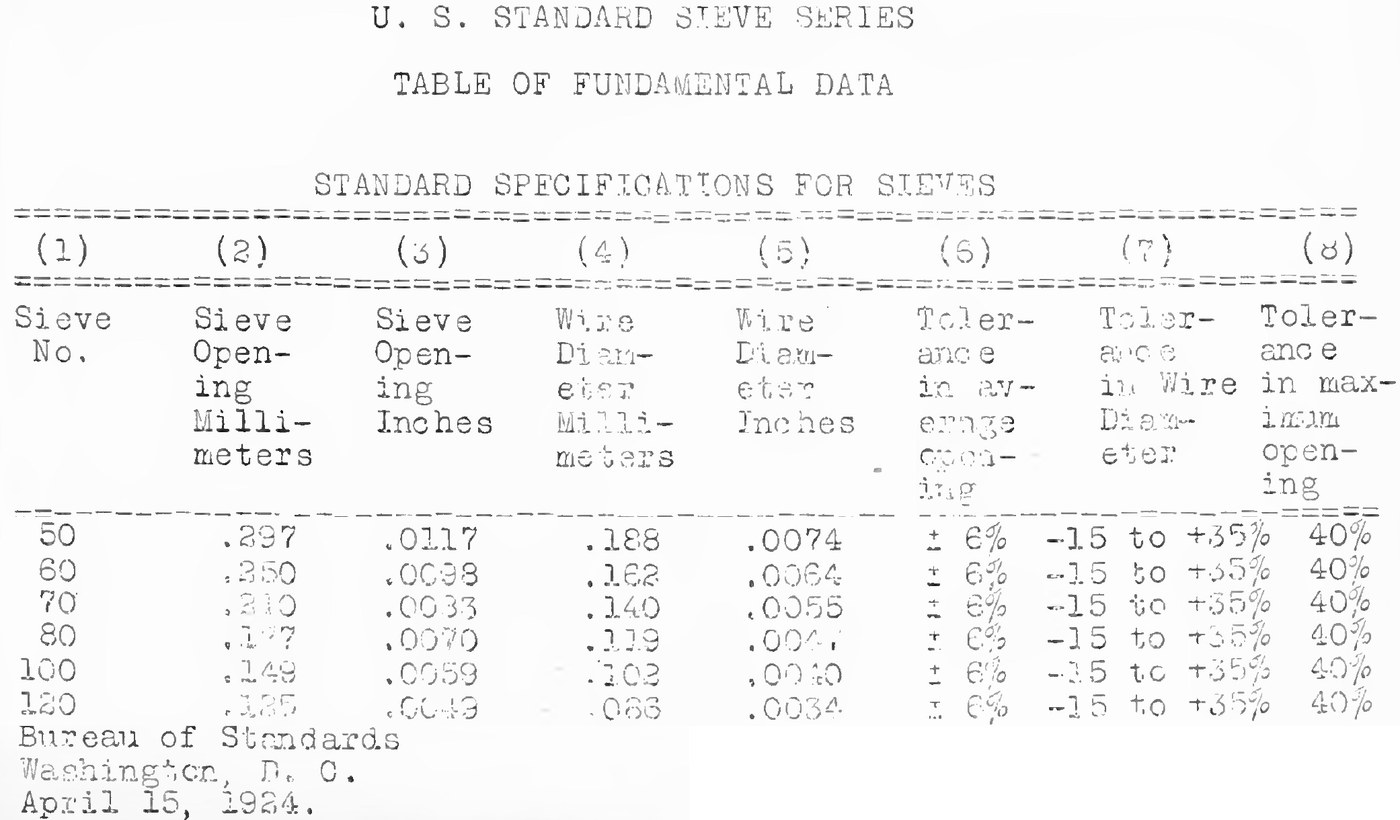

60-Mesh and 80-Mesh Sieves: U.S. Standard Sieves No. 60 and No. 80 (Bureau of Standards, 1924)
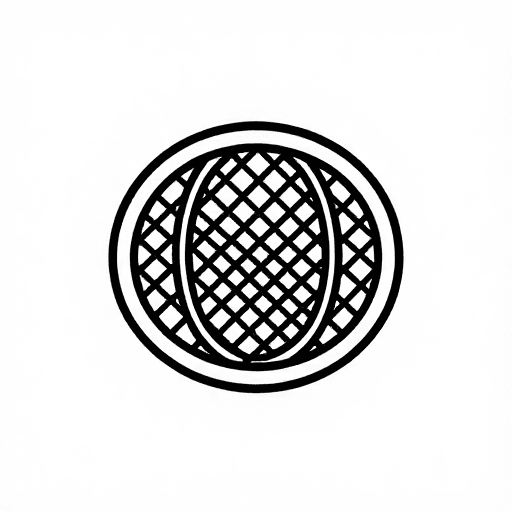
Two standard testing sieves made the same way; only the wire and the opening change with the sieve number. Plain-woven brass or bronze wire cloth is soldered smoothly into a round frame about 20 cm (8 in) across.
No. 60 has 0.250 mm openings (the 60-mesh sieve); No. 80 has 0.177 mm openings (the 80-mesh sieve). The finer the cloth, the finer the grains that pass.
Source: Bureau of Standards, Letter Circular 74, Standard Specifications for Sieves (revised 1924). Unknown: the frame metal and the weaving. Picture: the Bureau's table.
Hagati
Unknown
Amabwiriza
1
1
Choose the sieve number
Choose the sieve number
The sieve number sets the wire and the opening (Bureau of Standards table, 1924):
No. 60: opening 0.250 mm (0.0098 in), wire 0.162 mm (0.0064 in).
No. 80: opening 0.177 mm (0.0070 in), wire 0.119 mm (0.0047 in).
The opening is the clear space between adjacent wires. No. 60 passes grains under 0.250 mm; No. 80 passes grains under 0.177 mm.
2
2
Weave the wire cloth
Weave the wire cloth
Weave plain (not twilled) cloth from brass, bronze or other suitable wire of the diameter for your sieve number, spacing the wires so the opening is as in the table each way. Ours: bronze wire. Not given: how it is woven.
Ibikoresho by'iyi ntambwe:
 Insinga y'umuringa w'ibara ry'umukara1 warp and shoot wires
Ibikoresho bikenewe:
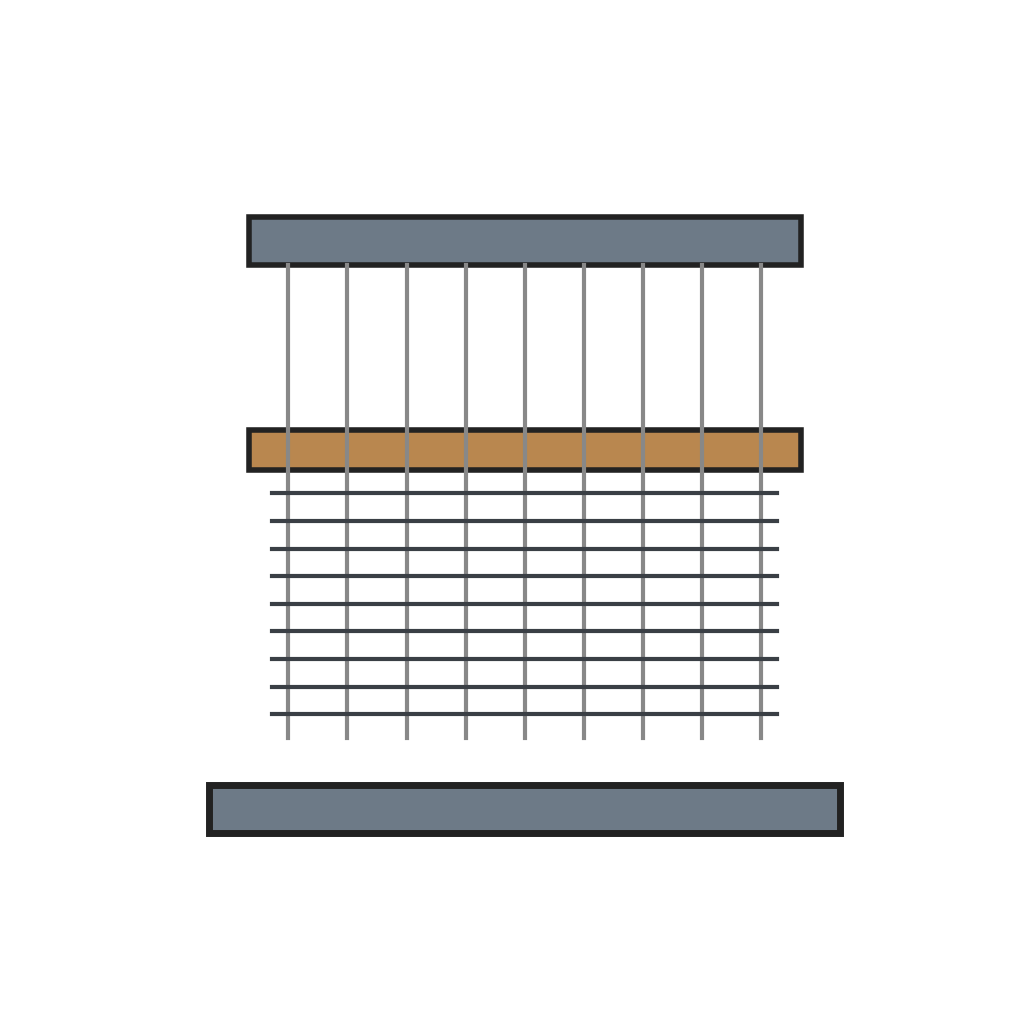 Imashini iboha urushundura rw'insinga
3
3
Make the frame
Make the frame
Make a circular frame about 20 cm (8 in) across, with about 5 cm (2 in), or 2.5 cm (1 in), between its top and the cloth. Ours: brass strip. Not given: the frame metal.
Ibikoresho by'iyi ntambwe:
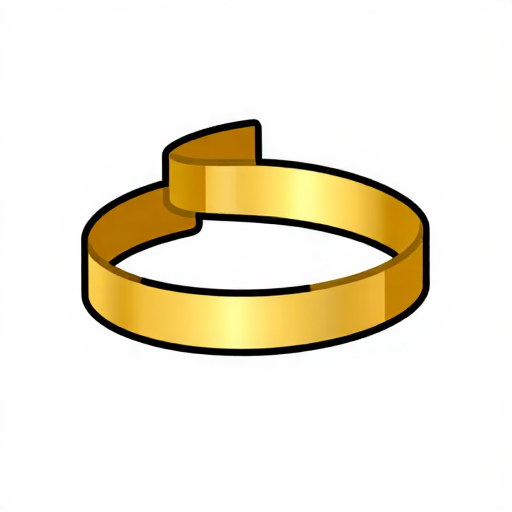 Umurongo w'umuringa1 frame
Ibikoresho bikenewe:
 Ibyuma bikata ibyuma bisanzwe
 Icyuma cyo gusudira
4
4
Mount the cloth
Mount the cloth
Mount the cloth on the frame without distorting it. Fill the joint between cloth and frame smoothly with solder, so the material being sieved cannot catch in it.
Ibikoresho by'iyi ntambwe:
 Guhambira kwa Sn/Pb1 joint
 Umuti wo gusudira1 joint
Ibikoresho bikenewe:
Icyuma cyo gusudira5
5
Check it against the tolerances
Check it against the tolerances
Measure the warp and shoot wires separately. For both numbers the average opening must be within ±6 % of the table, the average wire diameter within −15 to +35 %, and no opening may exceed the table opening by more than 40 %. Reject a sieve with punctures, loose or wavy cloth, poor soldering, or too many large openings.
Ibikoresho bikenewe:
 Mikorometero
 Indorerwamo Yagura
Ibikoresho
4- 1 warp and shoot wiresUmwanya
- 1 frameUmwanya
- 1 jointUmwanya
- 1 jointUmwanya
Ibikoresho bikenewe
5- 2 vendors sell this, none ship to you yetUmwanya
- Umwanya
- Umwanya
Ibikoresho by'Ibishushanyo Bifitanye Isano

10% igabana
120-Mesh Sieve: U.S. Standard Sieve No. 120 (Bureau of Standards, 1924)
na Tex
Fiziki
4
0
0
0
1
0
10% igabana
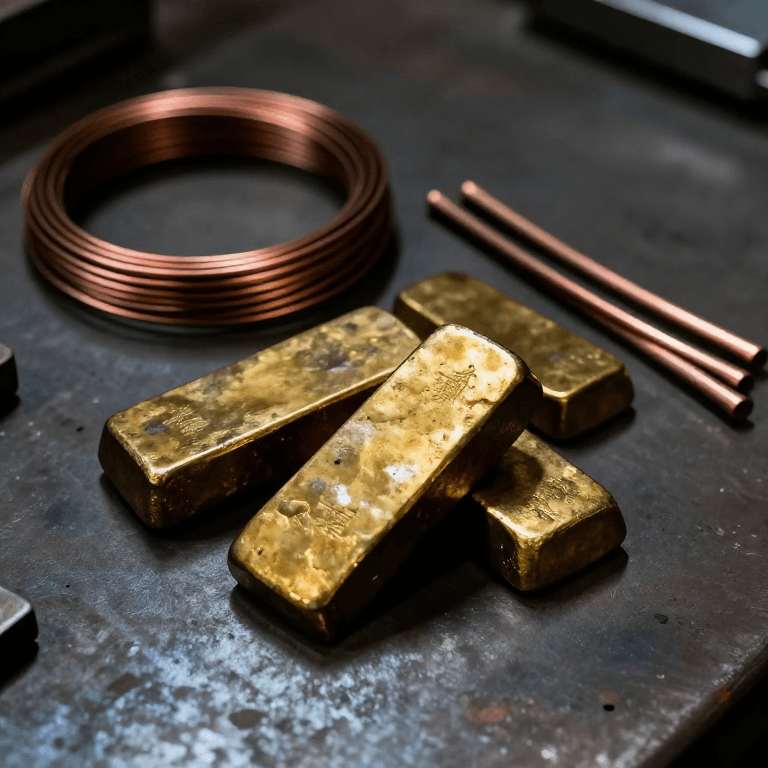
Tin Bronze Ingots, Wire and Rod
na Forge
Ubucuzi bw'Ibyuma
52
0
0
0
2
0
10% igabana
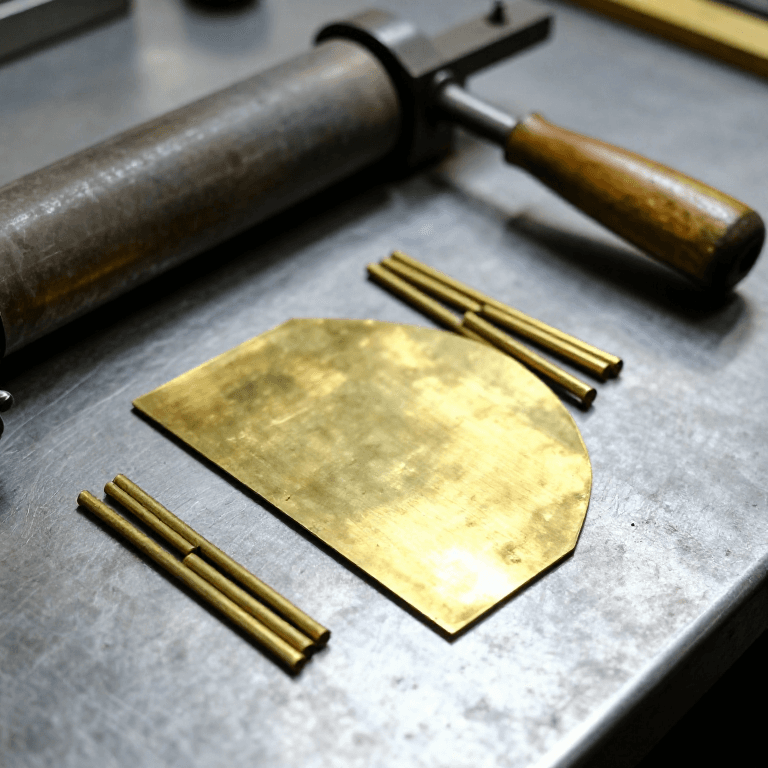
Brass Sheet, Strip and Rod from an Ingot
na Forge
Ubucuzi bw'Ibyuma
36
0
0
0
2
0
Akaga
10% igabana
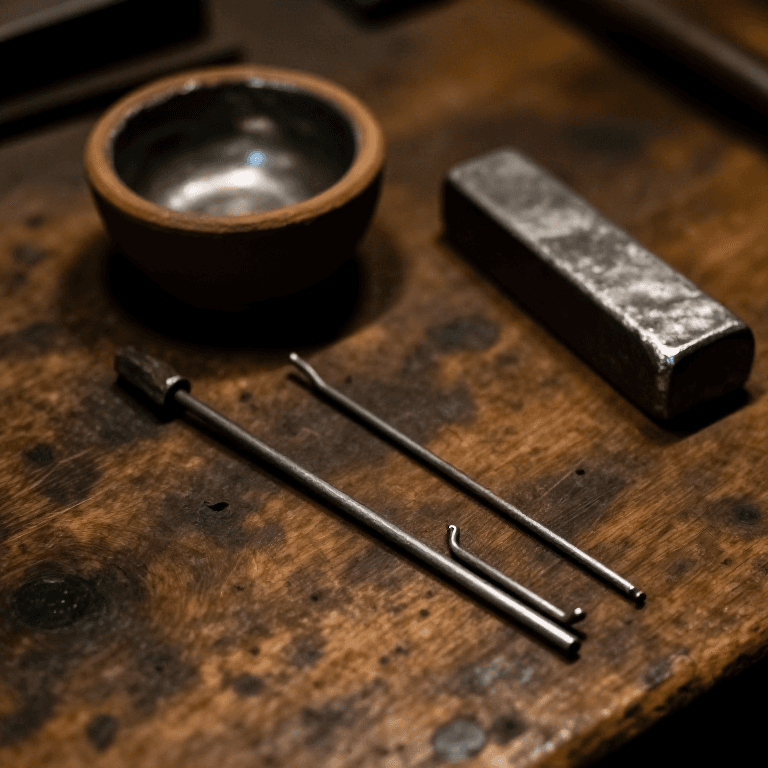
Making Tin-Lead Solder — The Ancient Alloy That Joins Metals Without a Forge
na Peter
Ubucuzi bw'Ibyuma
58
0
0
0
3
0
Iki gishushanyo gikora

CC0 Umurenge rusange
Iyi blueprint yasohowe munsi ya CC0. Ushobora gukoporora, guhindura, gukwirakwiza no gukoresha nta kwemererwa.
Shyigikira Umuremyi ugura ibicuruzwa binyuze muri Blueprint ye Komisiyo y'Umuremyi byashyizweho n'Abacuruzi, cyangwa kora verisiyo nshya y'iyi Blueprint ukayinjiza nk'isano muri Blueprint yawe kugira ngo musangire inyungu.