Ubufatanye
UBUHANZI
UBWIZA N'UBUZIMA
UBUKORIKORI
UMUCO N'AMATEKA
IMYIDAGADURO
IBIDUKIKIJE
IBIRIBWA N'IBINYOBWA
UBWUBATSI BUSUBIRA INYUMA
UBUMENYI
SIPORO
IKORANABUHANGA
IBYAMBARWA
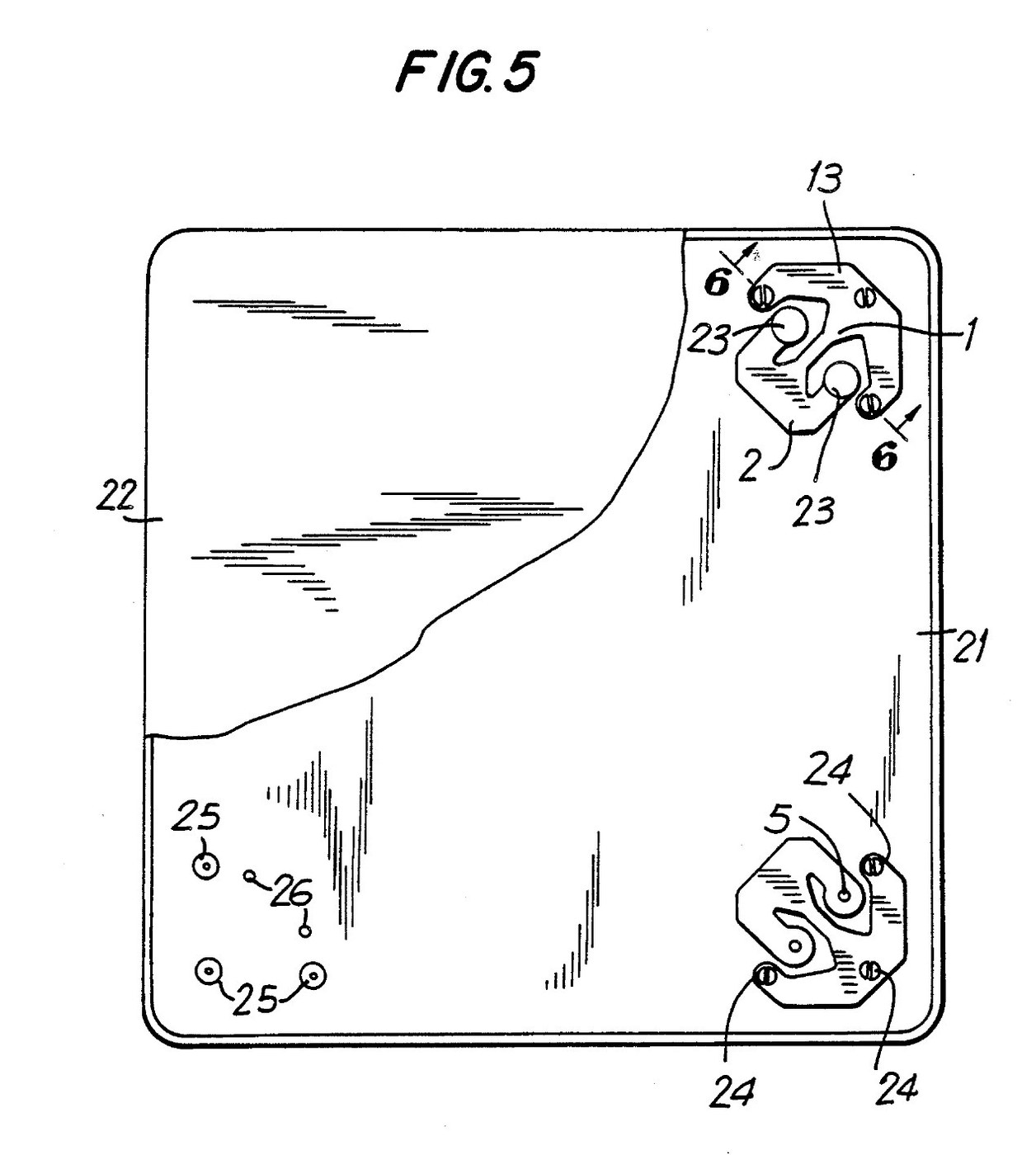


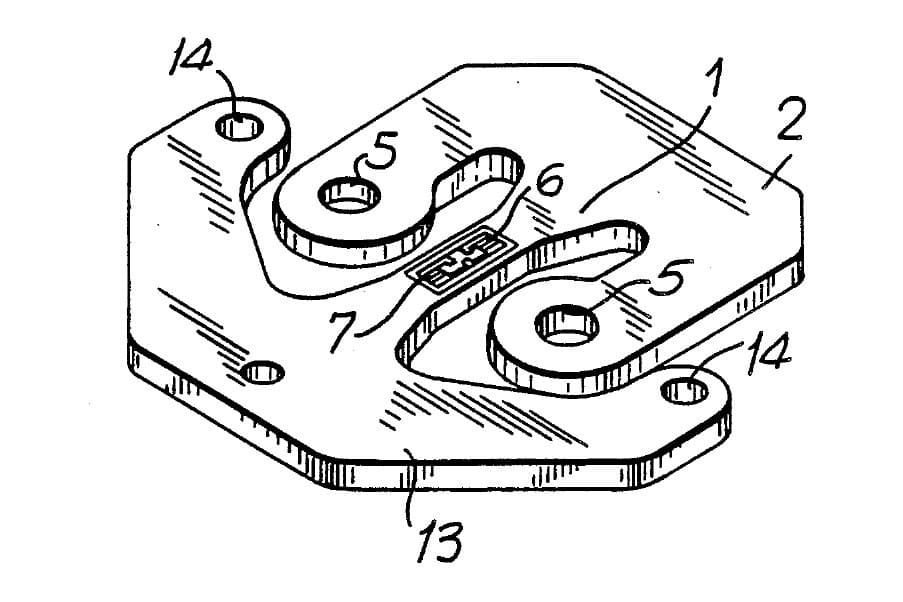
Bathroom Scale: Four Flat Load Cells Between Two Plates (Angel, 1991)
A floor scale only as thick as two plates. Four flat load cells sit in the corners between a base and a top plate; their strain gauges are wired into one bridge, so the signal is the sum of the four loads wherever you stand.
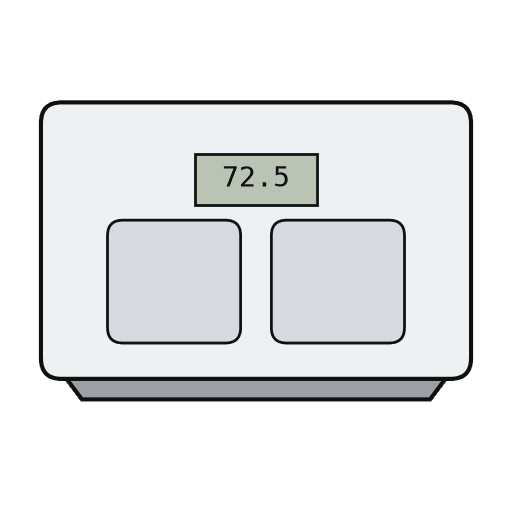
Result: a low digital bathroom scale reading in pounds or kilograms. The patent gives under 0.05 % non-linearity, hysteresis and non-repeatability, and under 0.1 % error from off-centre loads; its feet let it stand on thick carpet.
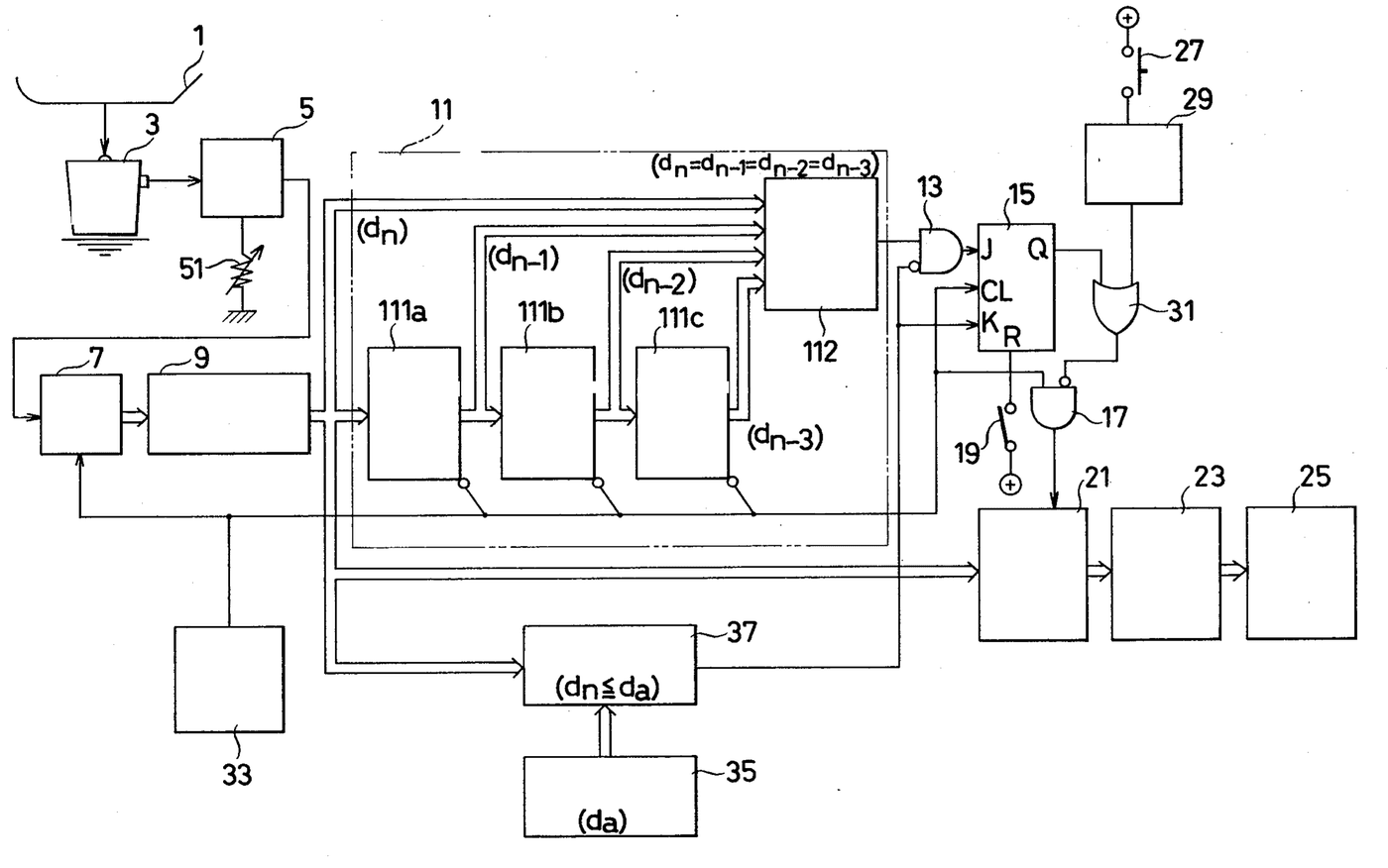
Source: S. Angel, US Patent 4,993,506 (1991). Unknown: the plate material and size, the maximum load, and the circuit. Ours: ebonite for the hard rubber, epoxy, the amplifier and display parts. Picture: patent drawing (Fig. 5).
Hejuru
2 days
Amabwiriza
1
1
Mount the four load cells
Mount the four load cells
Put one load cell in each corner of the rigid base plate. Screw each one down to small flat raised pads on the plate. Place the pads away from the edge of the cell's beam, so that fixing the cell does not change its sensitivity. Under each cell, tap two holes through the base for the overload screws. Not given: the plate material and size.
Ibikoresho by'iyi ntambwe:
 Akagari k'umutwaro4 ibice
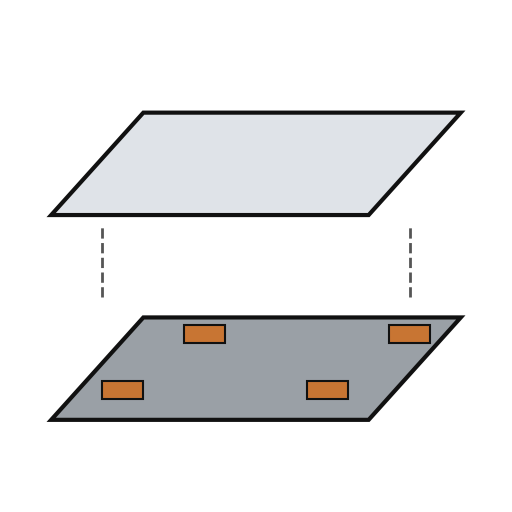 Igitereko n'urupapuro rwo hejuru by'umunzani1 base and top plate
 Ibitorezo by'imashini8 cell screws
Ibikoresho bikenewe:
 Agakoresho ko gukata imizingo y'ibyuma
 Ikusanyirizo ry'ibitorezi
 Ingano zitazwi
2
2
Wire one bridge and the readout
Wire one bridge and the readout
Each cell's two gauges are half a Wheatstone bridge. Join the four halves into one full bridge, one half at each corner, so the bridge gives a signal in step with the sum of the four loads. The signal is amplified, turned into numbers by an analog-to-digital converter, worked into pounds or kilograms and shown on a display. Put the electronics and batteries in the space between the plates. Not given: the circuit. Ours: an op-amp and a segment LCD.
Ibikoresho by'iyi ntambwe:
 Sirikwi ya amplifikateri y'imikorere1 amplifier
 Igihindura analogi muri dijitali1 igice
 Icyerekana LCD cy'ibice1 igice
 Bateri1 as the circuit needs
 Insinga yo guhuza1 as needed
 Urusinga rw'isudire1 a little
Ibikoresho bikenewe:
 Icyuma cyo gusudira
3
3
Fit the top plate on hard rubber pads
Fit the top plate on hard rubber pads
Glue four flat round pads of a rigid but slightly yielding material, such as hard rubber, under the top plate. Give each pad small round studs that snap into the two load holes of its cell, so the weight goes in at the centres of those holes. The pads soften impacts when something is dropped on the scale and take up sideways forces as the top plate bends. The snaps let the top plate be pulled off for repairs. Ours: ebonite and epoxy.
Ibikoresho by'iyi ntambwe:
 Inkoni ya ebonite1 four pads
 Epoksi y'Ibice Bibiri1 a little
Ibikoresho bikenewe:
 Umucumita w'Ibyuma
4
4
Fit the feet
Fit the feet
Under the base, below each cell, fix a shallow foot of flexible material such as hard rubber, rounded underneath. Put its lowest point exactly below the centre of the cell's beam: the floor then pushes up at the beam's centre without bending it, and the scale works on thick carpet or uneven floors. Ours: ebonite.
Ibikoresho by'iyi ntambwe:
Inkoni ya ebonite1 four feetEpoksi y'Ibice Bibiri1 a littleIbikoresho bikenewe:
Umucumita w'Ibyuma5
5
Set the overload stops
Set the overload stops
Load the scale to its maximum capacity. Turn the short screws in from below until they just touch the arms of each cell's loading element, then lock them with adhesive. Any heavier load now rests on the screws instead of bending the cells further. Not given: the maximum capacity. Ours: calibration weights and epoxy.
Ibikoresho by'iyi ntambwe:
Ibitorezo by'imashini8 overload screwsEpoksi y'Ibice Bibiri1 a littleIbikoresho bikenewe:
 Umutwe w'ibiro byo kugereranyaIkusanyirizo ry'ibitorezi
Ibikoresho
11- 4 ibiceUmwanya
- 1 base and top plateUmwanya
- 8 overload screwsUmwanya
- 1 amplifierUmwanya
- Umwanya
- 1 igiceUmwanya
- 1 as the circuit needsUmwanya
- 1 as neededUmwanya
- 1 a littleUmwanya
- 1 four feetUmwanya
- 3 a littleUmwanya
Ibikoresho bikenewe
6- Umwanya
- Umwanya
- 2 vendors sell this, none ship to you yetUmwanya
- Umwanya
Ibikoresho by'Ibishushanyo Bifitanye Isano
Iki gishushanyo gikora
Blueprint zijyanye
Izi blueprint zisangira ubumenyi — uburyo, ibikoresho cyangwa amahame

CC0 Umurenge rusange
Iyi blueprint yasohowe munsi ya CC0. Ushobora gukoporora, guhindura, gukwirakwiza no gukoresha nta kwemererwa.
Shyigikira Umuremyi ugura ibicuruzwa binyuze muri Blueprint ye Komisiyo y'Umuremyi byashyizweho n'Abacuruzi, cyangwa kora verisiyo nshya y'iyi Blueprint ukayinjiza nk'isano muri Blueprint yawe kugira ngo musangire inyungu.