Ubufatanye
UBUHANZI
UBWIZA N'UBUZIMA
UBUKORIKORI
UMUCO N'AMATEKA
IMYIDAGADURO
IBIDUKIKIJE
IBIRIBWA N'IBINYOBWA
UBWUBATSI BUSUBIRA INYUMA
UBUMENYI
SIPORO
IKORANABUHANGA
IBYAMBARWA
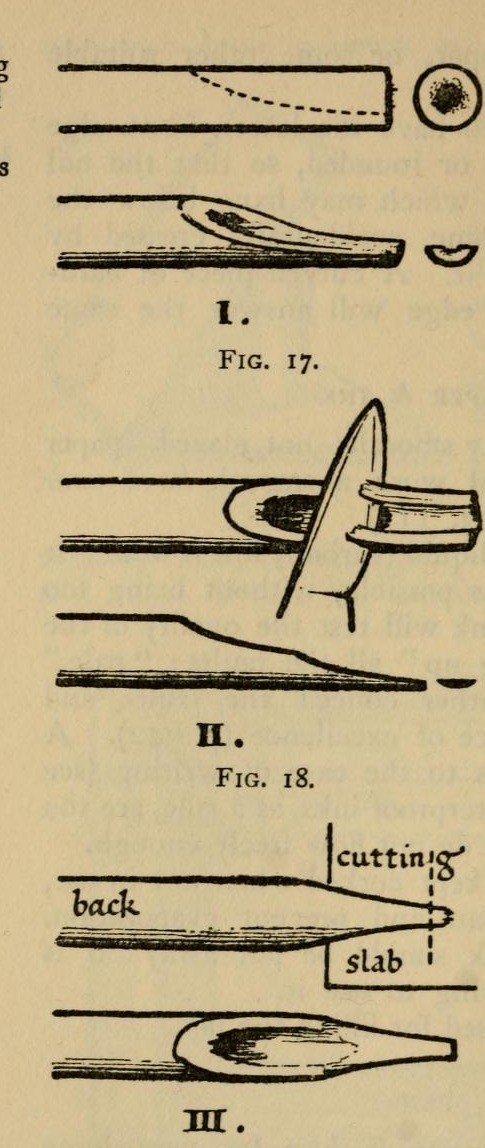


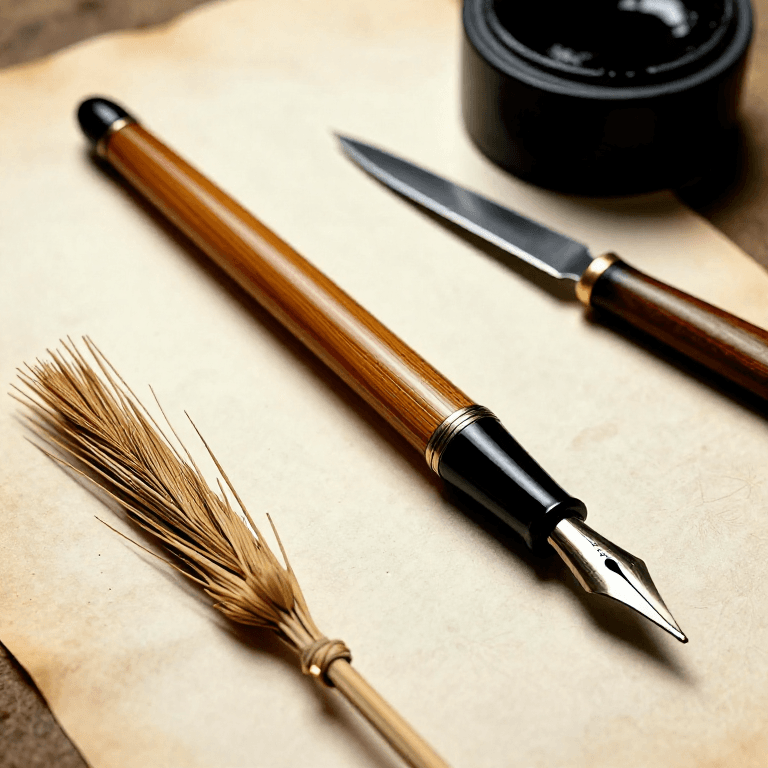
Calligraphy Pen Set: Cut Reed and Quill Pens with Ink Springs (Johnston, 1906)
Edward Johnston's broad-edged pens for formal writing: a reed or cane pen for letters over half an inch high, and a turkey quill for smaller work. Each nib is slit, cut square-chisel at about 70°, and given a folded tin spring underneath that holds a reservoir of ink. The width of the cut nib is exactly the width of the thickest stroke it will make.
Result: a set of reed and quill pens, cut to the widths you want.
Source: E. Johnston, Writing & Illuminating, & Lettering (1906), pp. 51-58. Picture: Figs. 17-19 of the book.
Utangiye
Unknown
Amabwiriza
1
1
Cut the reed pen
Cut the reed pen
Take a reed or fine hollow cane about 8 inches long. Cut one end off obliquely and shave away the soft inside with the knife laid flat, leaving the hard shell. Lay the nib back up on the slab and, knife vertical, cut the tip off square. Slit the middle of the tip with the knife point, then lengthen the slit to about 3/4 inch by twitching a pencil upward under the nib, pressing the left thumbnail on the back about 1 inch from the tip so it does not split too far. A very stiff pen may get an extra slit each side. Finally cut the tip off at about 70° to the shaft, removing the first rough slit. Ours: reed straws.
Ibikoresho by'iyi ntambwe:
 Imirya y'urubingo yo kunywera1 reed pens
Ibikoresho bikenewe:
 Icyuma cy'Ubukorikori
 Ikibaho cy'ikirahure
2
2
Cut the quill pen
Cut the quill pen
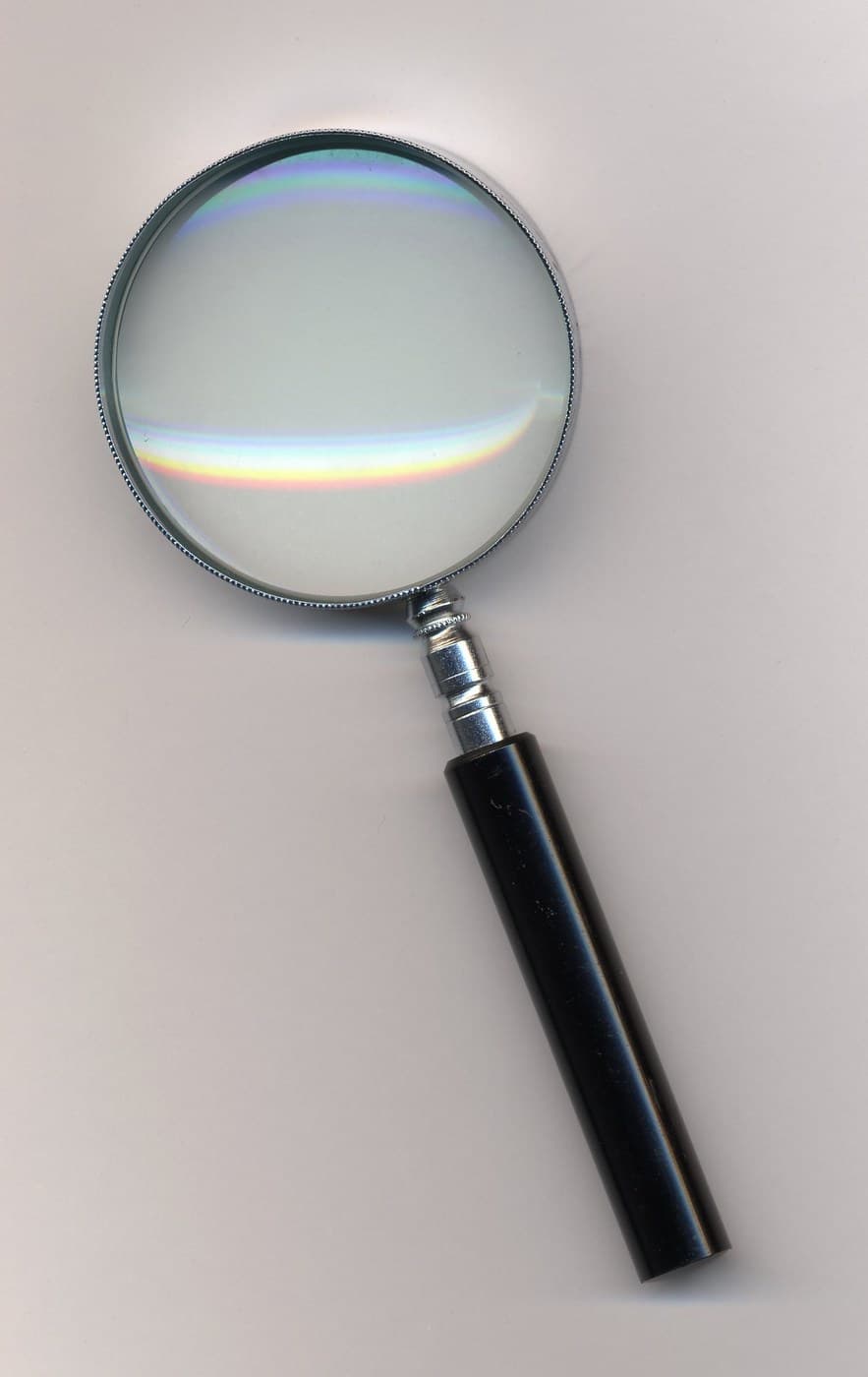
Cut a turkey wing quill down to 7 or 8 inches and strip the barbs off the shaft. The nib usually has a slit about 1/4 inch long; lengthen it to 3/8 inch in a very stiff pen. Pare the sides until the tip is a little narrower than the width wanted. Lay it back up on the glass slab and cut the extreme tip off with the knife slightly sloped, its edge at about 70° to the shaft. Cut very little at a time. Check under a magnifying glass that both half-nibs end on one straight line, with a sharp, oblique chisel edge.
Ibikoresho by'iyi ntambwe:
 Amababa1 turkey quills
Ibikoresho bikenewe:
Icyuma cy'UbukorikoriIkibaho cy'ikirahure Indorerwamo Yagura
3
3
Fit the ink springs
Fit the ink springs
Cut a strip of very thin tin (or clock spring softened by heating and slow cooling) as wide as the nib and about 2 inches long, and fold it into a spring. Spring its short loop into the pen so it holds itself in place. The long loop, kept rather flat, holds the ink under the nib, with its point about 1/8 inch from the end of the nib. Too curved and it holds only a drop; quite flat and it draws the ink away from the nib.
Ibikoresho by'iyi ntambwe:
 Urubaho rw'icyuma gitwikiriye1 ink springs
Ibikoresho bikenewe:
 Ibyuma bikata ibyuma bisanzwe
Ibikoresho
3- 1 reed pensUmwanya
- 1 turkey quillsUmwanya
- 1 ink springsUmwanya
Ibikoresho bikenewe
4- Umwanya
- Umwanya
- Umwanya
Ibikoresho by'Ibishushanyo Bifitanye Isano



Iki gishushanyo gikora

Blueprint zijyanye
Izi blueprint zisangira ubumenyi — uburyo, ibikoresho cyangwa amahame
CC0 Umurenge rusange
Iyi blueprint yasohowe munsi ya CC0. Ushobora gukoporora, guhindura, gukwirakwiza no gukoresha nta kwemererwa.
Shyigikira Umuremyi ugura ibicuruzwa binyuze muri Blueprint ye Komisiyo y'Umuremyi byashyizweho n'Abacuruzi, cyangwa kora verisiyo nshya y'iyi Blueprint ukayinjiza nk'isano muri Blueprint yawe kugira ngo musangire inyungu.