UBUHANZI
UBWIZA N'UBUZIMA
UBUKORIKORI
UMUCO N'AMATEKA
IMYIDAGADURO
IBIDUKIKIJE
IBIRIBWA N'IBINYOBWA
UBWUBATSI BUSUBIRA INYUMA
UBUMENYI
SIPORO
IKORANABUHANGA
IBYAMBARWA
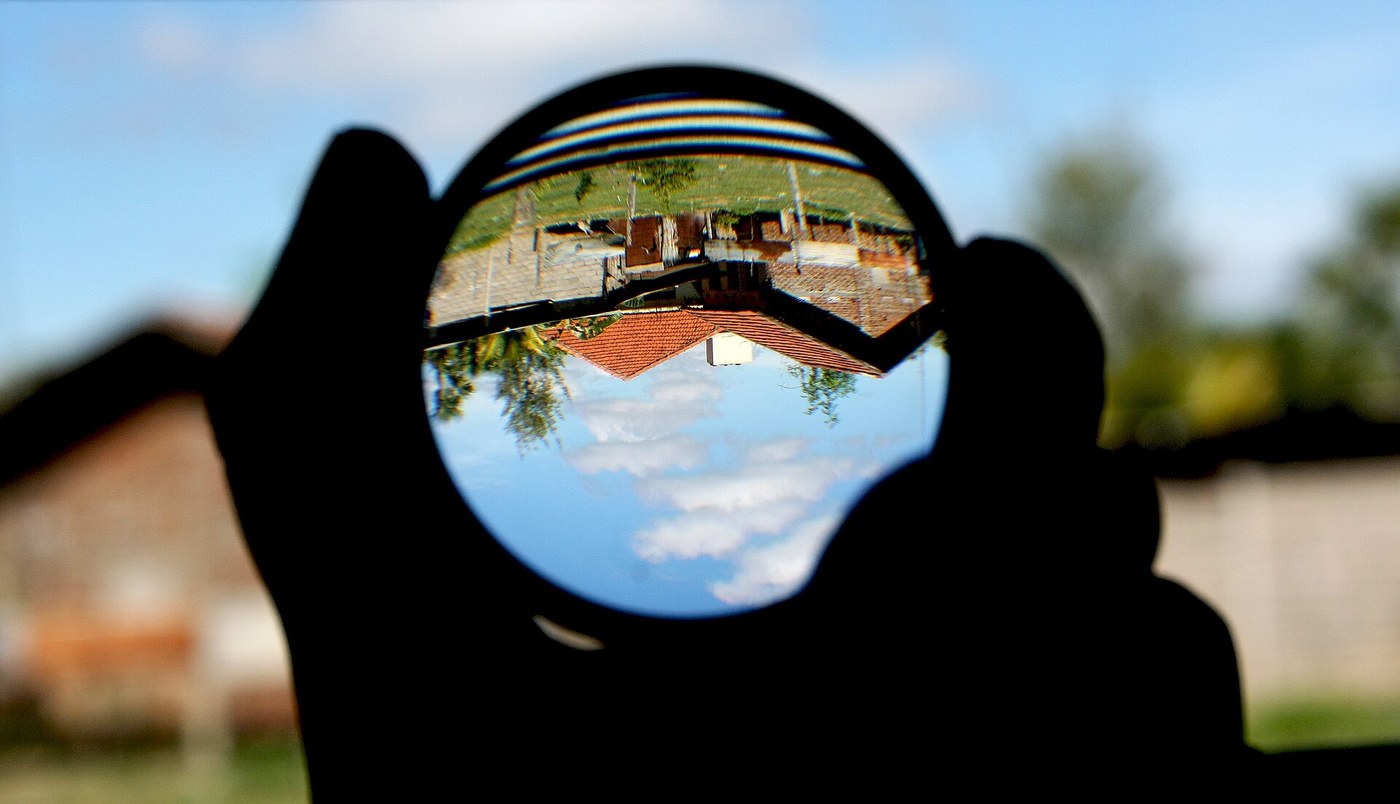


Convex and Concave Lenses Ground as a Pair
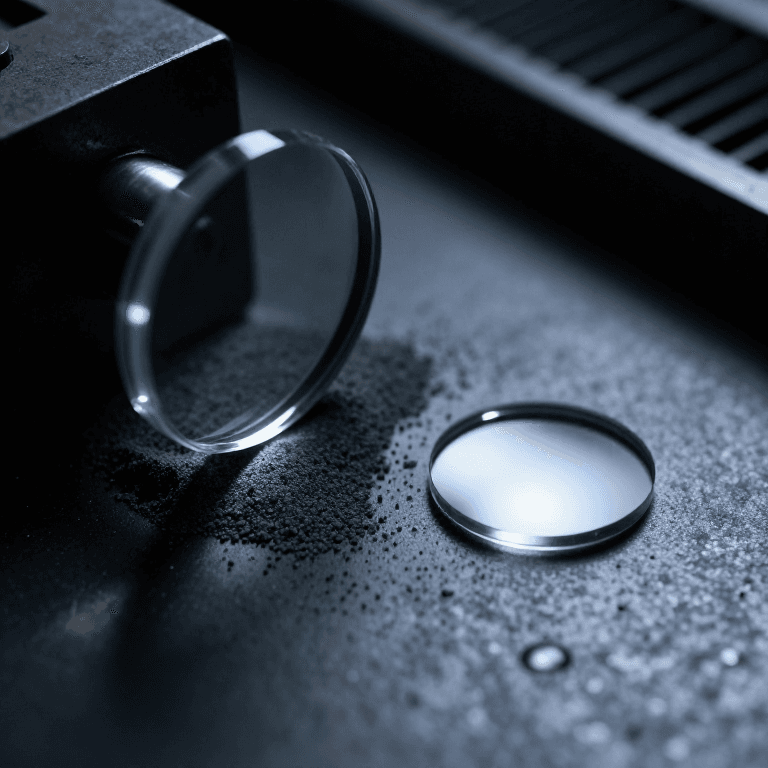
Rub one glass disc over another with wet grit and both change shape: the one on top goes hollow, the one beneath goes domed, and they stay a perfect fit. Grind both faces of a pair this way and the bottom disc becomes a double-convex lens, the top one a double-concave lens of the same curve. Longer work gives deeper curves and shorter focal lengths.
The picture: a double-convex lens held at arm's length shows the scene small and upside down.
Hejuru
Several days per pair
Amabwiriza
1
1
Cut two discs
Cut two discs
Score two equal circles on the glass sheet, snap them out and nibble the edges round with grozing pliers. Fix a short wooden handle to the back of each with warm pitch.
Ibikoresho by'iyi ntambwe:
 Ikibaho cy'ikirahure1 igice
 Ubunyu bwa gudurona ya pine20 g
 Agace k'igiti gikomeye1 igice
Ibikoresho bikenewe:
 Igikata ikirahuri
 Amafashi yo kwerura ikirahure
 Amadarubindi y'umutekano
2
2
Rough grind the first faces
Rough grind the first faces
Lay one disc face up on a firm table, wet it and sprinkle coarse grit. Push the other disc over it, face down, in short strokes, turning both a little all the time. The top one becomes concave, the bottom convex. Rinse and recharge as the grit wears.
Ibikoresho by'iyi ntambwe:
 Amazi2 litiro
Ibikoresho bikenewe:
 Umurongo w'ipima
 Udukombe twa karubide ya silikoni
3
3
Check the curve
Check the curve
Lay a ruler across the hollow disc and measure the depth at the centre with the caliper. Keep the top disc on top to deepen the curve; swap them to flatten it.
Ibikoresho bikenewe:
Umurongo w'ipima Ikigereranyo cya Digitale cy'Amasentimetero 6
4
4
Fine grind and polish
Fine grind and polish
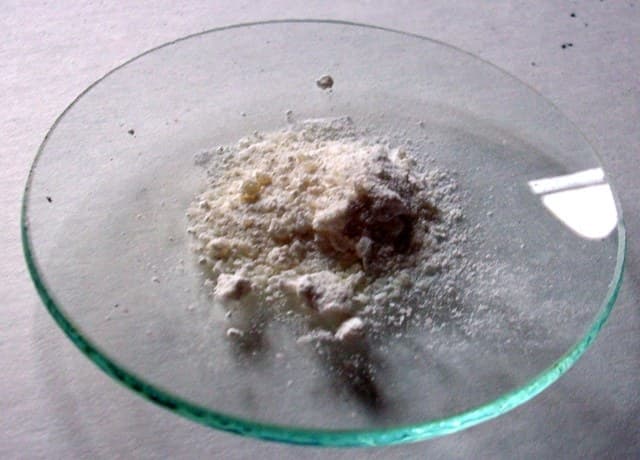
Go through finer grits, washing everything clean between grits. Polish each face on a pitch lap pressed to the other disc's curve, with tin oxide (putty powder) and water, until clear.
Ibikoresho by'iyi ntambwe:
 Oksidi ya etain (oksidi ya sitanike)30 gUbunyu bwa gudurona ya pine100 g
Ibikoresho bikenewe:
Udukombe twa karubide ya silikoni5
5
Turn them over, do the second faces
Turn them over, do the second faces
Move the handles to the finished faces and grind the other sides the same way, the same disc on top, to the same depth. The bottom disc is now a double-convex lens, the top one double-concave.
Ibikoresho by'iyi ntambwe:
Oksidi ya etain (oksidi ya sitanike)20 gIbikoresho bikenewe:
Ikigereranyo cya Digitale cy'Amasentimetero 6Udukombe twa karubide ya silikoni6
6
Find the focal length
Find the focal length
Hold the convex lens in sunlight over paper and move it until the spot is smallest; that distance is its focal length. Grind more pairs to different depths for a set of focal lengths.
Ibikoresho bikenewe:
Umurongo w'ipima7
7
Focal length from the curve
Focal length from the curve
Gupakira ikaye ya Jupyter…
8
8
Limits
Limits
Which disc goes hollow is the mirror makers' rule (Sky & Telescope, Stellafane); the lens formula is from Wikipedia. Window glass is not optical glass: expect some colour fringes and bubbles.
Ibikoresho
5- 1 igiceUmwanya
- Umwanya
- 1 igiceUmwanya
- 2 litiroUmwanya
- Umwanya
Ibikoresho bikenewe
6- Umwanya
- Umwanya
- Umwanya
Iki gishushanyo gikora


Blueprint zijyanye
Izi blueprint zisangira ubumenyi — uburyo, ibikoresho cyangwa amahame

CC0 Umurenge rusange
Iyi blueprint yasohowe munsi ya CC0. Ushobora gukoporora, guhindura, gukwirakwiza no gukoresha nta kwemererwa.
Shyigikira Umuremyi ugura ibicuruzwa binyuze muri Blueprint ye Komisiyo y'Umuremyi byashyizweho n'Abacuruzi, cyangwa kora verisiyo nshya y'iyi Blueprint ukayinjiza nk'isano muri Blueprint yawe kugira ngo musangire inyungu.