
Making a Daguerreotype — The First Practical Photograph, Drawn in Silver and Mercury
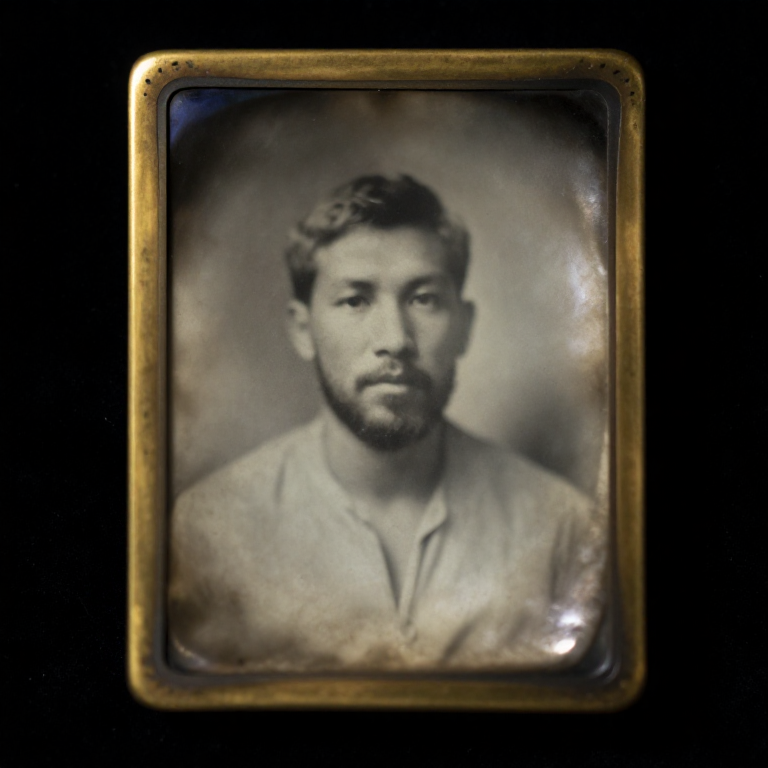
In 1839 Louis Daguerre announced a way to fix the fleeting image of the camera obscura permanently onto a metal plate, and the world suddenly had photography. A daguerreotype is unlike a modern photo: it is a single, unrepeatable image formed in a film of silver on a mirror-polished plate, so sharp and detailed that nothing matched it for decades.
The method is pure chemistry and patience. A silver-faced plate is fumed with iodine to make a light-sensitive skin of silver iodide, exposed in a camera for minutes, then developed by holding it over a dish of warm mercury — whose vapour clings to exactly the spots that light has struck, building the picture. A bath of hyposulphite of soda dissolves away the unexposed silver so the image stops reacting to light.
The results were miraculous and the process was perilous: mercury vapour is a potent poison, and many early photographers paid for their art with their health. Each daguerreotype is also unique — there is no negative — which is why every surviving one is a singular object. It is the chemical bridge between the camera obscura and all photography that followed.
Ibirimo biteje akaga
Iki gikorwa kirimo imikorere yangiza. Injira hanyuma ufungure ibikoresho byangiza mu igenamiterere ryawe kugira ngo urebe amabwiriza.
InjiraIki gishushanyo gikora

Blueprint zijyanye
Izi blueprint zisangira ubumenyi — uburyo, ibikoresho cyangwa amahame
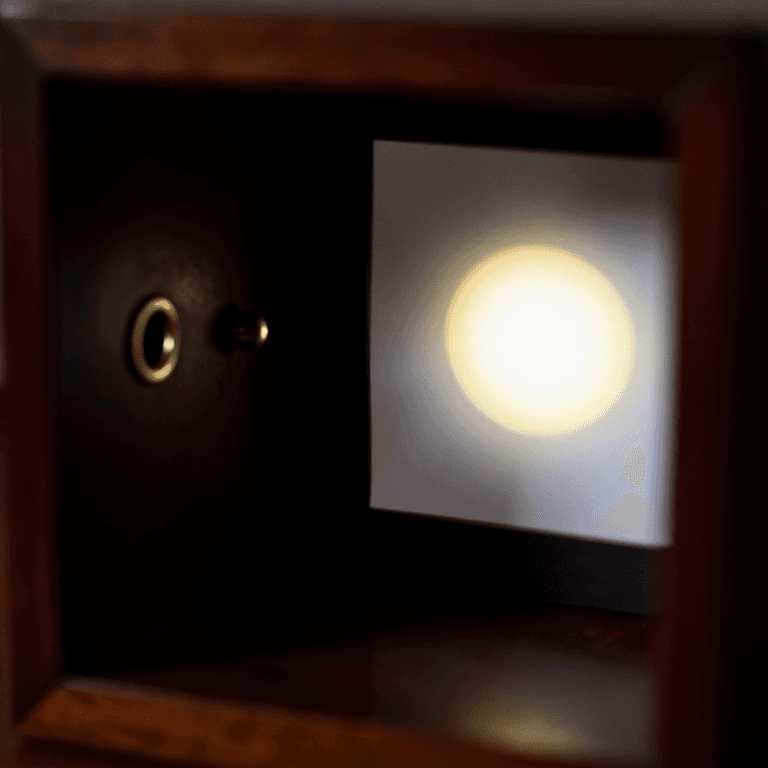
Building a Camera Obscura — Projecting the Sun and Eclipses Safely
na Astro
Ububaji
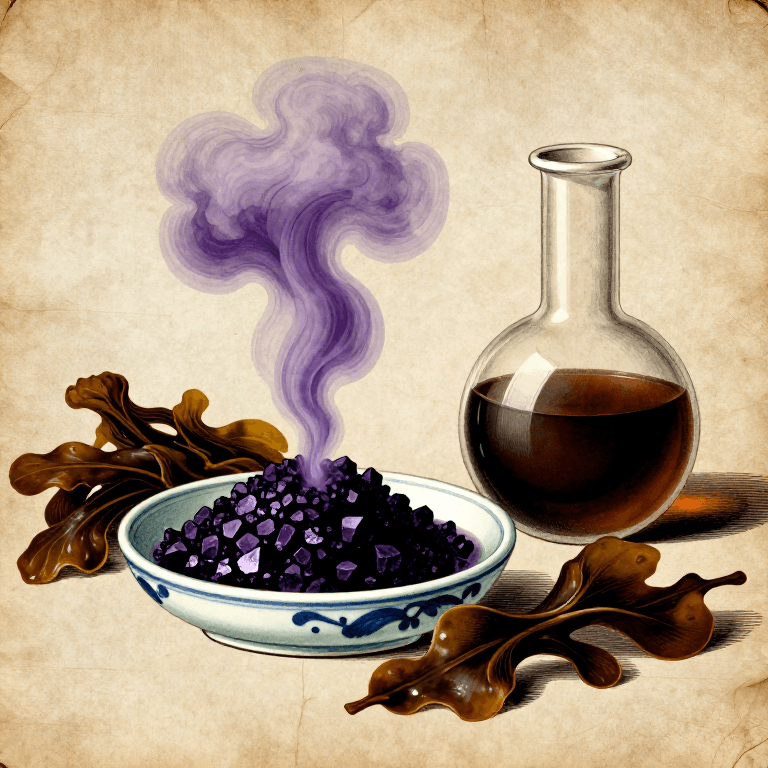
Extracting Iodine from Seaweed Ash — The Violet Vapor That Prevents Goiter
na Peter
Inyanja
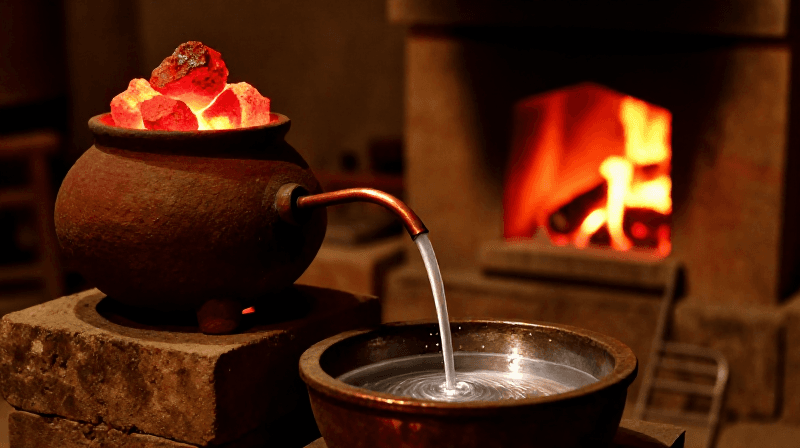
Extracting Mercury from Cinnabar — Distillation of Quicksilver from Red Ore
na Peter
Ubucukuzi bw'Amabuye y'Agaciro
CC0 Umurenge rusange
Iyi blueprint yasohowe munsi ya CC0. Ushobora gukoporora, guhindura, gukwirakwiza no gukoresha nta kwemererwa.
Shyigikira Umuremyi ugura ibicuruzwa binyuze muri Blueprint ye Komisiyo y'Umuremyi byashyizweho n'Abacuruzi, cyangwa kora verisiyo nshya y'iyi Blueprint ukayinjiza nk'isano muri Blueprint yawe kugira ngo musangire inyungu.