Ubufatanye
UBUHANZI
UBWIZA N'UBUZIMA
UBUKORIKORI
UMUCO N'AMATEKA
IMYIDAGADURO
IBIDUKIKIJE
IBIRIBWA N'IBINYOBWA
UBWUBATSI BUSUBIRA INYUMA
UBUMENYI
SIPORO
IKORANABUHANGA
IBYAMBARWA
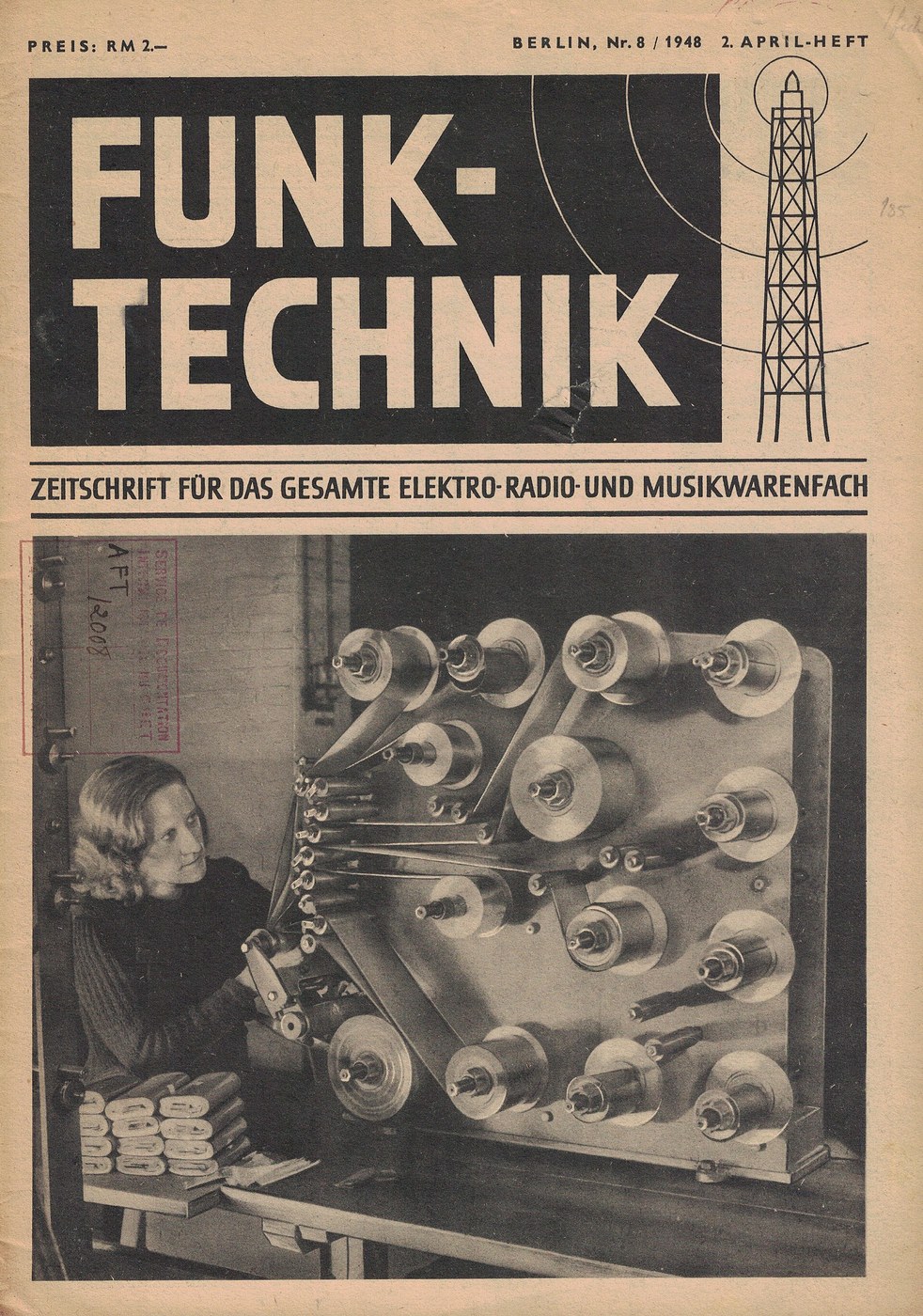


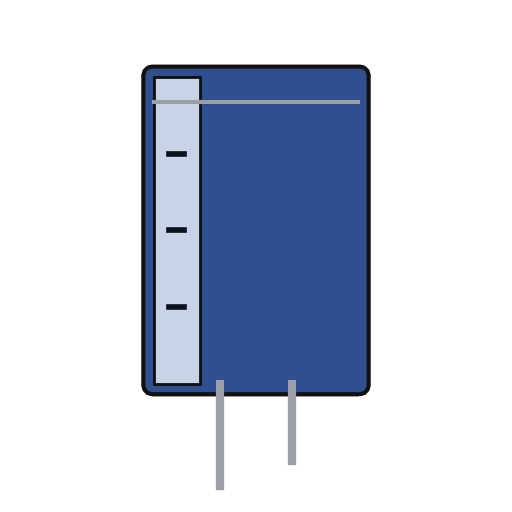
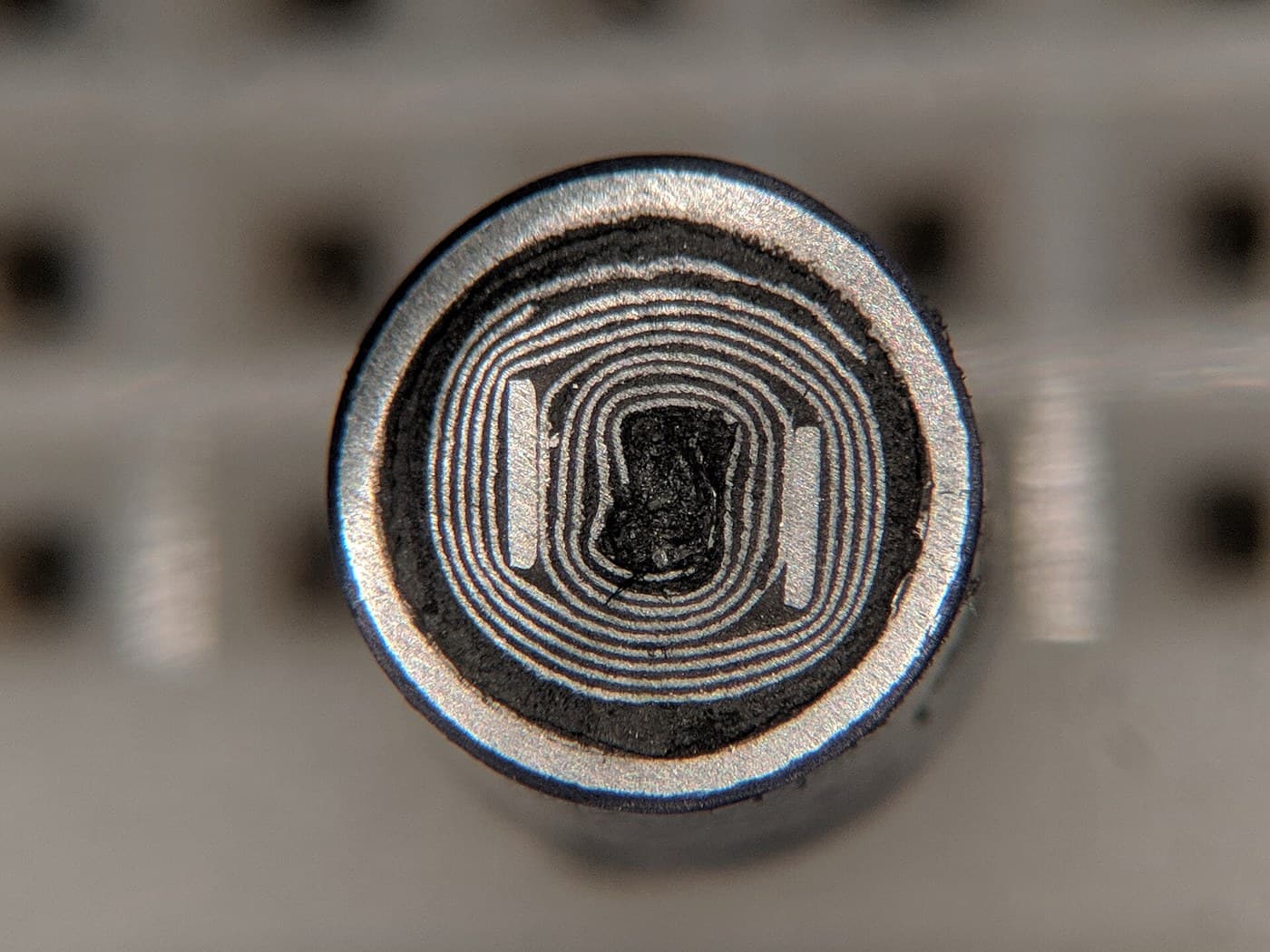
Electrolytic Capacitors: Borate Paper Wound with Formed Aluminium Foil and Vacuum-Impregnated (Danziger, US 2,107,780)
A dry electrolytic capacitor wound from aluminium foil and paper. The paper is first soaked in ammonium borate and dried, so the salt is already in its fibres. After winding, the bodies are soaked under heat and vacuum in borate dissolved in glycol, boxed and aged at 500 volts.
Result: electrolytic capacitors. In the patent's tests these lost only 4.8 % of their capacity, against about 33 % for bodies made the ordinary way, and their power-factor loss rose 87 % on life test against 250 %.
Source: H. I. Danziger and A. Di Giacomo, US 2,107,780 (1938). Unknown: how the anode foil is formed, which paper, the tab metal, and how the ammonium borate is made; the patent does not give them. Picture: Wikimedia Commons.
Hejuru
1 day
Amabwiriza
1
1
Salt the paper
Salt the paper
Draw the paper strip through a saturated solution of ammonium borate in water, about 15 to 30 seconds for each part of it, then dry it at about 80 °C for about 15 seconds and reel it up. The salted paper keeps until needed. Unknown: which paper. Ours: a tray for the bath and a drying oven.
Ibikoresho by'iyi ntambwe:
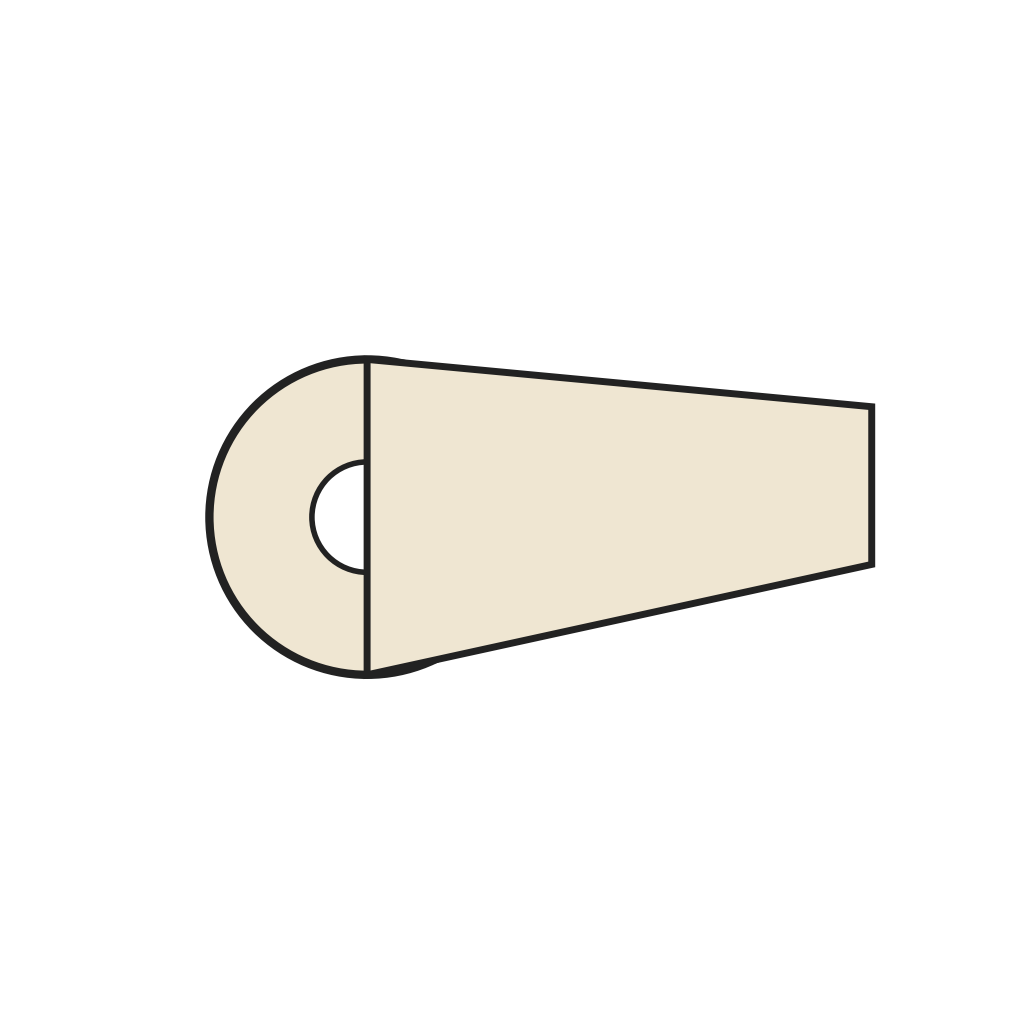 Urupapuro rutandukanya rwa condensateur1 strip
 Amoniyumu borate1 to saturate
Ibikoresho bikenewe:
 Amazi
 Isahani
 Ifuru yo kumishaho
2
2
Wind the bodies
Wind the bodies
On a winding machine, wind two aluminium foil strips with the salted paper between them onto a mandrel; at least one foil must already carry its electrolytic film. One paper strip is enough. Let the paper stand out at both ends, bring a connection tab out of each end, cut the strips and hold the body wound with a rubber band. Unknown: how the foil was formed, and the tab metal.
Ibikoresho by'iyi ntambwe:
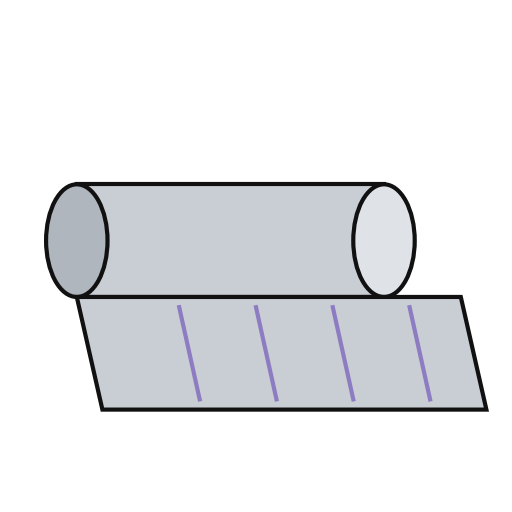 Urupapuro rwa aluminiyumu rwakozweho agahu1 strip
 Urupapuro rwa Aluminiyumu1 strip
 Icyuma kitazwi2 tabs
Ibikoresho bikenewe:
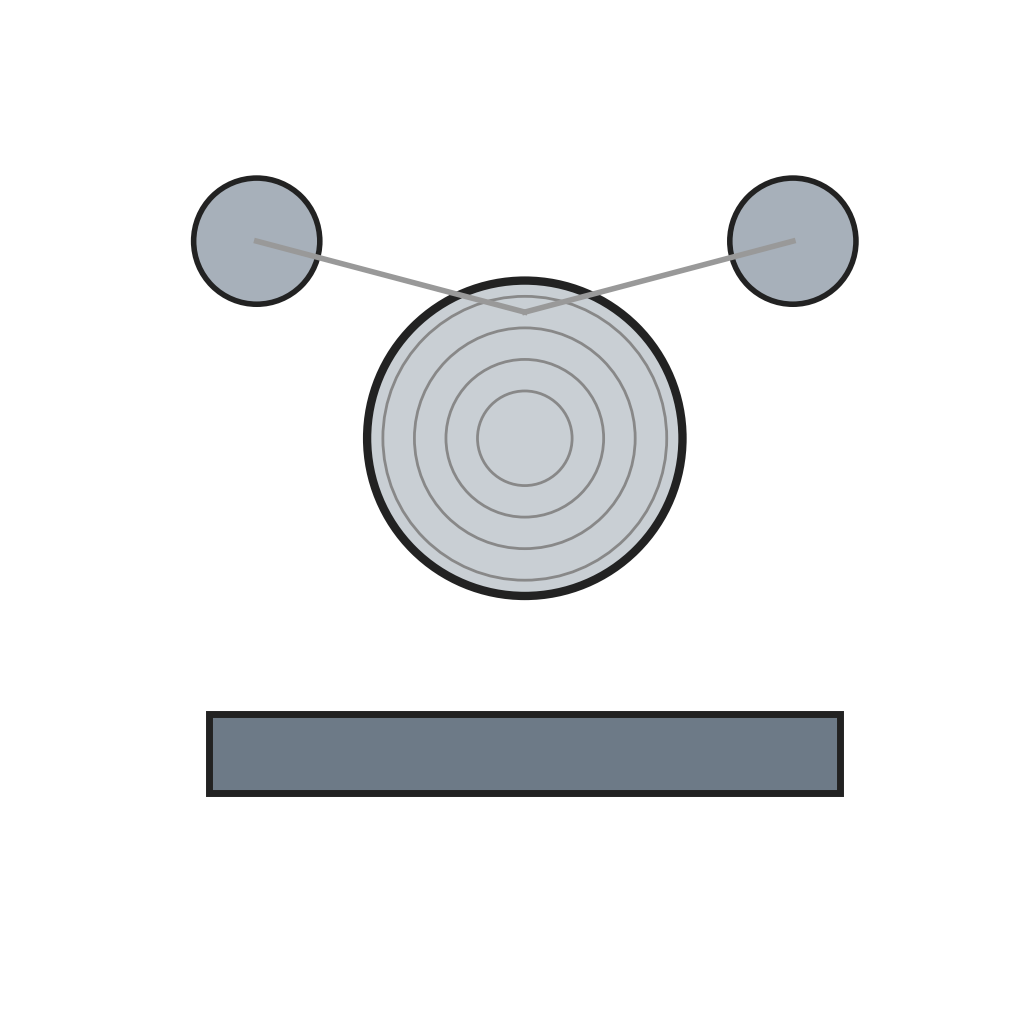 Imashini izinga condensateurs
 Utuzingo tw'ikawusu
3
3
Make the impregnant
Make the impregnant
Heat ethylene glycol to about 90 °C, then stir in powdered ammonium borate slowly and continuously until the solution reaches about 122 °C. Ours: a hot plate and thermometer.
Ibikoresho by'iyi ntambwe:
 Etilene glikoli1 as requiredAmoniyumu borate1 as required
Ibikoresho bikenewe:
 Urubaho rushyushya
 Igipima Ubushyuhe
4
4
Soak under heat and vacuum
Soak under heat and vacuum
Rack the bodies in a vacuum tank heated to about 50 °C and draw about 745 mm of vacuum for about an hour to pull out air and moisture. Draw in the impregnant at about 85 °C, ease the vacuum to about 310 mm, and hold at about 85 °C for about another hour.
Ibikoresho bikenewe:
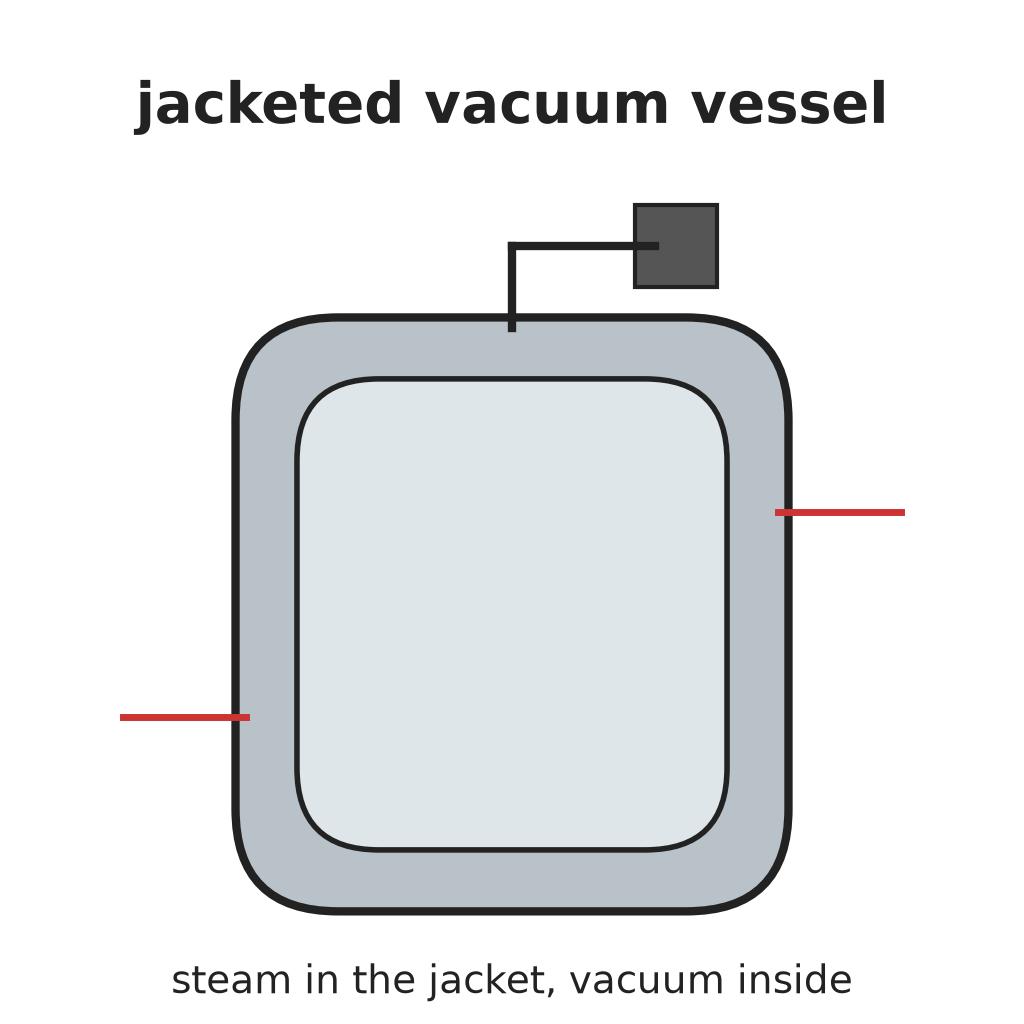 Igikoresho cy'icyuho gifite ikoti ry'umwuka w'amazi
 Pompe ikuramo umwukaIgipima Ubushyuhe
5
5
Box and age
Box and age
Take the bodies out, put them in cardboard containers, and age them at about 500 volts DC for about three hours.
Ibikoresho by'iyi ntambwe:
 Umuyoboro wa karito1 per capacitor
Ibikoresho bikenewe:
 Inkomoko y'amashanyarazi ahoraho menshi (cy'ameza)
Ibikoresho
7- Umwanya
- 1 as requiredUmwanya
- Umwanya
- 1 stripUmwanya
- 2 tabsUmwanya
- 1 as requiredUmwanya
- 1 per capacitorUmwanya
Ibikoresho bikenewe
10- Umwanya
- Umwanya
- Umwanya
- Umwanya
- Umwanya
- Umwanya
- 1 vendor sell this, none ship to you yetUmwanya
Iki gishushanyo gikora
Blueprint zijyanye
Izi blueprint zisangira ubumenyi — uburyo, ibikoresho cyangwa amahame
CC0 Umurenge rusange
Iyi blueprint yasohowe munsi ya CC0. Ushobora gukoporora, guhindura, gukwirakwiza no gukoresha nta kwemererwa.
Shyigikira Umuremyi ugura ibicuruzwa binyuze muri Blueprint ye Komisiyo y'Umuremyi byashyizweho n'Abacuruzi, cyangwa kora verisiyo nshya y'iyi Blueprint ukayinjiza nk'isano muri Blueprint yawe kugira ngo musangire inyungu.