Ubufatanye
UBUHANZI
UBWIZA N'UBUZIMA
UBUKORIKORI
UMUCO N'AMATEKA
IMYIDAGADURO
IBIDUKIKIJE
IBIRIBWA N'IBINYOBWA
UBWUBATSI BUSUBIRA INYUMA
UBUMENYI
SIPORO
IKORANABUHANGA
IBYAMBARWA
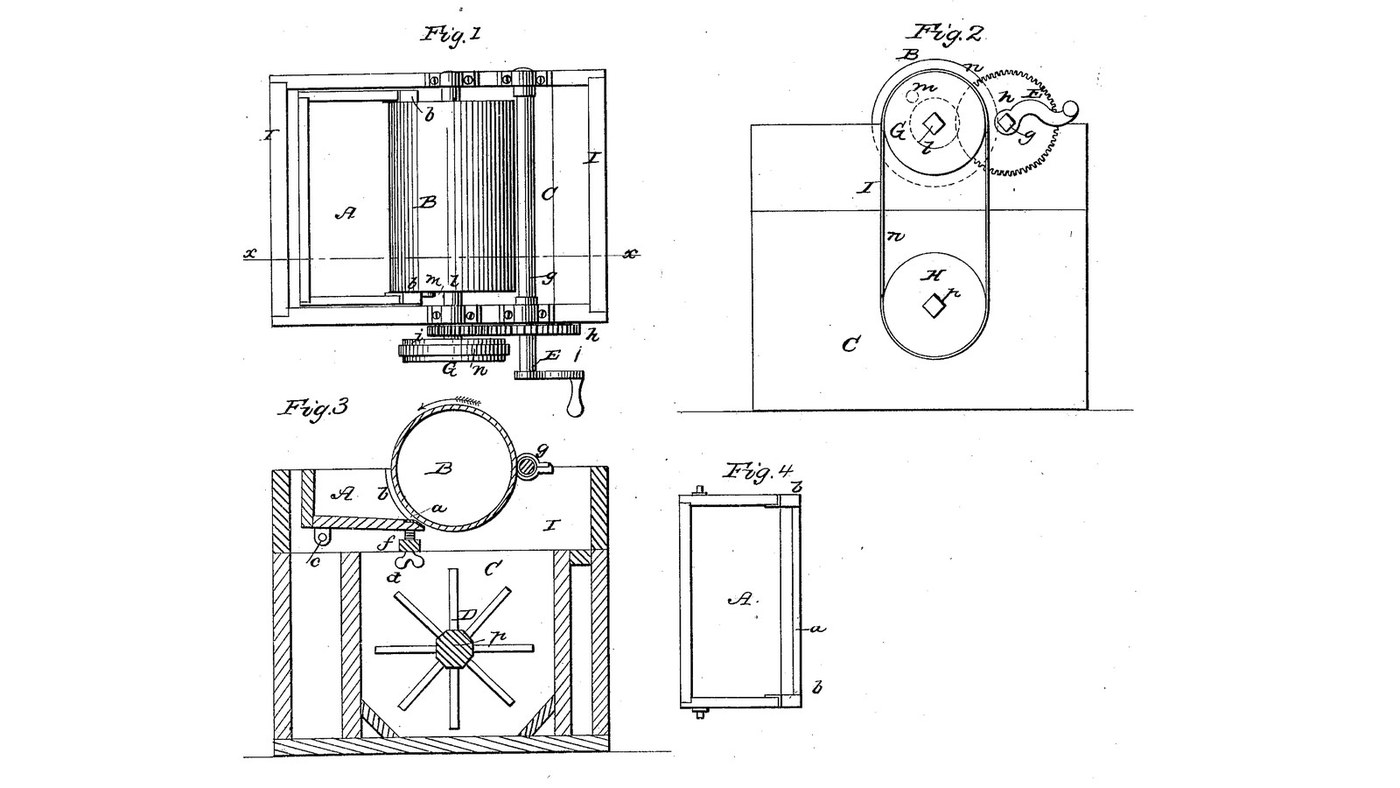

Hot-Water Cylinder Churn: Cream Is Crushed Between a Warm Turning Cylinder and an Adjustable Plate, Then Falls to a Dasher
Jason W. Hardie of New York received US 27,446, dated 13 March 1860, for a churn. Cream in a hopper is drawn between a turning cylinder filled with hot water and a plate set close against it, which crushes the butter globules and warms them only for that moment; it falls in a thin sheet into the churn body, losing the heat again, and a dasher driven by a band from the cylinder gathers the butter.
The patent gives no sizes and no water temperature; every size here is ours.
Hejuru
About 3 days, plus printing
Amabwiriza
1
1
Warm for a moment only
Warm for a moment only
Gupakira ikaye ya Jupyter…
2
2
A turning cylinder churn, one month before
A turning cylinder churn, one month before
Ward churns inside his cylinder. Hardie works the cream on the outside of his, against a plate.
3
3
Read US 27,446
Read US 27,446
"It is desirable to have the butter globules warmed only at the moment they are acted on, and to heat the milk or cream as little, and as little time, as possible, to make good butter." ... "And the cream, after passing under the cylinder, falls in a thin sheet, or in small streams, or drops, through the air, into the churn body beneath, thereby again parting with much of the heat acquired from the cylinder."
4
4
Print the cog-wheel h
Print the cog-wheel h
Spur gear, module 2.5, 60 teeth, 18 mm wide, with a hub 30 mm across; bored 16.4 mm. PETG, 0.2 mm layers, 40 % infill, 4 walls.
5
5
Print the pinion i
Print the pinion i
Spur pinion, module 2.5, 16 teeth, 18 mm wide, with a hub 30 mm across; bored 16.4 mm. PETG, 0.2 mm layers, 40 % infill, 4 walls.
6
6
Print the pulleys G and H
Print the pulleys G and H
Pulley 100 mm across with a round groove for an 8 mm belt; bored 16.4 mm. Print two. PETG, 0.2 mm layers, 40 % infill, 4 walls.
7
7
Churn body C and frame I
Churn body C and frame I
From 20 mm hardwood board make the body 400 x 350 mm inside and 350 deep; glue and screw it and seal the inside joints with silicone sealant. Bore the two long walls 16.8 mm across, 120 mm above the floor and on the centre line, for the dasher's shaft p. For the frame I cut two cheeks 440 x 230 mm that stand on the body's long walls, joined by cleats so the frame lifts off. Bore both cheeks 16.8 mm for the cylinder's shaft l, 40 mm from the centre and 120 mm above the body's top edge, and 16.8 mm for the winch shaft g, 95 mm from l at 45 degrees up and outward. Screw a hardwood cross-piece f, 40 x 20 mm, between the cheeks under the plate's place, and fit a nut in it for the thumb-screw d.
Ibikoresho by'iyi ntambwe:
 Ikibaho cy'Igiti Gikomeye4 ibice
 Ikinyabutabire cy'Ibiti1 igice
 Imisumari y'ibiti40 ibice
 Igifunga cya silikone1 igice
 Umupira w'Impande Esheshatu1 igice
Ibikoresho bikenewe:
 Ikimasa cyo ku meza
 Umucumita wa Jigsaw
 Icyuma Cyivumbura Kidafite Insinga
 Ibyuma Byinshi byo Gucukura
 Igifashe cy'inkoni
 Ikusanyirizo ry'ibitorezi
 Umugozi wo Gupima
 Urupapuro rwo Gusya
8
8
Cylinder B, shaft l and stopper m
Cylinder B, shaft l and stopper m
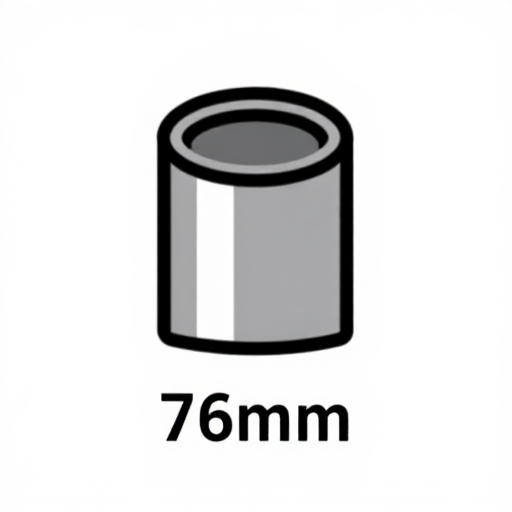
Cut 300 mm of stainless tube 160 mm across. Cut two end discs from 15 mm HDPE sheet to fit inside it; bore both 16 mm on the centre for a 16 mm stainless shaft, 500 mm long, and one 20 mm, 50 mm off centre, for a rubber stopper. Press the discs into the tube on the shaft, screw them through the tube with stainless screws, and seal the discs and the shaft's passage with silicone sealant so the cylinder holds water.
Ibikoresho by'iyi ntambwe:
 Umuyoboro w'icyuma kitagira ingese1 igice
 Urupapuro rwa HDPE1 igice
 Agati k'icyuma kitagira ingese1 igice
 Ibipfundikizo by'ikawushu1 igice
 Ibitorezo by'imashini12 ibiceIgifunga cya silikone1 igice
Ibikoresho bikenewe:
 Umucumita w'IbyumaUmucumita wa JigsawIcyuma Cyivumbura Kidafite InsingaIbyuma Byinshi byo Gucukura
 Amakariso (Ikariso ry'Intoki)Ikusanyirizo ry'ibitorezi
9
9
Hopper A, plate a, packing strips b and thumb-screw d
Hopper A, plate a, packing strips b and thumb-screw d
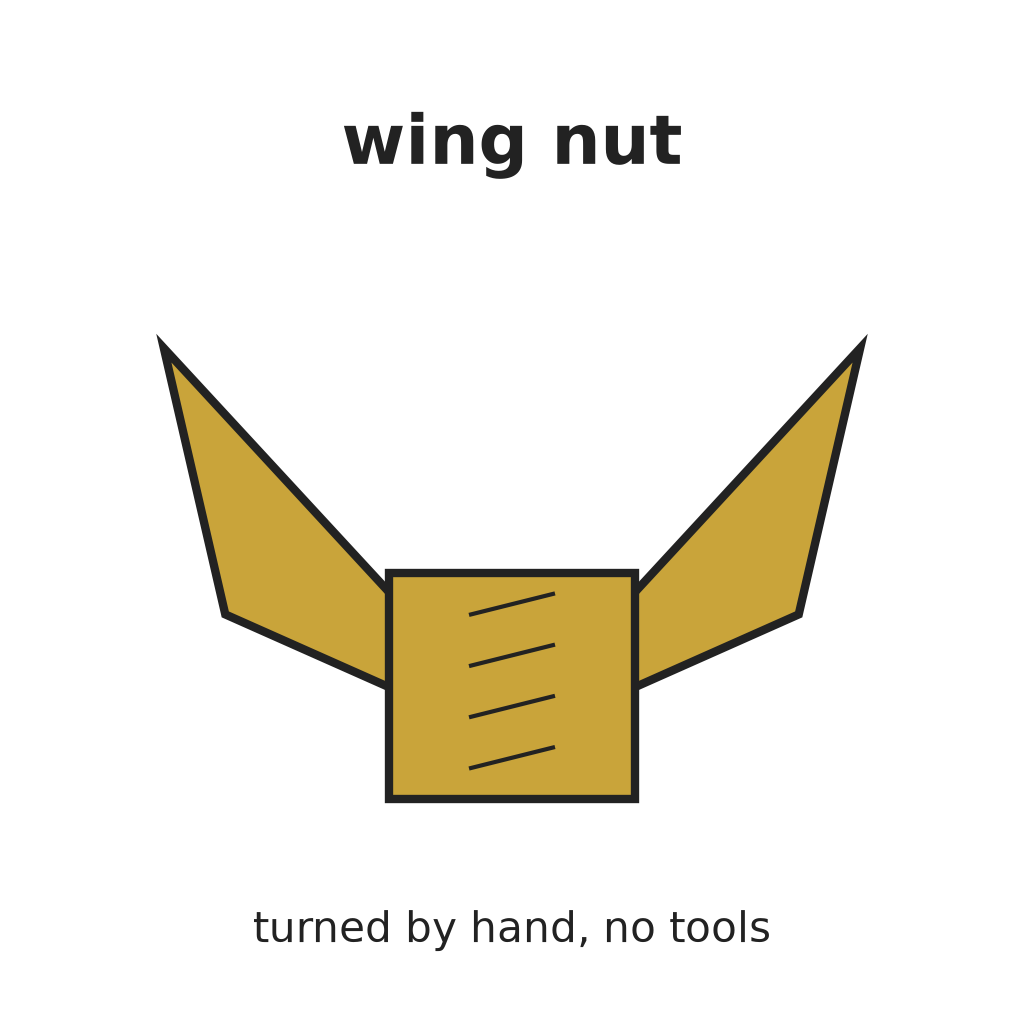
Make a hardwood hopper 302 mm long inside, to take the cylinder: an outer wall, two end walls and a bottom sloping down to the cylinder, its inner edge cut to the cylinder's curve. Bend a strip of stainless sheet to the curve and screw it over that edge as the plate a. Screw HDPE strips on the end walls' inner faces as packing b, to run against the cylinder's ends. Hang the hopper's outer bottom corner on a 10 mm stainless pin c through the cheeks. Cut 60 mm of threaded rod with a wing nut locked on one end as the thumb-screw d; run it up through the cross-piece's nut to bear under the hopper, and turn it until the plate is about 1.5 mm from the cylinder.
Ibikoresho by'iyi ntambwe:
Ikibaho cy'Igiti Gikomeye1 igice Urupapuro rw'icyuma kitagira ingese1 igiceUrupapuro rwa HDPE1 igiceAgati k'icyuma kitagira ingese1 igice
 Inkoni ifite imirongo1 igice
 Inoti y'amababa1 igiceUmupira w'Impande Esheshatu1 igiceImisumari y'ibiti16 ibiceIkinyabutabire cy'Ibiti1 igice
Ibikoresho bikenewe:
Ikimasa cyo ku mezaUmucumita wa Jigsaw Ibyuma bikata ibyuma bisanzwe
 Ifatiro ry'AmezaIcyuma Cyivumbura Kidafite InsingaIbyuma Byinshi byo GucukuraUmucumita w'Ibyuma
 Isupana ihindurwaIkusanyirizo ry'ibitorezi
10
10
Dasher D, gears, winch E and band n
Dasher D, gears, winch E and band n
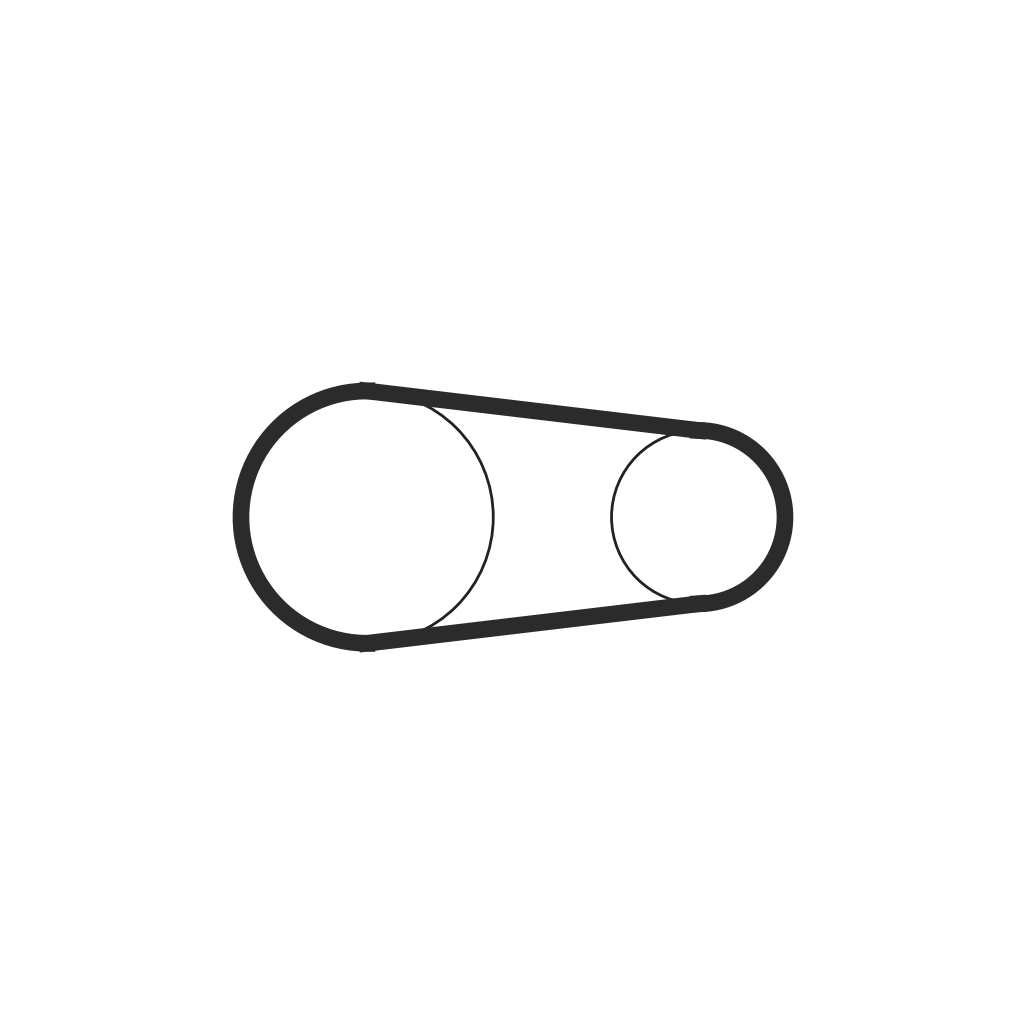
Pass a 16 mm stainless shaft p through the body's walls and fit the dasher on it: a hardwood hub with eight 12 mm dowel arms reaching 100 mm, in three sets along the shaft. Fit the cylinder's shaft in the cheeks with the pinion i on one end and the pulley G on the other, the cog-wheel h on the winch shaft g meshing the pinion, and a hardwood crank with a dowel handle on g as the winch E. Fit the pulley H on the dasher shaft's end, under G, and join them with a round belt. Hold every shaft with collars.
Ibikoresho by'iyi ntambwe:
Agati k'icyuma kitagira ingese2 ibiceIkibaho cy'Igiti Gikomeye1 igice Udukoni tw'ibiti bikomeye2 ibiceIkinyabutabire cy'Ibiti1 igice
 Fibere ya PETG1 igice
 Umukandara utwara1 igice
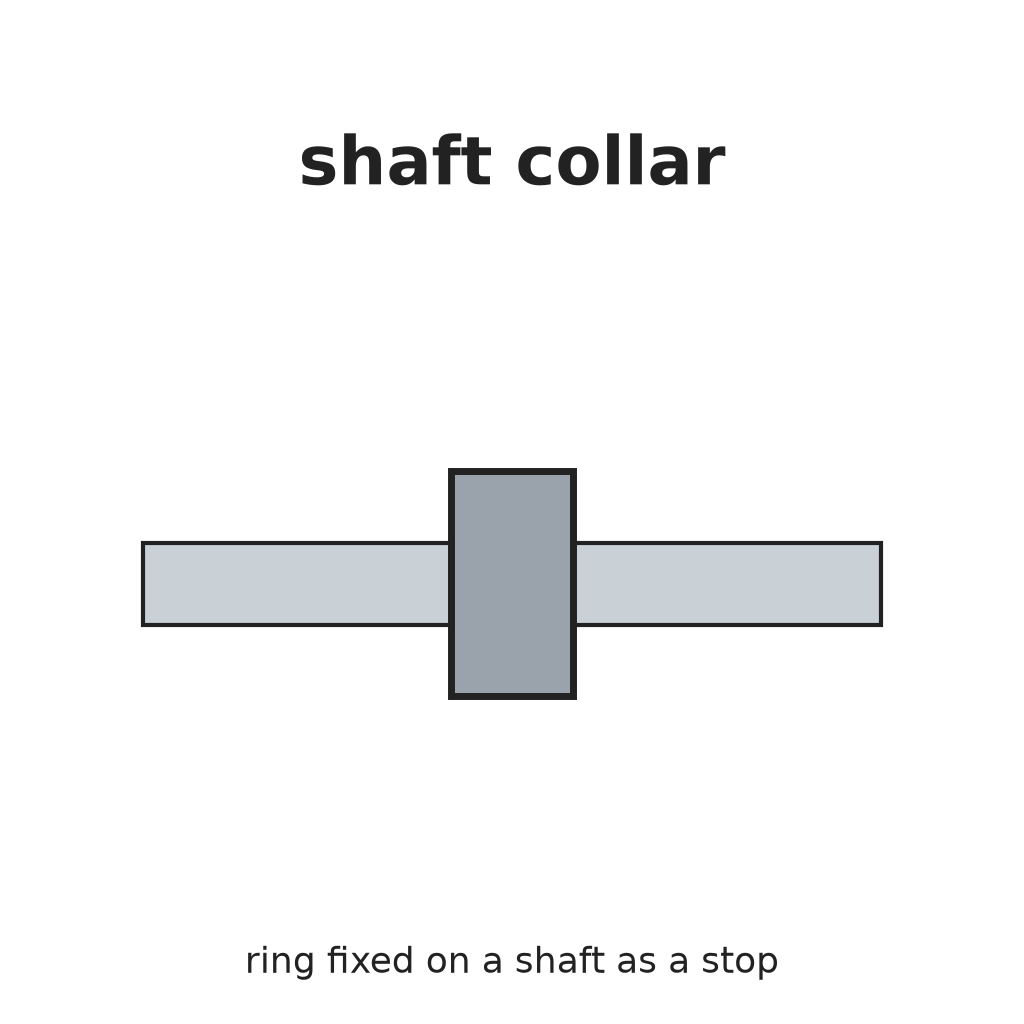 Shaft Collar6 ibice
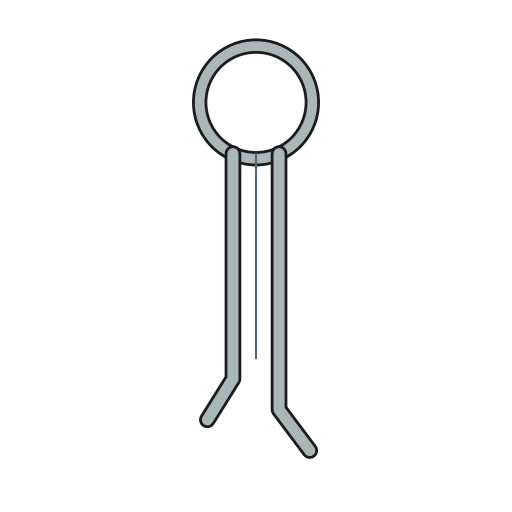 Agashinge gafite amaguru abiri2 ibice
Ibikoresho bikenewe:
 Imashini icapa 3D ikoresha umugozi (FDM)Umucumita w'IbyumaAmakariso (Ikariso ry'Intoki)Icyuma Cyivumbura Kidafite InsingaIbyuma Byinshi byo GucukuraIfatiro ry'AmezaIsupana ihindurwa
11
11
The build in 3D
The build in 3D
FreeCAD model of this build, partly cut away: the body C with the dasher D, the frame I, the cylinder B on its shaft with the pinion i and cog-wheel h on the winch shaft, the hopper A with its plate a against the cylinder, the pivot c and thumb-screw d, and the band n from pulley G to pulley H.
12
12
Churn
Churn
Fill the cylinder with warm water from the kettle through the stopper's hole and close it; the patent gives no temperature, so check it with the thermometer and note it with the time the butter takes. Pour about 6 litres of heavy cream at about 15 °C into the hopper and turn the winch steadily, timing it; add cream to the hopper as it runs through. When the butter has gathered on the dasher, lift off the frame, take out the butter, tip the buttermilk into a bowl, wash the butter in cold water until it runs clear, salt and weigh it.
Ibikoresho by'iyi ntambwe:
 Igice cy'ibinure cy'amata6 l
 Amazi1 igice
 Umunyu w'inyanja munini1 igice
Ibikoresho bikenewe:
 Ibirika by'amashanyarazi
 Igipima ubushyuhe gifite uruti rusigara mu kintu
 Isaha yo Guhagarika
 Iminzani ya Digitale yo mu Gikoni
 Ibakure rinini ryo kuvanga ry'icyuma kitagira ingese
13
13
Troubleshooting
Troubleshooting
Hot-water cylinder churn troubleshooting.
Flow
Loading...
14
14
History and honest limits
History and honest limits
**Jason W. Hardie** of New York, US 27,446, 13 March 1860 (signed 25 October 1859), "Churn". He disclaimed cylinders working against each other, plane rubbing surfaces, and hot water in the dasher or the main body of cream, and claimed the hollow revolving cylinder with hot water and an adjustable fixed surface against it. He gives no water temperature and no sizes; every size here is ours, our gears and pulleys are printed and sit on opposite ends of the cylinder, where his are on one end.
Ibikoresho
21- 4 ibiceUmwanya
- 3 ibiceUmwanya
- 56 ibiceUmwanya
- 2 ibiceUmwanya
- 2 ibiceUmwanya
- Umwanya
- 1 igiceUmwanya
- Umwanya
- 1 igiceUmwanya
- 12 ibiceUmwanya
- Umwanya
- 1 igiceUmwanya
- 1 igiceUmwanya
- 2 ibiceUmwanya
- 1 igiceUmwanya
- 1 igiceUmwanya
- 6 ibiceUmwanya
- Umwanya
- Umwanya
- 1 igiceUmwanya
- 1 igiceUmwanya
Ibikoresho bikenewe
19- 1 vendor sell this, none ship to you yetUmwanya
- 1 vendor sell this, none ship to you yetUmwanya
- 1 vendor sell this, none ship to you yetUmwanya
- Umwanya
- Umwanya
- Umwanya
- 1 vendor sell this, none ship to you yetUmwanya
- Umwanya
- Umwanya
- Umwanya
- Umwanya
- Umwanya
- Umwanya
Dosiye z'igishushanyo
4Iki gishushanyo gikora


Blueprint zijyanye
Izi blueprint zisangira ubumenyi — uburyo, ibikoresho cyangwa amahame
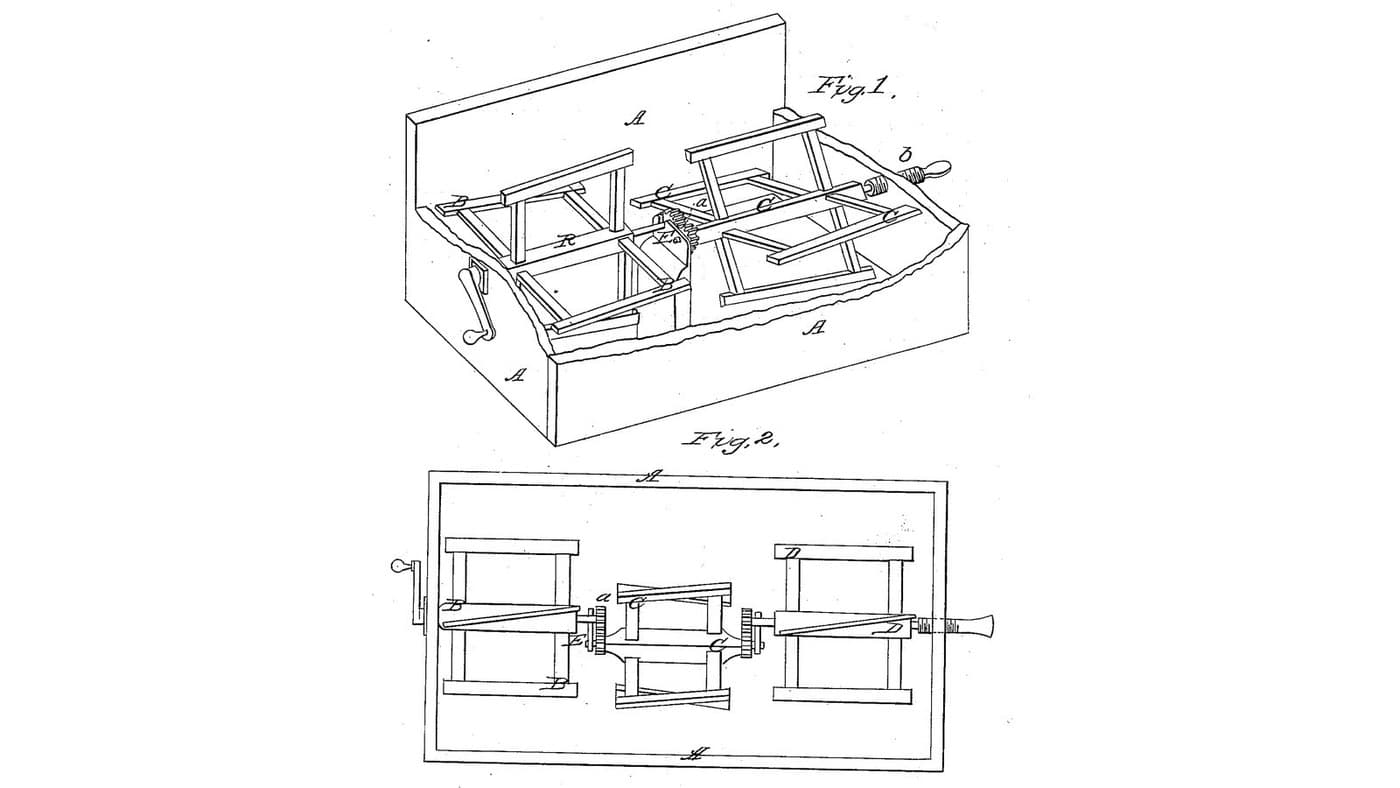
Counter-Revolving Dasher Churn: Geared Dashers on Offset Shafts Turn Contrary Ways, Their Blades Skewed Contrary Ways
na Buttercup
Ububaji
0
0
0
0
0
0
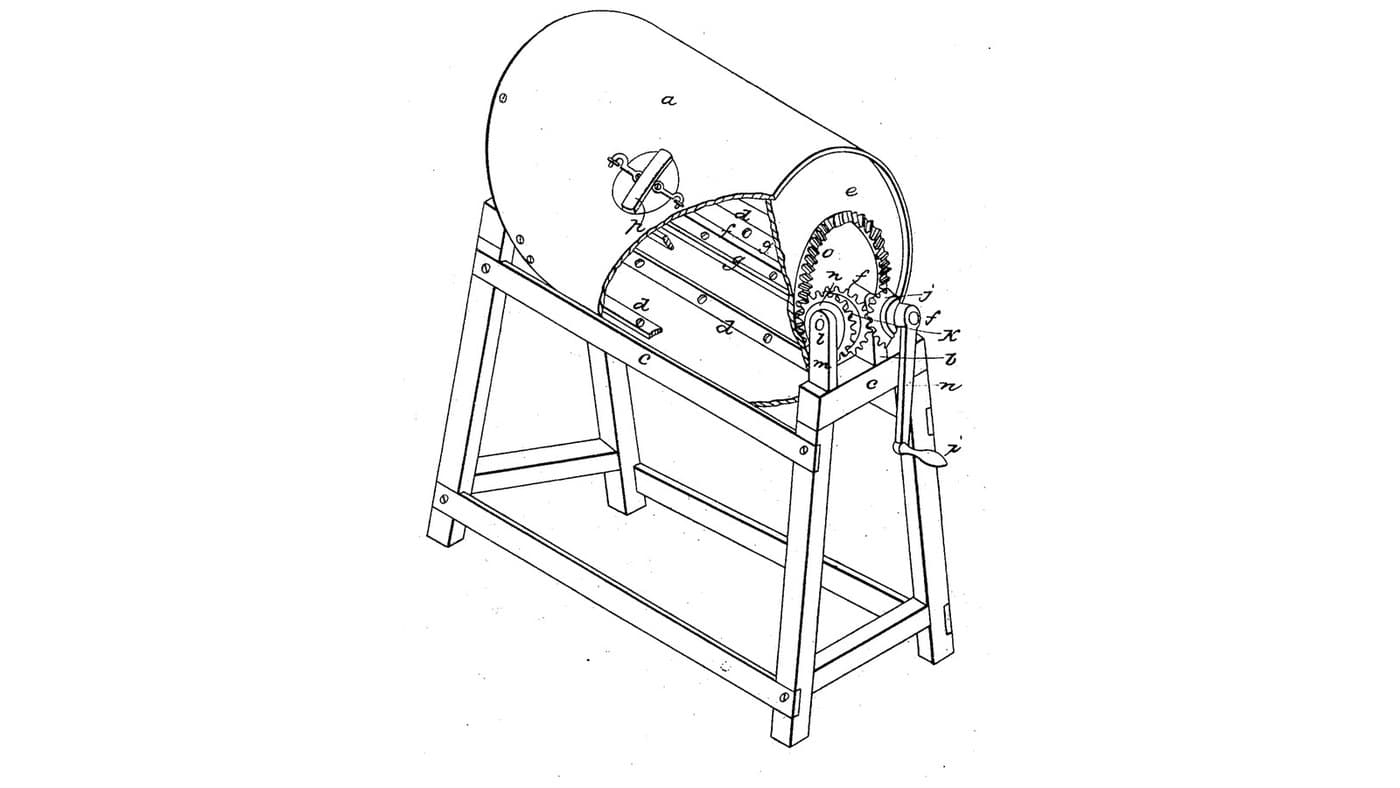
Counter-Turning Cylinder Churn: The Ribbed Cylinder Turns One Way While the Dashers Inside Turn the Other
na Buttercup
Ububaji
1
0
0
0
0
0

Churning Butter from Cream — The 5,000-Year-Old Fat Separation
na TheChef
UBUKORIKORI
60
0
0
0
0
0
CC0 Umurenge rusange
Iyi blueprint yasohowe munsi ya CC0. Ushobora gukoporora, guhindura, gukwirakwiza no gukoresha nta kwemererwa.
Shyigikira Umuremyi ugura ibicuruzwa binyuze muri Blueprint ye Komisiyo y'Umuremyi byashyizweho n'Abacuruzi, cyangwa kora verisiyo nshya y'iyi Blueprint ukayinjiza nk'isano muri Blueprint yawe kugira ngo musangire inyungu.