Ubufatanye
UBUHANZI
UBWIZA N'UBUZIMA
UBUKORIKORI
UMUCO N'AMATEKA
IMYIDAGADURO
IBIDUKIKIJE
IBIRIBWA N'IBINYOBWA
UBWUBATSI BUSUBIRA INYUMA
UBUMENYI
SIPORO
IKORANABUHANGA
IBYAMBARWA
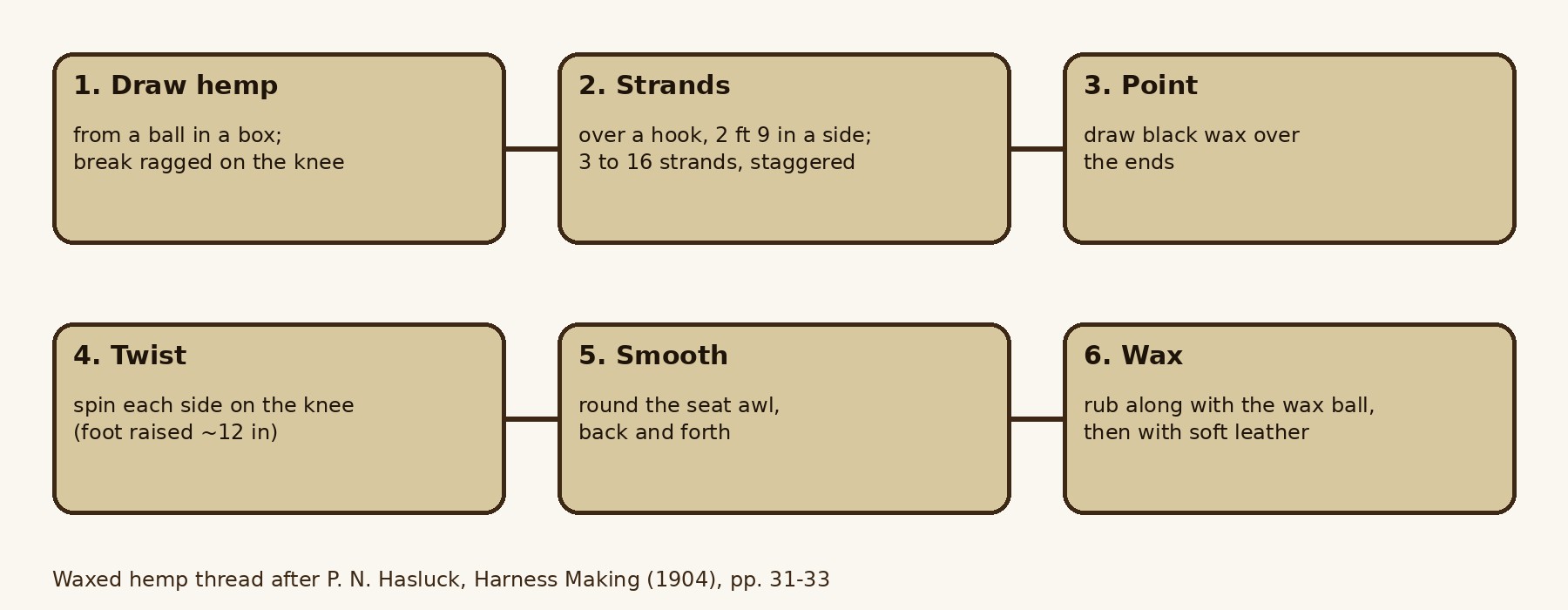


Saddler's Waxed Hemp Thread: Ragged-Pointed Strands Spun on the Knee and Rubbed With Black Wax (Hasluck, 1904)
How a harness maker makes his own waxed thread, from P. N. Hasluck's Harness Making (1904): strands of hemp broken to ragged points over a bench hook, 3 to 16 of them laid with staggered ends, each side twisted by rolling on the knee, smoothed round the seat-awl, and rubbed with black cobbler's wax (beeswax for light work).
Utangiye
About 15 minutes per thread
Amabwiriza
1
1
Length and strands
Length and strands
Gupakira ikaye ya Jupyter…
2
2
Read Harness Making
Read Harness Making
"The threads used in the trade are many, but the principal is waxed thread, made by the saddler himself." White hemp is the best and toughest; fine No. 15 and coarse No. 3 meet most needs.
3
3
Cut the strands
Cut the strands
Keep the ball of hemp in a box with a small hole in the lid. Draw out the end, twist it once round the fingers, and break it by rolling on the knee and giving a sharp pull, so it breaks ragged (the more ragged, the better the point). Throw it over a nail or hook in the bench and pull until each side is about 2 ft 9 in, untwist by rolling on the knee and break again. Add strands the same way, 3 to 16 by the strength wanted, leaving the ends of unequal length for a fine point.
Ibikoresho by'iyi ntambwe:
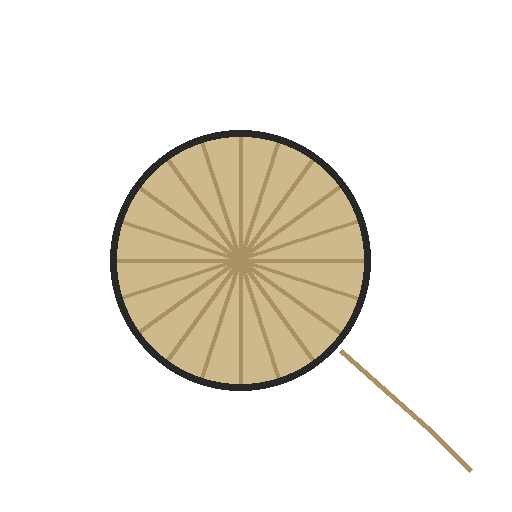 Hemp Yarn1 igice
Ibikoresho bikenewe:
 Isanduku y'Igiti
4
4
Point and twist
Point and twist
Draw the ball of wax over the points two or three times to hold them together. Raise the knee about 12 in by resting the foot on a support, and spin each side by rolling it on the knee with the palm until twisted enough (too much and it knots in stitching). For best work, twist both sides once round the seat-awl and draw it sharply back and forth to smooth out lumps.
Ibikoresho by'iyi ntambwe:
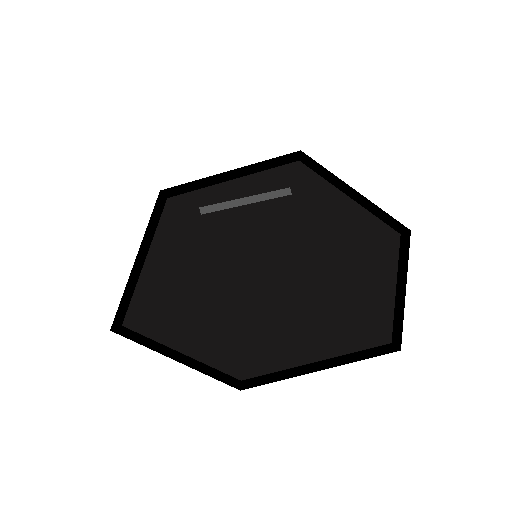 Ibishashara by'umukozi w'inkweto1 igice
Ibikoresho bikenewe:
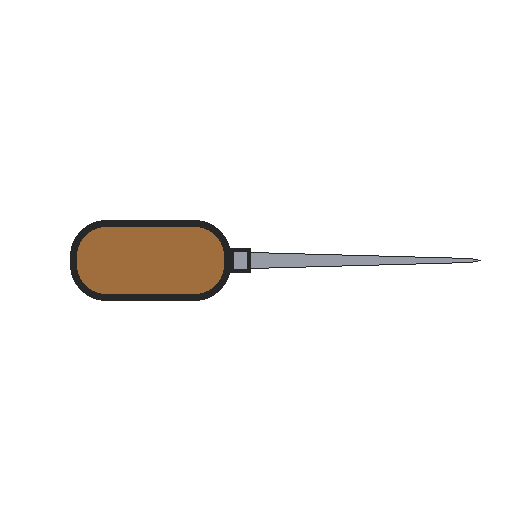 Seat Awl
5
5
Wax
Wax
Rub the thread with tallow so the wax runs smooth. Holding both ends in the left hand, rub the ball of wax along the whole thread, pulling the part round the hook out to wax it too, then rub the thread sharply end to end with soft leather or the bare hand to even the wax. For yellow or white thread on light work use beeswax, but always point the ends with black wax: only black wax keeps the thread fast to the needles.
Ibikoresho by'iyi ntambwe:
Ibishashara by'umukozi w'inkweto1 igice Ibinure by'Inyamaswa1 igice
 Igishashara1 igice
Ibikoresho bikenewe:
Seat Awl6
6
Troubleshooting
Troubleshooting
Thread troubleshooting.
Flow
Loading...
7
7
History and honest limits
History and honest limits
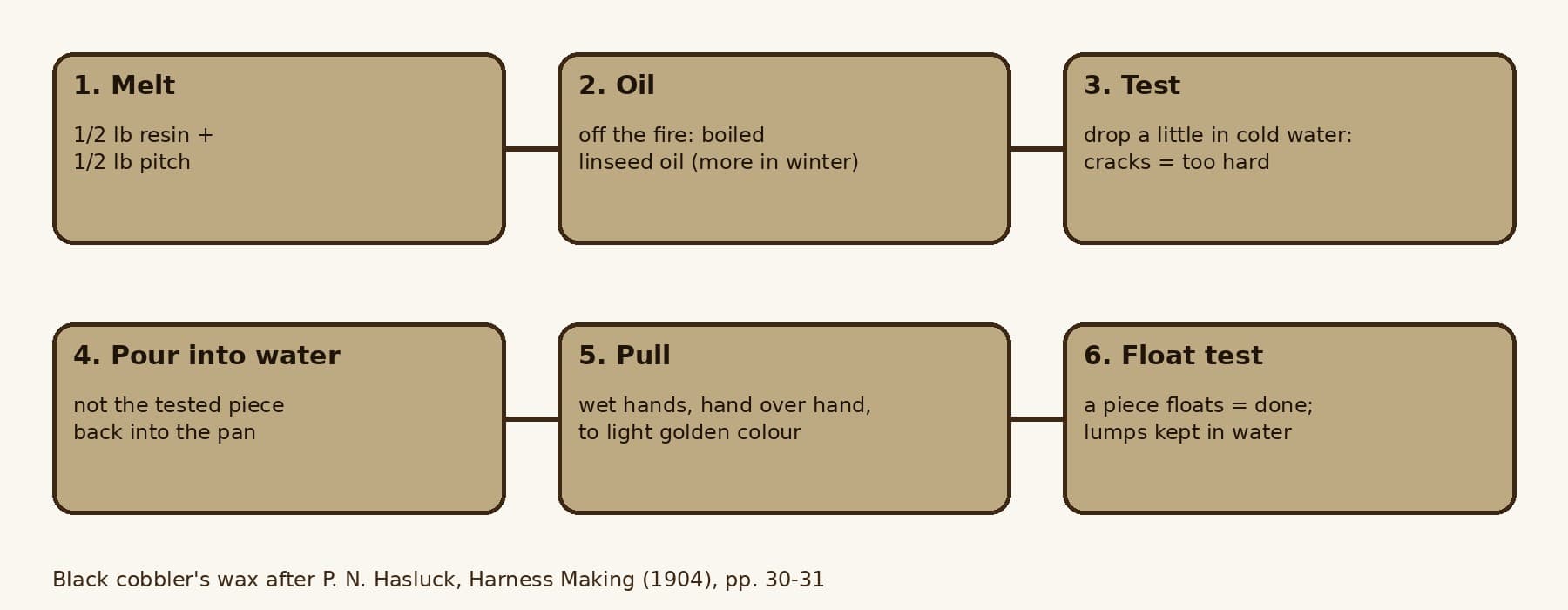
From Paul N. Hasluck, **Harness Making** (1904), "Harness-makers' Materials" (checked on the archive.org scan harnessmaking00hasl, pp. 29-33). The strand-use notes, metric figures and the diagram are ours.
Ibikoresho
4- 1 igiceUmwanya
- Umwanya
- 1 igiceUmwanya
- 1 igiceUmwanya
Iki gishushanyo gikora
Blueprint zijyanye
Izi blueprint zisangira ubumenyi — uburyo, ibikoresho cyangwa amahame

CC0 Umurenge rusange
Iyi blueprint yasohowe munsi ya CC0. Ushobora gukoporora, guhindura, gukwirakwiza no gukoresha nta kwemererwa.
Shyigikira Umuremyi ugura ibicuruzwa binyuze muri Blueprint ye Komisiyo y'Umuremyi byashyizweho n'Abacuruzi, cyangwa kora verisiyo nshya y'iyi Blueprint ukayinjiza nk'isano muri Blueprint yawe kugira ngo musangire inyungu.