Ubufatanye
UBUHANZI
UBWIZA N'UBUZIMA
UBUKORIKORI
UMUCO N'AMATEKA
IMYIDAGADURO
IBIDUKIKIJE
IBIRIBWA N'IBINYOBWA
UBWUBATSI BUSUBIRA INYUMA
UBUMENYI
SIPORO
IKORANABUHANGA
IBYAMBARWA
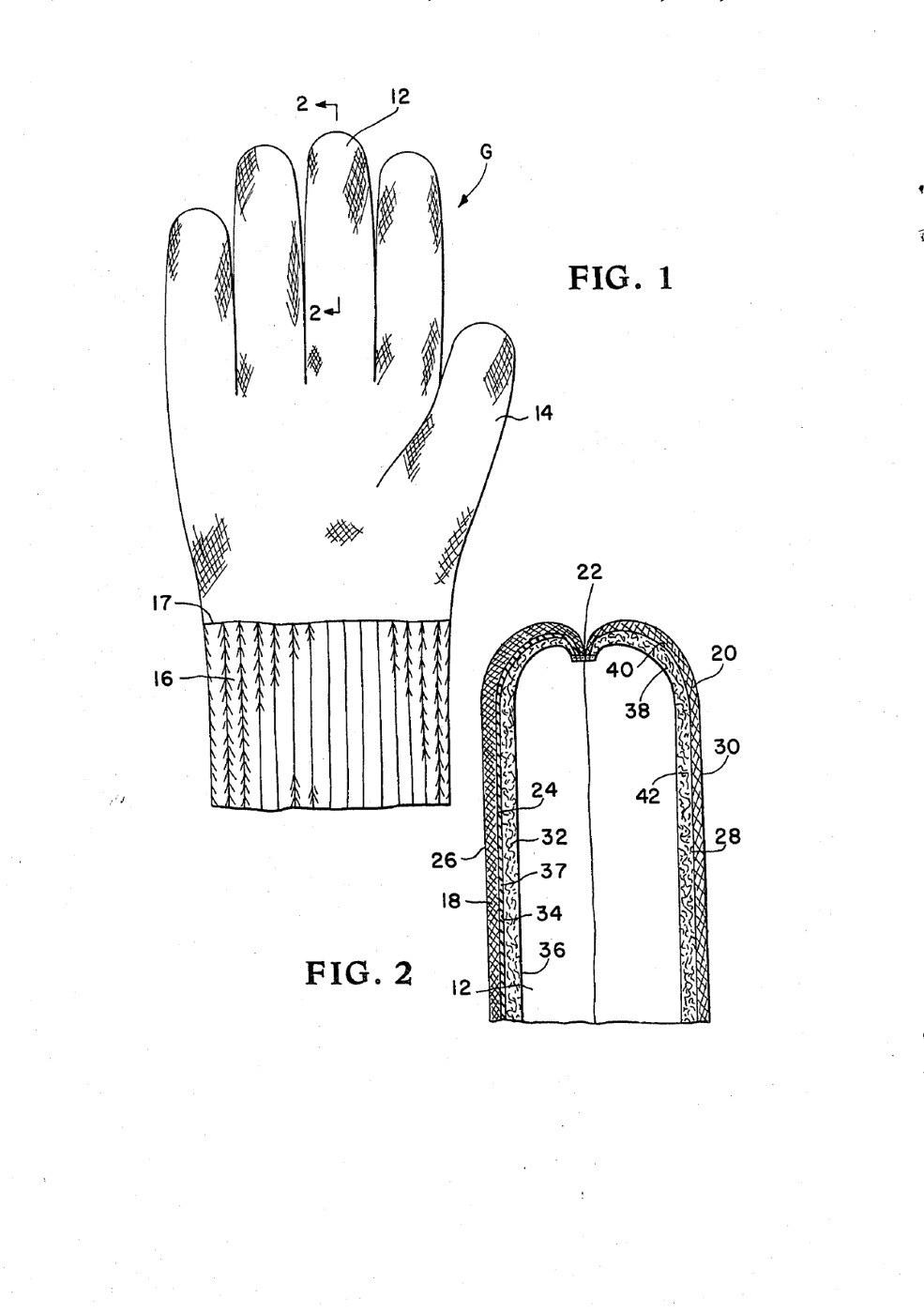


Heat-Resistant Gloves: Aramid Twill Palm, Knit Back and Felt Liners (NASA, 1984)
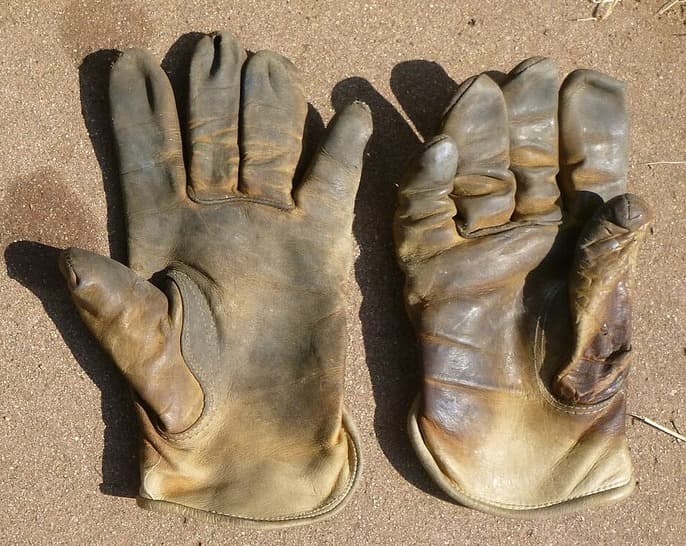
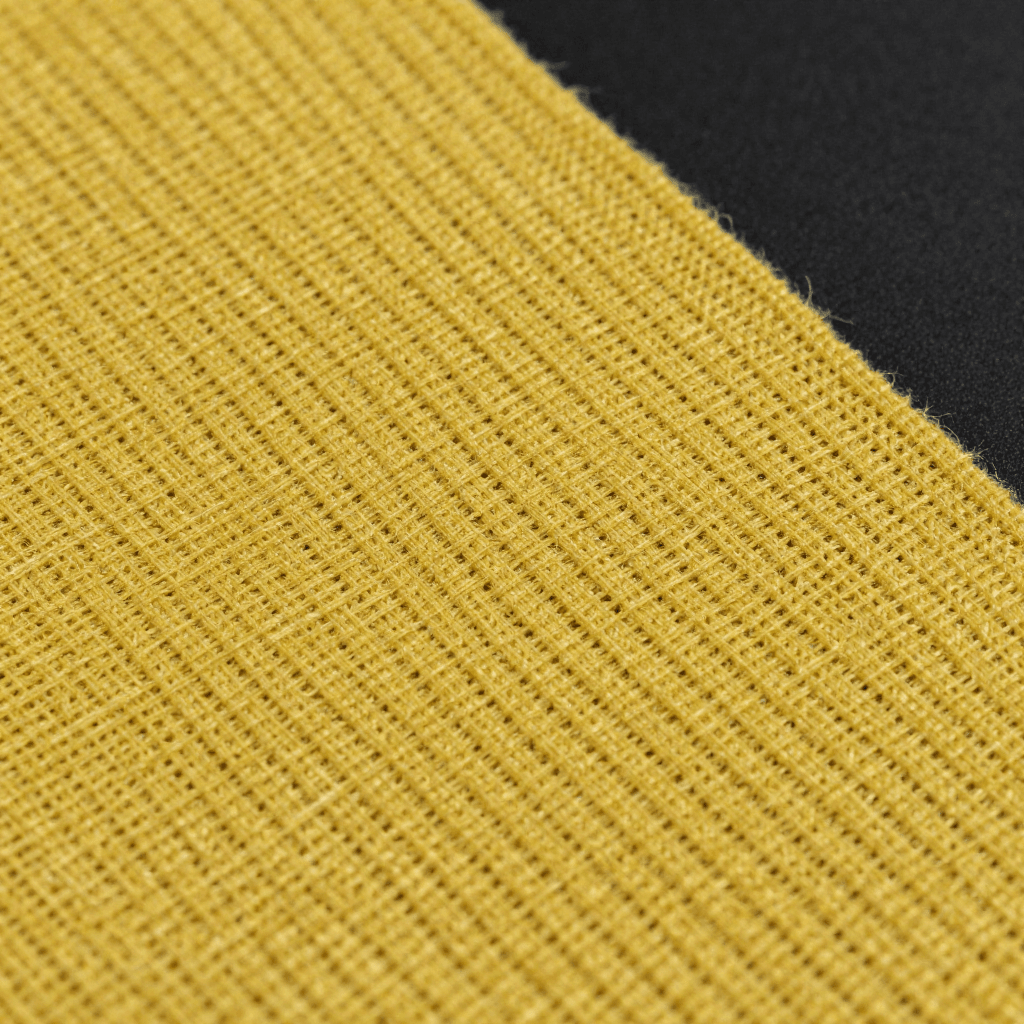
A heat-resistant glove made entirely of aramid fibre (Kevlar), patented by NASA for firefighters and foundry workers. The palm is a hard-wearing twill, the back a stretchy knit, and each is lined with aramid felt. A thin neoprene coat on the palm liner slows heat coming through from hot objects you grip.
Result: gloves that passed the NIOSH tests for firefighters' gloves for cuts, punctures, flame and dexterity. The patent reports 23 lb to puncture, against a 13.2 lb minimum.
Source: K. R. Sidman, R. P. Tschirch and I. J. Arons (NASA), US Patent 4,433,439 (1984). Unknown: the pattern and sizes, and how the neoprene coat is put on. Ours: the sewing tools. Picture: patent drawing.
Hagati
1 day
Amabwiriza
1
1
Cut the shells
Cut the shells
Cut the palm side of the glove from aramid twill of about 8 oz per square yard; twill wears best. Cut the back from knitted aramid of about 7 oz per square yard, which stretches for dexterity and comfort. Both should have a napped (raised) face; put it on the inside, where it adds insulation. Not given: the glove pattern and sizes.
Ibikoresho by'iyi ntambwe:
 Igitambaro cya aramide1 twill 8 oz/yd2 and knit 7 oz/yd2
Ibikoresho bikenewe:
 Umukasi w'imyenda
 Ingwa y'umudozi
 Ingano zitazwi
2
2
Cut and coat the liners
Cut and coat the liners
Cut a palm liner and a back liner to the same shapes from aramid felt of about 3.5 oz per square yard. Coat the face of the palm liner that will lie against the palm shell with a flame-resistant elastomer, preferably neoprene, 4 to 5 mils thick. It helps stop heat conducting through the palm. Not given: how the coat is applied.
Ibikoresho by'iyi ntambwe:
 Ubwoya bufatanye bwa aramide1 3.5 oz/yd2
 Neoprene1 4-5 mil coat
Ibikoresho bikenewe:
Umukasi w'imyenda3
3
Sew the glove
Sew the glove
Lay each liner against its shell, coated face to the palm shell. Sew shells and liners together along their edges with aramid thread, joining palm half to back half in one seam round the fingers and thumb.
Ibikoresho by'iyi ntambwe:
 Urudodo rwa aramide1 igice
Ibikoresho bikenewe:
 Imashini yo kudoda
4
4
Add the wristlet
Add the wristlet
Make a tube of knitted aramid about 4 inches long and sew it round the glove opening. It seals loosely round the wrist to keep water and other matter out. Make it longer to protect more of the forearm.
Ibikoresho by'iyi ntambwe:
Igitambaro cya aramide1 knit tubeUrudodo rwa aramide1 igiceIbikoresho bikenewe:
Imashini yo kudodaIbikoresho
4- 1 knit tubeUmwanya
- 1 3.5 oz/yd2Umwanya
- 1 4-5 mil coatUmwanya
- 2 ibiceUmwanya
Ibikoresho bikenewe
4- Umwanya
- Umwanya
- Umwanya
- Umwanya
Ibikoresho by'Ibishushanyo Bifitanye Isano

Iki gishushanyo gikora

CC0 Umurenge rusange
Iyi blueprint yasohowe munsi ya CC0. Ushobora gukoporora, guhindura, gukwirakwiza no gukoresha nta kwemererwa.
Shyigikira Umuremyi ugura ibicuruzwa binyuze muri Blueprint ye Komisiyo y'Umuremyi byashyizweho n'Abacuruzi, cyangwa kora verisiyo nshya y'iyi Blueprint ukayinjiza nk'isano muri Blueprint yawe kugira ngo musangire inyungu.