
Ubufatanye
UBUHANZI
UBWIZA N'UBUZIMA
UBUKORIKORI
UMUCO N'AMATEKA
IMYIDAGADURO
IBIDUKIKIJE
IBIRIBWA N'IBINYOBWA
UBWUBATSI BUSUBIRA INYUMA
UBUMENYI
SIPORO
IKORANABUHANGA
IBYAMBARWA
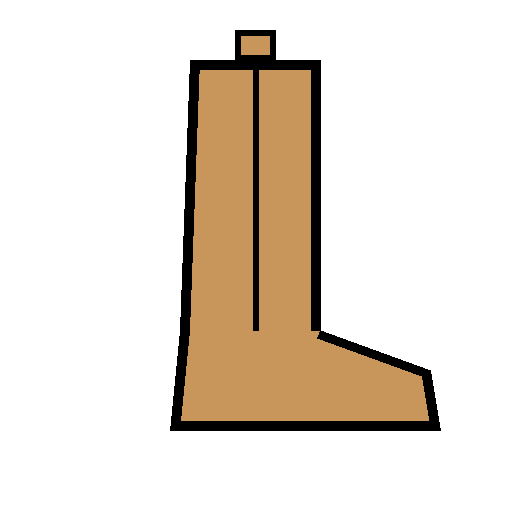
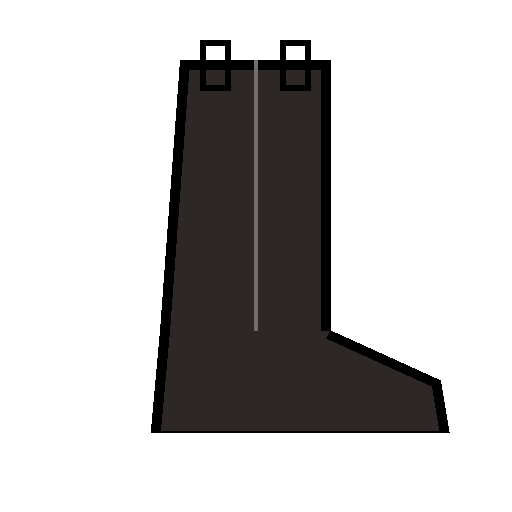
Wellington Boot Leg: Drafted, Lined and Closed With a Welt in the Side Seams (Leno, 1885)
Tex

Yaremwe na

Tex

13. Ugushyingo 2026FO
3
0
0
0
0

Wellington Boot Leg: Drafted, Lined and Closed With a Welt in the Side Seams (Leno, 1885)

The Wellington, a tall pull-on boot with a seam down each side, is the ancestor of the cowboy boot. From John Bedford Leno's The Art of Boot and Shoemaking (1885): how to draft the front and back from the customer's measures, line them, put on the counter, close the side seams with a leather welt in the clams, and finish the leg with its pull-on straps. "As it was cut at the time of its introduction, so it is cut now." This makes the upper; lasting and soling it into a boot are the next blueprints.
Hejuru
About 2 days

Amabwiriza

1

The draft marks

Gupakira ikaye ya Jupyter…
2

Read The Art of Boot and Shoemaking, ch. IX

"As a rule the form and cut of the majority of boots and shoes undergo considerable variations. No such change has characterized the history of the Wellington."
3

Draft the front and back

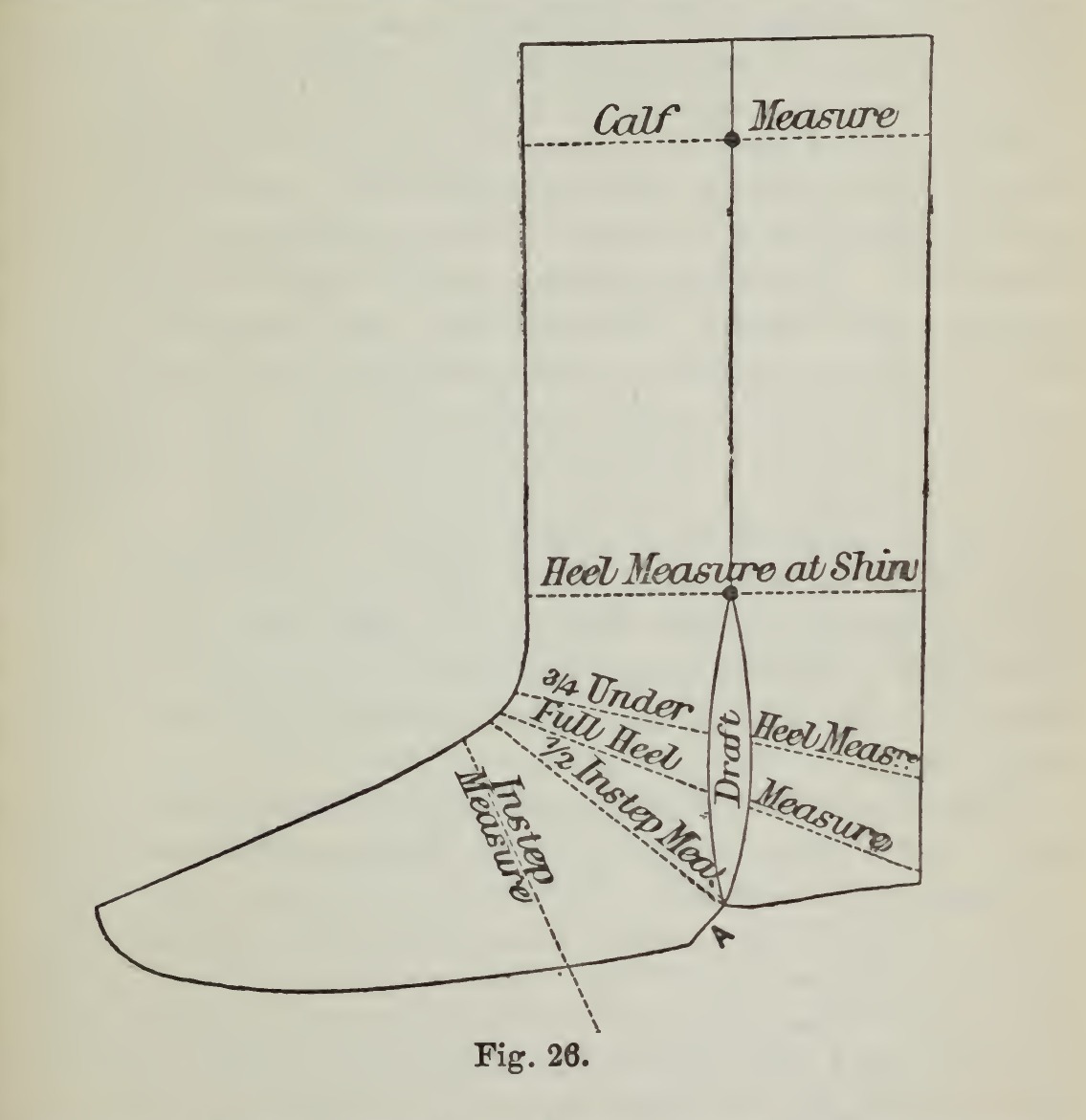
Cut the back at the bottom of the counter so the cut slopes up a quarter of an inch from the bottom of the draft, as his Fig. 26. Put front and back together as they will be when closed, front over back. Measure the calf and pierce through both with the awl at the centre of the measure; measure the shin, which should equal the heel measure, and pierce at its centre. Cut the front of the leg along a straight-edge through the awl marks, then the back the same way. Cut the corner off the front at A, at the bottom of the side seam, half the measure of instep.

Ibikoresho by'iyi ntambwe:

Uruhu rw'inyanaUruhu rw'inyana1 igice

Ibikoresho bikenewe:

Umugozi wo GupimaUmugozi wo Gupima
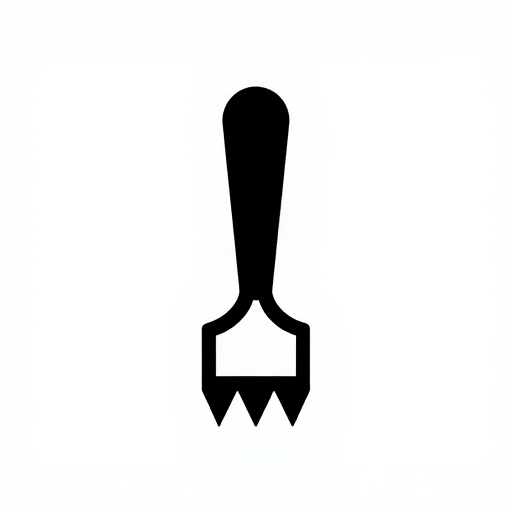
Urushinge RutoboraUrushinge Rutobora
Agapimo kagororotseAgapimo kagororotse
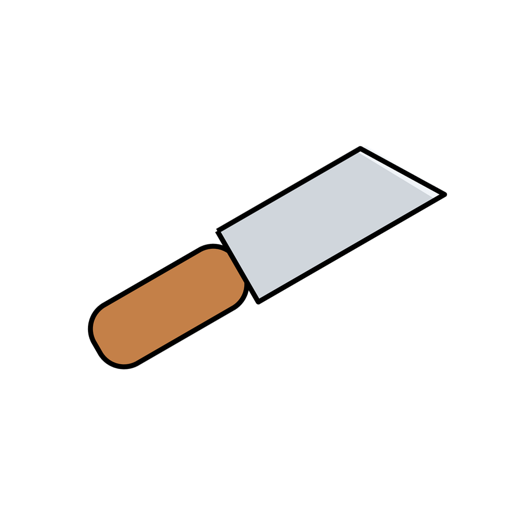
Icyuma cyo gukata uruhuIcyuma cyo gukata uruhu
4

Cut the draft

Mark the side half the depth of instep for the top of the draft. Overlap and measure at the top of the counter, three quarters of an inch less than the heel measure, and pierce at the centre. Measure from the throat to a quarter of an inch from the bottom of the counter for the full heel measure and pierce at half that distance. Cut the back from the top-draft mark in a semi-oval to the bottom of the counter, and the front the same, using the back as a guide. With the last laid on them, cut away the surplus round the bottom of the front, leaving half an inch to be sewn away. Cut the top lining and side linings and shape the counter to the back.

Ibikoresho by'iyi ntambwe:

Uruhu rw'inyanaUruhu rw'inyana1 igice

Ibikoresho bikenewe:

Umugozi wo GupimaUmugozi wo Gupima
Urushinge RutoboraUrushinge Rutobora
Icyuma cyo gukata uruhuIcyuma cyo gukata uruhu
5

Fit and paste the linings

Fit the side linings on the board held on your knees, then cut and skive them thin at the edges. If the front is brittle or harsh in the grain, rub it soft. Scrape the dirt off the grain on the vamp side with a blunt knife and paste the linings on. If front or back are light, paste strips of roan from the joint of the linings along their inside edges, the back's running from just below the counter up to the top lining.

Ibikoresho by'iyi ntambwe:

Uruhu rw'inyanaUruhu rw'inyana1 igice
Uruhu rw'intama rusize irangi (roan)Uruhu rw'intama rusize irangi (roan)1 igice

Ifatanya ry'ifu y'inganoIfatanya ry'ifu y'ingano1 igice

Ibikoresho bikenewe:
Ikibaho cy'igiti cya pinusiIkibaho cy'igiti cya pinusi
Icyuma cyo gukata uruhuIcyuma cyo gukata uruhu
Icyuma cyo kunanura uruhuIcyuma cyo kunanura uruhu
6

Fit the counter

Choose a counter that needs no stiffener; if it is light, put a stiffener between counter and back. Skive the counter thin and let it run over to the front, where it is held by a row or rows of stabbing, "commended for the support it gives to the boot". Fit the legs and, when the paste is dry, line the front.

Ibikoresho by'iyi ntambwe:

Uruhu rw'inyanaUruhu rw'inyana1 igice
Ifatanya ry'ifu y'inganoIfatanya ry'ifu y'ingano1 igice

Ibikoresho bikenewe:

Icyuma cyo kunanura uruhuIcyuma cyo kunanura uruhu
Icyuma cyo gukata uruhuIcyuma cyo gukata uruhu
7

Whip the side linings and stitch the counter

Whip or hem the side linings on with awl or needle, leaving no thread marks outside, and not below the joints of the foot. The awl should have no thickness behind its point, no keenness at the side, and be slightly hooked. Stitch the counter on, with the two back counter rows holding counter and stiffener. Mark the holes with the pricker, teeth smooth, struck evenly.

Ibikoresho by'iyi ntambwe:

Udodo w'igitaniUdodo w'igitani1 igice

Ibikoresho bikenewe:

Urushinge RutoboraUrushinge Rutobora

Inshinge ebyiri zo kudoda uruhuInshinge ebyiri zo kudoda uruhu
Indobo yo gutobora uruhuIndobo yo gutobora uruhu
8

Close the side seams

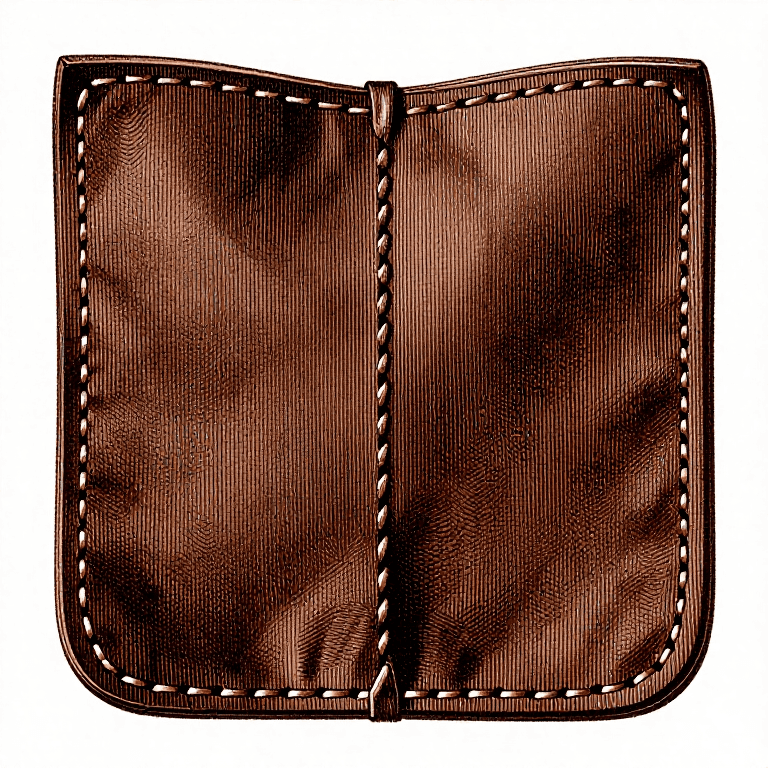
With flax thread suited to the leather, put the back in the clams grain side out, top toward you, the front held the same on the left side, and the small strip of leather that forms the welt between them; close up the sides. Keep the stitches regular and an equal distance from the edges; too many stitches weaken the upper. Insert the closer's block, wet the seam slightly and rub it smooth with the long stick.

Ibikoresho by'iyi ntambwe:

Udodo w'igitaniUdodo w'igitani1 igice
Uruhu rw'inyanaUruhu rw'inyana1 igice
AmaziAmazi1 igice

Ibikoresho bikenewe:

Igifashi cy'ibiti cyo kudodaIgifashi cy'ibiti cyo kudoda
Urushinge RutoboraUrushinge Rutobora
Inshinge ebyiri zo kudoda uruhuInshinge ebyiri zo kudoda uruhu
Ikiburu cy'igiti cy'umudoziIkiburu cy'igiti cy'umudozi
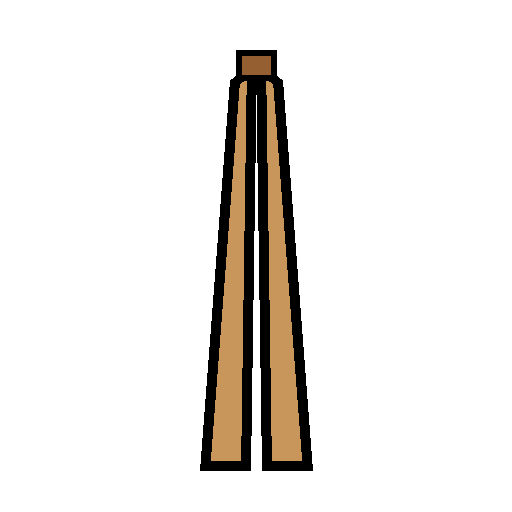
Inkoni yo gukubaInkoni yo gukuba
9

Line the top and turn the leg

Cut the top lining to the size of the leg and whip it on front and back. Turn the boot, put the block in again and make the seam flat. Take the surplus of the welt away with the welt-cutter, carefully, "or the upper may suffer considerable damage", and set the welt up with the welt-setter.

Ibikoresho by'iyi ntambwe:

Uruhu rw'inyanaUruhu rw'inyana1 igice
Udodo w'igitaniUdodo w'igitani1 igice

Ibikoresho bikenewe:

Inshinge ebyiri zo kudoda uruhuInshinge ebyiri zo kudoda uruhu
Ikiburu cy'igiti cy'umudoziIkiburu cy'igiti cy'umudozi
Icyuma gikata weltIcyuma gikata welt
Igikoresho gitunganya weltIgikoresho gitunganya welt
10

Put in the straps and finish

Cut a slit in the top lining and insert the straps. Put the boot on the tree and leave it until dry; then stab the top and straps. Set up the welt with a solution of gum arabic and ink or water.

Ibikoresho by'iyi ntambwe:

Uruhu rw'inyanaUruhu rw'inyana1 igice
Udodo w'igitaniUdodo w'igitani1 igice
Ubunyu bw'igiti (gum arabic)Ubunyu bw'igiti (gum arabic)1 igice
Wino y'UbuhindiWino y'Ubuhindi1 igice

Ibikoresho bikenewe:

UmukasiUmukasi
Ishusho y'igiti yo kurambura boteIshusho y'igiti yo kurambura bote
Urushinge RutoboraUrushinge Rutobora
Inshinge ebyiri zo kudoda uruhuInshinge ebyiri zo kudoda uruhu
Igikoresho gitunganya weltIgikoresho gitunganya welt
11

Troubleshooting

Wellington leg troubleshooting.

Flow

Loading...
12

History and honest limits

From **The Art of Boot and Shoemaking** by John Bedford Leno, Crosby Lockwood, London, 1885 (archive.org artofbootshoemak00leno, an 1889 printing), chapter IX, "Fitting and Closing", pp. 66-69: "The Light Wellington" and "How to Cut and Draft a Wellington". For a stout Wellington he grooves the edges with the closer's plough; that tool is not used here. He names no leather for side linings or counter; calf is ours. The metric figures are ours. This blueprint makes the leg (the upper); lasting, welting, soling and heeling it are the next blueprints.

Ibikoresho

7

Ibikoresho bikenewe

15

Blueprint zijyanye

Izi blueprint zisangira ubumenyi — uburyo, ibikoresho cyangwa amahame
CC0 Umurenge rusange

Iyi blueprint yasohowe munsi ya CC0. Ushobora gukoporora, guhindura, gukwirakwiza no gukoresha nta kwemererwa.

Shyigikira Umuremyi ugura ibicuruzwa binyuze muri Blueprint ye Komisiyo y'Umuremyi byashyizweho n'Abacuruzi, cyangwa kora verisiyo nshya y'iyi Blueprint ukayinjiza nk'isano muri Blueprint yawe kugira ngo musangire inyungu.

Ibiganiro

(0)

Injira kugira ngo ujye mu biganiro

Gutegura ibitekerezo...