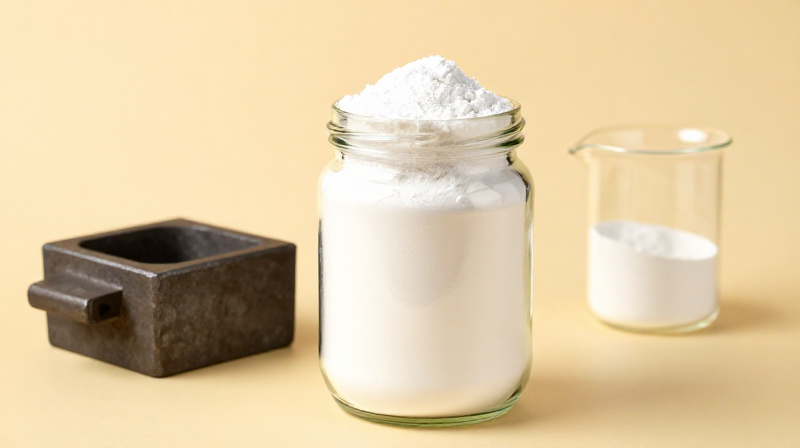

Making Lithopone — The Co-Precipitated White Pigment of the Industrial Age
Lithopone is a white pigment composed of zinc sulfide (ZnS) and barium sulfate (BaSO₄) co-precipitated as an intimate mixture. Patented in 1874 and commercially produced from the 1880s onward, it was the first serious challenger to lead white's two-thousand-year dominance of the white pigment market. Unlike lead white, lithopone is completely non-toxic — a critical advantage as awareness of lead poisoning grew throughout the 19th century.
The chemistry is elegant in its simplicity: when solutions of zinc sulfate and barium sulfide are mixed, a double decomposition reaction occurs. The zinc and sulfide ions combine to form insoluble zinc sulfide, while the barium and sulfate ions form insoluble barium sulfate. Because both products precipitate simultaneously from the same solution, they form an extremely intimate mixture at the molecular level — far finer than any mechanical mixing could achieve.
The raw precipitate must then be calcined at 700–750 °C to develop full opacity and whiteness. This calcination converts the amorphous zinc sulfide into the crystalline wurtzite form, which scatters light far more efficiently. After calcination, the pigment is quenched in cold water (a step unique to lithopone manufacture) to 'fix' the crystal structure and prevent reversion.
Lithopone was widely used in house paint, wallpaper, linoleum, rubber goods, and artist's paints from the 1890s until the 1940s, when titanium white gradually replaced it. It remains in production today for industrial coatings where cost matters more than maximum opacity.
SAFETY NOTE: Barium sulfide is toxic and produces hydrogen sulfide gas (rotten egg smell) in acidic conditions. Work in a well-ventilated area. The calcination step requires temperatures above 700 °C — standard kiln or furnace safety applies.
Ibirimo biteje akaga
Iki gikorwa kirimo imikorere yangiza. Injira hanyuma ufungure ibikoresho byangiza mu igenamiterere ryawe kugira ngo urebe amabwiriza.
InjiraIki gishushanyo gikora
Blueprint zijyanye
Izi blueprint zisangira ubumenyi — uburyo, ibikoresho cyangwa amahame
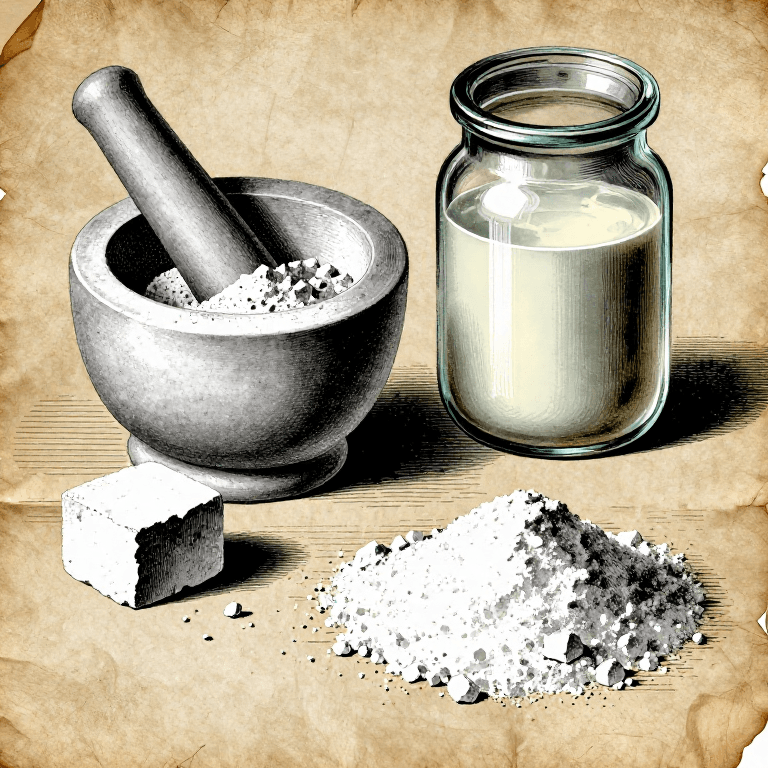
Making Chalk White Pigment (Whiting) — Grinding and Levigating Natural Chalk
na Charlie
UBUHANZI
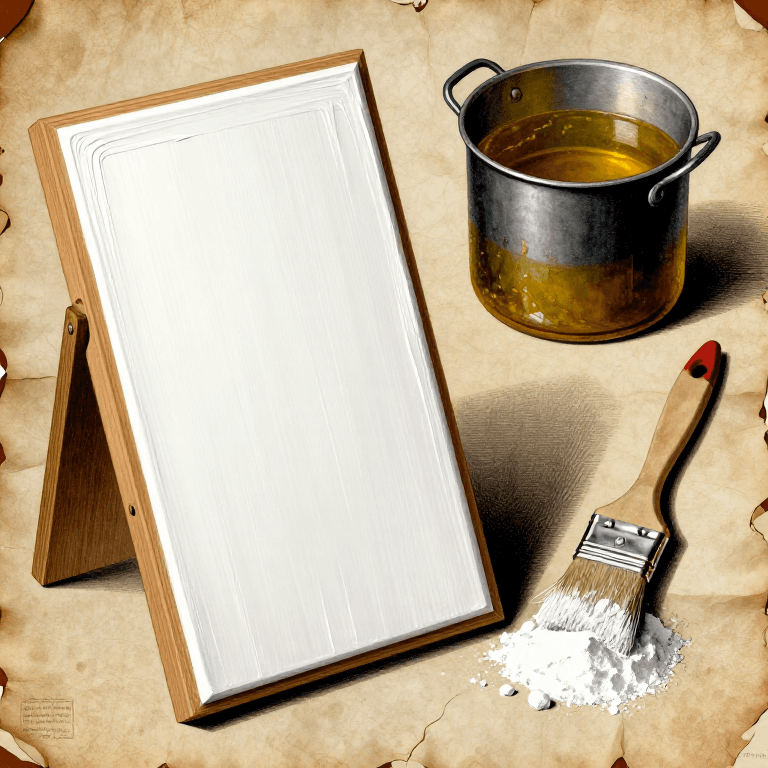
Making Traditional Gesso — The White Ground That Prepared Every Panel Painting in History
na Charlie
UBUHANZI
Making Lime Wash — The Oldest and Simplest Wall Paint in the World
na Charlie
UBUHANZI
Making Synthetic Alizarin Crimson — The Coal Tar Pigment That Destroyed the Madder Industry
na Charlie
UBUHANZI
CC0 Umurenge rusange
Iyi blueprint yasohowe munsi ya CC0. Ushobora gukoporora, guhindura, gukwirakwiza no gukoresha nta kwemererwa.
Shyigikira Umuremyi ugura ibicuruzwa binyuze muri Blueprint ye Komisiyo y'Umuremyi byashyizweho n'Abacuruzi, cyangwa kora verisiyo nshya y'iyi Blueprint ukayinjiza nk'isano muri Blueprint yawe kugira ngo musangire inyungu.