
Drahtseil
Ein Hanfseil trägt gut, aber es hat zwei Feinde: Nässe und Zeit. Im Bergwerk, wo ein nasses Förderseil eine schwere Kohlenladung aus der Tiefe zog, faulte Hanf von innen — und wenn es riss, riss es plötzlich und ganz.
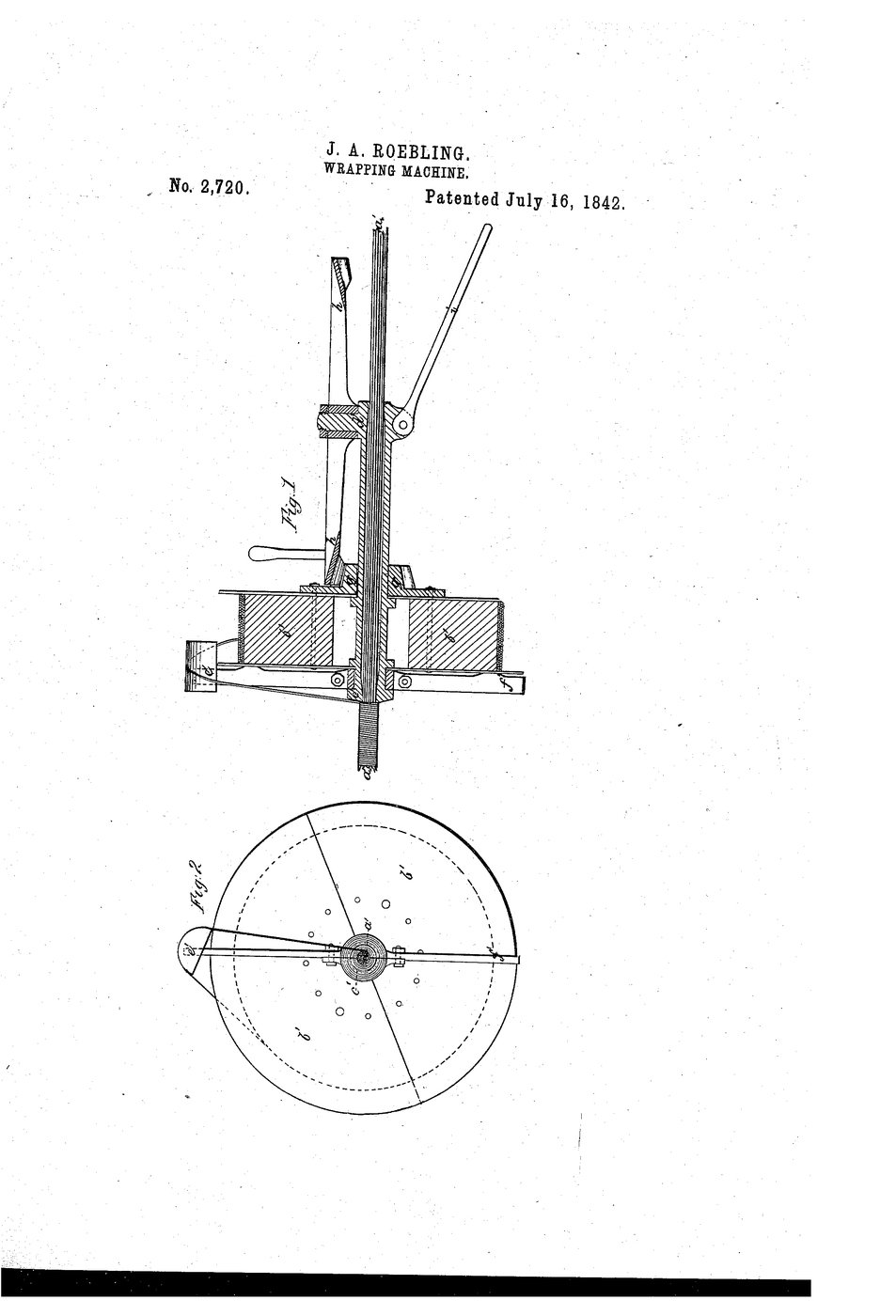
Roeblings Idee ist nicht der einzelne Draht, sondern das VERSEILEN. Viele dünne Eisendrähte werden um einen Kern zu einer Litze gedreht, mehrere Litzen wiederum zu einem Seil. Das Ergebnis ist bei gleichem Gewicht vielfach stärker als Hanf, es fault nicht, und es kündigt seinen Tod an: einzelne Drähte brechen sichtbar, lange bevor das ganze Seil versagt.
Das Patent beansprucht das Verfahren und die Maschine dazu — wie man die Drähte unter gleichmäßiger Spannung so zusammenführt, dass jeder Draht seinen Anteil der Last trägt.
US-Patent 2.720, „Method of and machine for manufacturing wire ropes", erteilt am 16. Juli 1842 an John A. Roebling aus Saxonburg, Pennsylvania — geboren als Johann August Röbling in Mühlhausen in Thüringen.
Amabwiriza
Den Anspruch lesen: Verfahren, nicht Draht
Den Anspruch lesen: Verfahren, nicht Draht
Roebling beansprucht ein Verfahren und eine Maschine zum Verseilen von Drähten. Nicht der Draht ist neu, sondern wie man ihn zum Seil dreht. Das notieren.
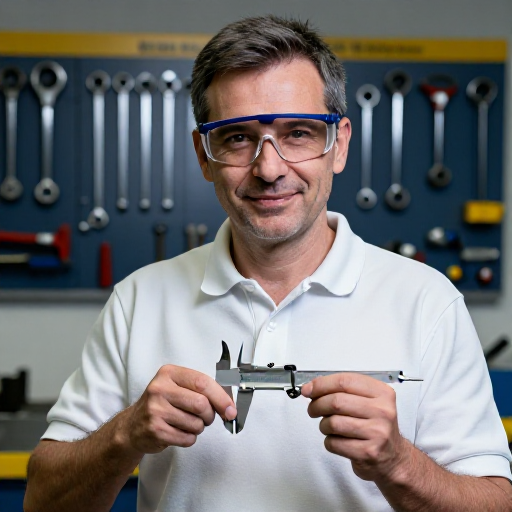
Schutzbrille auf — Drahtenden stechen
Schutzbrille auf — Drahtenden stechen
Abgeschnittene Drähte haben scharfe Enden. Brille auf, Enden umbiegen.
Ibikoresho bikenewe:
 Amadarubindi Asobanutse yo Kwirinda
Ein Hanfseil als Vergleich reißen
Ein Hanfseil als Vergleich reißen
Ein dünnes Hanfseil an die Federwaage hängen und bis zum Bruch belasten. Die Bruchkraft notieren — das ist der Maßstab.
Ibikoresho by'iyi ntambwe:
 Umugozi wa Kanepa1 metero
Ibikoresho bikenewe:
 Igipima Imbaraga (Iminzani y'Umuzingo)
Einen einzelnen Draht bis zum Bruch belasten
Einen einzelnen Draht bis zum Bruch belasten
Einen einzelnen dünnen Stahldraht belasten. Er trägt viel, reißt aber ohne Vorwarnung, spröde — und knickt leicht. Bruchkraft notieren.
Ibikoresho by'iyi ntambwe:
 Insinga y'Icyuma Yasizwe Zinki3 metero
Sieben Drähte um einen Kerndraht legen
Sieben Drähte um einen Kerndraht legen
Einen Kerndraht nehmen und sechs Drähte gleichmäßig darum anordnen — die klassische 1+6-Litze. Enden an einer Seite zusammenklemmen.
Ibikoresho bikenewe:
 Ifashi rikora byinshi
Die Litze unter gleichmäßiger Spannung verdrillen
Die Litze unter gleichmäßiger Spannung verdrillen
Das freie Ende in einen Handbohrer spannen und langsam verdrillen, während die Drähte unter gleicher Spannung geführt werden. Ungleiche Spannung heißt: ein Draht trägt alles.
Ibikoresho bikenewe:
 Icyuma Cyivumbura Kidafite Insinga
Die verseilte Litze bis zum Bruch belasten
Die verseilte Litze bis zum Bruch belasten
Die 1+6-Litze an die Federwaage. Sie trägt nahezu die Summe der Einzeldrähte — und beim Versagen brechen die Drähte nacheinander, hörbar und sichtbar.
Die drei Bruchkräfte vergleichen
Die drei Bruchkräfte vergleichen
Hanf, Einzeldraht, Litze nebeneinander. Die Litze schlägt Hanf bei gleichem Gewicht deutlich — Roeblings ganze Behauptung in drei Zahlen.
Biegsamkeit prüfen
Biegsamkeit prüfen
Einzeldraht und Litze um einen Bleistift biegen. Der dicke Einzeldraht knickt bleibend; die Litze legt sich weich um und federt zurück. Viele dünne Drähte biegen, wo ein dicker bricht.
Eine Litze zerschneiden und den Aufbau ansehen
Eine Litze zerschneiden und den Aufbau ansehen
Eine Probe-Litze durchschneiden. Der Schnitt zeigt Kern plus sechs Drähte — die Grundform, aus der jedes Drahtseil aufgebaut ist.
Ibikoresho bikenewe:
 Koleyo yo guca y'ukwerekeza
Drei Litzen zu einem Seil verseilen
Drei Litzen zu einem Seil verseilen
Drei fertige Litzen um einen weichen Kern zum Seil drehen — Litze aus Drähten, Seil aus Litzen. Dieselbe Regel auf zwei Ebenen.
Einen Draht anschneiden und weiterbelasten
Einen Draht anschneiden und weiterbelasten
Einen einzelnen Draht der Litze durchzwicken und wieder belasten. Sie trägt weiter, nur etwas weniger. Genau diese Vorwarnung — ein Draht bricht, das Seil hält — ist der Sicherheitsvorteil.
Geschichte & Hintergrund — der Thüringer, der Amerika verspannte
Geschichte & Hintergrund — der Thüringer, der Amerika verspannte
Das Patent. US 2.720, „Method of and machine for manufacturing wire ropes", erteilt am 16. Juli 1842 an John A. Roebling aus Saxonburg, Pennsylvania. Geboren wurde er 1806 als Johann August Röbling in Mühlhausen in Thüringen, studierte in Berlin und wanderte 1831 aus. Deshalb schreibt HerrHammer dieses Blueprint auf Deutsch: der Erfinder war Deutscher, das Patent ist amerikanisch.
Der Anspruch ist ein Verfahren, kein Werkstoff. Eisendraht gab es längst. Roeblings Beitrag ist, wie man ihn verseilt: viele dünne Drähte unter gleichmäßiger Spannung um einen Kern, sodass jeder Draht denselben Anteil der Last trägt, und eine Maschine, die das zuverlässig und in Länge tut. Ungleich gespannt taugt ein Bündel Draht nichts — dann reißt der straffste zuerst, dann der nächste, wie in Schritt 4 gegen Schritt 7 zu sehen.
Warum es Hanf schlug. Für dieselbe Tragkraft ist Drahtseil leichter, es fault im Nassen nicht, und es versagt gutmütig: einzelne Drähte brechen sichtbar, lange bevor das Seil ganz reißt (Schritt 12). Roebling brauchte es zuerst für die geneigten Ebenen des Pennsylvania-Kanals, wo nasse Hanfseile die Kanalboote über die Berge zogen und ständig faulten. Von dort ging es zu Aquädukten und Hängebrücken.
Was daraus wurde. Roeblings Firma in Trenton lieferte die Kabel für die Brooklyn Bridge. Er selbst starb 1869 an Wundstarrkrampf, noch vor Baubeginn der Türme; sein Sohn Washington Roebling vollendete den Bau, schwer erkrankt an der Taucherkrankheit, und dessen Frau Emily führte über Jahre die Bauleitung vor Ort. Jeder Aufzug, jeder Kran, jede Seilbahn und jede Hängebrücke steht heute auf demselben Prinzip: nicht der Draht, sondern das Verseilen.
Ehrlich bleiben. Roebling hat das Drahtseil nicht als Erster überhaupt ersonnen — im Bergbau des Harzes verseilte Wilhelm Albert schon 1834 Drähte zu Förderseilen (das „Albertseil"). Roeblings Leistung ist das industrielle Verfahren und die Maschine, und die Anwendung im großen Maßstab. Beides ist wahr und gehört nebeneinander.
Ibikoresho
2- 1 meteroUmwanya
- 3 meteroUmwanya
Ibikoresho bikenewe
5- Umwanya
- 1 vendor sell this, none ship to you yetUmwanya
- Umwanya
Blueprint zijyanye
Izi blueprint zisangira ubumenyi — uburyo, ibikoresho cyangwa amahame


CC0 Umurenge rusange
Iyi blueprint yasohowe munsi ya CC0. Ushobora gukoporora, guhindura, gukwirakwiza no gukoresha nta kwemererwa.
Shyigikira Umuremyi ugura ibicuruzwa binyuze muri Blueprint ye Komisiyo y'Umuremyi byashyizweho n'Abacuruzi, cyangwa kora verisiyo nshya y'iyi Blueprint ukayinjiza nk'isano muri Blueprint yawe kugira ngo musangire inyungu.