

ART
BEAUTÉ ET BIEN-ÊTRE
ARTISANAT
CULTURE ET HISTOIRE
DIVERTISSEMENT
ENVIRONNEMENT
NOURRITURE ET BOISSONS
AVENIR VERT
INGÉNIERIE INVERSE
SCIENCES
SPORTS
TECHNOLOGIE
TECHNOLOGIE PORTABLE
Making Rope on a Ropemaking Machine — Twisted Three-Strand Hemp Rope
Tex

Créé par

Tex

26. mai 2026FO
2
0
0
0
0

Making Rope on a Ropemaking Machine — Twisted Three-Strand Hemp Rope

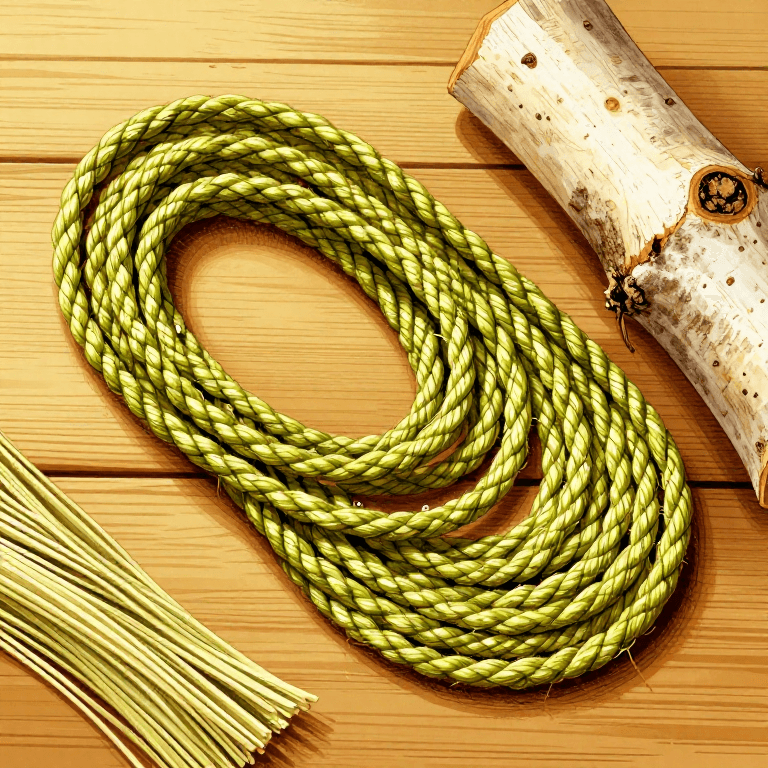
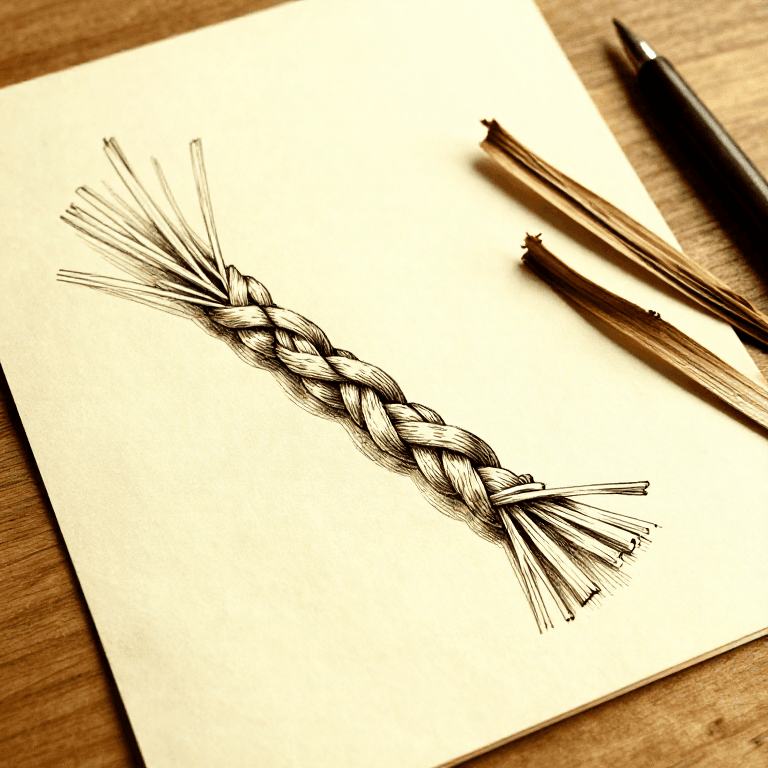
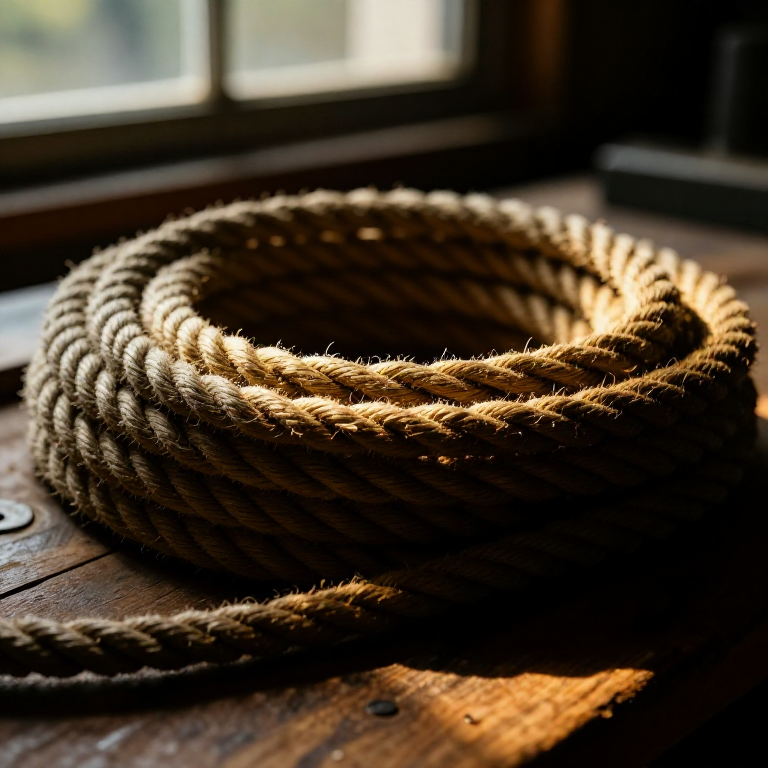
A rope walk and ropemaking machine turn loose plant fibres into strong, durable rope by twisting multiple strands together in opposite directions. Three bundles of combed hemp fibre are each twisted clockwise (Z-twist) by a cranked machine, while a top (a grooved wooden cone) travels down the rope walk, forcing the three strands to wrap around each other counter-clockwise (S-twist). The opposing twist locks the rope together — it will not unravel under load. This technique scaled up in the age of sail to produce kilometres of rigging for every ship, but the principle works at any scale, from garden twine to hawsers.

Intermédiaire
2-3 hours

Consignes

1

Prepare the hemp fibre

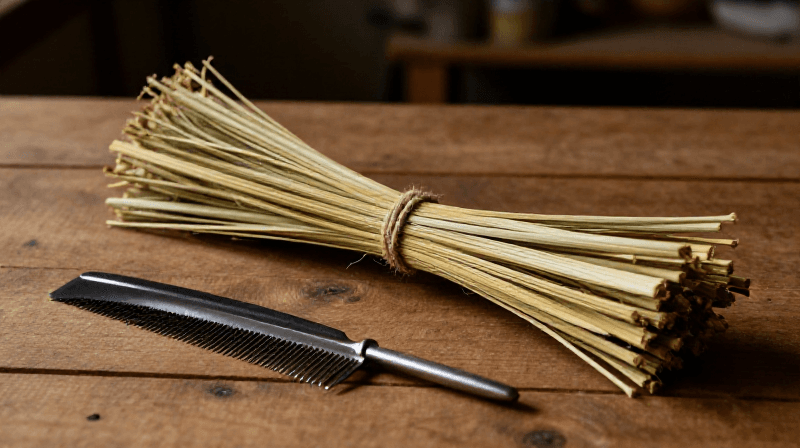
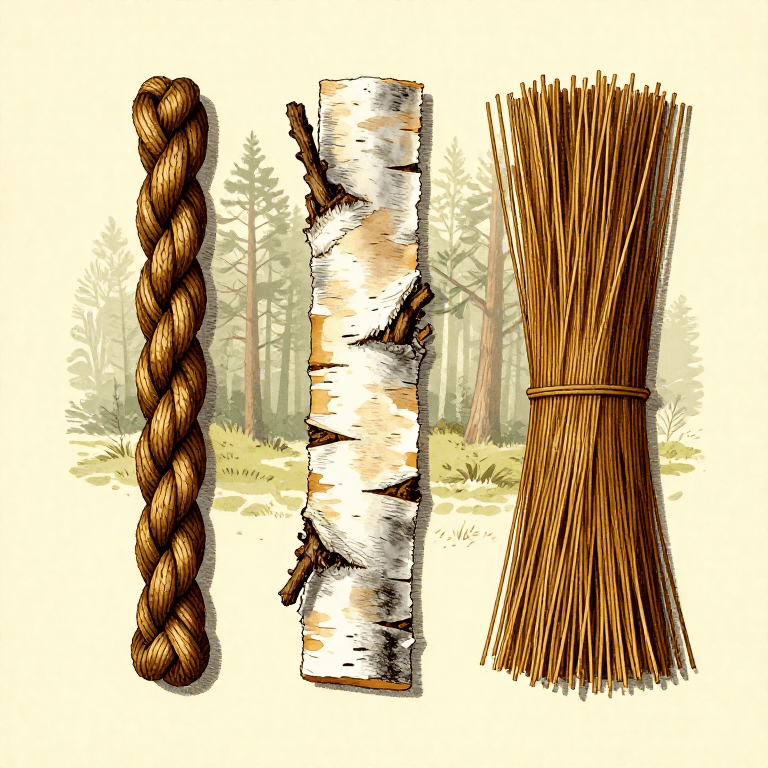
Start with retted and broken hemp bast fibre. Comb (hackle) the fibre through a set of steel pins to separate and align the strands, removing short fibres and debris. The result is a smooth, parallel bundle of long fibres called a 'sliver.'

Matériaux pour cette étape :

Hemp FibreHemp Fibre500 g
2

Form three yarns

Divide the combed fibre into three equal bundles. Each bundle will become one strand of the finished rope. For a rope about 10 mm diameter, each bundle should weigh roughly 150-170 g per metre of finished rope.
3

Set up the rope walk

A rope walk is a long, straight space — at least twice the desired rope length, as twisting shortens the rope by about 30-40%. Outdoors on a lawn or along a path works well. Fix the ropemaking machine (a crank with three hooks) at one end.
4

Attach the strands to the machine hooks

Tie one end of each fibre bundle to a separate hook on the ropemaking machine. Walk the three bundles down the rope walk, keeping them separated and parallel. Tie the far ends together to a single swivel hook on a fixed post or stake.

Outils nécessaires :

Ropemaking MachineRopemaking Machine
5

Apply initial twist to each strand

Turn the crank clockwise. All three hooks rotate together, twisting each strand individually in the Z-direction (clockwise when viewed from the machine end). Keep the strands separated — they must not wrap around each other yet. Twist until each strand is firm and begins to kink when slack is given.
6

Insert the top

The 'top' is a grooved wooden cone or triangle with three slots that separate the three twisted strands. Insert it between the strands near the machine end. Each strand sits in its own groove. A helper holds the top or it hangs from a support.

Outils nécessaires :

Rope Top (wooden separator)Rope Top (wooden separator)
7

Close the rope — advance the top

Continue cranking. As the strands try to untwist, they naturally wrap around each other behind the top in the opposite direction (counter-clockwise, S-twist). The helper slowly walks the top away from the machine, allowing the three strands to lay up into rope at a controlled rate.
8

Maintain even tension

The person at the far end must keep the strands taut by leaning back or using a weighted hook. If the tension drops, the rope will be loose and lumpy. If too tight, the fibres can snap. The top should advance smoothly — about one turn of the crank per centimetre of rope formed.
9

Complete the lay

Continue cranking and advancing the top until it reaches the far end. The entire length is now three-strand laid rope. Stop cranking — the opposing twists hold each other in equilibrium.
10

Secure the ends

Whip both ends of the rope with thin twine — wrap tightly around the last 2-3 cm and tie off. This prevents the strands from unravelling. Alternatively, back-splice or tape the ends temporarily.
11

Stretch and set the rope

Hang the finished rope under moderate tension for 24 hours to allow the fibres to settle into their final position. Hemp rope stretches slightly when first loaded and this pre-stretching stabilises the lay.
12

Coil and store

Coil the rope clockwise (with the lay) to prevent kinking. Store in a dry place — hemp rope is naturally rot-resistant but will degrade if stored wet. A well-made three-strand hemp rope has a breaking strength of roughly 10 times its diameter in kilonewtons.

Matériaux

1

Outils requis

2

Matériaux des Blueprints connectés

CC0 Domaine public

Ce blueprint est publié sous CC0. Vous êtes libre de copier, modifier, distribuer et utiliser ce travail pour tout usage, sans demander la permission.

Soutenez le Maker en achetant des produits via son Blueprint où il perçoit une Commission Maker définie par les Vendeurs, ou créez une nouvelle itération de ce Blueprint et incluez-le comme connexion dans votre propre Blueprint pour partager les revenus.

Commentaires

(0)

Se connecter pour participer à la discussion

Chargement des commentaires...