Ubufatanye
UBUHANZI
UBWIZA N'UBUZIMA
UBUKORIKORI
UMUCO N'AMATEKA
IMYIDAGADURO
IBIDUKIKIJE
IBIRIBWA N'IBINYOBWA
UBWUBATSI BUSUBIRA INYUMA
UBUMENYI
SIPORO
IKORANABUHANGA
IBYAMBARWA


Russia Sheet Iron: Charcoal-Packed Sheets Hammered to a Mirror Polish (Jordan after Koulibine, 1867)
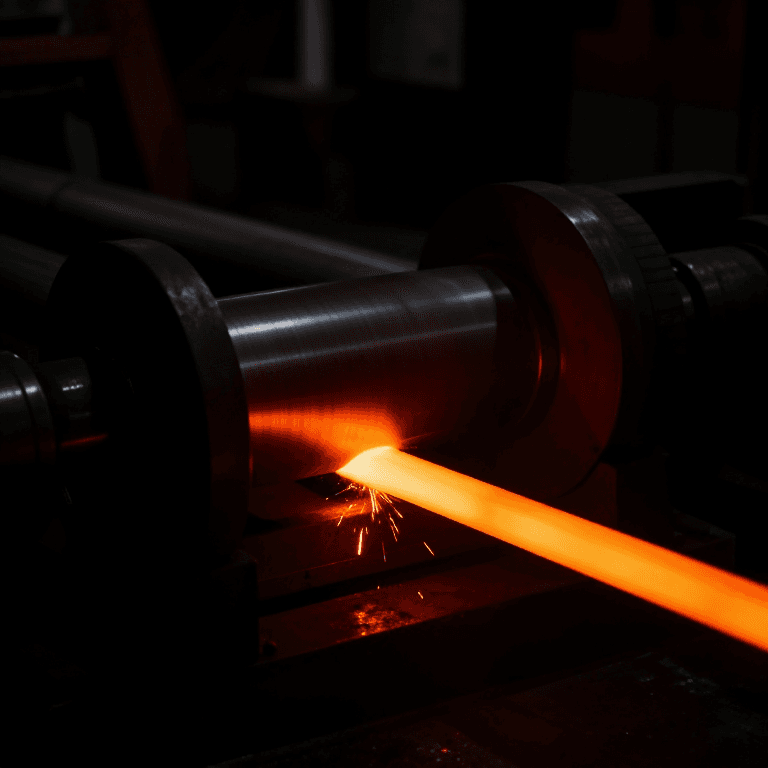
The glossy blue-black Russia sheet iron, long a Russian secret, as the engineer Koulibine described it to Professor Jordan for the Paris Exhibition of 1867: charcoal iron is rolled into black sheets, then packed red-hot with powdered charcoal between them and hammered under a one-ton hammer, then polished cold under a second.
The charcoal, shut in between the hot sheets without air, cements the surface: it takes a high polish and rusts less. Once cemented, a sheet must not go back into the heating furnace.
Unknown: how the charcoal finery iron is made. The source does not give it.
Source: 'Russia Sheet Iron', Scientific American Supplement No. 154 (1878), pp. 2448-2449, after Jordan's 1867 report. Picture: the article.
Hejuru
Unknown
Amabwiriza
1
1
Roll the blooms into leaves
Roll the blooms into leaves
Start from charcoal iron made in finery fires and brought into blooms about one inch thick. Heat the blooms to cherry heat and roll them into leaves. Ours: the furnace and the rolling mill; the source names neither.
Ibikoresho by'iyi ntambwe:
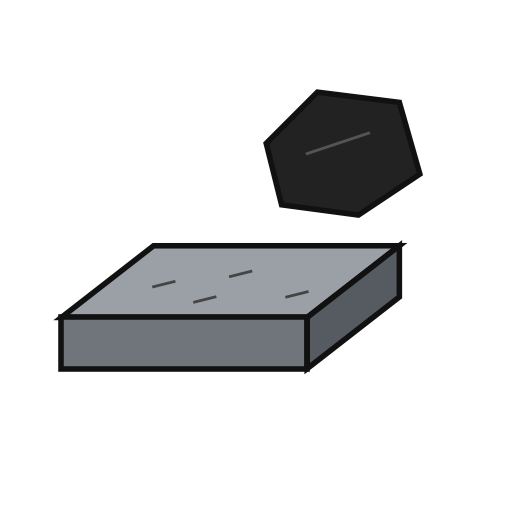 Icyuma gitunganyijwe n’amakara y’ibiti1 blooms about 1 inch thick
Ibikoresho bikenewe:
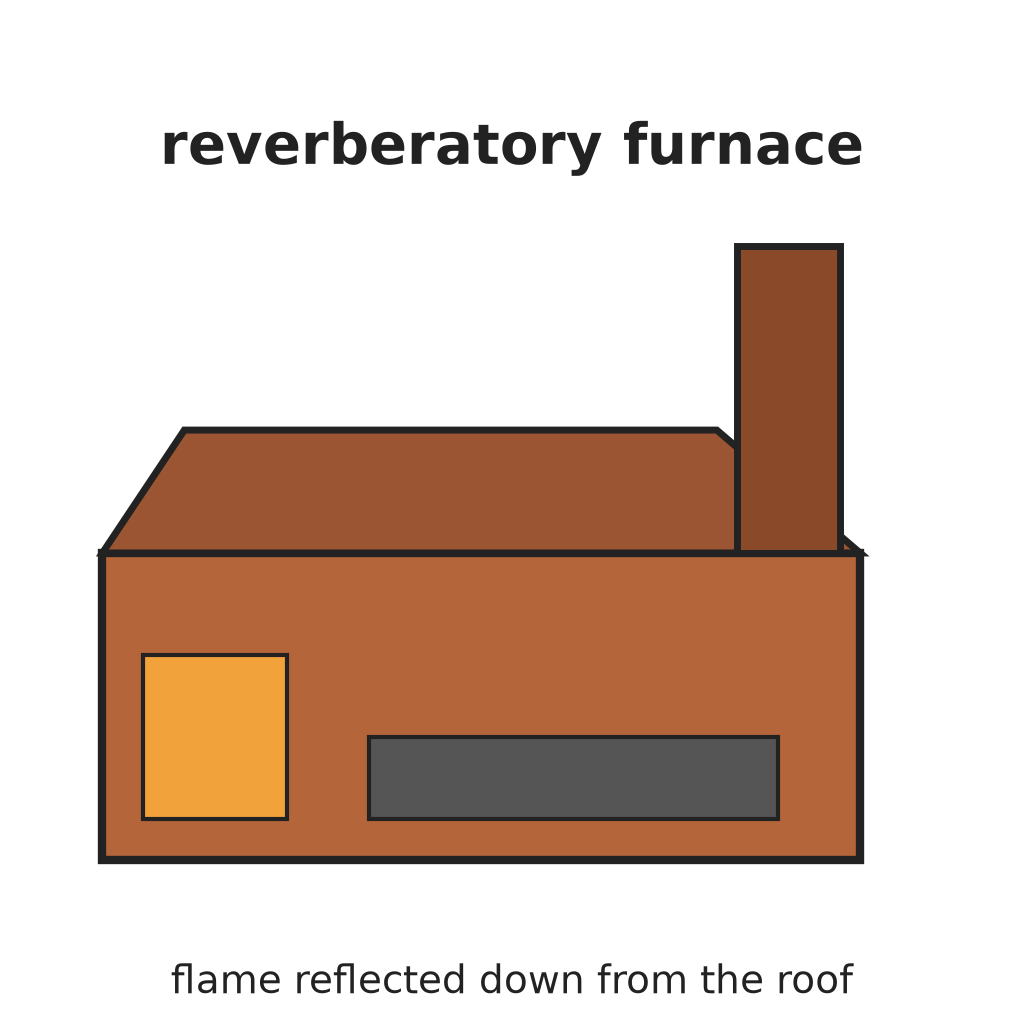 Itanura rya reveribera
 Imashini isingiya icyuma
 Amakoro y'Umucuzi
2
2
Roll the black sheets
Roll the black sheets
Cut each leaf into pieces that match the weight of the sheets to be made. Pile the pieces on one another and roll them together until they are as thin as wanted. These are the black sheets.
Ibikoresho bikenewe:
 Imikasi y'amasahani y'icyumaItanura rya reveriberaImashini isingiya icyumaAmakoro y'Umucuzi
3
3
Pack with charcoal
Pack with charcoal
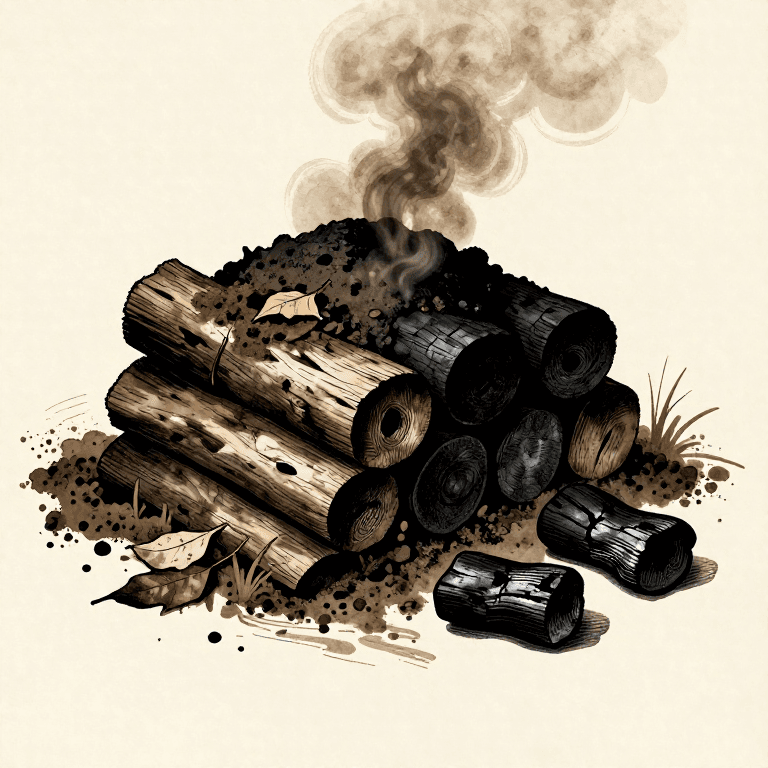
Heat a number of black sheets at a time to red heat and pile them one on another, sprinkling pulverized charcoal, a black impalpable powder, between each two. Two thicker sheets form the bottom and the cover of the packet. Ours: we pound lump charcoal in a mortar.
Ibikoresho by'iyi ntambwe:
 Amakara y'ibice (igiti gikomeye)1 pulverized
Ibikoresho bikenewe:
 Isekuru n'Umuhini by'IbuyeItanura rya reveriberaAmakoro y'Umucuzi
4
4
Hammer the packet
Hammer the packet
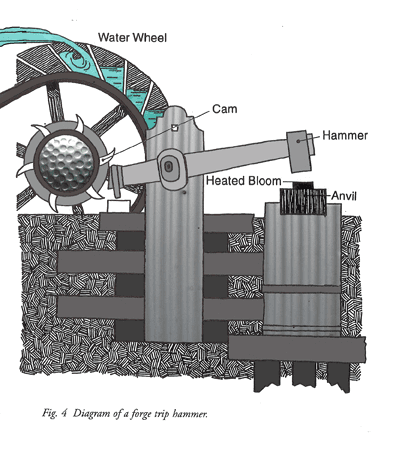
Hammer the packet to thin the sheets further, under a hammer whose head weighs 1,000 to 1,100 kg (2,200 to 2,400 lb). Ours: a trip hammer; the source does not say how the hammer is driven.
Ibikoresho bikenewe:
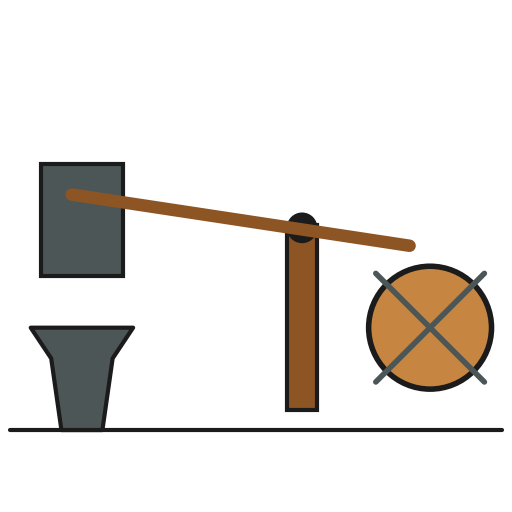 Inyundo izamurwa ikagwaAmakoro y'Umucuzi
5
5
Polish under the second hammer
Polish under the second hammer
When the sheets are almost cold, bring them under a second hammer of the same weight with a large face, rounded at the edges, to give them polish and lustre. Do not put them back in the heating furnace.
Ibikoresho bikenewe:
Inyundo izamurwa ikagwaAmakoro y'Umucuzi6
6
Clip and sort
Clip and sort
Let the sheets cool completely, then clip them and sort them into three classes by the perfection of their polish. A first-class sheet is like a mirror, without a spot on its surface.
Ibikoresho bikenewe:
Imikasi y'amasahani y'icyumaIbikoresho
2- 1 blooms about 1 inch thickUmwanya
- 1 pulverizedUmwanya
Ibikoresho by'Ibishushanyo Bifitanye Isano

Iki gishushanyo gikora
CC0 Umurenge rusange
Iyi blueprint yasohowe munsi ya CC0. Ushobora gukoporora, guhindura, gukwirakwiza no gukoresha nta kwemererwa.
Shyigikira Umuremyi ugura ibicuruzwa binyuze muri Blueprint ye Komisiyo y'Umuremyi byashyizweho n'Abacuruzi, cyangwa kora verisiyo nshya y'iyi Blueprint ukayinjiza nk'isano muri Blueprint yawe kugira ngo musangire inyungu.