Ubufatanye
UBUHANZI
UBWIZA N'UBUZIMA
UBUKORIKORI
UMUCO N'AMATEKA
IMYIDAGADURO
IBIDUKIKIJE
IBIRIBWA N'IBINYOBWA
UBWUBATSI BUSUBIRA INYUMA
UBUMENYI
SIPORO
IKORANABUHANGA
IBYAMBARWA
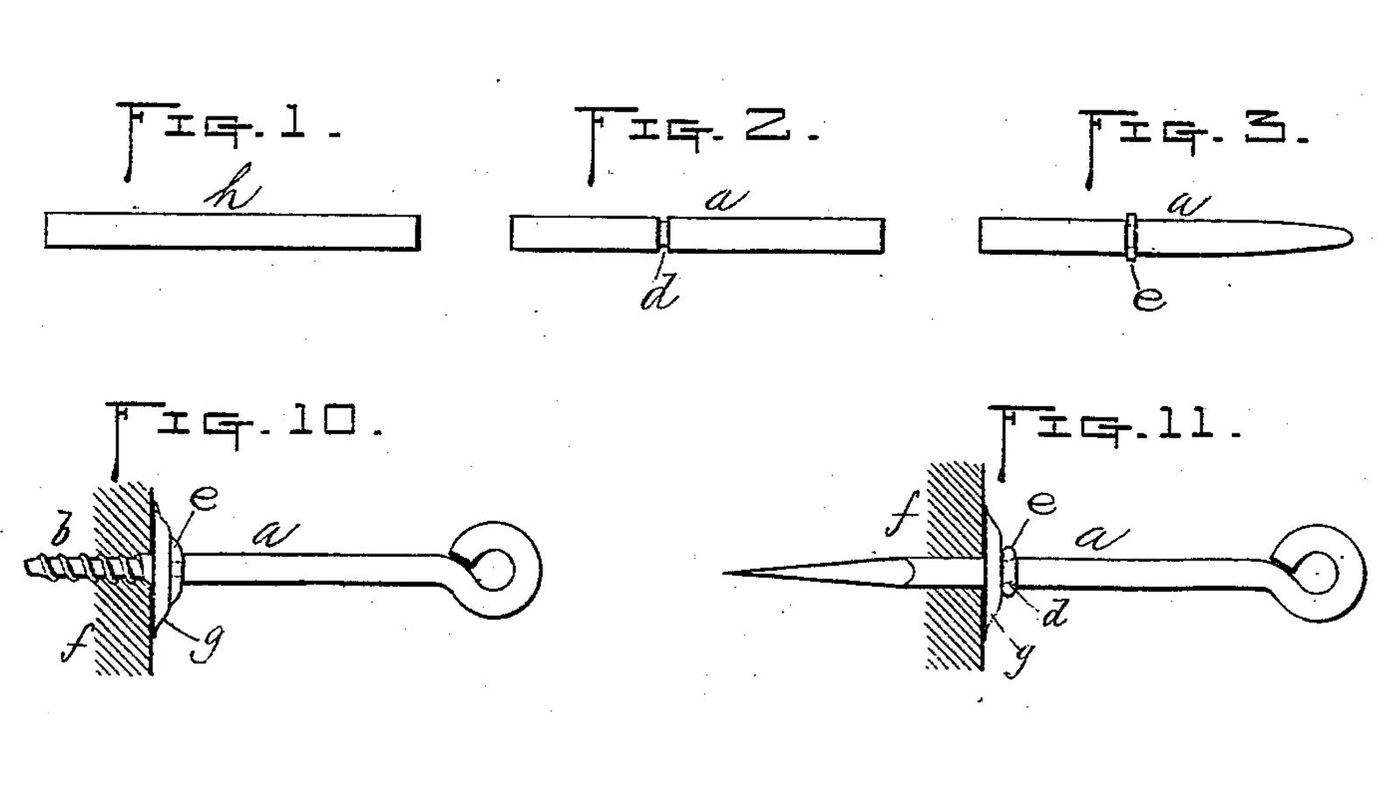


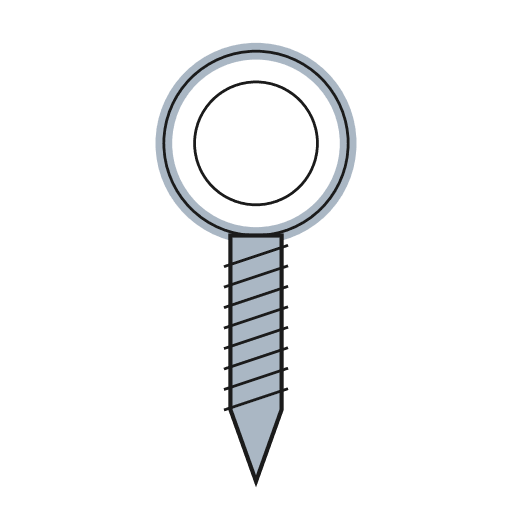
Screw Eye: Parmelee's One-Piece Wire Eye with a Stop-Ring
A screw eye bent from one piece of wire, by Arthur W. Parmelee of Worcester, Massachusetts (US 350,209, 1886). One end is threaded to turn into wood, the other bent into a closed eye. His addition is a ring closed into a groove around the shank: it stops the screw at the right depth, looks neat, and is left a little loose so the eye can turn without marking the wood under it.
The patent gives no metal or sizes. Iron wire, the 3 mm size, the pliers and the die are ours. The picture: Figs. 1-3 and 10-11 of the patent.
Utangiye
30 minutes
Amabwiriza
1
1
Cut a piece of wire
Cut a piece of wire
Cut a straight piece of iron wire about 3 mm thick (ours), long enough for the screw, the shank and the eye (Fig. 1).
Ibikoresho by'iyi ntambwe:
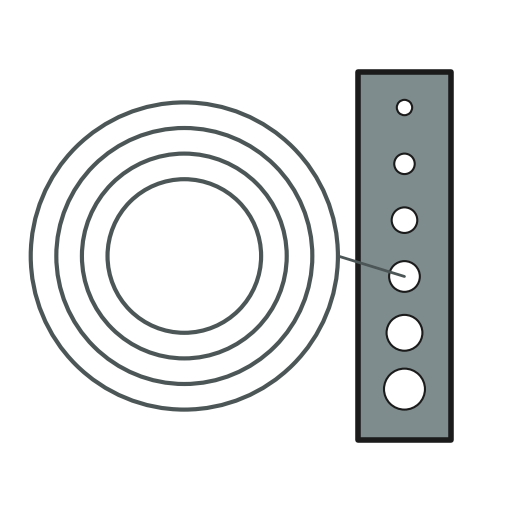 Urusinga rw'icyuma1 igice
Ibikoresho bikenewe:
 Umurongo w'ipima
 Koleyo yo guca insinga y'ukwerekeza
2
2
Cut the groove
Cut the groove
File a narrow groove right round the wire, a screw length from one end (Fig. 2). Parmelee cuts it or presses it in.
Ibikoresho bikenewe:
 Ikusanyirizo ry'Amakariso Mato
 Ifatiro ry'Ameza
3
3
Point the screw end
Point the screw end
File that end to a tapering point (Fig. 3).
Ibikoresho bikenewe:
 Ikariso ry'IcyumaIfatiro ry'Ameza
4
4
Thread the screw end
Thread the screw end
Cut a screw thread on the pointed end "in the usual way". Ours: a die in a die stock, run on as far as the point allows.
Ibikoresho bikenewe:
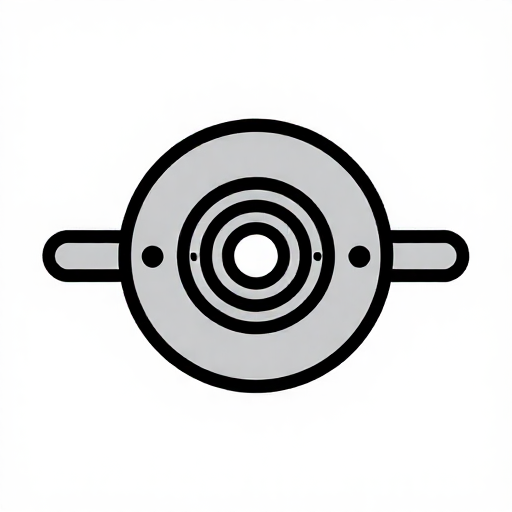 Igifashi cyo guhindukiza umuyoboro wo hanzeIfatiro ry'Ameza
5
5
Bend the eye
Bend the eye
Bend the other end into a closed round eye, the end turned in against the shank (Fig. 10).
Ibikoresho bikenewe:
 Ikinyuranyo Gifite Impera Zizengurutse
 Ipfundo Rifite Umunwa Uringaniye
6
6
Make the split ring
Make the split ring
Bend a short piece of the same wire round into an open ring that just slips over the shank (Figs. 9 and 11).
Ibikoresho by'iyi ntambwe:
Urusinga rw'icyuma1 igiceIbikoresho bikenewe:
Koleyo yo guca insinga y'ukwerekezaIkinyuranyo Gifite Impera Zizengurutse7
7
Close the ring into the groove
Close the ring into the groove
Slide the ring onto the groove and squeeze it until its two ends meet in a continuous band. Leave it a little loose, so the eye turns while the ring stays still against the wood.
Ibikoresho bikenewe:
Ipfundo Rifite Umunwa Uringaniye8
8
Turn it into the wood
Turn it into the wood
Turn the screw into the wood by the eye until the ring meets the surface: the ring is the depth stop. Parmelee also allows washers under the ring; we leave them out.
Ibikoresho
1- 2 ibiceUmwanya
Ibikoresho bikenewe
8- Umwanya
- Umwanya
- Umwanya
Iki gishushanyo gikora
Blueprint zijyanye
Izi blueprint zisangira ubumenyi — uburyo, ibikoresho cyangwa amahame
CC0 Umurenge rusange
Iyi blueprint yasohowe munsi ya CC0. Ushobora gukoporora, guhindura, gukwirakwiza no gukoresha nta kwemererwa.
Shyigikira Umuremyi ugura ibicuruzwa binyuze muri Blueprint ye Komisiyo y'Umuremyi byashyizweho n'Abacuruzi, cyangwa kora verisiyo nshya y'iyi Blueprint ukayinjiza nk'isano muri Blueprint yawe kugira ngo musangire inyungu.