Ubufatanye
UBUHANZI
UBWIZA N'UBUZIMA
UBUKORIKORI
UMUCO N'AMATEKA
IMYIDAGADURO
IBIDUKIKIJE
IBIRIBWA N'IBINYOBWA
UBWUBATSI BUSUBIRA INYUMA
UBUMENYI
SIPORO
IKORANABUHANGA
IBYAMBARWA
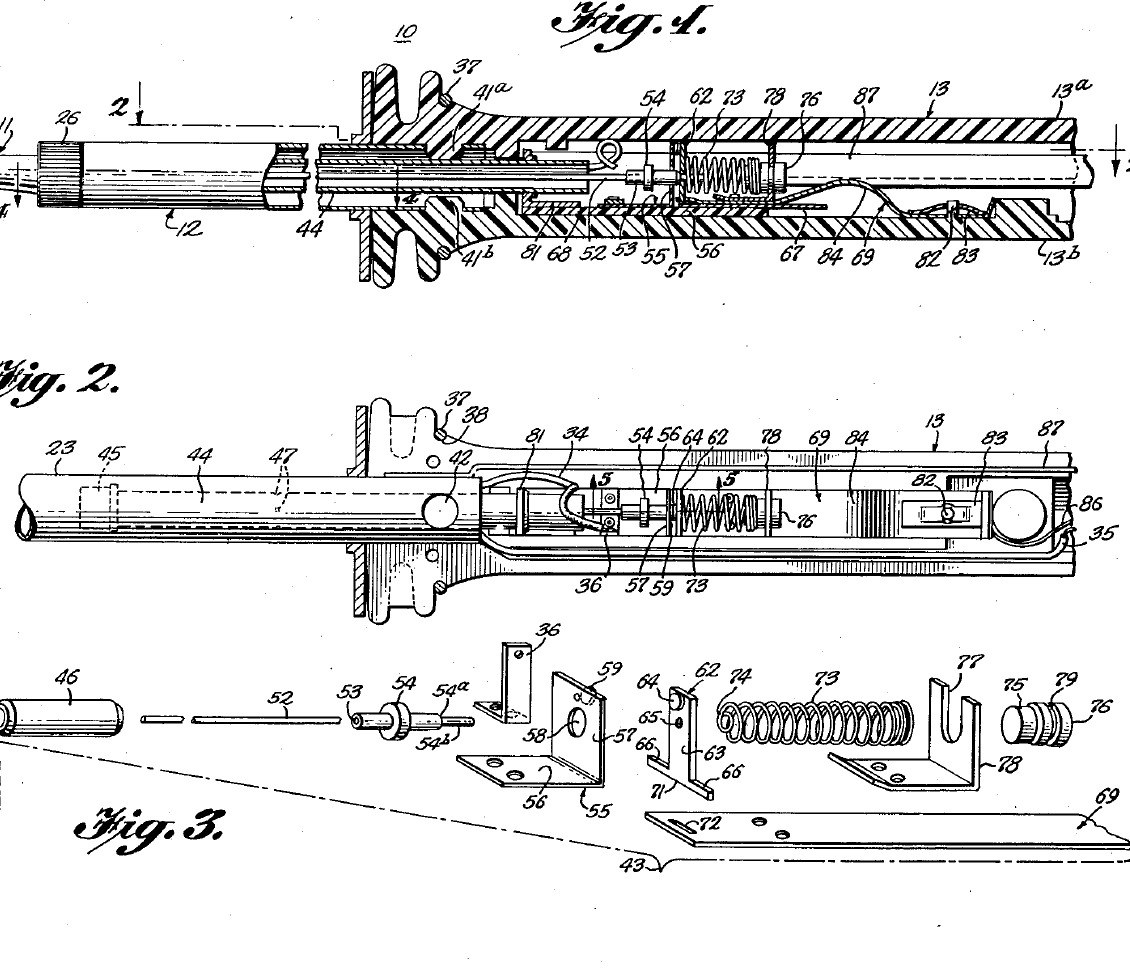


Soldering Iron: Temperature Controlled by a Curie-Point Tip and a Magnet Switch (Weller, US 3,188,448, 1965)
A soldering iron that holds its own tip temperature. At the back of the copper tip sits a slug of nickel-iron alloy that stops being magnetic above a set temperature (its Curie point). A small Alnico magnet behind it is pulled forward while the slug is cool, closing a switch that feeds the heater; once the tip is hot the slug lets go, a steel bushing pulls the magnet back and the switch opens. Swap tips to choose 600, 700 or 800 °F.
Result: a 55-watt temperature-controlled iron idling near 700 °F instead of running ever hotter.
Source: C. E. Weller, US 3,188,448 (1965). Unknown: the plating baths, the heater wire and insulation, most sizes. Picture: the patent drawing.
Hejuru
Unknown
Amabwiriza
1
1
Make the tip and control slug
Make the tip and control slug
Turn the tip from tellurium copper: a cylindrical body, a taper and a chisel end (any shape suits the work). Plate it first with iron, which keeps the copper out of the molten solder, then with nickel, which shuts out the air. Bore its rear end and fit tightly into it the shank of a slug of thermomagnetic nickel-iron alloy, such as 48 % nickel, 3 % molybdenum and the rest iron, or about 43 % nickel and the rest iron. The alloy sets the control point: make tips for 600, 700 and 800 °F. Not given: the plating baths, sizes.
Ibikoresho by'iyi ntambwe:
 Inkoni y’umuringa urimo tellurium1 tip
 Ivange rya nikeli n’icyuma rifite ubushyuhe-rukuruzi1 control slug
Ibikoresho bikenewe:
 Imashini yo guhinguza icyuma
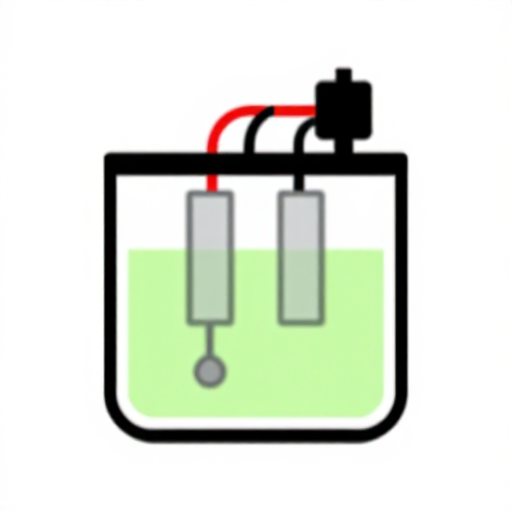 Ikarito yo gusiga icyuma amashanyarazi
 Ingano zitazwi
2
2
Wind the heater barrel
Wind the heater barrel
Make the barrel of two stainless steel tubes: an inner spool the tip slides into snugly, and an outer cover tube joined to it at the front, with a thread and screw cap to hold the tip. In the space between them wind the heater from one length of resistance wire: an inner layer, then an outer layer wound the opposite way so their fields cancel, with insulating sheet inside, between and outside the layers. Silver-solder heat-resistant leads to its ends. Ours: nichrome wire. Not given: the insulating sheet, the turns.
Ibikoresho by'iyi ntambwe:
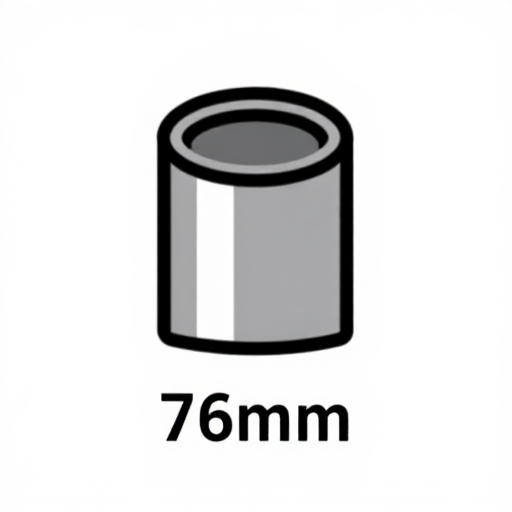 Umuyoboro w'icyuma kitagira ingese2 spool and cover tube
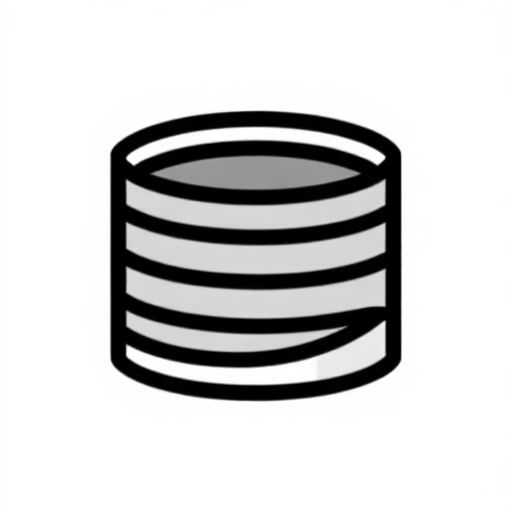 Insinga ya nikoromu1 heater
 Ibikoresho bikumira amashanyarazi bitazwi1 three sheet layers
 Icyuma kitazwi1 leads
 Isudire y'ifeza1 as needed
Ibikoresho bikenewe:
 Itara rya PropaneImashini yo guhinguza icyuma
3
3
Build the magnet switch
Build the magnet switch
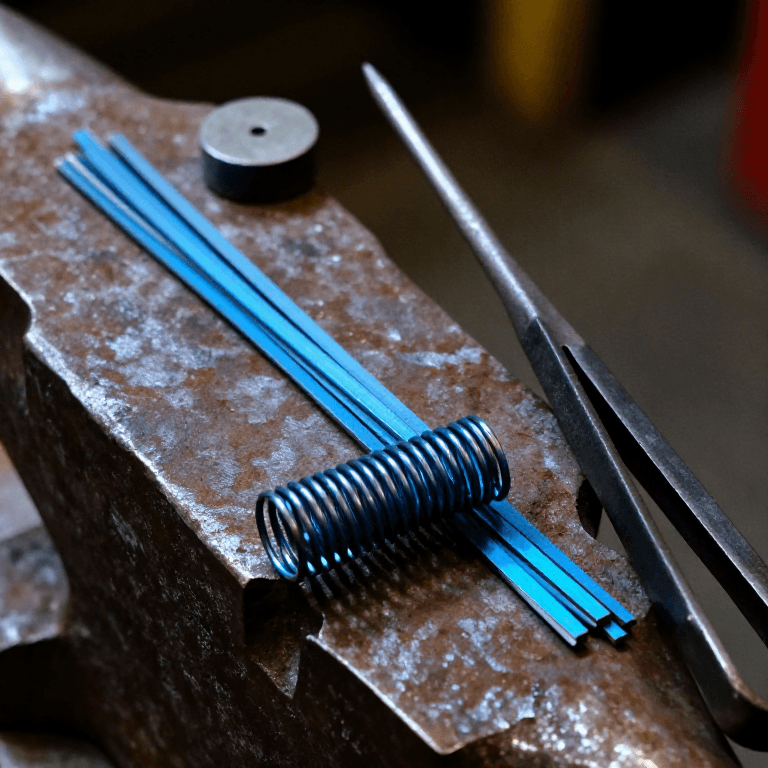
In a stainless steel sleeve about 2.4 in long, close the front with a non-magnetic thermal bushing. Behind it slides a cylindrical Alnico V magnet, then a non-magnetic spacer about 0.032 in thick, then a cold-drawn steel bushing about 0.50 in long held by dents in the sleeve; the magnet's stroke is about 0.015 in. A push rod runs from the magnet through the bushing to an insulator. On a melamine plate, hinge a moving contact between a thin conducting strip and a holding strip, facing a flexible contact; a spring of fourteen coils of 0.010 in music wire, 0.210 in across, presses the moving contact toward the flexible one. Rivet the spring bracket to the holding strip. Not given: the contact metals.
Ibikoresho by'iyi ntambwe:
Umuyoboro w'icyuma kitagira ingese1 sleeve Rukuruzi ya Alnico1 igice
 Umurongo Uzengurutse w'Icyuma Cyoroshye1 magnetic bushing, push rodIcyuma kitazwi1 thermal bushing, spacer, contacts, strips, brackets
 Ibikoresho bitazwi1 insulator
 Urupapuro rwa melamine1 base plate
 Insinga y'icyuma cya kamani1 0.010 in music wire spring
Ibikoresho bikenewe:
Imashini yo guhinguza icyuma Agatsiko ka riveti
 Ikinyuranyo Gifite Impera Zizengurutse
4
4
Assemble the handle and use
Assemble the handle and use
Mould the handle in two plastic halves with a socket at the front whose bosses lock the cover tube. Lay in the switch unit, held only by the bowed tail of its holding strip on an anchor pin with a speed nut, so it floats and its thermal bushing presses on the tip's slug. Wire the heater, the switch and a ground lead from the cover tube to the cord. Rivet the halves near the butt and fit a split ring near the front. In use, below the control point the slug pulls the magnet forward and the spring closes the contacts; above it the steel bushing pulls the magnet back and the push rod opens them. At idle the heater runs only about 30 to 40 % of the time. Not given: the plastic.
Ibikoresho by'iyi ntambwe:
Ibikoresho bitazwi1 handle halvesIcyuma kitazwi1 rivet, split ring, speed nut Umugozi w'amashanyarazi woroshye ufite purize1 igice
Ibikoresho bikenewe:
 Imashini itera pulasitikiAgatsiko ka riveti
Ibikoresho
13- Umwanya
- 1 control slugUmwanya
- Umwanya
- 1 heaterUmwanya
- 1 three sheet layersUmwanya
- 1 rivet, split ring, speed nutUmwanya
- 1 as neededUmwanya
- 1 igiceUmwanya
- 1 magnetic bushing, push rodUmwanya
- 1 handle halvesUmwanya
- 1 base plateUmwanya
- 1 0.010 in music wire springUmwanya
- Umwanya
Ibikoresho bikenewe
7- Umwanya
- Umwanya
- Umwanya
- Umwanya
- Umwanya
Ibikoresho by'Ibishushanyo Bifitanye Isano
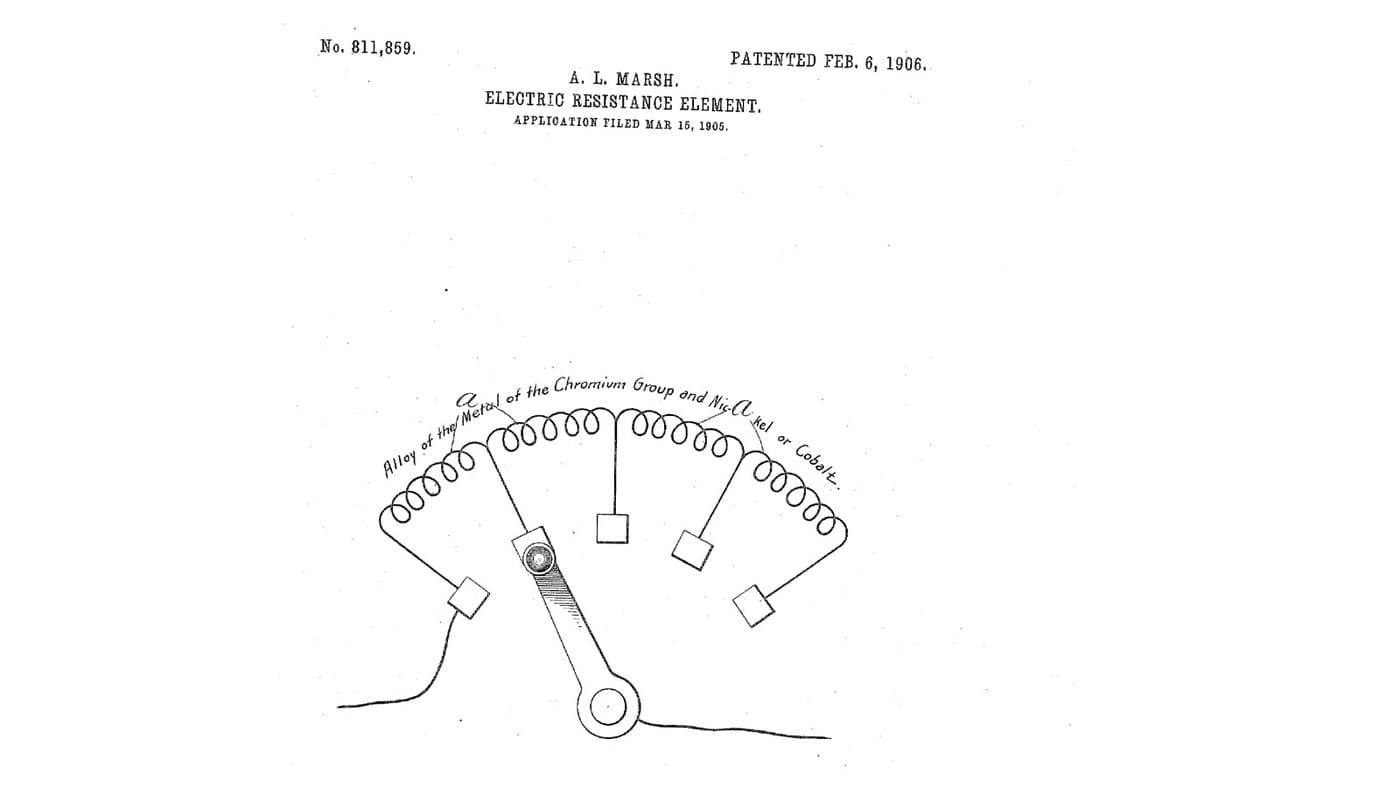

Iki gishushanyo gikora

CC0 Umurenge rusange
Iyi blueprint yasohowe munsi ya CC0. Ushobora gukoporora, guhindura, gukwirakwiza no gukoresha nta kwemererwa.
Shyigikira Umuremyi ugura ibicuruzwa binyuze muri Blueprint ye Komisiyo y'Umuremyi byashyizweho n'Abacuruzi, cyangwa kora verisiyo nshya y'iyi Blueprint ukayinjiza nk'isano muri Blueprint yawe kugira ngo musangire inyungu.