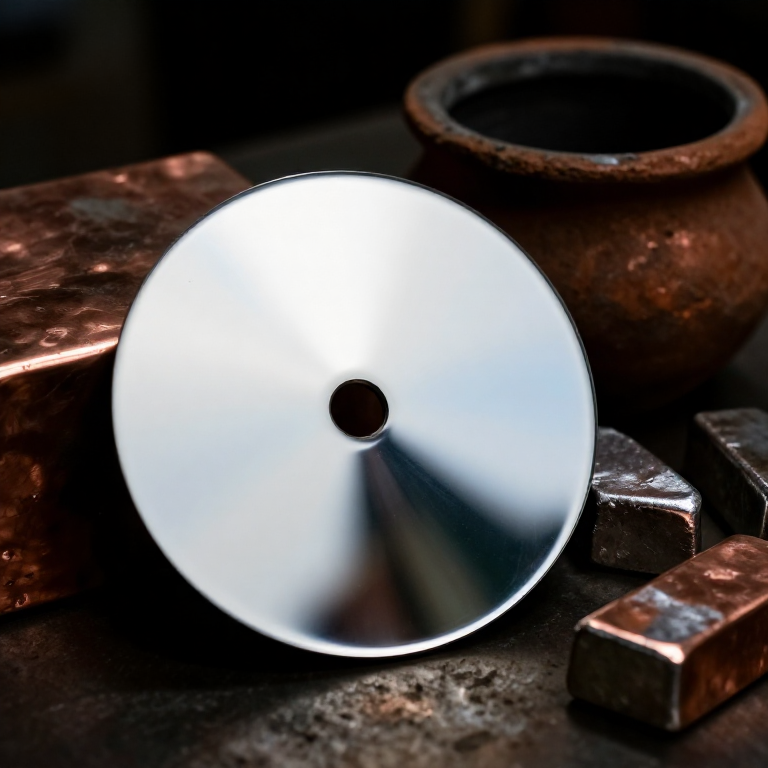


Casting and Grinding a Speculum Metal Telescope Mirror — Newton's Reflecting Alloy
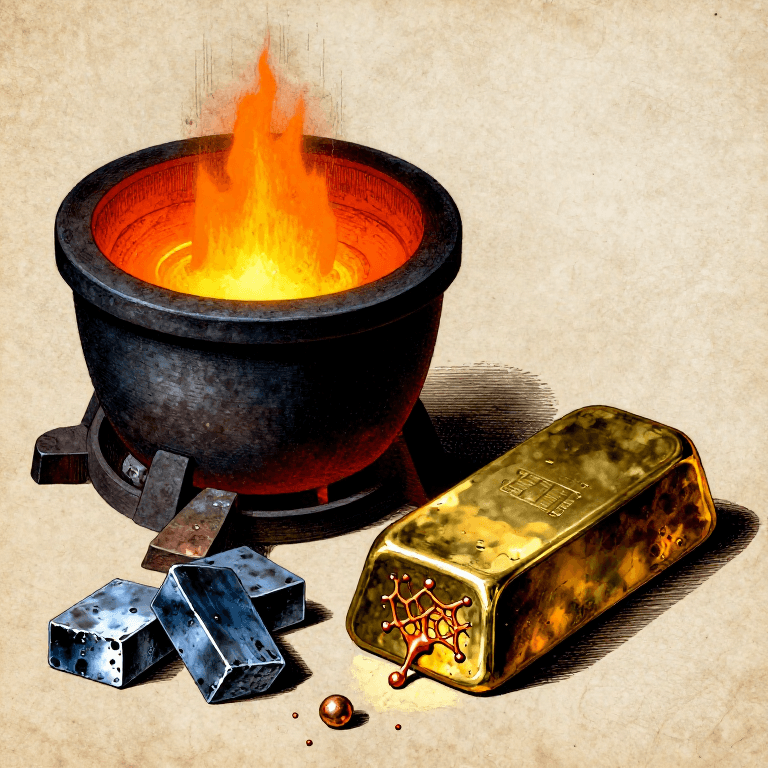
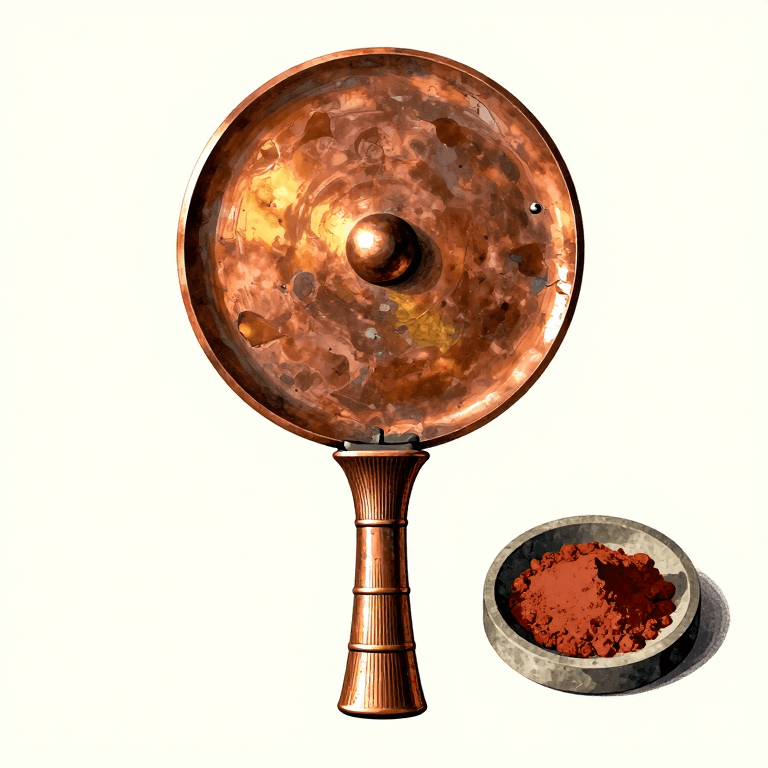
When Isaac Newton built his reflecting telescope in 1668, he needed a concave mirror to focus light — but silvered glass mirrors did not yet exist. Instead, he cast his mirror from speculum metal, a bronze alloy of approximately 68% copper and 32% tin that can be polished to a brilliant, highly reflective surface. Speculum metal had been known since antiquity — the Romans used it for hand mirrors (speculum is Latin for mirror) — but Newton was the first to grind it into a precise concave paraboloid for astronomical use. The alloy is hard, brittle, and takes a superb polish, but it tarnishes in air and must be periodically repolished. Every reflecting telescope before the 1850s used speculum metal mirrors, including William Herschel's great telescopes that discovered Uranus and mapped the Milky Way. This blueprint casts a speculum metal disc from copper and tin ingots, then grinds and polishes it into a concave mirror suitable for a Newtonian reflecting telescope.
Amabwiriza
Understand speculum metal
Understand speculum metal
Weigh the copper and tin
Weigh the copper and tin
Ibikoresho by'iyi ntambwe:
 Ikibumbe cy'umuringa340 g
 Igitebo cya bati (etain)160 g
Prepare the crucible and mould
Prepare the crucible and mould
Ibikoresho by'iyi ntambwe:
 Amakara3 kg
Ibikoresho bikenewe:
 Amakoro y'Icyombo Gishongesha
 Ikirahure cy'Ibumba Kirekire
Melt the copper
Melt the copper
Add the tin and pour
Add the tin and pour
Ibikoresho bikenewe:
Amakoro y'Icyombo GishongeshaAnneal the casting
Anneal the casting
Flatten one face on a lap
Flatten one face on a lap
Ibikoresho bikenewe:
 Udukombe twa karubide ya silikoni
Rough grind the concave curve
Rough grind the concave curve
Ibikoresho by'iyi ntambwe:
 Ikibaho cy'ikirahure1 igice
Ibikoresho bikenewe:
Udukombe twa karubide ya silikoniFine grind with progressively finer grits
Fine grind with progressively finer grits
Polish on a pitch lap
Polish on a pitch lap
Ibikoresho by'iyi ntambwe:
 Ubunyu bwa gudurona ya pine100 g
 Oksidi ya etain (oksidi ya sitanike)50 g
Ibikoresho bikenewe:
 Umuti wo kunoza
Test the mirror with a pinhole
Test the mirror with a pinhole
Protect the polished surface
Protect the polished surface
Ibikoresho
6- 340 gUmwanya
- Umwanya
- 3 kgUmwanya
- 1 igiceUmwanya
- Umwanya
- Umwanya
Ibikoresho bikenewe
4- Umwanya
- Umwanya
Ibikoresho by'Ibishushanyo Bifitanye Isano

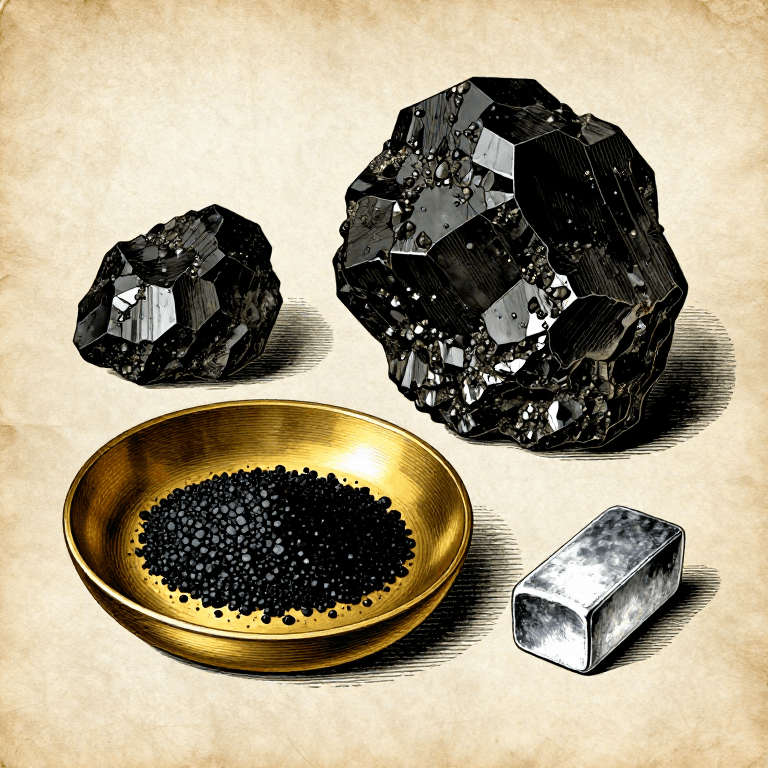

Iki gishushanyo gikora

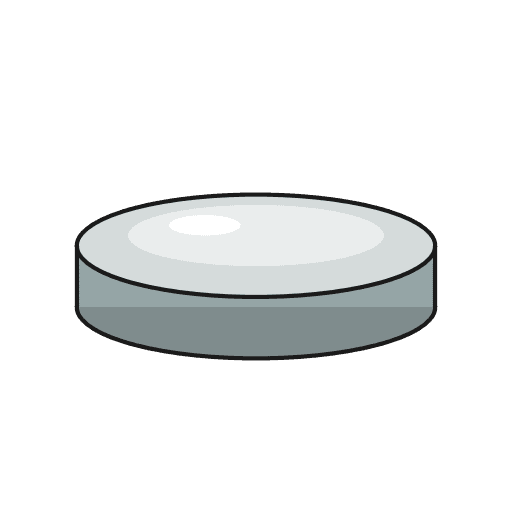
Blueprint zijyanye
Izi blueprint zisangira ubumenyi — uburyo, ibikoresho cyangwa amahame
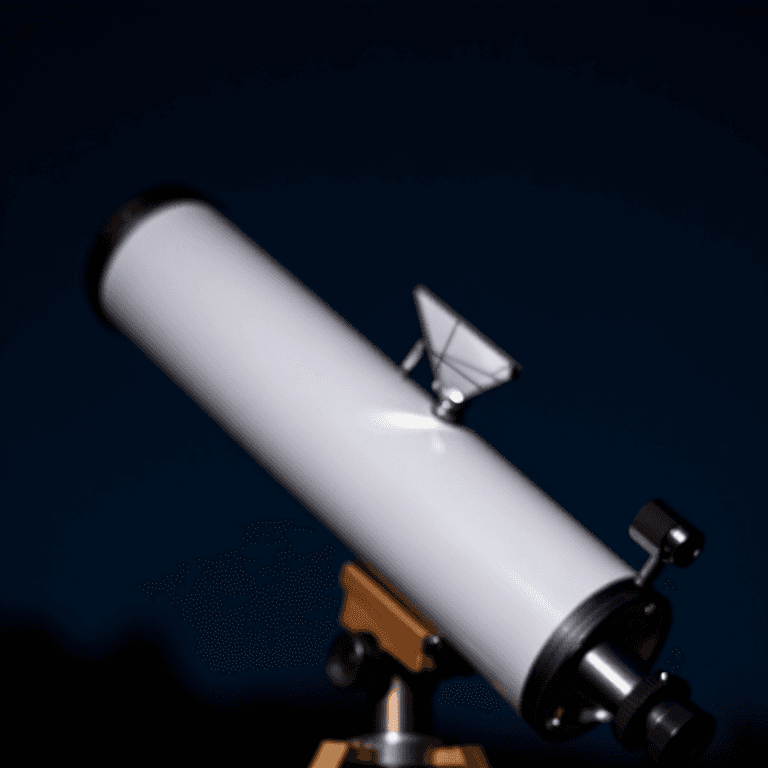
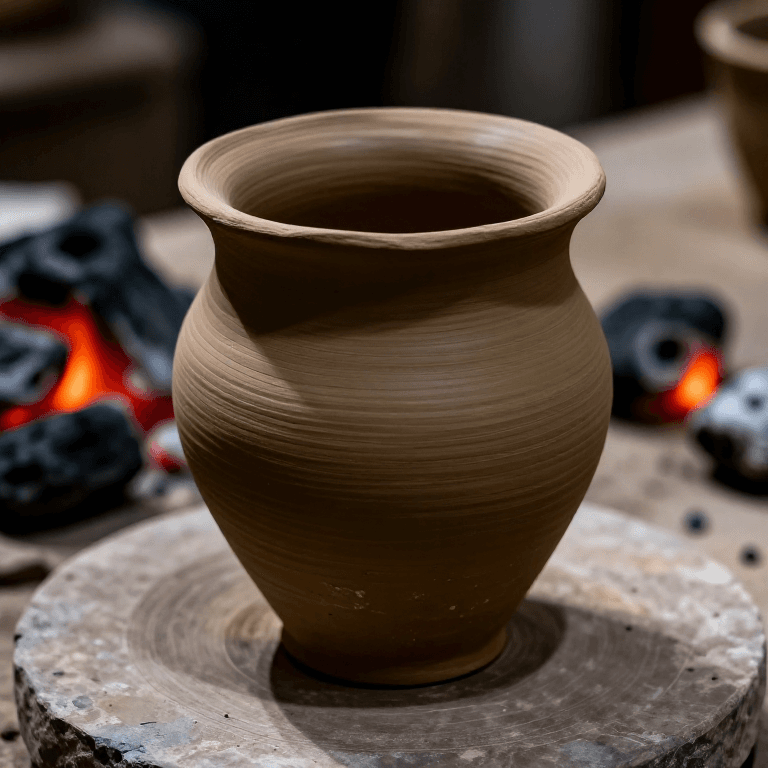

CC0 Umurenge rusange
Iyi blueprint yasohowe munsi ya CC0. Ushobora gukoporora, guhindura, gukwirakwiza no gukoresha nta kwemererwa.
Shyigikira Umuremyi ugura ibicuruzwa binyuze muri Blueprint ye Komisiyo y'Umuremyi byashyizweho n'Abacuruzi, cyangwa kora verisiyo nshya y'iyi Blueprint ukayinjiza nk'isano muri Blueprint yawe kugira ngo musangire inyungu.