

فنون
الجمال والعناية
حِرَف
الثقافة والتاريخ
ترفيه
البيئة
الطعام والمشروبات
المستقبل الأخضر
الهندسة العكسية
العلوم
رياضة
التقنية
الأجهزة القابلة للارتداء
Crucible Cast Steel by the Huntsman Process — Remelting Blister Steel into Flawless Ingots
Tarkin

أنشأه

Tarkin

25. يونيو 2026US
19
0
0
0
0

Crucible Cast Steel by the Huntsman Process — Remelting Blister Steel into Flawless Ingots

Blister steel was a triumph, but it had a flaw: its carbon was uneven, rich at the surface of each bar and poor in the core. For fine springs, watch parts, and razors, smiths needed steel that was the same all the way through. In 1740 the Sheffield clockmaker Benjamin Huntsman found the answer — melt the steel completely.

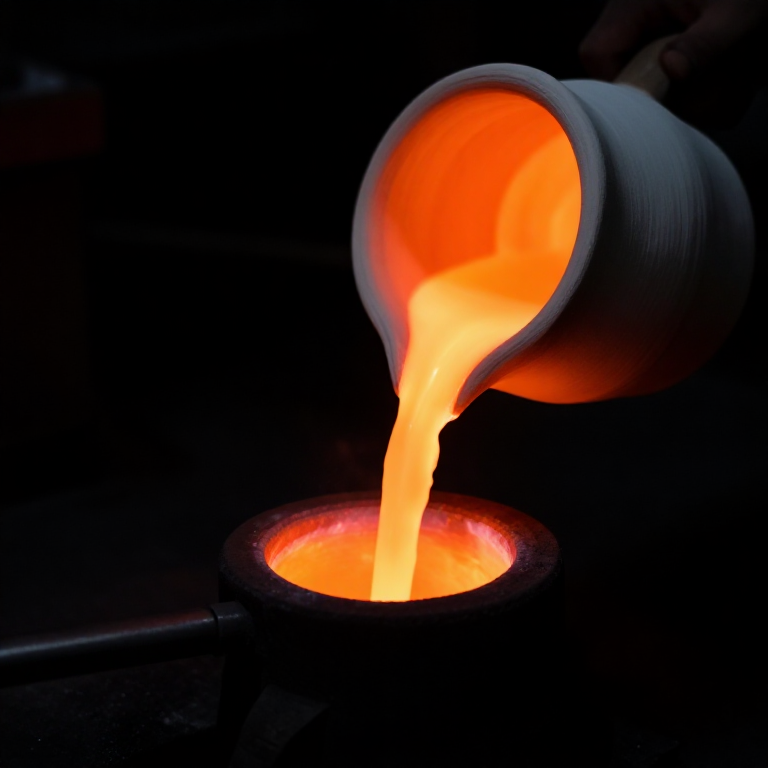
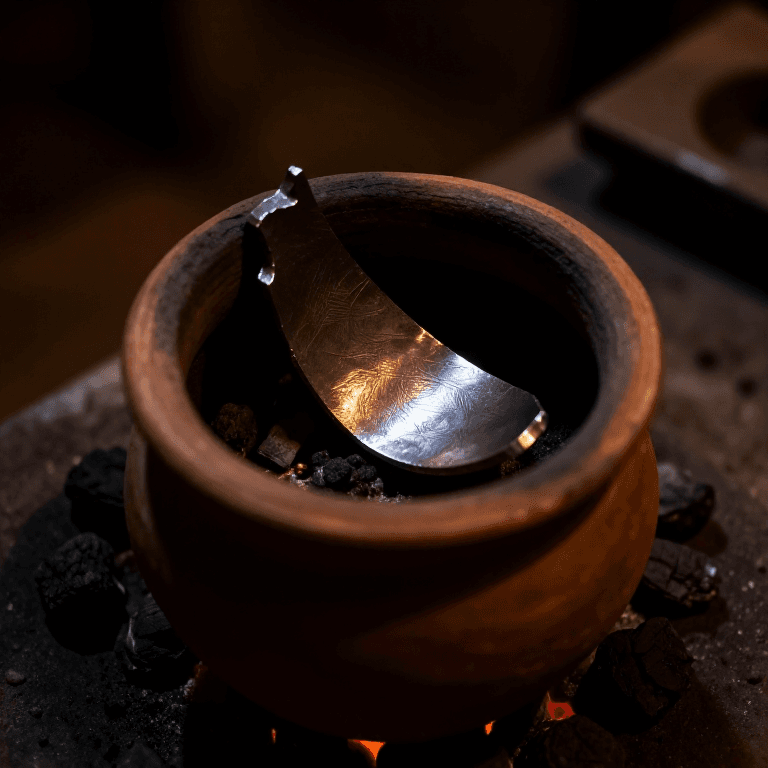
No furnace of the day could melt steel, so Huntsman built one that could. He broke blister steel into small pieces, sealed them in a covered clay crucible, and drove a coke fire hot enough — around 1600 degrees Celsius — to turn the solid steel into a clear liquid. Fully molten, the carbon spread perfectly evenly through the metal and the impurities floated off as slag. Poured into a mould, it set into a flawless ingot of cast steel.

Huntsman's crucible steel was the finest in the world and made Sheffield the steel capital of the age. The principle — melt it to make it uniform — is the same one that still underlies steelmaking today, and it sits at the very top of the iron-and-steel chain that runs from ore to coke to pig iron to wrought iron to blister steel to this.

متقدم
3-4 hours per melt once the furnace is hot

التعليمات

1

Understand the goal

Blister steel has uneven carbon. Crucible steel fixes this by melting the steel completely so the carbon spreads evenly through the liquid. The result is homogeneous cast steel — uniform, dense, and predictable, ideal for springs, cutlery, and fine edge tools.
2

Break up the blister steel

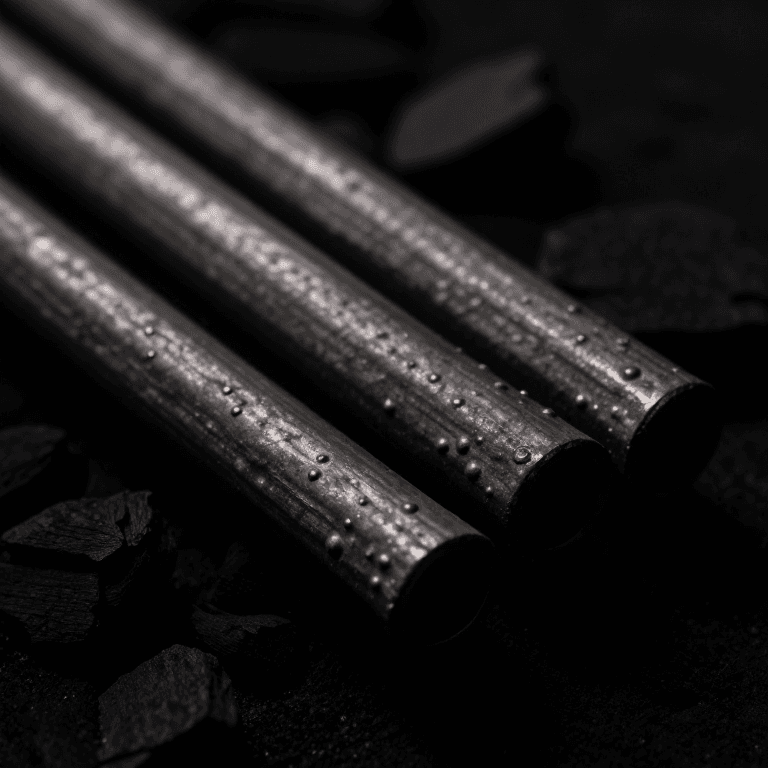
Snap or cut blister steel bars into small pieces that pack neatly into a crucible. Smaller pieces melt faster and more evenly. Sort by carbon level if you can — blending pieces lets you aim for a target steel composition.

المواد لهذه الخطوة:

Blister Steel BarsBlister Steel Bars12 كغ

الأدوات المطلوبة:

HammerHammer
3

Prepare a clay crucible

Use a tall lidded crucible of refractory clay, ideally with graphite, able to survive 1600 degrees Celsius without slumping. The crucible must be sound and pre-dried — any trapped moisture can crack it violently when it hits the heat.

المواد لهذه الخطوة:

Clay CrucibleClay Crucible1 قطعة
4

Charge the crucible

Fill the crucible with the broken blister steel and add a small amount of flux such as broken glass or lime to gather impurities. Cap it with a clay lid to keep the furnace gases and ash out of the melt.

المواد لهذه الخطوة:

LimestoneLimestone1 كغ
5

Build a coke melting furnace

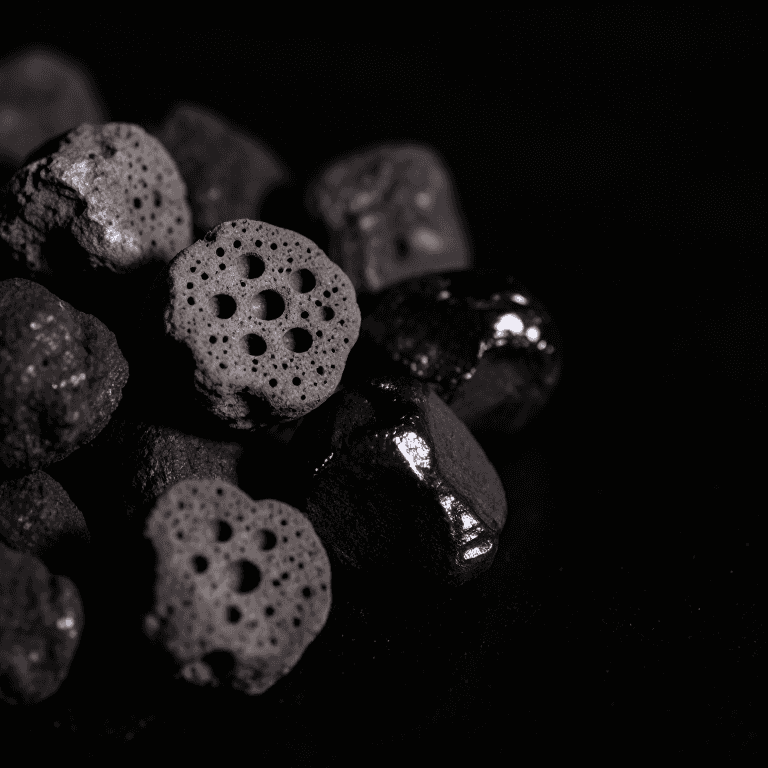
Build a deep furnace that holds the crucible surrounded by coke, with a strong draft. Coke is essential — only it burns hot and clean enough to reach steel-melting temperature. This furnace must get far hotter than one for melting iron or bronze.

المواد لهذه الخطوة:

Metallurgical CokeMetallurgical Coke50 كغ

الأدوات المطلوبة:

BellowsBellows
6

Melt the steel fully

Set the charged crucible deep in the coke and drive the fire hard. Hold the heat for hours until the steel inside is completely liquid — checked by lifting the lid and seeing a clear molten pool with no solid lumps. Full liquefaction is the whole point.

الأدوات المطلوبة:

Crucible TongsCrucible Tongs
7

Let the carbon even out

In the fully molten bath the carbon diffuses to a uniform concentration throughout, erasing the surface-to-core gradient of blister steel. This homogenising is exactly what gives crucible steel its even, reliable quality.
8

Let the slag rise

Impurities and the added flux are lighter than the steel and float to the top as a layer of slag. Give the melt time to settle so this slag separates cleanly, leaving pure liquid steel beneath it.
9

Lift the crucible

Grip the white-hot crucible with long crucible tongs and lift it from the furnace. This is the most dangerous moment — the crucible glows near 1600 degrees Celsius and a slip means molten steel. Work deliberately with full protection and a clear path.

الأدوات المطلوبة:

Crucible TongsCrucible Tongs
10

Cast the ingot

Skim or hold back the slag and pour the molten steel in one steady motion into a cast-iron ingot mould. A smooth uninterrupted pour avoids trapping slag or air, giving a sound, dense ingot.

الأدوات المطلوبة:

Ingot MouldIngot Mould
11

Cool and strip

Let the ingot solidify and cool in the mould until it is no longer red, then knock it out. Cooling slowly reduces internal stress and cracking in the dense steel ingot.

الأدوات المطلوبة:

HammerHammer
12

Identify cast steel

Crucible cast steel is dense and fine-grained with a uniform fracture and no slag fibres. It forges cleanly and hardens predictably to a keen edge — the premium tool and cutlery steel that made Sheffield famous, sitting at the summit of the iron-and-steel chain.

الأدوات المطلوبة:

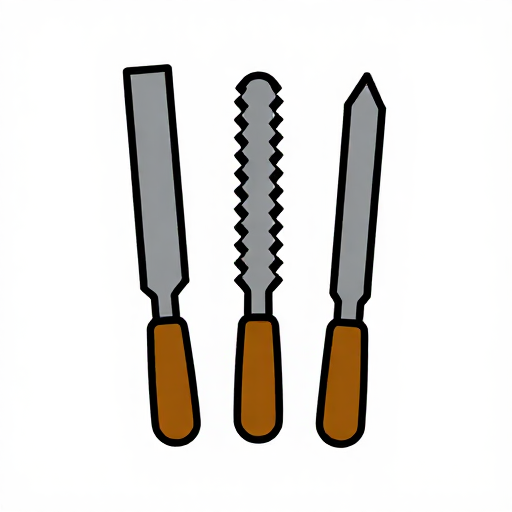
FileFile

المواد

4

الأدوات المطلوبة

5

مواد المخططات المرتبطة

المخططات ذات الصلة

هذه المخططات تشارك المعرفة مع هذا — التقنيات والمواد والمبادئ
CC0 ملكية عامة

هذا المخطط مُصدر بموجب CC0. يحق لك نسخه وتعديله وتوزيعه واستخدامه لأي غرض، دون طلب إذن.

ادعم الصانع بشراء منتجات عبر مخططه حيث يكسب عمولة الصانع يحددها البائعون، أو أنشئ نسخة جديدة من هذا المخطط وضمّنه كرابط في مخططك لمشاركة الإيرادات.

النقاش

(0)

تسجيل الدخول للمشاركة في النقاش

جارٍ تحميل التعليقات...