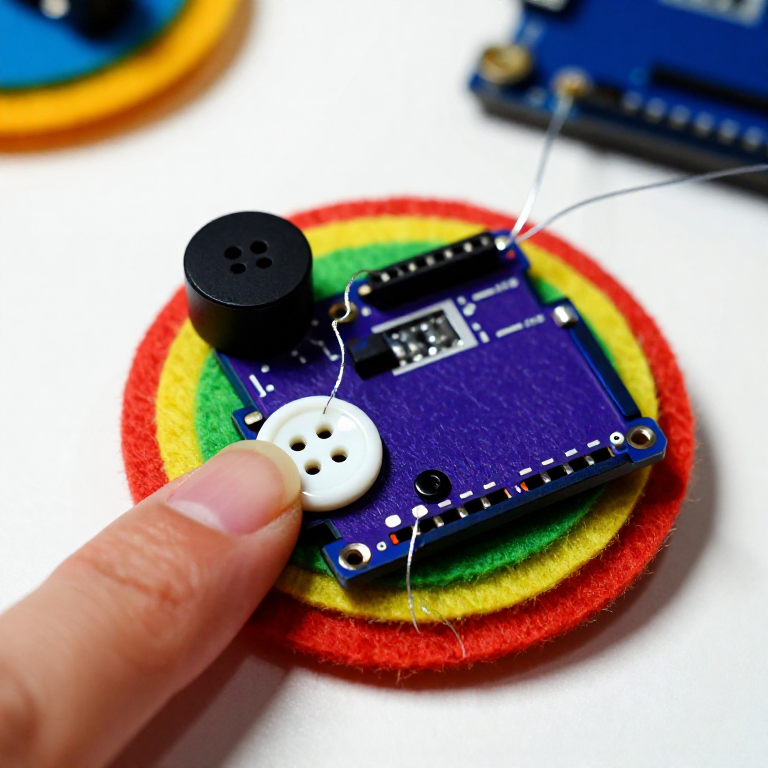


Making a LilyPad Musical Patch
Sew a patch that plays a tune. A LilyPad buzzer and a button let the microcontroller sing a short melody whenever you press it — a musical badge, a fabric greeting card, or a costume piece. This project introduces the buzzer and the Arduino tone() function that turns pin signals into notes.
التعليمات
Sew the board, buzzer and button
Sew the board, buzzer and button
Sew a LilyPad Arduino, a LilyPad buzzer and a LilyPad button onto felt. Wire it: the buzzer's + tab to pin 9 and its - tab to -; the button's tabs to analog pin A2 and to -. Keep the lines from crossing.
المواد لهذه الخطوة:
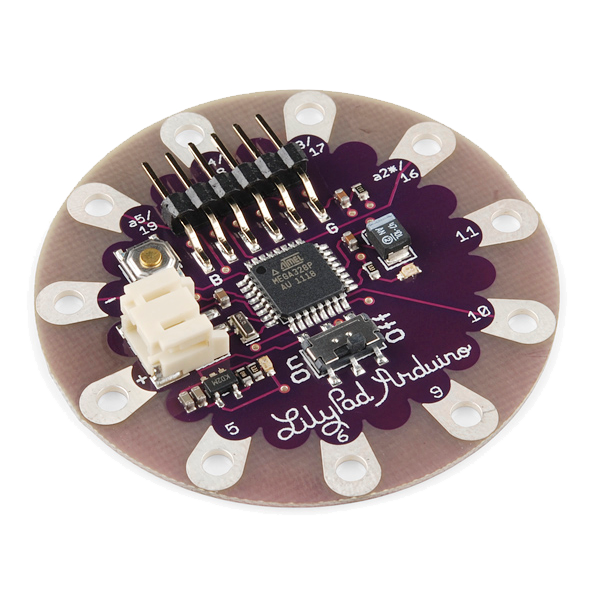 LilyPad Arduino Simple Board1 قطعة
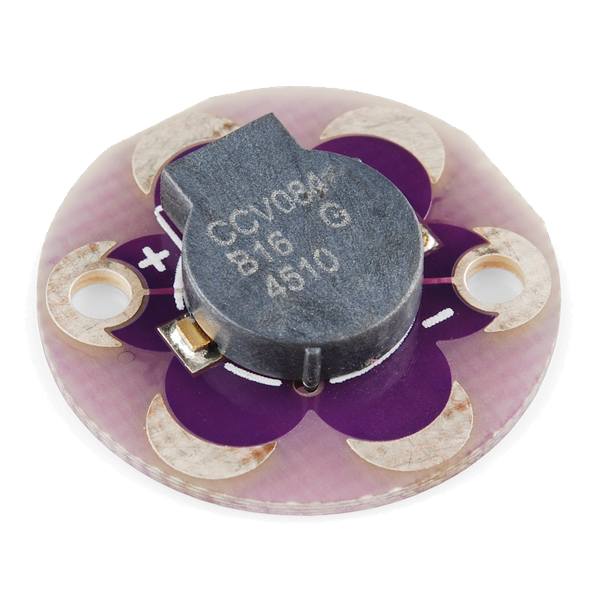 LilyPad Buzzer1 قطعة
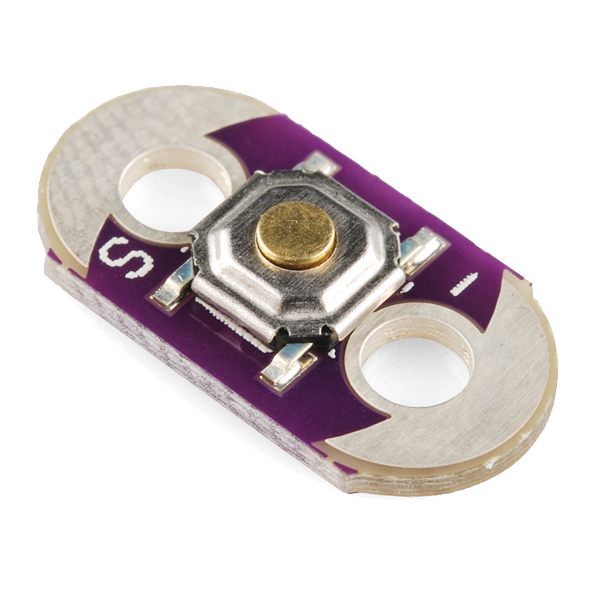 LilyPad Button Board1 قطعة
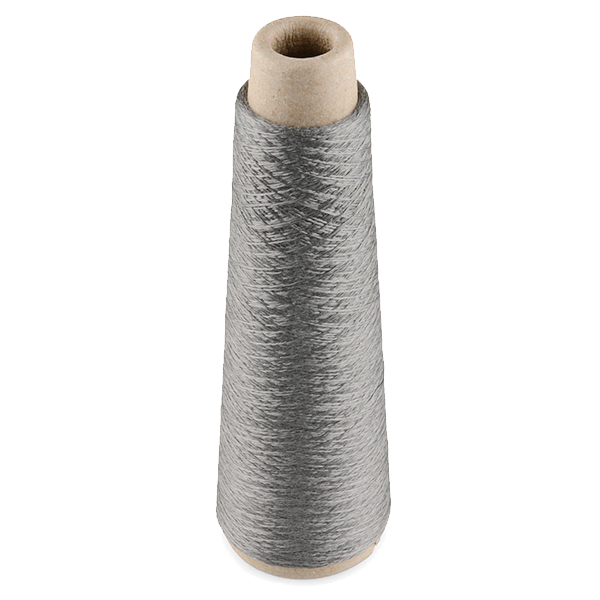 Conductive Thread - 60g (Stainless Steel)1 بكرة
 إبر خياطة يدوية1 عبوة
 لوح لبّاد صوفي1 ورقة
Connect the programmer
Connect the programmer
Plug the LilyPad FTDI onto the programming header and connect the USB cable. Open the Arduino IDE and select the LilyPad Arduino board and its serial port.
المواد لهذه الخطوة:
 LilyPad FTDI Basic Breakout - 5V1 قطعة
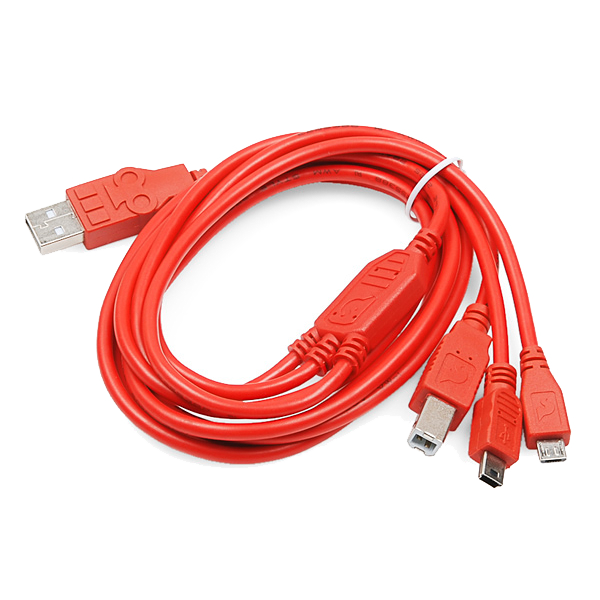 SparkFun Cerberus USB Cable - 1.8 meter1 قطعة
الأدوات المطلوبة:
 حاسوب عليه بيئة Arduino IDE
Upload the melody sketch
Upload the melody sketch
Paste this sketch and upload. Pressing the button plays a short rising scale on the buzzer.
Press to play, then compose
Press to play, then compose
Press the button — you should hear the five notes. Change the tune by editing the melody[] frequencies (higher number = higher note) and the durations[] in milliseconds, then re-upload. Add more notes to both arrays to make a longer song.
Go wireless and wear it
Go wireless and wear it
Unplug the FTDI, sew a LilyPad coin-cell holder to the board (+ to +, - to -), drop in a CR2032 and switch on. Sew the felt onto a badge or card — press it to play your tune anywhere.
المواد لهذه الخطوة:
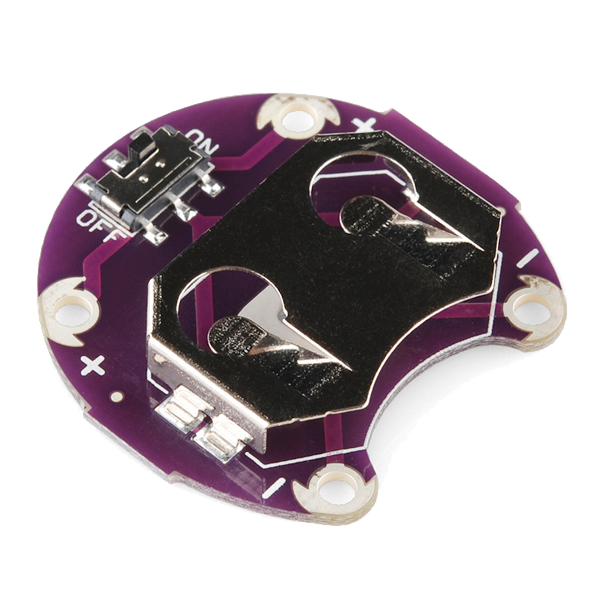 LilyPad Coin Cell Battery Holder - w/Switch - 20mm1 قطعة
 بطارية قرصية CR20321 قطعة
المواد
10- LilyPad Arduino Simple Boardعمولة 10%1 قطعة$19.35
- LilyPad Buzzerعمولة 10%1 قطعة$7.52
- LilyPad Button Boardعمولة 10%1 قطعة$2.20
- 1 بكرة$39.62
- 1 عبوةعنصر نائب
- 1 ورقةعنصر نائب
- LilyPad FTDI Basic Breakout - 5Vعمولة 10%1 قطعة$14.19
- 1 قطعة$5.66
- 1 قطعة$4.99
- 1 قطعةعنصر نائب
الأدوات المطلوبة
2- عنصر نائب
- عنصر نائب
المخططات ذات الصلة
هذه المخططات تشارك المعرفة مع هذا — التقنيات والمواد والمبادئ
CC0 ملكية عامة
هذا المخطط مُصدر بموجب CC0. يحق لك نسخه وتعديله وتوزيعه واستخدامه لأي غرض، دون طلب إذن.
ادعم الصانع بشراء منتجات عبر مخططه حيث يكسب عمولة الصانع يحددها البائعون، أو أنشئ نسخة جديدة من هذا المخطط وضمّنه كرابط في مخططك لمشاركة الإيرادات.