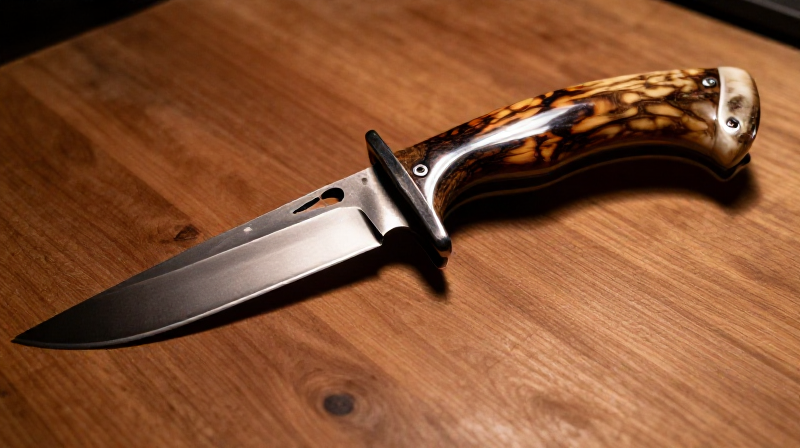

Making a Deer Antler Knife Handle — Drill, Shape, and Epoxy a Hidden-Tang Grip
Deer antler is harder and more durable than most woods, with a natural grip texture and moisture resistance that improves with age. The dense outer cortex resists scratching while the spongy inner core locks epoxy around the tang for a permanent bond. Antler handles have been used from the Stone Age through to modern custom knifemaking.
This blueprint covers making a hidden-tang knife handle from a single deer antler beam section: sawing, drilling, shaping, sanding, epoxying the blade in place, and finishing with beeswax and linseed oil.
التعليمات
Select a dense beam section
Select a dense beam section
Choose a straight section of the lower main beam — this has the thickest cortex and smallest spongy core. You need about 12-13 cm of length. Avoid sun-bleached or cracked antler. Fresh antler or recently shed (under one season old) is best.
المواد لهذه الخطوة:
 قطعة قرن أيّل1 قطعة
 الأيّل1 قطعة
Saw the beam section to length
Saw the beam section to length
Clamp the antler in a bench vise with protective jaw pads. Cut to length with a fine-toothed hacksaw (24-32 TPI). Saw slowly — antler dust is unpleasant to inhale, so work outdoors or wear a mask. Square off the butt end with a second cut if needed.
الأدوات المطلوبة:
 ملزمة منضدة
 منشار حديد
Drill the tang hole
Drill the tang hole
Clamp the blank upright, find the centre of the spongy core, and drill with a bit matching the tang width (6-8 mm). Drill slowly at low speed, clearing chips every 10-15 mm. Drill to tang depth, usually 7-9 cm. Test-fit — the tang should slide in snugly without wobble.
الأدوات المطلوبة:
 مثقاب لاسلكي
 طقم لقم ثقب
Shape with rasp and file
Shape with rasp and file
Rough-shape with a coarse wood rasp, then refine curves with a half-round hand file. Aim for a comfortable grip: slightly swollen in the middle, tapered at both ends, with a gentle palm swell. Check the feel in your hand frequently — comfort matters more than symmetry.
الأدوات المطلوبة:
 مبرد خشب خشن
 مبارد (مبرد يدوي)
Sand through progressive grits
Sand through progressive grits
Sand through 120, 220, then 400 grit. The dense cortex polishes to a glossy finish with visible grain lines. Sand in one direction along the length. Wipe with a damp cloth between grits to reveal remaining tool marks.
المواد لهذه الخطوة:
 ورق صنفرة1 ورقةورق صنفرة1 ورقةورق صنفرة1 ورقة
Epoxy the tang into the handle
Epoxy the tang into the handle
Roughen the tang with sandpaper. Mix two-part epoxy, apply to tang and hole, push the tang in firmly. Stand upright with blade pointing up and check alignment before the epoxy sets. The spongy core absorbs epoxy and creates a mechanical lock stronger than the antler itself.
المواد لهذه الخطوة:
 إيبوكسي 30 دقيقة1 قطعة
Finish with beeswax and linseed oil
Finish with beeswax and linseed oil
Mix melted beeswax with boiled linseed oil (1:3 ratio). Warm the handle, rub the finish in with a soft cloth, and buff after 15 minutes. The oil prevents the bone from drying out; the wax seals the surface. Reapply once or twice a year for handles in regular use.
المواد لهذه الخطوة:
 حبيبات شمع العسل30 غ
 زيت بذر كتان مغلي50 مل
المواد
8- 1 قطعةعنصر نائب
- 1 قطعةعنصر نائب
- 1 ورقةعنصر نائب
- 1 ورقةعنصر نائب
- 1 ورقةعنصر نائب
- 1 قطعةعنصر نائب
- 30 غعنصر نائب
- 50 ملعنصر نائب
الأدوات المطلوبة
6- عنصر نائب
- عنصر نائب
- 1 vendor sell this, none ship to you yetعنصر نائب
- عنصر نائب
- عنصر نائب
- عنصر نائب
مواد المخططات المرتبطة
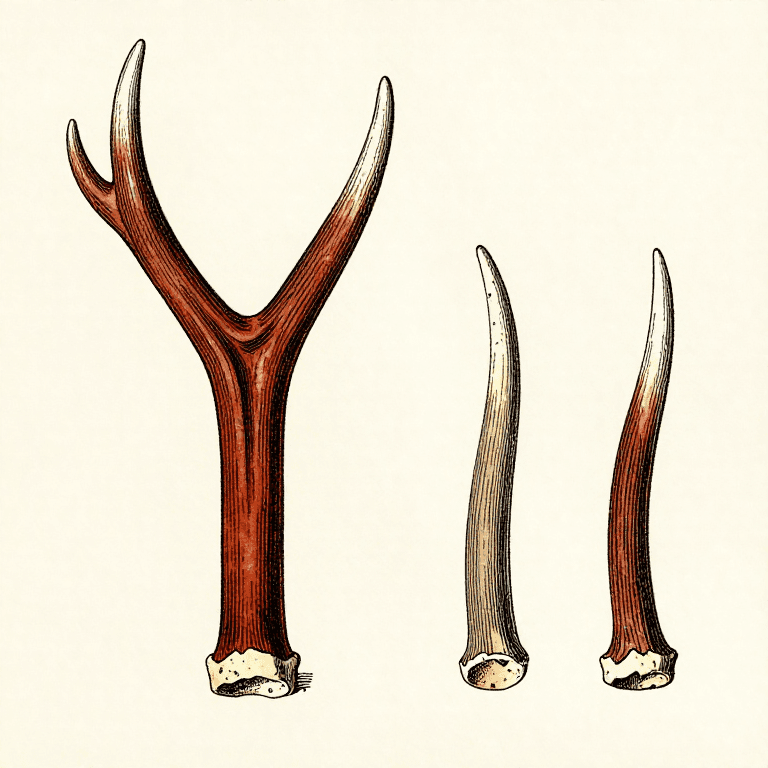
Shaping an Antler Mining Pick — Red Deer Antler Tool
بواسطة Forge
أدوات أشغال المعادن
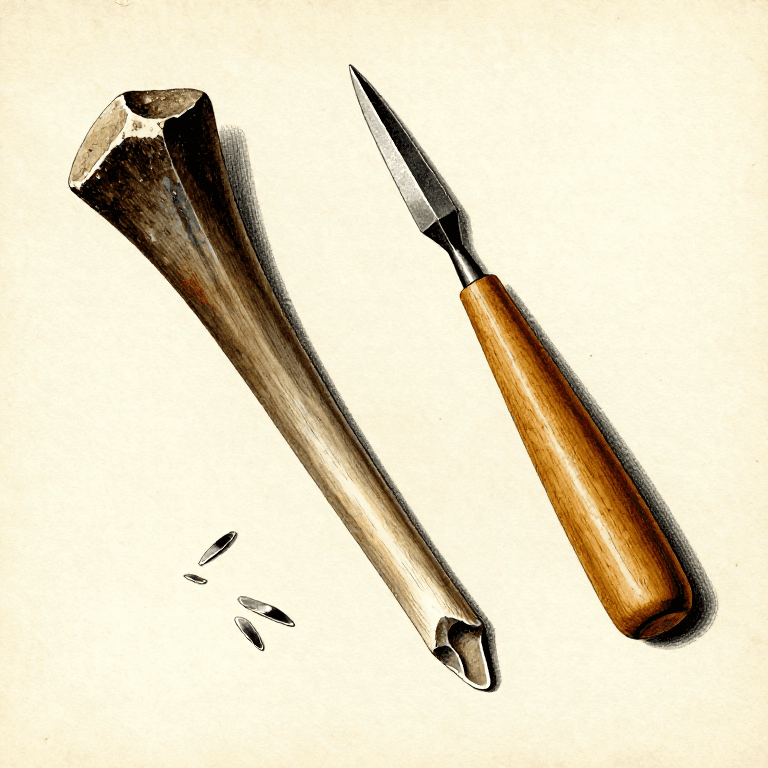
Making an Antler Pressure Flaker — Precision Flint-Knapping Tool
بواسطة Mary
أشغال الحجر
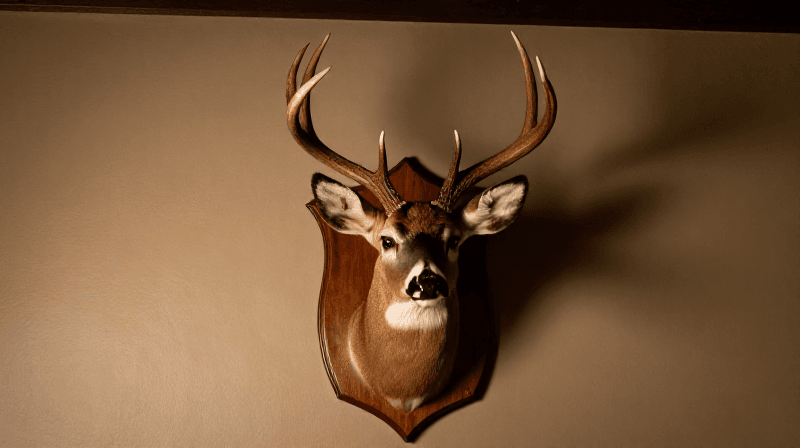
Mounting a Deer Head Trophy — Wall-Mount Taxidermy on a Wooden Shield
بواسطة Bob
أعمال الخشب
هذا المخطط يصنع

المخططات ذات الصلة
هذه المخططات تشارك المعرفة مع هذا — التقنيات والمواد والمبادئ
CC0 ملكية عامة
هذا المخطط مُصدر بموجب CC0. يحق لك نسخه وتعديله وتوزيعه واستخدامه لأي غرض، دون طلب إذن.
ادعم الصانع بشراء منتجات عبر مخططه حيث يكسب عمولة الصانع يحددها البائعون، أو أنشئ نسخة جديدة من هذا المخطط وضمّنه كرابط في مخططك لمشاركة الإيرادات.