ศิลปะ
ความงามและสุขภาพ
งานฝีมือ
วัฒนธรรมและประวัติศาสตร์
ความบันเทิง
สิ่งแวดล้อม
อาหารและเครื่องดื่ม
วิศวกรรมย้อนรอย
วิทยาศาสตร์
กีฬา
เทคโนโลยี
อุปกรณ์สวมใส่


Temperature: The Biggest Lever on Flavour, and It Is Not the Room
Fermentation is exothermic. A vigorously fermenting vessel can sit several degrees above the room it is standing in, and the temperature that matters is the one INSIDE the liquid, not the one on the wall.
That gap is why so many home ferments taste hotter and fruitier than intended. A room at 20 °C can easily mean a fermenter at 24 °C at peak activity, which for most ale yeasts is past the top of its range.
And the flavour consequences are large and one-directional. Warm fermentation produces more esters and more fusel alcohols, and once they are made they do not go away. Cool fermentation is slower and cleaner, and the choice between them is the main flavour decision available after the recipe.
ระดับกลาง
3 hours
คำแนะนำ
1
1
Measure the liquid, not the air
Measure the liquid, not the air
Stick a thermometer strip on the side of the fermenter, or better, use a probe in a thermowell in the liquid. The difference between the two is exactly the measurement error this rung is about.
Expect 2 to 4 °C above ambient at the peak of a vigorous ale fermentation, and more in a large volume — a bigger vessel has less surface area relative to its contents and sheds heat more slowly.
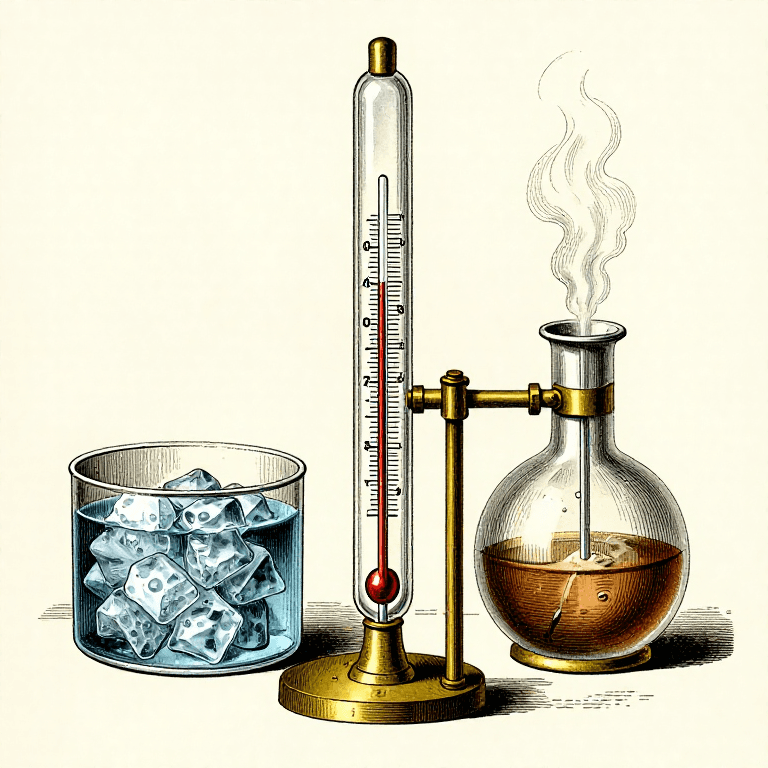
Calibrate the thermometer once against ice water and boiling water, as the Celsius rung sets out. A brewing thermometer reading two degrees high will have you fermenting warm for years without knowing.
วัสดุสำหรับขั้นตอนนี้:
 น้ำ1 ลิตร
เครื่องมือที่ต้องใช้:
 เทอร์โมมิเตอร์อ่านค่าทันที
 เทอร์โมมิเตอร์สำหรับปรุงอาหาร
 ถังหมักแก้ว
2
2
Cool the first three days hardest
Cool the first three days hardest
Most of the heat and nearly all of the flavour compounds are produced in the first 48 to 72 hours, while the yeast is growing. Temperature control during that window is worth far more than control afterwards.
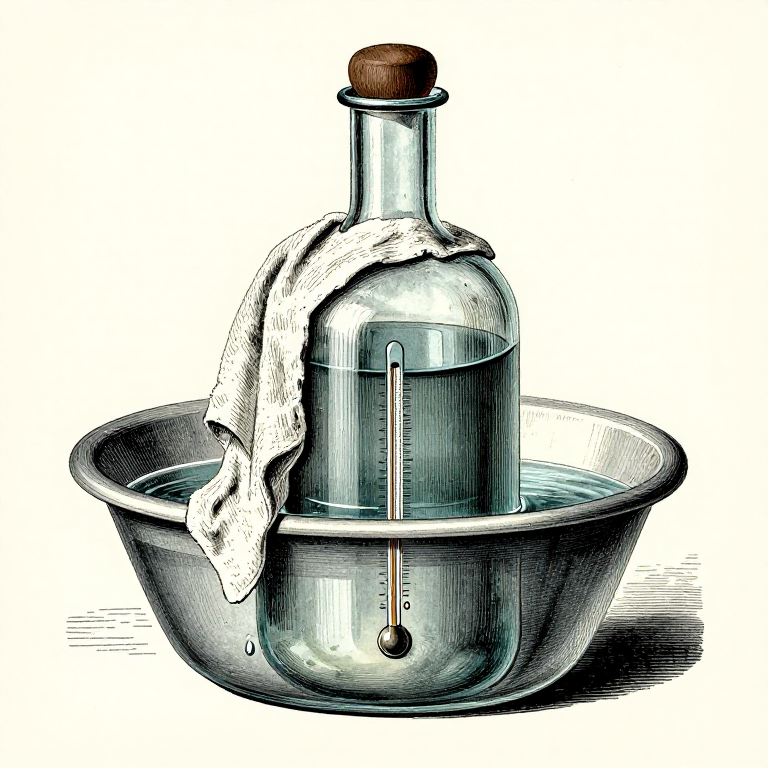
The cheapest effective method is a water bath: the fermenter standing in a tub of water with a wet towel over it. Water's heat capacity buffers the swings and evaporation from the towel cools it a degree or two below ambient.
Many brewers deliberately RAISE the temperature at the end instead, once the bulk of the sugar is gone. That encourages the yeast to clean up diacetyl and acetaldehyde without producing new esters, because growth has already finished — which is the same reasoning read backwards.
วัสดุสำหรับขั้นตอนนี้:
น้ำ2 ลิตรเครื่องมือที่ต้องใช้:
ถังหมักแก้วเทอร์โมมิเตอร์อ่านค่าทันที3
3
Every yeast has a range, and it is on the packet
Every yeast has a range, and it is on the packet
Ale yeasts generally work between about 18 and 22 °C, lager yeasts between 9 and 13, and some strains — Belgian, saison, kveik — are bred for much warmer conditions and are perfectly happy at 30 °C or beyond.
Within a strain's range, the temperature is a dial. The same yeast at the bottom of its range gives a clean neutral result and at the top gives a fruity, spicy one, and many classic styles are the same strain used at different ends.
Above the range the yeast makes fusel alcohols — heavy, solventy, headache-inducing — and below it, it goes dormant and leaves the ferment stalled. Both limits are hard, and the packet states them because they matter.
วัสดุสำหรับขั้นตอนนี้:
 ยีสต์เบียร์1 ชิ้น
เครื่องมือที่ต้องใช้:
เทอร์โมมิเตอร์อ่านค่าทันทีเทอร์โมมิเตอร์สำหรับปรุงอาหาร4
4
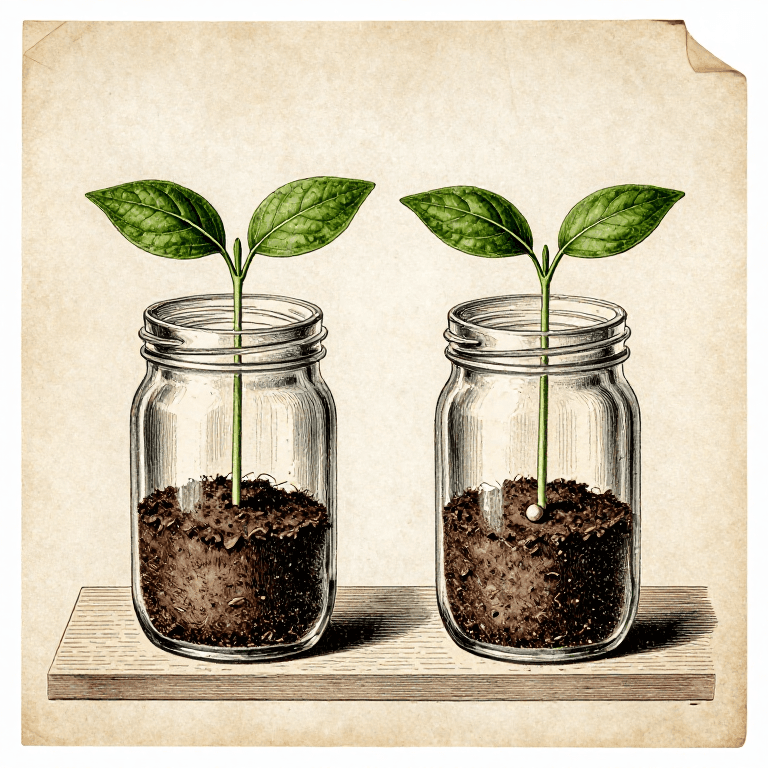
Change one thing, and brew the same recipe twice
Change one thing, and brew the same recipe twice
Split a batch between two vessels, ferment one warm and one cool, and taste them side by side. That single experiment teaches more about yeast than any amount of reading, and it costs one extra fermenter.
It is also a proper controlled experiment: same wort, same yeast, same pitching rate, one variable. Changing the recipe and the temperature together is what makes most home brewing un-learnable.
Log the temperature daily, not just at the start. A ferment that spiked to 26 °C on day two and settled back is indistinguishable at the end from one that never did — except in the glass, and by then the record is the only way to know.
วัสดุสำหรับขั้นตอนนี้:
ยีสต์เบียร์1 ชิ้น สารสกัดมอลต์ผง1 ชิ้น
เครื่องมือที่ต้องใช้:
ถังหมักแก้วเทอร์โมมิเตอร์อ่านค่าทันที ไฮโดรมิเตอร์และกระบอกทดสอบสำหรับต้มเบียร์
วัสดุ
3- 3 ลิตรตัวยึดตำแหน่ง
- ยีสต์เบียร์ค่าคอมมิชชัน 10%2 ชิ้นตัวยึดตำแหน่ง
- 1 ชิ้นตัวยึดตำแหน่ง
บลูพริ้นท์ที่เกี่ยวข้อง
บลูพริ้นท์เหล่านี้แบ่งปันความรู้ — เทคนิค วัสดุ หรือหลักการ

CC0 สาธารณสมบัติ
พิมพ์เขียวนี้เผยแพร่ภายใต้ CC0 คุณสามารถคัดลอก แก้ไข แจกจ่าย และใช้งานผลงานนี้เพื่อวัตถุประสงค์ใดก็ได้ โดยไม่ต้องขออนุญาต
สนับสนุนเมกเกอร์โดยซื้อสินค้าผ่านพิมพ์เขียวของพวกเขา ซึ่งพวกเขาจะได้รับ ค่าคอมมิชชันเมกเกอร์ ที่ผู้ขายกำหนด หรือสร้างเวอร์ชันใหม่ของพิมพ์เขียวนี้และรวมเป็นการเชื่อมต่อในพิมพ์เขียวของคุณเพื่อแบ่งรายได้