การทำงานร่วมกัน
ศิลปะ
ความงามและสุขภาพ
งานฝีมือ
วัฒนธรรมและประวัติศาสตร์
ความบันเทิง
สิ่งแวดล้อม
อาหารและเครื่องดื่ม
วิศวกรรมย้อนรอย
วิทยาศาสตร์
กีฬา
เทคโนโลยี
อุปกรณ์สวมใส่
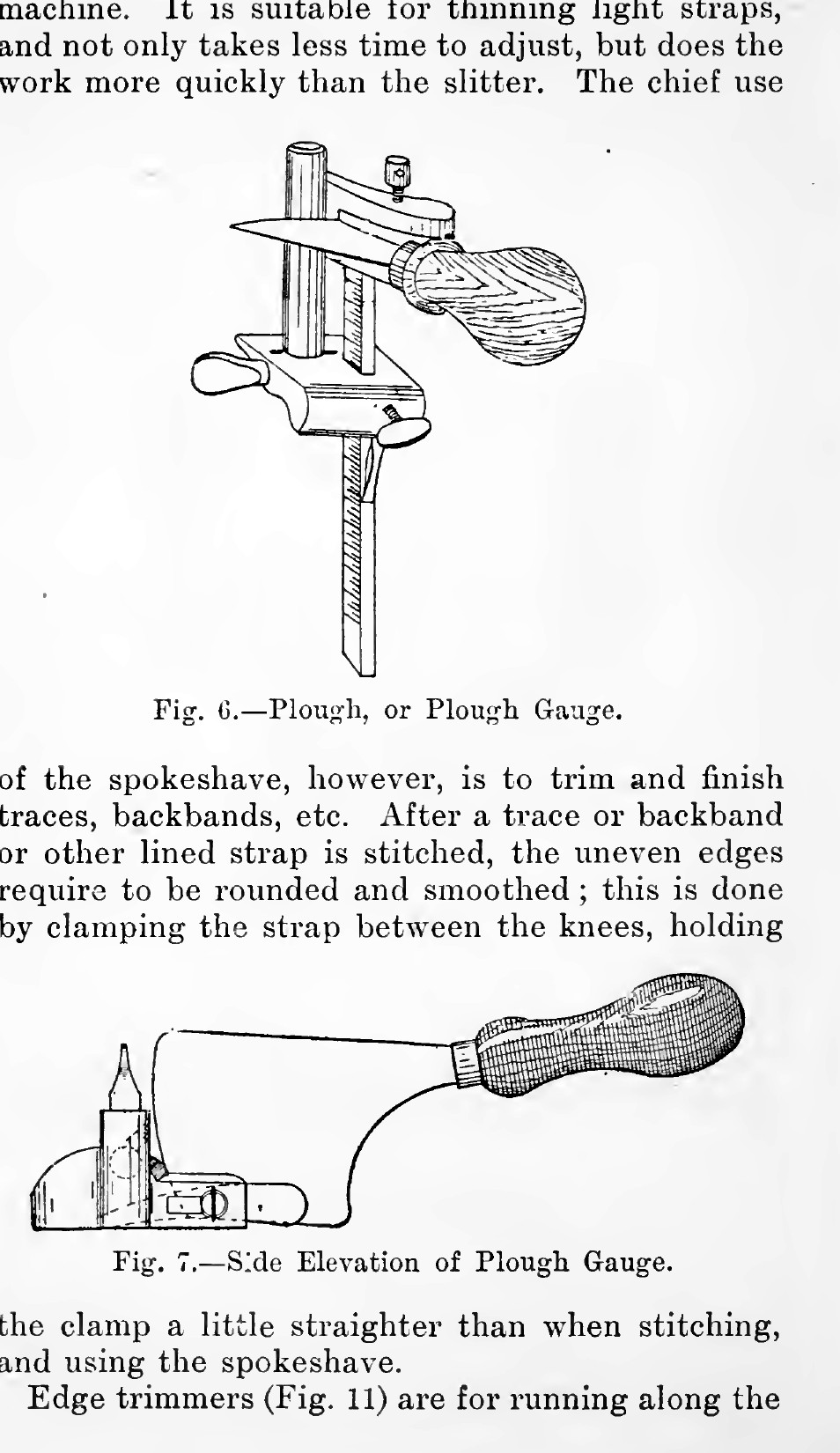


Harness Straps: Cut Along the Hide With Compass and Round Knife (or Plough), Edges Finished With Bone (Hasluck, 1904)
How a harness maker cuts and finishes straps, from P. N. Hasluck's Harness Making (1904): marked along the hide with an 8 ft straightedge or a compass, cut with the round knife on a cutting-board (or with a plough gauge, 1/2 to 5-1/2 in), always along the hide, then the edges knocked, trimmed with the spokeshave, scraped, sanded and polished with gum and a smooth bone.
เริ่มต้น
About 1 hour
คำแนะนำ
1
1
Widths
Widths
กำลังโหลดสมุด Jupyter…
2
2
Read Harness Making
Read Harness Making
"Straps are always cut along the hide and not across it, the hide being much stronger lengthways."
3
3
Lay out
Lay out
Lay the side on the bench with the back toward you. Mark straight lines with a blunt-pointed awl or seat-awl against a straightedge at least 8 ft long, without cutting the grain. Do not cut lower into the hide than the strap's width; cut shaped pieces from patterns.
วัสดุสำหรับขั้นตอนนี้:
 หนังทำเครื่องม้า1 ชิ้น
เครื่องมือที่ต้องใช้:
 บรรทัดเหล็กตรวจความตรง
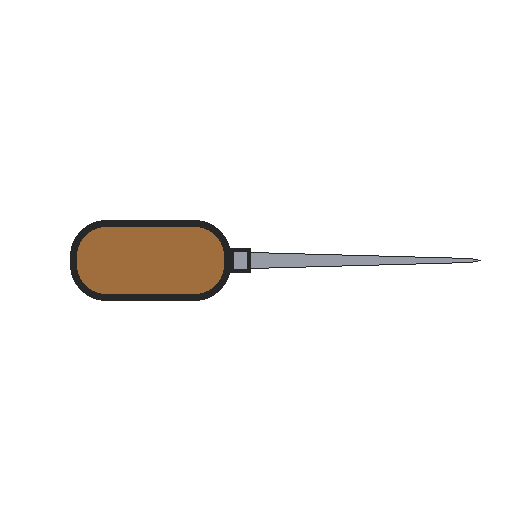 เหล็กหมาดเกลี่ยไส้ของช่างอาน
4
4
Cut
Cut
With the round knife: set the compass to the width, run one point along the edge and draw it toward you to leave a line, then cut from the right-hand end on a cutting-board, holding the leather steady with the left hand. With the plough: set the knife on the gauge (1/2 to 5-1/2 in) with the thumb-screw, hold the leather flat and press it forward with the guard tight to the edge. Cut reins first, then traces, back-bands and the rest; linings from the belly.
เครื่องมือที่ต้องใช้:
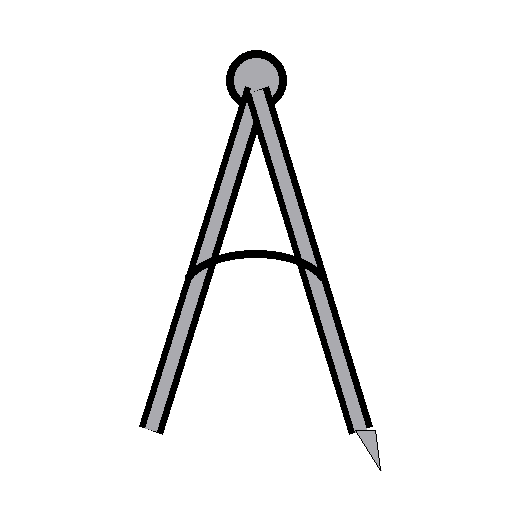 วงเวียนเซาะร่องช่างอานม้า
 มีดตัดหนัง
 เขียง
5
5
Finish the edges
Finish the edges
Knock the edges along to consolidate them, trim them round and level with the spokeshave, run a glass scraper over them and sandpaper. For brown work, wipe with a thin solution of gum and water and rub with brown paper and a smooth bone to a polish. For black, dye, rub dry with a rag, and polish with brown paper and bone.
วัสดุสำหรับขั้นตอนนี้:
 กัมอาราบิก1 ชิ้น
 กระดาษห่อของสีน้ำตาล1 ชิ้น
 กระดาษทราย1 ชิ้น
เครื่องมือที่ต้องใช้:
 กบสองมือจับ
 เศษแก้ว
 ไม้พับกระดูก
 ค้อน
6
6
Troubleshooting
Troubleshooting
Strap troubleshooting.
Flow
Loading...
7
7
History and honest limits
History and honest limits
From Paul N. Hasluck, **Harness Making** (1904) (checked on the archive.org scan harnessmaking00hasl, pp. 12, 42-44). Using broken glass (cullet) as the glass scraper, the tools and the metric figures are ours.
วัสดุ
4- 1 ชิ้นตัวยึดตำแหน่ง
- 1 ชิ้นตัวยึดตำแหน่ง
- 1 ชิ้นตัวยึดตำแหน่ง
- 1 ชิ้นตัวยึดตำแหน่ง
เครื่องมือที่จำเป็น
9- ตัวยึดตำแหน่ง
- ตัวยึดตำแหน่ง
- ตัวยึดตำแหน่ง
- ตัวยึดตำแหน่ง
- ตัวยึดตำแหน่ง
- ตัวยึดตำแหน่ง
- ตัวยึดตำแหน่ง
- ตัวยึดตำแหน่ง
- ตัวยึดตำแหน่ง
พิมพ์เขียวนี้สร้าง

บลูพริ้นท์ที่เกี่ยวข้อง
บลูพริ้นท์เหล่านี้แบ่งปันความรู้ — เทคนิค วัสดุ หรือหลักการ
CC0 สาธารณสมบัติ
พิมพ์เขียวนี้เผยแพร่ภายใต้ CC0 คุณสามารถคัดลอก แก้ไข แจกจ่าย และใช้งานผลงานนี้เพื่อวัตถุประสงค์ใดก็ได้ โดยไม่ต้องขออนุญาต
สนับสนุนเมกเกอร์โดยซื้อสินค้าผ่านพิมพ์เขียวของพวกเขา ซึ่งพวกเขาจะได้รับ ค่าคอมมิชชันเมกเกอร์ ที่ผู้ขายกำหนด หรือสร้างเวอร์ชันใหม่ของพิมพ์เขียวนี้และรวมเป็นการเชื่อมต่อในพิมพ์เขียวของคุณเพื่อแบ่งรายได้