ศิลปะ
ความงามและสุขภาพ
งานฝีมือ
วัฒนธรรมและประวัติศาสตร์
ความบันเทิง
สิ่งแวดล้อม
อาหารและเครื่องดื่ม
วิศวกรรมย้อนรอย
วิทยาศาสตร์
กีฬา
เทคโนโลยี
อุปกรณ์สวมใส่


The Air-Operated Double-Diaphragm Pump: It Stalls Instead of Bursting
Two flexible diaphragms, joined by a shaft, each closing a chamber of liquid. Compressed air pushes one diaphragm to empty its chamber while the shaft pulls the other back to fill its chamber; at the end of the stroke a small air valve switches sides. Four ball check valves make the flow go one way.
There is no motor, no rotating seal and no electricity at the pump. It runs dry without damage, primes itself, passes solids that would jam a gear or an impeller, and — the property that made it — when the outlet is blocked it simply stops, and starts again when the outlet is opened.
Jim Wilden is credited with the air-operated double-diaphragm pump in 1955; his original patent number could not be pinned from any reachable source, so none is asserted. This rung builds a single air-driven diaphragm chamber, demonstrates the stall, and works out the price of all that tolerance: the air it consumes.
ระดับกลาง
About 5 hours
คำแนะนำ
1
1
One full cycle, as a sequence
One full cycle, as a sequence
พื้นที่ทำงาน Blockly
Loading Blockly workspace...
2
2
Make the diaphragm chamber
Make the diaphragm chamber
Print two flanged dishes in PETG, 90 mm across the flange, each shaped as a shallow bowl 10 mm deep. One is the **liquid side**: give it two hose ports near the bottom, one for an inlet check valve and one for an outlet check valve, pointing opposite ways. The other is the **air side**: one port at the centre.
Cut a disc of rubber sheet for the diaphragm, or use a ready-made pump diaphragm of that size, and clamp it between the two flanges with eight machine screws tightened evenly in a star pattern. The diaphragm is the only seal between air and liquid: an uneven clamp leaks at the flange, and a crease in the rubber cracks early.
Put a light compression spring on the air side, behind the diaphragm, so it returns to the air side when the air is let out. That spring stands in for the second diaphragm and its shaft.
วัสดุสำหรับขั้นตอนนี้:
 เส้นใย PETG120 ก.
 ไดอะแฟรมปั๊ม1 ชิ้น
 สกรูเกลียวมิล8 ชิ้น
 ชุดสปริงกด1 ชุด
 วาล์วกันกลับ2 ชิ้น
เครื่องมือที่ต้องใช้:
 เครื่องพิมพ์สามมิติแบบเส้นใย (FDM)
 สว่านไร้สาย
 ชุดดอกสว่าน
 ชุดประแจหกเหลี่ยม
 เวอร์เนียร์ดิจิทัล 6 นิ้ว
3
3
The four balls that make it pump — how a check valve works
The four balls that make it pump — how a check valve works
The diaphragms only change the chamber volumes; the four ball check valves decide which way the liquid goes. Each chamber has one that opens on suction and one that opens on discharge. The embedded blueprint covers how a check valve seats and why a ball held off its seat by debris makes a pump run fast and deliver nothing.
4
4
Drive it with air, and make it stall
Drive it with air, and make it stall
Connect the air side to the compressor through the regulator, set to **0.5 bar**, through a tee with a push-button or a finger over an open bleed hole as the air valve: finger on, air pushes; finger off, air escapes and the spring returns the diaphragm.
Put the inlet hose in a bucket of water and lead the outlet into a measuring jug. Pump twenty strokes and divide: that is your stroke volume.
Now the test. Tee the pressure gauge into the outlet hose and close the outlet with a ball valve. Press the air button and hold it. The diaphragm moves a little, then stops, and the outlet gauge settles at about the air pressure — 0.5 bar. Raise the regulator to 1 bar and the outlet gauge follows to about 1 bar. The pump is a pressure transformer of ratio one, and it cannot exceed its air supply.
Keep the air at 1 bar or below for this printed model, and wear safety glasses.
วัสดุสำหรับขั้นตอนนี้:
 ท่อไวนิลใส2 เมตร
 ชุดเหล็กรัดสายยางคละขนาด1 ชุด
 วาล์วบอลทองเหลือง1 ชิ้น
 ชุดข้อต่อท่อพีวีซี1 ชุด
 น้ำ10 ลิตร
เครื่องมือที่ต้องใช้:
 ปั๊มลม (แบบแพนเค้ก)
 วาล์วลดแรงดัน
 เกจวัดความดัน
 เหยือกตวง
 ถัง
ถัง แว่นตานิรภัยใส
5
5
The stall, the flow and the air bill
The stall, the flow and the air bill
กำลังโหลดสมุด Jupyter…
6
6
It stops, surges or leaks: find out why
It stops, surges or leaks: find out why
The faults behind an air-operated diaphragm pump that is not delivering, in the order to check them.
Flow
Loading...
7
7
History and context
History and context
Hand-operated diaphragm pumps — a rubber sheet moved by a lever, with two flap valves — were long used to drain trenches, bilges and excavations, because grit and mud pass through them. The air-operated double-diaphragm pump put two of them back to back on one shaft and let compressed air do the stroking, with a self-switching air valve. **Jim Wilden is credited with the invention in 1955**, and the company bearing his name still makes these pumps. His original patent number is not asserted here: it could not be read from a primary source, and the mechanism does not depend on it.
It filled a gap no motor-driven pump filled: a pump that can be left running into a line that may block, may run dry, may carry grit, and may sit in a place where an electric motor is a fire risk. Paint shops, mines, sewage works and chemical plants took it up for exactly those reasons.
**Honest limits.** It is costly to run: the notebook shows that at best a small part of the compressed air's energy reaches the liquid. The flow pulses, twice per cycle. The diaphragms are flexed on every stroke and are replaced as wear parts, and a burst diaphragm sends the liquid out of the air exhaust. And it can ice up: the expanding exhaust air is cold, and moist air can freeze in the air valve.
วัสดุ
10- 120 ก.ตัวยึดตำแหน่ง
- 1 ชิ้นตัวยึดตำแหน่ง
- 8 ชิ้นตัวยึดตำแหน่ง
- 1 ชุดตัวยึดตำแหน่ง
- 2 ชิ้นตัวยึดตำแหน่ง
- 2 เมตรตัวยึดตำแหน่ง
- ตัวยึดตำแหน่ง
- 1 ชิ้นตัวยึดตำแหน่ง
- 1 ชุดตัวยึดตำแหน่ง
- 10 ลิตรตัวยึดตำแหน่ง
เครื่องมือที่จำเป็น
11- ตัวยึดตำแหน่ง
- 1 vendor sell this, none ship to you yetตัวยึดตำแหน่ง
- ตัวยึดตำแหน่ง
- ตัวยึดตำแหน่ง
- ตัวยึดตำแหน่ง
- ตัวยึดตำแหน่ง
- ตัวยึดตำแหน่ง
- ตัวยึดตำแหน่ง
- ตัวยึดตำแหน่ง
- ตัวยึดตำแหน่ง
- ตัวยึดตำแหน่ง
บลูพริ้นท์ที่เกี่ยวข้อง
บลูพริ้นท์เหล่านี้แบ่งปันความรู้ — เทคนิค วัสดุ หรือหลักการ
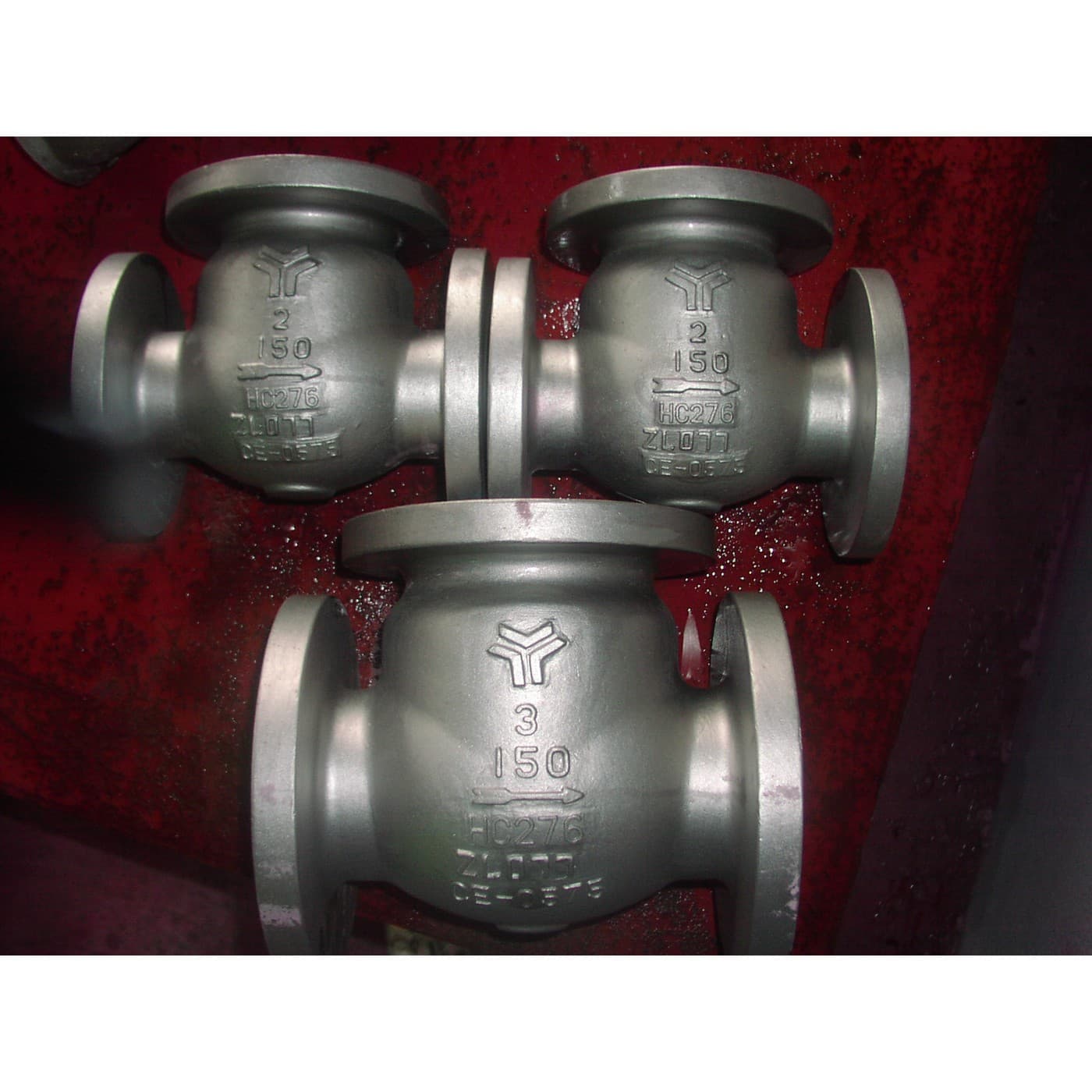
One Way Only: The Check Valve and the Bang It Makes
โดย Martin
เครื่องมือ
15
0
0
0
0
0
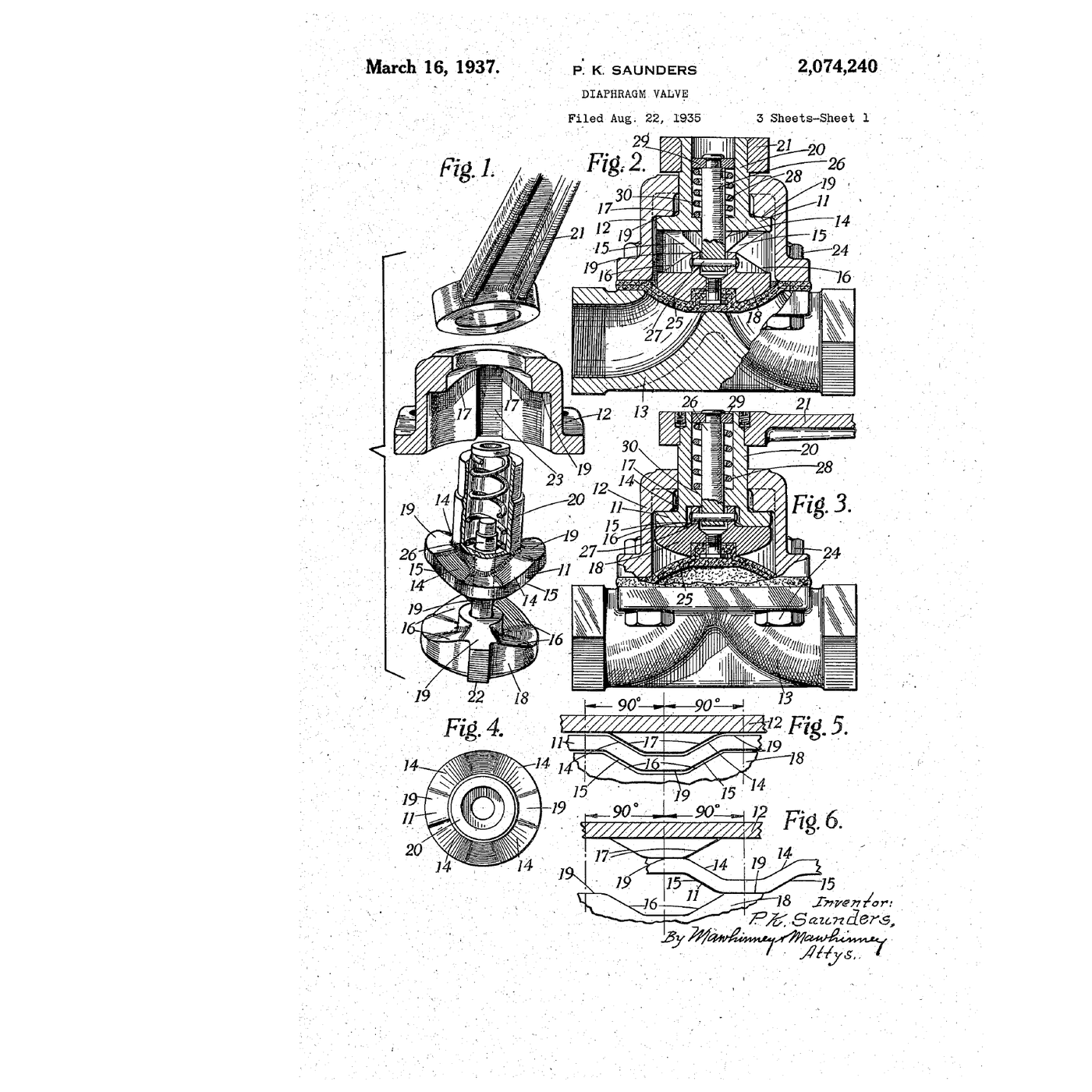
The Diaphragm Valve: Nothing Crosses the Wall
โดย Emma
งานโลหะ
13
0
0
0
0
0
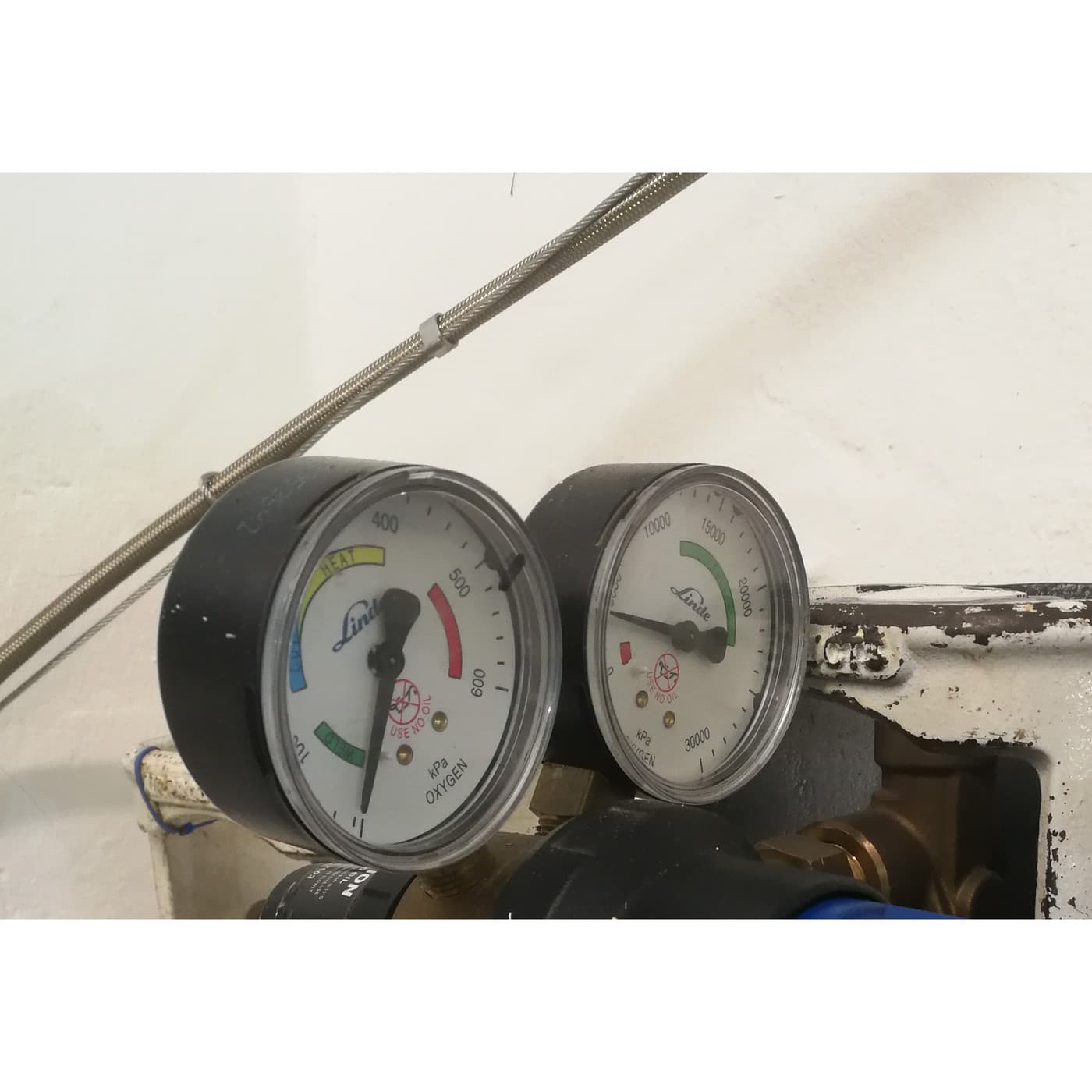
Holding a Pressure: The Reducing Regulator
โดย Martin
กลศาสตร์
8
0
0
0
0
0
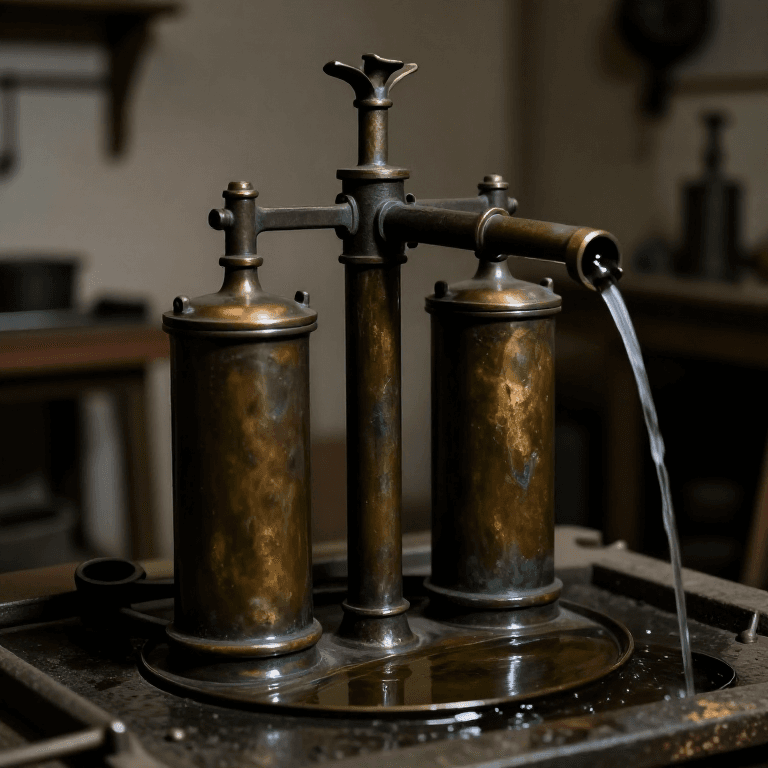
Building Ctesibius' Force Pump — The First Double-Acting Piston Pump
โดย Emma
กลศาสตร์
110
0
0
0
3
0
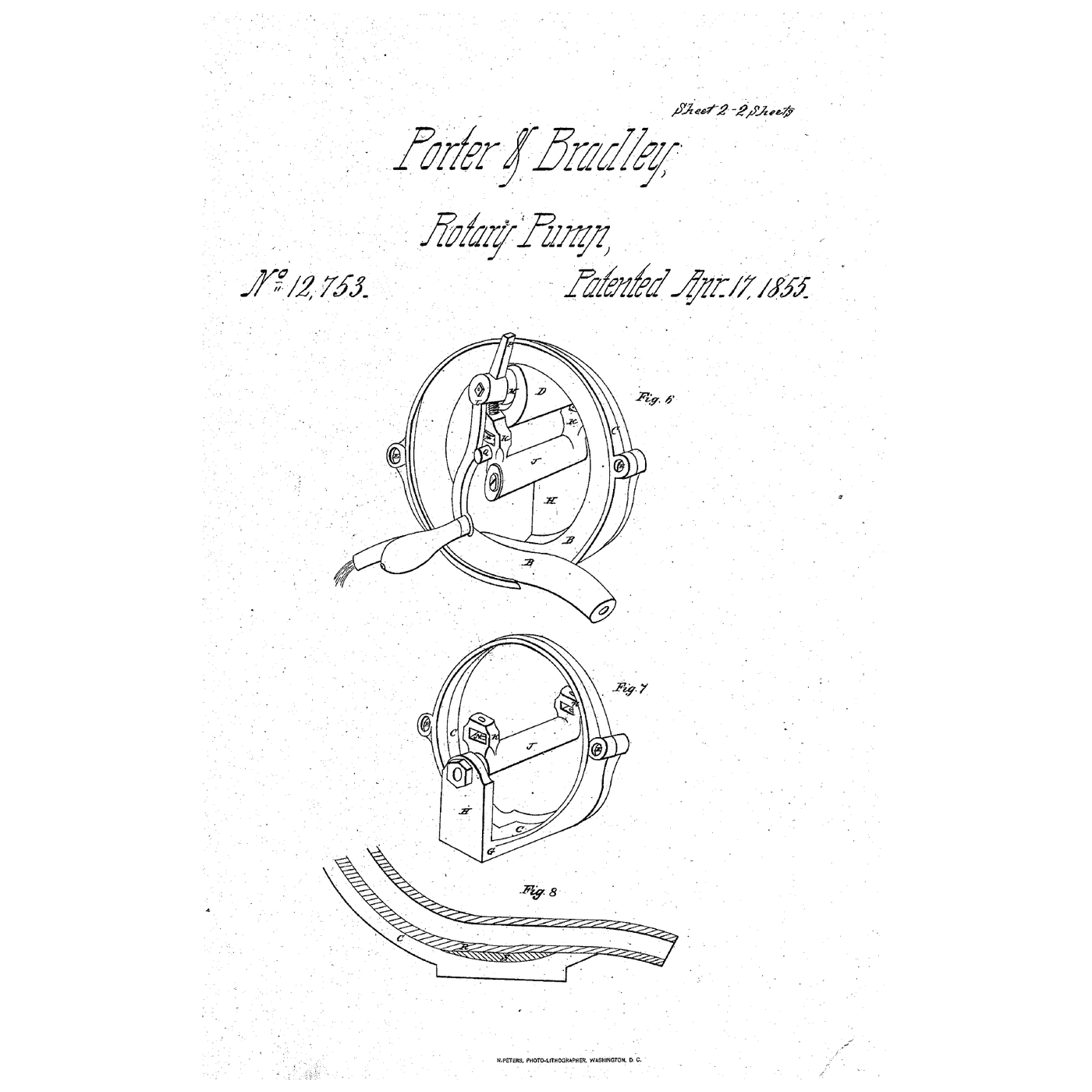
The Peristaltic Pump: Two Places Closed at Once, and No Valve Touches the Fluid
โดย Emma
กลศาสตร์
14
0
0
0
0
0
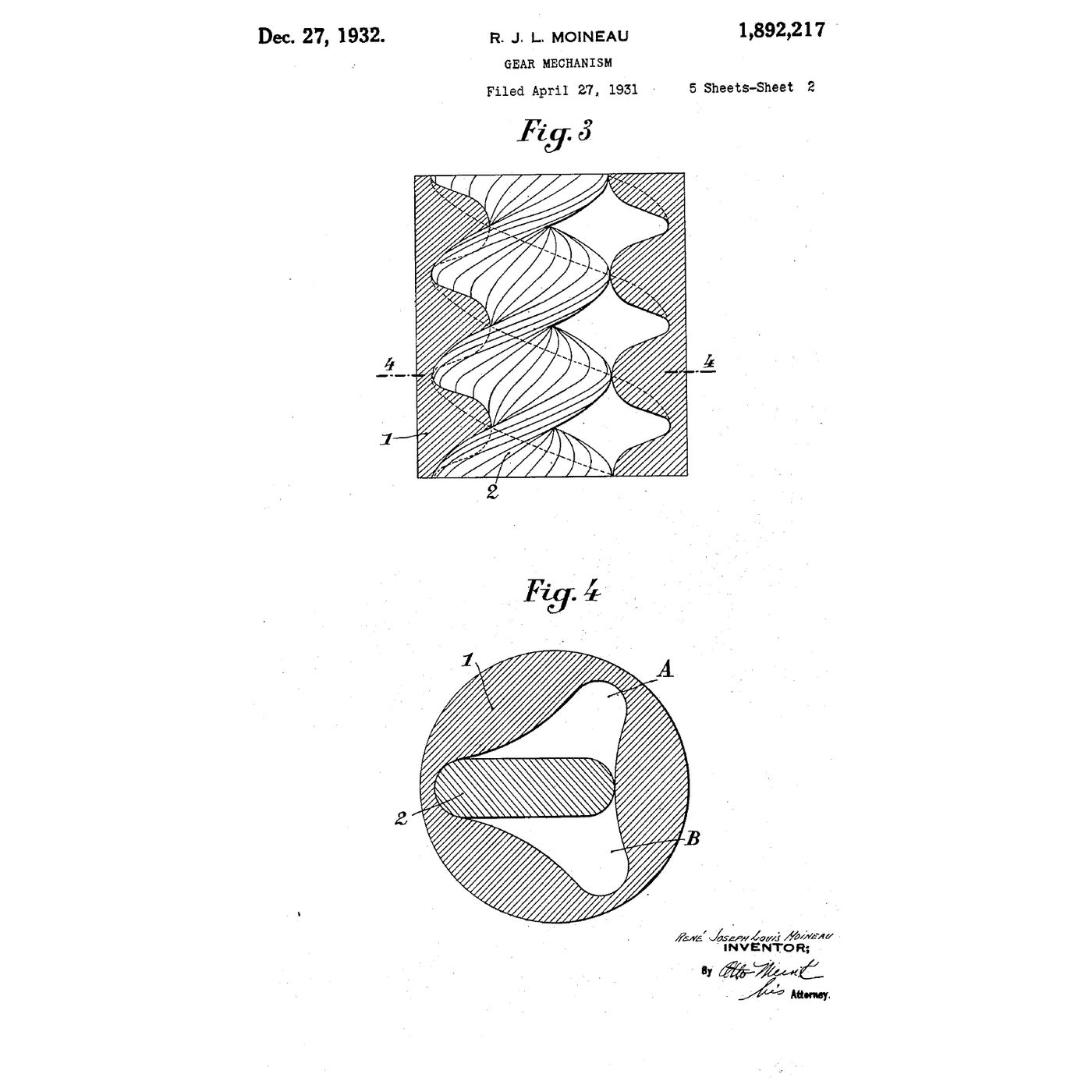
The Progressing-Cavity Pump: One Thread Fewer, and Nothing Is Squeezed
โดย Emma
กลศาสตร์
7
0
0
0
0
0
CC0 สาธารณสมบัติ
พิมพ์เขียวนี้เผยแพร่ภายใต้ CC0 คุณสามารถคัดลอก แก้ไข แจกจ่าย และใช้งานผลงานนี้เพื่อวัตถุประสงค์ใดก็ได้ โดยไม่ต้องขออนุญาต
สนับสนุนเมกเกอร์โดยซื้อสินค้าผ่านพิมพ์เขียวของพวกเขา ซึ่งพวกเขาจะได้รับ ค่าคอมมิชชันเมกเกอร์ ที่ผู้ขายกำหนด หรือสร้างเวอร์ชันใหม่ของพิมพ์เขียวนี้และรวมเป็นการเชื่อมต่อในพิมพ์เขียวของคุณเพื่อแบ่งรายได้