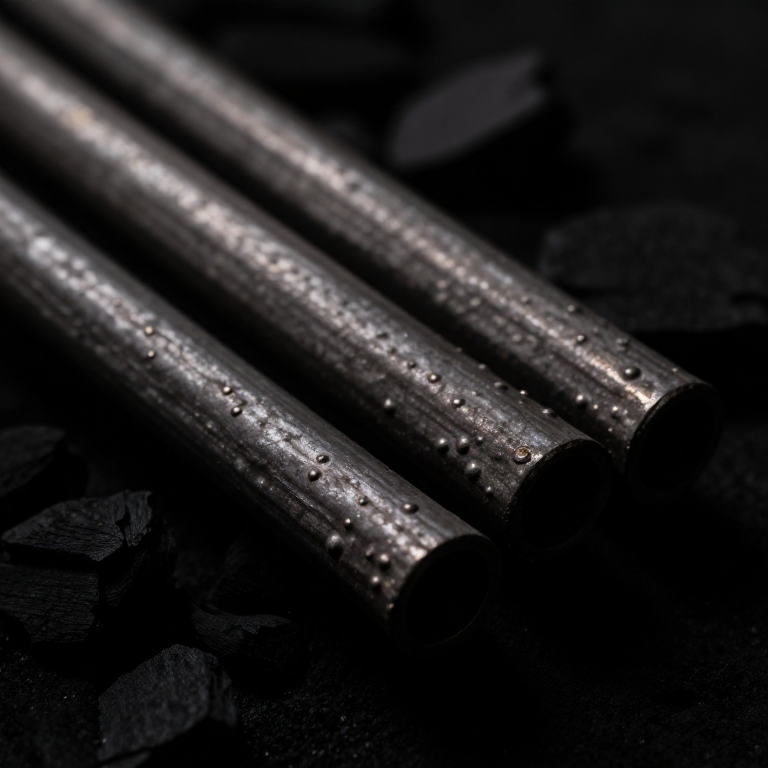


Making Blister Steel by Cementation — Carburizing Wrought Iron into Steel
Wrought iron bends but will not hold an edge; cast iron holds an edge but shatters. Steel — iron with just the right sliver of carbon — does both, and for centuries the great problem of metalworking was how to make it reliably. The cementation process, used across Europe from the 1600s, was the first method to manufacture steel in quantity from ordinary wrought iron bars.
The idea is to add carbon to solid iron without ever melting it. Bars of wrought iron are packed in powdered charcoal inside a sealed stone chest and roasted for a week at a bright red heat. Over those days, carbon slowly creeps out of the charcoal and diffuses into the surface of the iron, turning the skin into steel. Gas trapped under the surface raises little blisters across the bars — which is why the product is called blister steel.
Blister steel is uneven, carbon-rich at the surface and soft in the core, so smiths refined it further: forge-welding and folding it into shear steel, or melting it in crucibles into perfectly uniform cast steel. But cementation was the foundation — the step that first made steel an industrial material rather than a rare treasure.
Інструкції
Understand cementation
Understand cementation
Select wrought iron bars
Select wrought iron bars
Матеріали для цього кроку:
 Прутки кованого заліза20 кг
Build the cementation chest
Build the cementation chest
Матеріали для цього кроку:
 Вогнетривка цегла60 штук
Необхідні інструменти ({count})
 Садовий совок
Crush the charcoal
Crush the charcoal
Матеріали для цього кроку:
 Кускове деревне вугілля15 кг
Необхідні інструменти ({count})
 Молоток
Pack iron and charcoal in layers
Pack iron and charcoal in layers
Seal the chest with clay
Seal the chest with clay
Матеріали для цього кроку:
 Глина10 кг
Fire at red heat for days
Fire at red heat for days
Матеріали для цього кроку:
 Кам'яне вугілля бітумінозне200 кг
Let the carbon diffuse
Let the carbon diffuse
Recognise the blisters
Recognise the blisters
Необхідні інструменти ({count})
 Волочильні кліщі
Cool slowly and open
Cool slowly and open
Необхідні інструменти ({count})
Волочильні кліщіRefine into shear steel
Refine into shear steel
Необхідні інструменти ({count})
МолотокTest that it is steel
Test that it is steel
Матеріали для цього кроку:
 Вода5 літрів
Матеріали
6- Заповнювач
- 60 штукЗаповнювач
- Заповнювач
- 10 кгЗаповнювач
- Заповнювач
- 5 літрівЗаповнювач
Матеріали з пов'язаних креслень

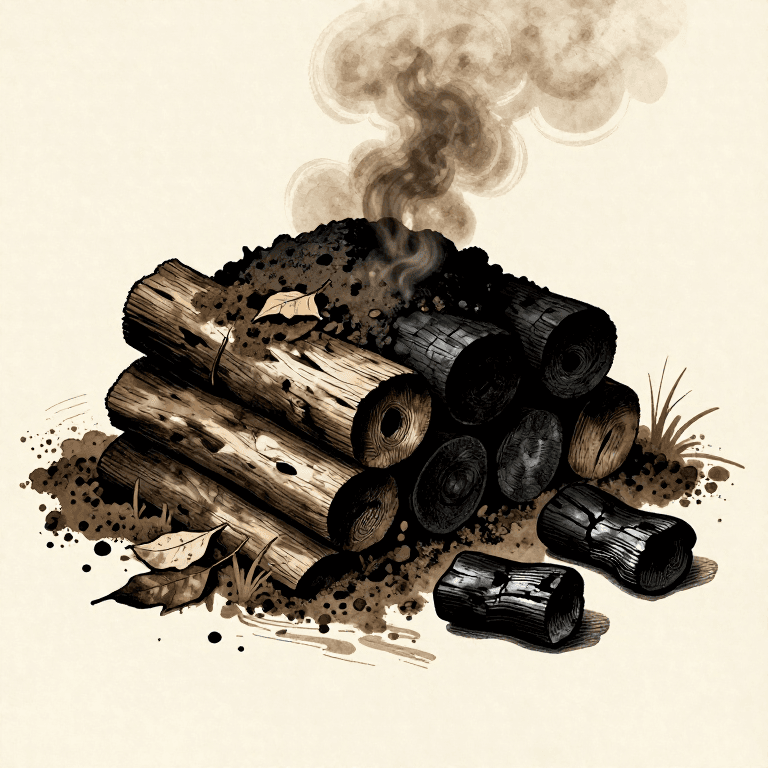

Пов'язані креслення
Ці креслення діляться знаннями — техніки, матеріали або принципи
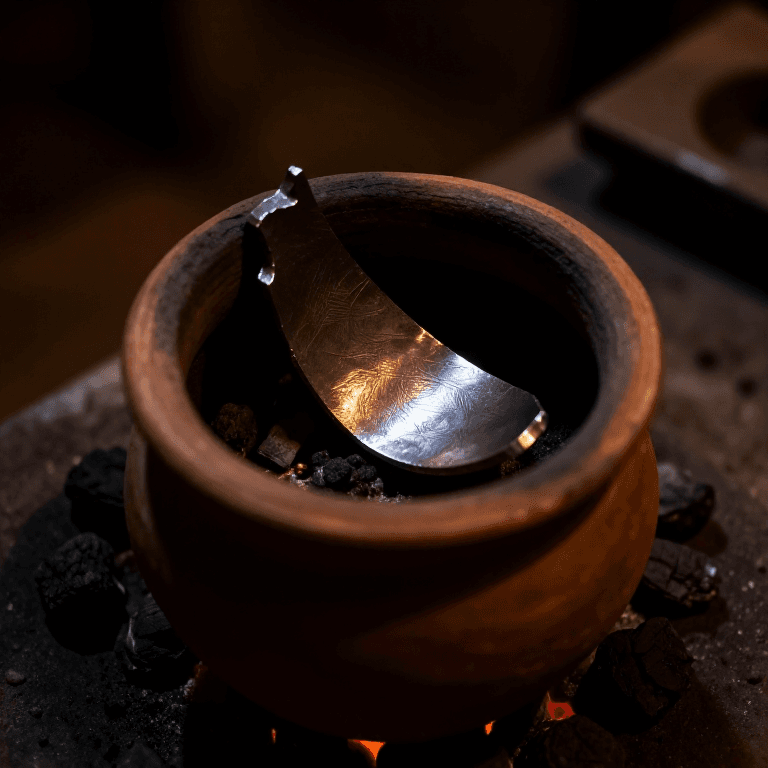

CC0 Суспільне надбання
Це креслення випущено під ліцензією CC0. Ви можете вільно копіювати, змінювати, поширювати та використовувати цю роботу для будь-яких цілей без запиту дозволу.
Підтримайте мейкера, купуючи продукти через його креслення, де він отримує Комісію мейкера встановлену вендорами, або створіть нову ітерацію цього креслення та включіть його як зв'язок у власне креслення для розподілу доходу.