
Puddling Wrought Iron from Pig Iron — Burning Out the Carbon in a Reverberatory Furnace
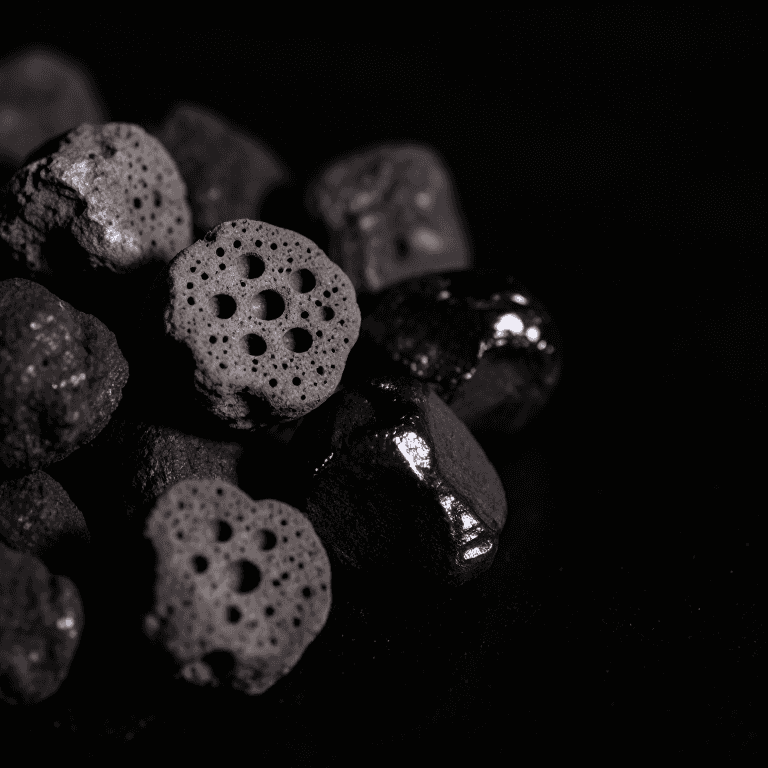
Pig iron straight from the blast furnace is cheap and plentiful but nearly useless for anything that must bend or take a blow: its high carbon makes it brittle as glass. To turn it into the tough, malleable wrought iron that built the railways and bridges of the 1800s, the carbon has to be burned out. Henry Cort's puddling process, patented in 1784, did exactly that — at scale, with coal.
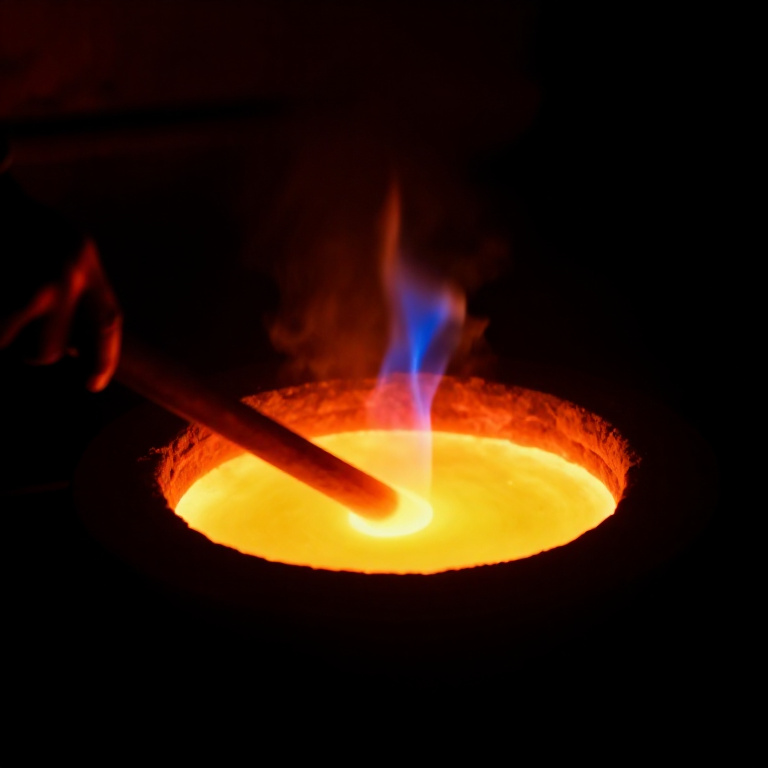
The trick is the reverberatory furnace, which keeps the fuel separate from the metal. Coal burns in a side firebox and the flame is drawn over a low bridge and reflected down off the furnace roof onto a hearth of pig iron, so the sulphurous coal smoke never touches the iron. A workman called a puddler stirs the molten bath through a small door with a long iron rabble, exposing every part of it to the air until the carbon oxidises away.
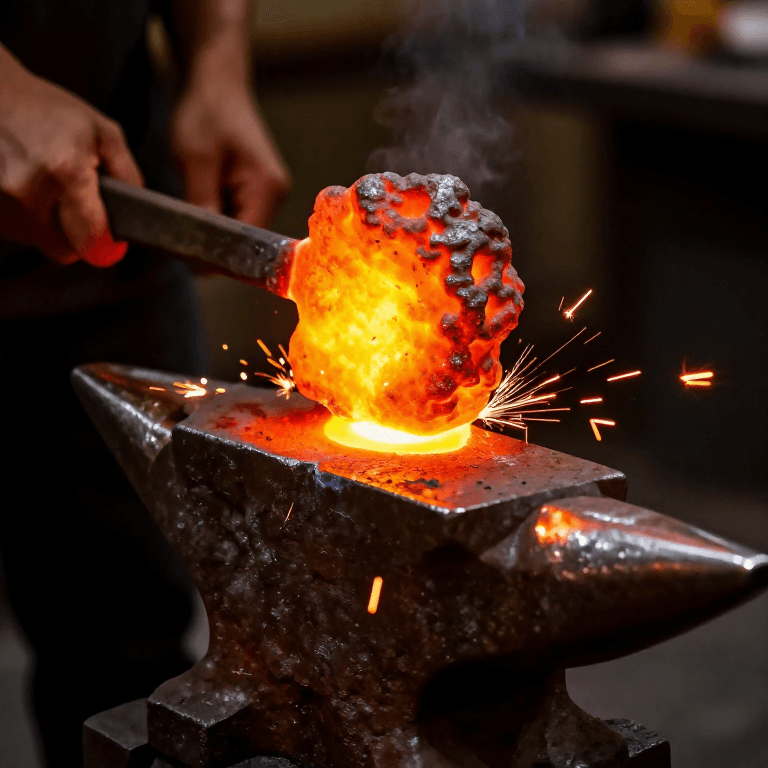
As the carbon leaves, something strange happens: the purer iron's melting point rises above the furnace temperature, so the metal grows stiff and pasty even in the heat. The puddler gathers it into spongy balls, which are then hammered and rolled to squeeze out the slag and consolidate the fibres into bars of wrought iron.
Інструкції
Understand the goal
Understand the goal
Build a reverberatory furnace
Build a reverberatory furnace
Матеріали для цього кроку:
 Вогнетривка цегла100 штук
Необхідні інструменти ({count})
 Садовий совок
Fettle the hearth
Fettle the hearth
Матеріали для цього кроку:
 Кувальна окалина5 кг
Fire the furnace with coal
Fire the furnace with coal
Матеріали для цього кроку:
 Кам'яне вугілля бітумінозне60 кг
Charge and melt the pig iron
Charge and melt the pig iron
Матеріали для цього кроку:
 Чушки чавуну30 кг
Puddle the bath
Puddle the bath
Необхідні інструменти ({count})
 Пудлінгова кочерга
Bring on the boil
Bring on the boil
Let it come to nature
Let it come to nature
Необхідні інструменти ({count})
Пудлінгова кочергаBall up the iron
Ball up the iron
Необхідні інструменти ({count})
Пудлінгова кочергаShingle the ball
Shingle the ball
Необхідні інструменти ({count})
 Кувалда
Roll into bars
Roll into bars
Необхідні інструменти ({count})
 Вальці
Identify wrought iron
Identify wrought iron
Необхідні інструменти ({count})
 Молоток
Матеріали
4- 100 штукЗаповнювач
- 5 кгЗаповнювач
- Заповнювач
- 30 кгЗаповнювач
Матеріали з пов'язаних креслень

Пов'язані креслення
Ці креслення діляться знаннями — техніки, матеріали або принципи

CC0 Суспільне надбання
Це креслення випущено під ліцензією CC0. Ви можете вільно копіювати, змінювати, поширювати та використовувати цю роботу для будь-яких цілей без запиту дозволу.
Підтримайте мейкера, купуючи продукти через його креслення, де він отримує Комісію мейкера встановлену вендорами, або створіть нову ітерацію цього креслення та включіть його як зв'язок у власне креслення для розподілу доходу.