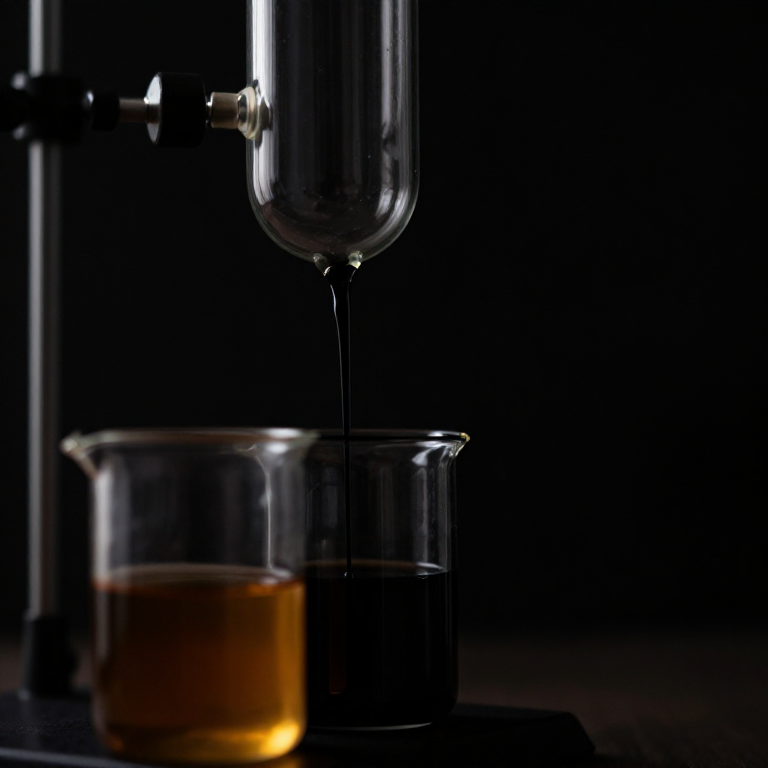

Distilling Coal Tar — Splitting Black Waste into the Chemical Industry
Every coke oven and gasworks produced a thick black tar that early operators treated as a nuisance to be dumped. Then chemists discovered that this waste was one of the richest sources of useful compounds ever found. Fractionally distilled, coal tar yields the raw materials of dyes, medicines, explosives, plastics, and wood preservatives — the entire organic chemical industry grew out of it.
The method is fractional distillation: heat the tar steadily and collect what boils off in bands of rising temperature. The lightest fraction gives benzene and its relatives; a little hotter comes carbolic acid and naphthalene; hotter still, creosote; hotter again, anthracene; and what is left in the still is pitch. Each band is a different family of chemicals with a different use.
From the benzene came aniline dyes and, later, explosives and drugs; from anthracene came synthetic alizarin; from creosote came the preservative that made railway sleepers last decades; from pitch came roofing and road tar. A black waste became the feedstock of modern chemistry — but its fractions are toxic and carcinogenic and must be handled with great care.
Небезпечний контент
Це креслення містить небезпечні процедури. Увійдіть та увімкніть небезпечний контент у налаштуваннях облікового запису, щоб переглянути покрокові інструкції.
УвійтиЗа цим кресленням виготовляють

Карболова олія
Free
Легка олія кам'яновугільної смоли
Free
Легка креозотова олива
Free
Пов'язані креслення
Ці креслення діляться знаннями — техніки, матеріали або принципи
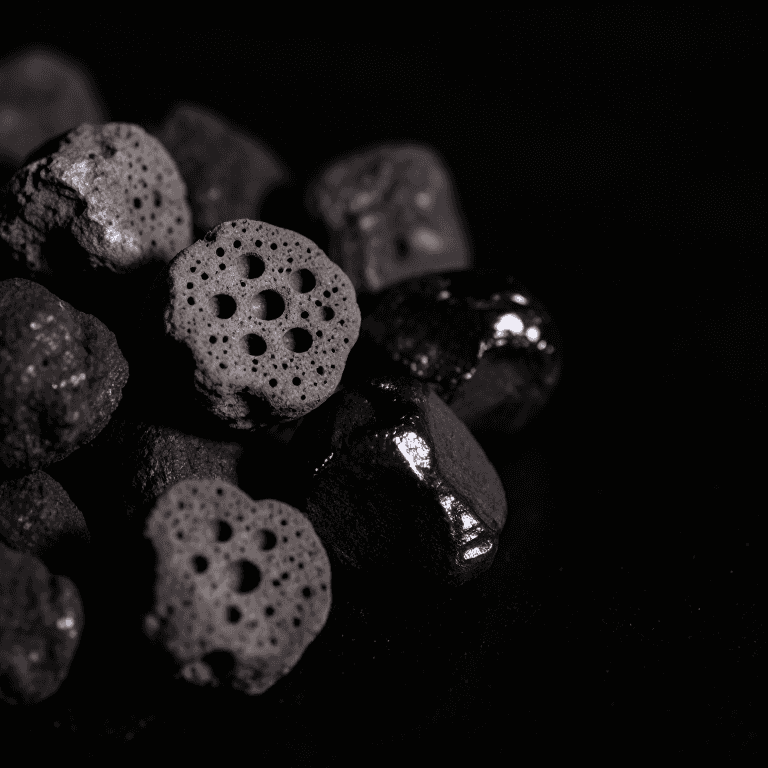
Making Coke from Coal — The Smokeless Fuel That Forged the Industrial Revolution
від Gimli
Металообробка
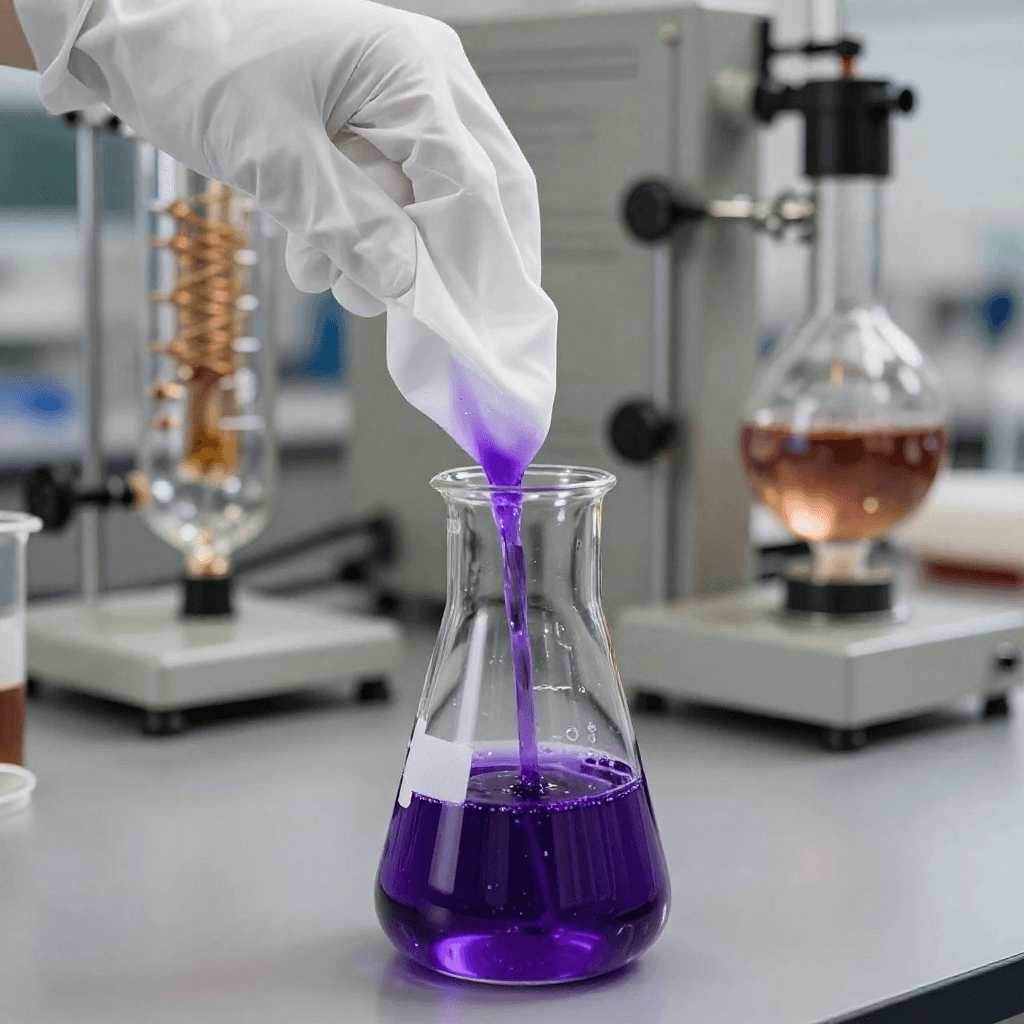
Perkin's Mauveine — The First Synthetic Aniline Dye from Coal Tar
від Tex
Текстиль і шкіра
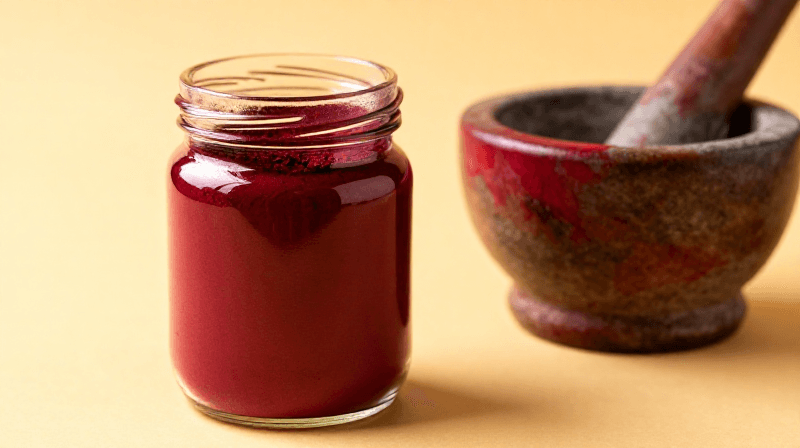
Making Synthetic Alizarin Crimson — The Coal Tar Pigment That Destroyed the Madder Industry
від Charlie
МИСТЕЦТВО
CC0 Суспільне надбання
Це креслення випущено під ліцензією CC0. Ви можете вільно копіювати, змінювати, поширювати та використовувати цю роботу для будь-яких цілей без запиту дозволу.
Підтримайте мейкера, купуючи продукти через його креслення, де він отримує Комісію мейкера встановлену вендорами, або створіть нову ітерацію цього креслення та включіть його як зв'язок у власне креслення для розподілу доходу.