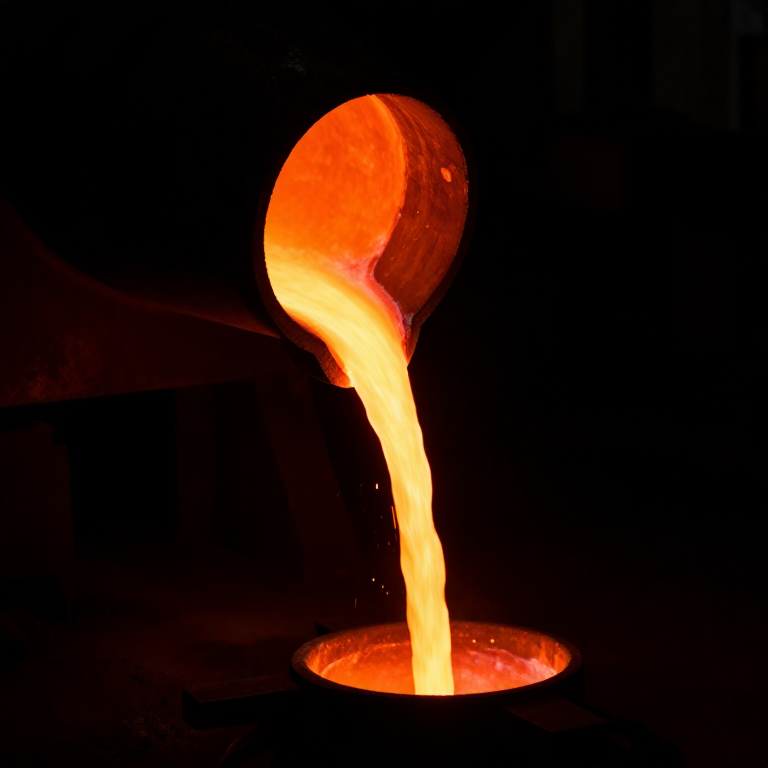


Casting Iron in a Cupola Furnace — Re-Melting Pig Iron into Finished Castings
The blast furnace makes pig iron by the tonne, but pig iron in bars is not yet a useful object. To turn it into pots, pipes, stoves, and machine frames, a foundry re-melts it and pours it into moulds — and the workhorse that does the re-melting is the cupola furnace.
A cupola is a tall iron chimney lined with firebrick, charged from the top with alternating layers of coke, pig iron, and limestone, and blown with air near its base. Unlike the blast furnace it does not smelt ore; it simply melts iron that is already made, quickly and cheaply, keeping a steady stream of molten metal ready to tap. The melting iron picks up a little carbon from the coke and runs out of the tap hole as grey cast iron.
Poured into sand moulds shaped from wooden patterns, that iron sets into castings of almost any form. Cast iron is brittle but immensely strong in compression and cheap to pour into complex shapes, which made the cupola the beating heart of Victorian industry — casting everything from cooking pots and drainpipes to the columns and machines of the factories themselves.
Інструкції
Understand the cupola
Understand the cupola
Build and line the cupola
Build and line the cupola
Матеріали для цього кроку:
 Вогнетривка цегла100 штук
Необхідні інструменти ({count})
 Садовий совок
Light the coke bed
Light the coke bed
Матеріали для цього кроку:
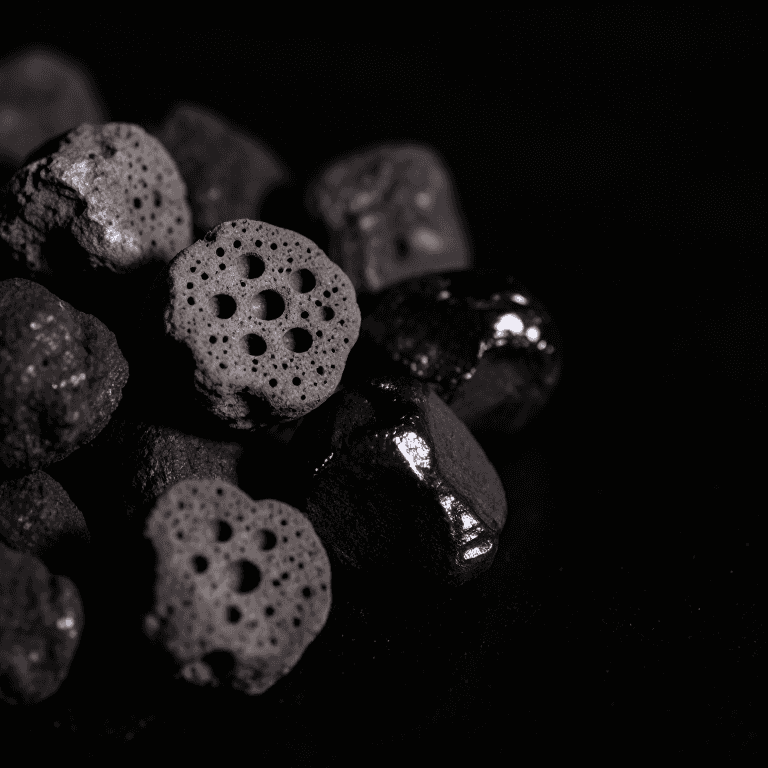
 Металургійний кокс60 кг
Start the blast
Start the blast
Необхідні інструменти ({count})
 Повітродувка
Charge in layers
Charge in layers
Матеріали для цього кроку:
 Чушки чавуну80 кг
 Вапнякова плита6 кг
Melt the iron
Melt the iron
Flux off the slag
Flux off the slag
Необхідні інструменти ({count})
 Ломик для випуску
Prepare the sand moulds
Prepare the sand moulds
Матеріали для цього кроку:
 Формувальний пісок60 кг
Необхідні інструменти ({count})
 Опока
ОпокаTap the molten iron
Tap the molten iron
Необхідні інструменти ({count})
 Ливарний ківш
Pour the castings
Pour the castings
Shake out and clean
Shake out and clean
Необхідні інструменти ({count})
 Кутова шліфмашина
Identify cast iron
Identify cast iron
Матеріали
5- 100 штукЗаповнювач
- 60 кгЗаповнювач
- 80 кгЗаповнювач
- 6 кгЗаповнювач
- 60 кгЗаповнювач
Необхідні інструменти
6- Заповнювач
- Заповнювач
- Заповнювач
- Заповнювач
- Заповнювач
- 1 vendor sell this, none ship to you yetЗаповнювач
Матеріали з пов'язаних креслень

Пов'язані креслення
Ці креслення діляться знаннями — техніки, матеріали або принципи

CC0 Суспільне надбання
Це креслення випущено під ліцензією CC0. Ви можете вільно копіювати, змінювати, поширювати та використовувати цю роботу для будь-яких цілей без запиту дозволу.
Підтримайте мейкера, купуючи продукти через його креслення, де він отримує Комісію мейкера встановлену вендорами, або створіть нову ітерацію цього креслення та включіть його як зв'язок у власне креслення для розподілу доходу.