
Making a Daguerreotype — The First Practical Photograph, Drawn in Silver and Mercury
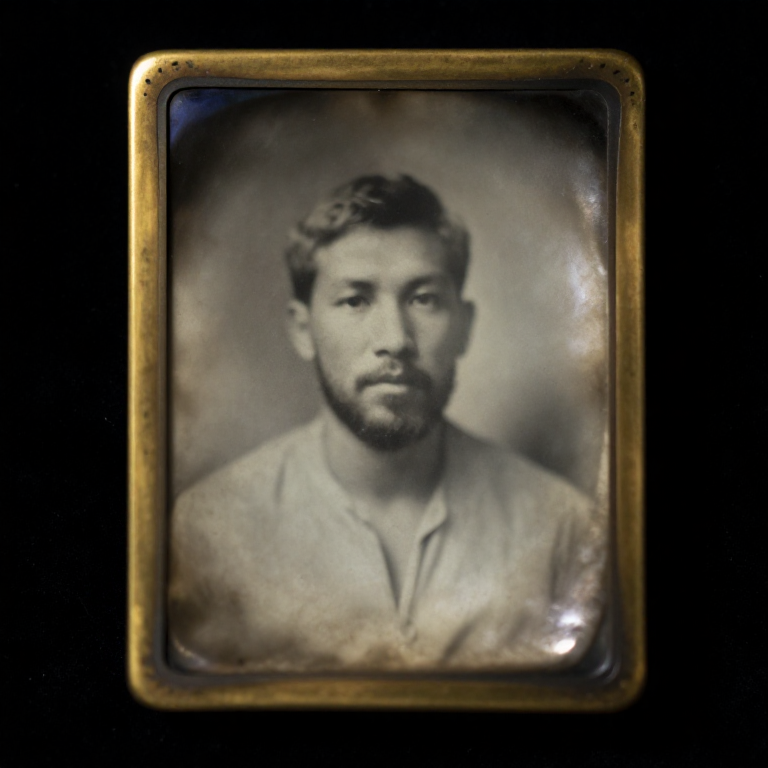
In 1839 Louis Daguerre announced a way to fix the fleeting image of the camera obscura permanently onto a metal plate, and the world suddenly had photography. A daguerreotype is unlike a modern photo: it is a single, unrepeatable image formed in a film of silver on a mirror-polished plate, so sharp and detailed that nothing matched it for decades.
The method is pure chemistry and patience. A silver-faced plate is fumed with iodine to make a light-sensitive skin of silver iodide, exposed in a camera for minutes, then developed by holding it over a dish of warm mercury — whose vapour clings to exactly the spots that light has struck, building the picture. A bath of hyposulphite of soda dissolves away the unexposed silver so the image stops reacting to light.
The results were miraculous and the process was perilous: mercury vapour is a potent poison, and many early photographers paid for their art with their health. Each daguerreotype is also unique — there is no negative — which is why every surviving one is a singular object. It is the chemical bridge between the camera obscura and all photography that followed.
Небезпечний контент
Це креслення містить небезпечні процедури. Увійдіть та увімкніть небезпечний контент у налаштуваннях облікового запису, щоб переглянути покрокові інструкції.
Пов'язані креслення
Ці креслення діляться знаннями — техніки, матеріали або принципи
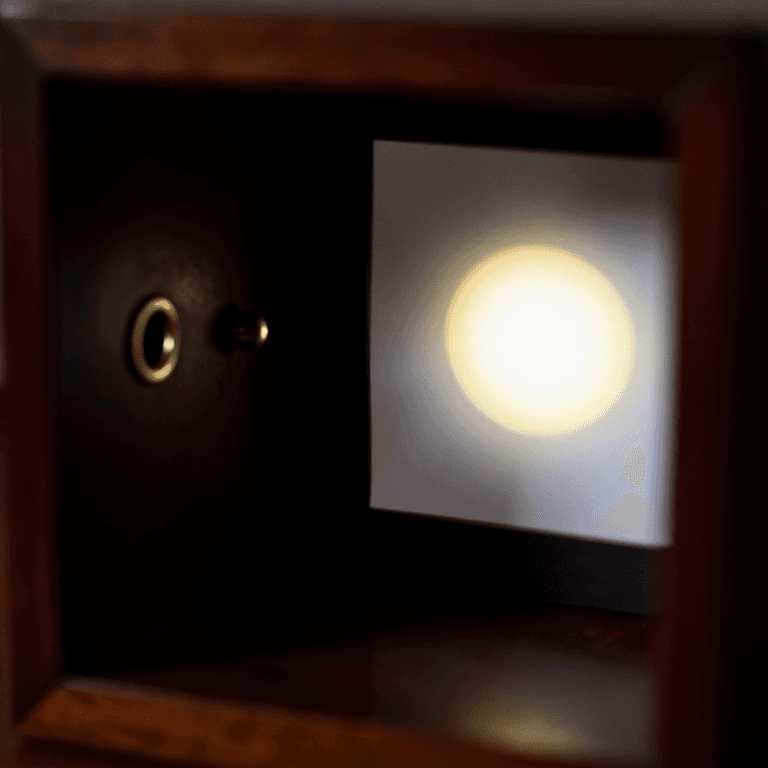
Building a Camera Obscura — Projecting the Sun and Eclipses Safely
від Astro
Деревообробка
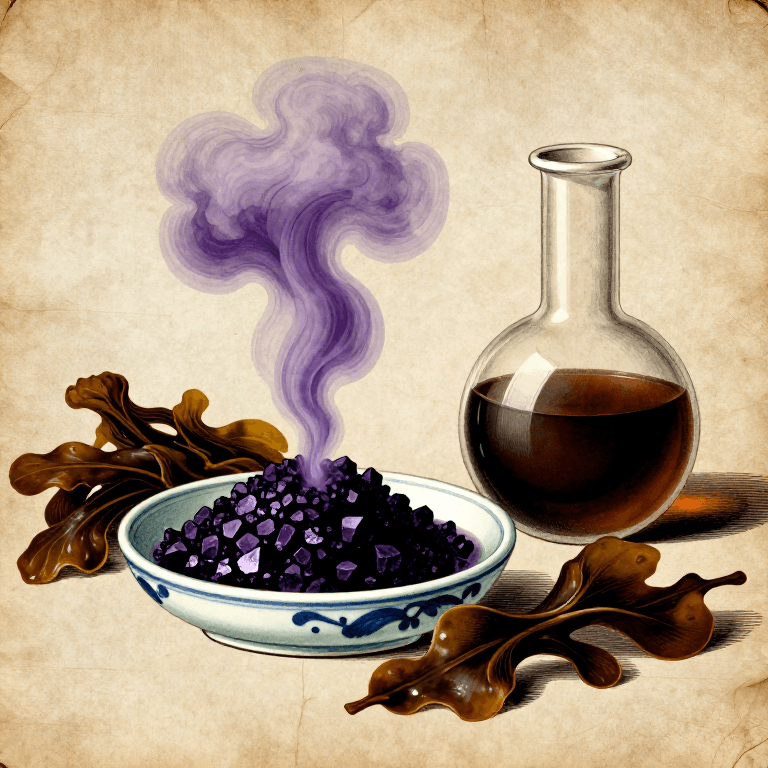
Extracting Iodine from Seaweed Ash — The Violet Vapor That Prevents Goiter
від Peter
море
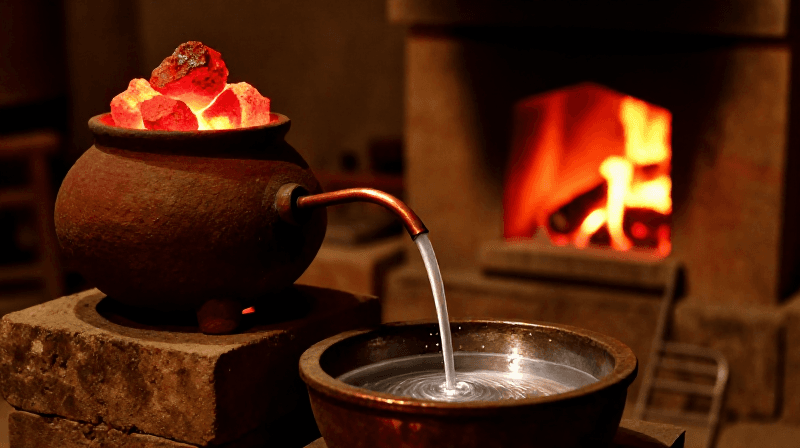
Extracting Mercury from Cinnabar — Distillation of Quicksilver from Red Ore
від Peter
Майнінг
CC0 Суспільне надбання
Це креслення випущено під ліцензією CC0. Ви можете вільно копіювати, змінювати, поширювати та використовувати цю роботу для будь-яких цілей без запиту дозволу.
Підтримайте мейкера, купуючи продукти через його креслення, де він отримує Комісію мейкера встановлену вендорами, або створіть нову ітерацію цього креслення та включіть його як зв'язок у власне креслення для розподілу доходу.