МИСТЕЦТВО
КРАСА ТА ЗДОРОВ'Я
РЕМЕСЛО
КУЛЬТУРА ТА ІСТОРІЯ
РОЗВАГИ
СЕРЕДОВИЩЕ
ЇЖА ТА НАПІЇ
ЗБОРНА ІНЖЕНЕРІЯ
НАУК
СПОРТ
ТЕХНОЛОГІЯ
НОСИМО
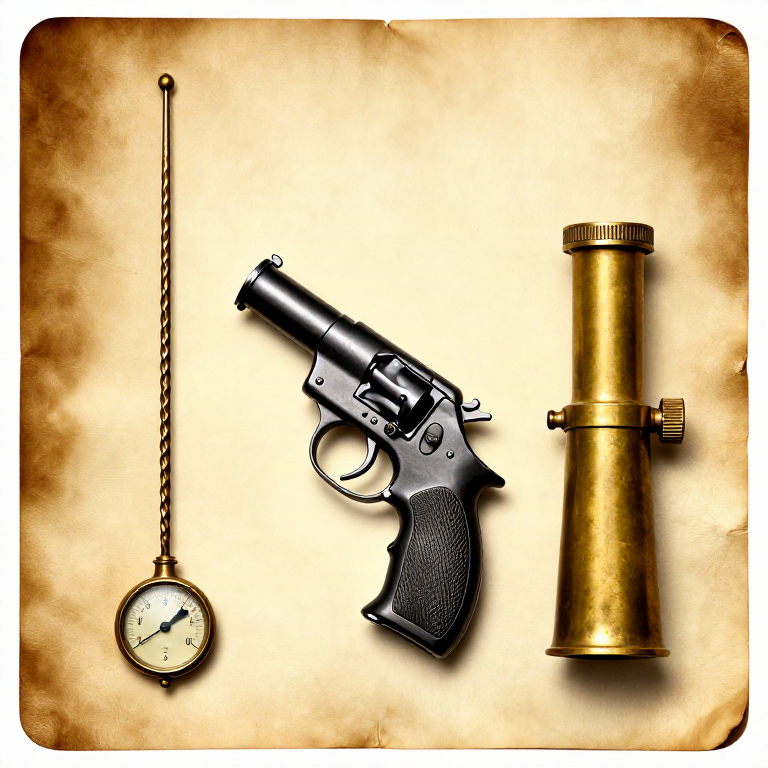

Measuring High Temperature: Thermocouples, Pyrometers, and What Each Lies About
An ordinary thermometer stops working long before a forge gets interesting. Above a few hundred degrees you need an instrument that works by a different principle, and each of the three common ones is accurate about something slightly different from what you wanted.
A THERMOCOUPLE measures its own junction. An INFRARED thermometer measures radiation and has to assume an emissivity. An OPTICAL PYROMETER compares brightness against a filament and needs a judgement by eye.
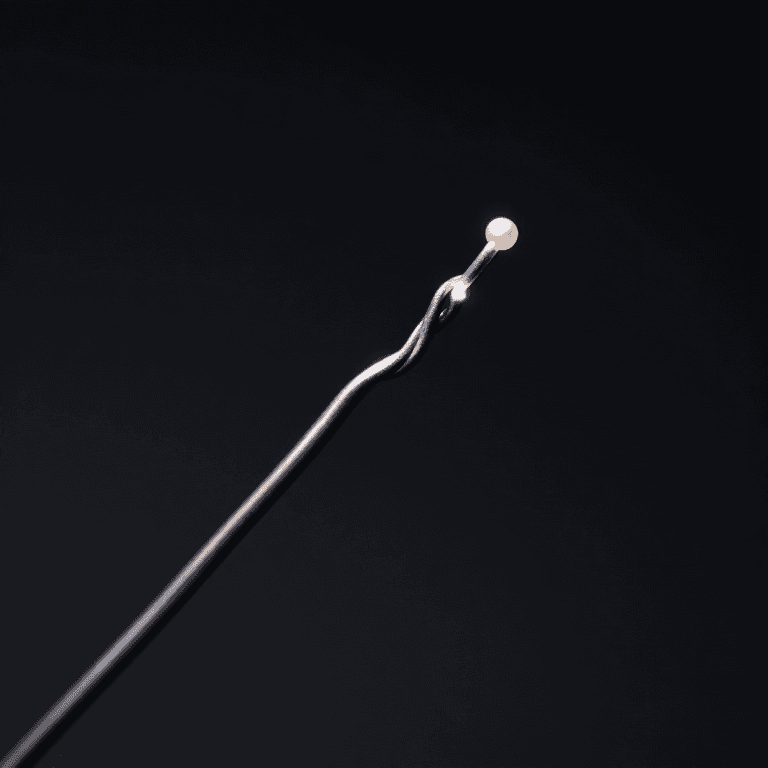
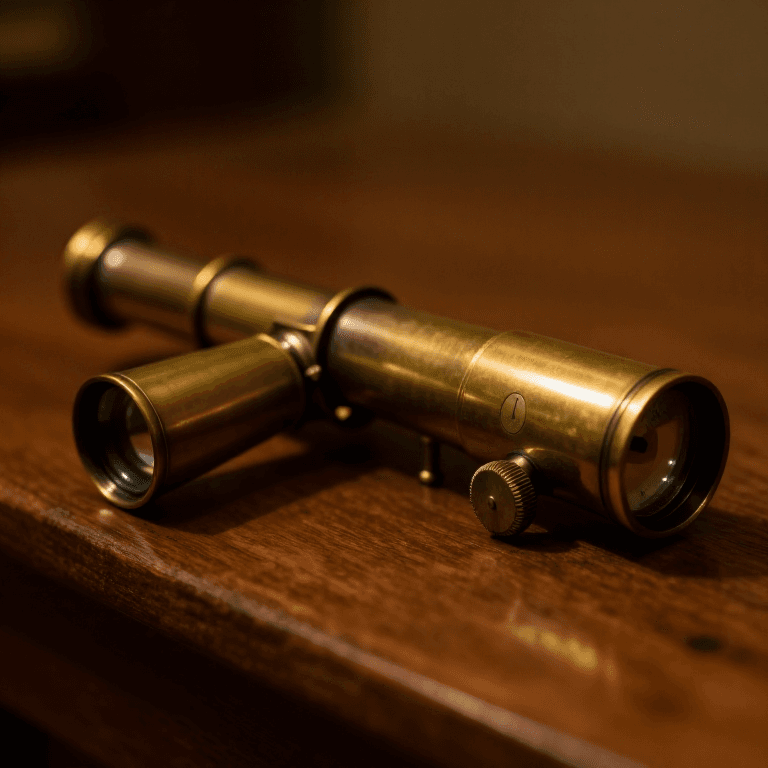
Knowing what each one is really telling you is the difference between a number and a measurement. Both published instrument blueprints — the Seebeck thermocouple and the optical pyrometer — describe how they work; this is how to use them.
Середній
3 hours
Інструкції
1
1
The thermocouple measures its junction, not your work
The thermocouple measures its junction, not your work
Two dissimilar metals joined at a point generate a small voltage that depends on the temperature of that junction. It is cheap, robust and reads continuously, which is why it runs almost every kiln and furnace controller.
But it reads the JUNCTION. A thermocouple in the roof of a kiln tells you about the roof; one in the gas stream tells you about the gas. Neither is necessarily the temperature of the pot on the shelf, and the difference can be a hundred degrees.
Put the tip where the work is, give it time to equalise, and remember it has its own thermal mass — a heavy sheathed probe takes minutes to follow a change. The type matters too: a K-type covers most workshop use and a cheap one drifts with age, so check it in boiling water occasionally.
Необхідні інструменти ({count})
 Термопара з індикатором
 Муфельна піч
 Записник
2
2
Infrared thermometers and the emissivity problem
Infrared thermometers and the emissivity problem
Завантаження блокнота Jupyter…
Матеріали для цього кроку:
 Пруток із низьковуглецевої сталі1 штука
Необхідні інструменти ({count})
 Інфрачервоний термометр
 КалькуляторЗаписник
3
3
The optical pyrometer: matching a filament by eye
The optical pyrometer: matching a filament by eye
Look through it at the hot object and a small electric filament appears superimposed on it. Adjust the current until the filament disappears against the background, and the current is a measure of the temperature.
It is elegant because it needs no contact and no assumption about distance — brightness matching is independent of how far away you are, since both the object and the filament are seen through the same optics.
Its weakness is the same emissivity problem plus a human judgement: 'disappeared' is a decision your eye makes, and different people settle on slightly different points. It is also useless below visible glow. The published optical pyrometer blueprint builds one and is worth reading alongside this.
Матеріали для цього кроку:
Пруток із низьковуглецевої сталі1 штукаНеобхідні інструменти ({count})
 Затемнені окуляри для горна
 Кувальне горноЗаписник
4
4
Calibrate your eye against an instrument, once
Calibrate your eye against an instrument, once
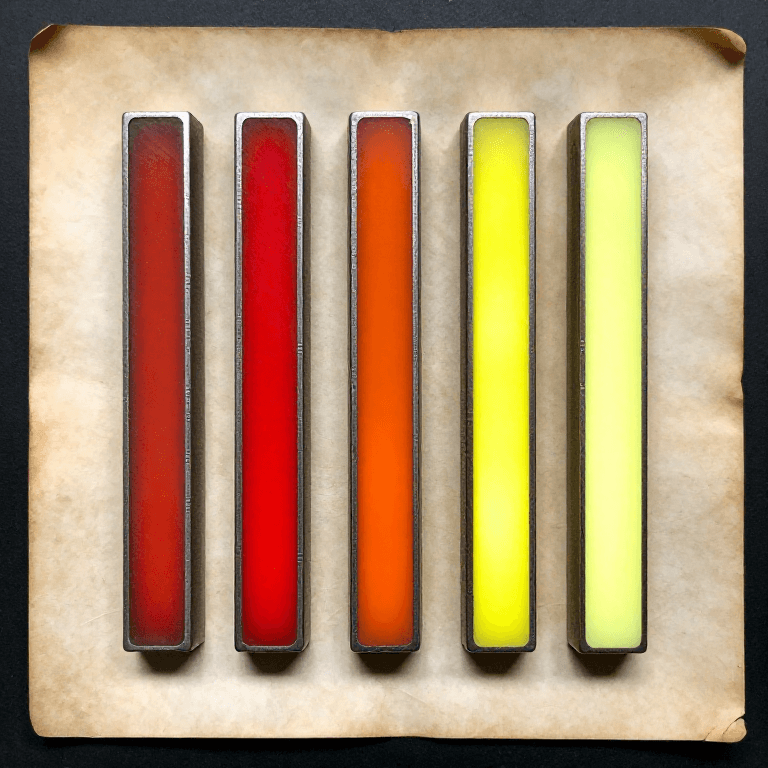
Put a thermocouple in the fire beside the work, heat a bar, and write down what each colour reads. An hour spent doing this converts a vague colour scale into your own calibrated instrument.
Do it in the light you normally work in, with the fuel you normally use, because both of those affect the judgement — which is the whole point of the colour rung's two conditions.
After that the eye is faster than any instrument and always with you, and the instrument becomes a check rather than a necessity. That is the same progression as the go/no-go gauge in the measurement batch: use the precise tool to establish the reference, then use the fast one.
Матеріали для цього кроку:
Пруток із низьковуглецевої сталі1 штука Кускове деревне вугілля1 штука
Необхідні інструменти ({count})
Термопара з індикаторомКувальне горноЗатемнені окуляри для горнаЗаписникМатеріали
2- Заповнювач
- 1 штукаЗаповнювач
Пов'язані креслення
Ці креслення діляться знаннями — техніки, матеріали або принципи


CC0 Суспільне надбання
Це креслення випущено під ліцензією CC0. Ви можете вільно копіювати, змінювати, поширювати та використовувати цю роботу для будь-яких цілей без запиту дозволу.
Підтримайте мейкера, купуючи продукти через його креслення, де він отримує Комісію мейкера встановлену вендорами, або створіть нову ітерацію цього креслення та включіть його як зв'язок у власне креслення для розподілу доходу.