МИСТЕЦТВО
КРАСА ТА ЗДОРОВ'Я
РЕМЕСЛО
КУЛЬТУРА ТА ІСТОРІЯ
РОЗВАГИ
СЕРЕДОВИЩЕ
ЇЖА ТА НАПІЇ
ЗБОРНА ІНЖЕНЕРІЯ
НАУК
СПОРТ
ТЕХНОЛОГІЯ
НОСИМО
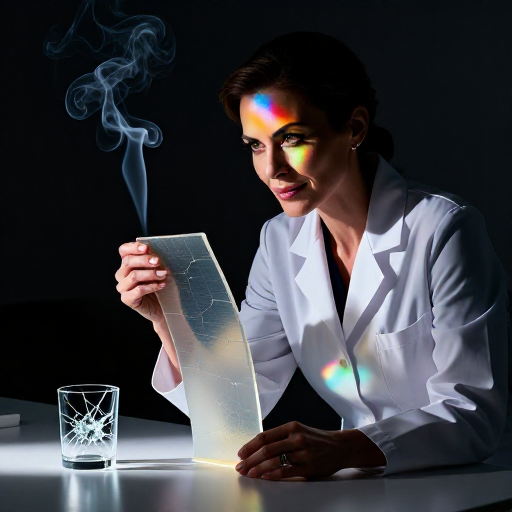
Opacity and Tinting Strength: Why Some Colours Go Ten Times Further
Two paints of the same colour can behave completely differently in a mixture: one overwhelms everything it touches, the other disappears. That is TINTING STRENGTH, and it is not the same thing as opacity.
OPACITY is how well a paint hides what is underneath it. It comes from the difference in refractive index between the pigment particles and the binder around them — the bigger that difference, the more light is scattered and the less gets through.
Which explains something that puzzles everyone at first: a pigment can be intensely coloured and nearly transparent, or pale and completely opaque. Ultramarine and titanium white are opposite extremes of exactly this, and knowing which you have is what makes glazing and mixing predictable.
Середній
3 hours
Інструкції
1
1
Refractive index is what makes a pigment opaque
Refractive index is what makes a pigment opaque
Завантаження блокнота Jupyter…
Матеріали для цього кроку:
 Набір порошкових земляних пігментів1 штука
 Лляна олія1 штука
Необхідні інструменти ({count})
 Настільний комп'ютер
 Скляний курант
 Ювелірна лупа
2
2
Make a transparency chart and keep it
Make a transparency chart and keep it
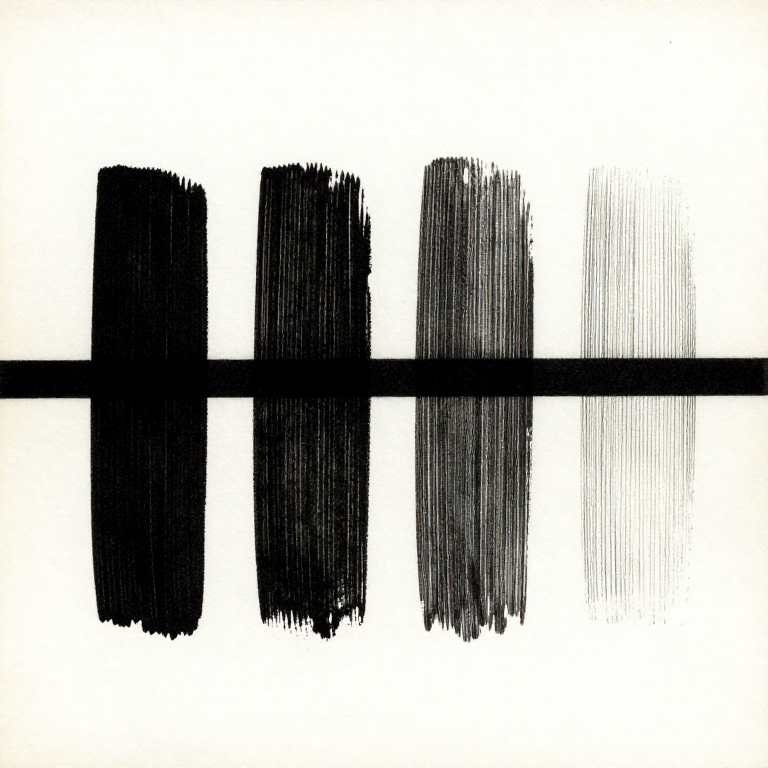
Draw a thick black line across a white card, then paint a band of every colour you own across it, in one consistent thickness. Where the line shows through, that paint is transparent.
Label each band and keep the card. It answers, instantly and for your actual paints, the question that decides whether a colour can be glazed, whether it will cover an underpainting, and how it will behave in a mixture.
Do it again for any new brand. Two tubes labelled the same colour from different makers can differ enormously in pigment load and therefore in both opacity and tinting strength — the label names the pigment, not the formulation.
Матеріали для цього кроку:
Набір порошкових земляних пігментів1 штукаЛляна олія1 штукаНеобхідні інструменти ({count})
 Набір художніх пензлів
 Лінійка
3
3
Glazing and scumbling use the two ends of the range
Glazing and scumbling use the two ends of the range
A GLAZE is a transparent dark colour over a lighter layer. Light passes through it, reflects off the layer beneath and comes back through — so the colour is produced by light that has travelled through the paint twice, which gives a depth no opaque mixture reproduces.
A SCUMBLE is the opposite: a thin, broken, semi-opaque light colour dragged over a darker one. The result is optical rather than mixed, and it is how skies and flesh have been painted for four hundred years.
Both fail with the wrong pigment. A glaze in titanium white is a pale opaque smear; a scumble in ultramarine disappears. Choosing the pigment for its optical behaviour, rather than only its hue, is what makes either technique work.
Матеріали для цього кроку:
Набір порошкових земляних пігментів1 штукаЛляна олія1 штукаНеобхідні інструменти ({count})
Набір художніх пензлівЮвелірна лупаЛінійка4
4
Particle size changes both, and it changes with grinding
Particle size changes both, and it changes with grinding
Scattering is strongest when the particles are roughly half the wavelength of light — around 0.2 to 0.3 micrometres. Larger or smaller and a pigment scatters less, so opacity has an optimum rather than rising forever with fineness.
Which means grinding a pigment finer does not simply make it better. Natural ultramarine ground too fine becomes pale and grey, and the traditional coarse grind is not laziness — it is where the colour is.
It also means two jars of the 'same' pigment can behave differently because they were milled differently. That is a real variable, it is invisible on the label, and it is one more reason to test what you actually have rather than what the name promises.
Матеріали для цього кроку:
Набір порошкових земляних пігментів1 штукаНеобхідні інструменти ({count})
Скляний курантЮвелірна лупаМатеріали
2- Заповнювач
- 3 штукЗаповнювач
Пов'язані креслення
Ці креслення діляться знаннями — техніки, матеріали або принципи
What Paint Is: Pigment, Binder, and the Ratio Between Them
від Mary
Хімія
16
0
0
0
0
0
Небезпечно
Making Lead White (Flake White) — The Dutch Stack Process for the Most Important Pigment in Oil Painting History
від Charlie
МИСТЕЦТВО
87
0
0
0
5
0
One Reading Is Not a Measurement: Repeat It, and Look at the Spread
від Penny
Інженерія
27
0
0
0
0
0
CC0 Суспільне надбання
Це креслення випущено під ліцензією CC0. Ви можете вільно копіювати, змінювати, поширювати та використовувати цю роботу для будь-яких цілей без запиту дозволу.
Підтримайте мейкера, купуючи продукти через його креслення, де він отримує Комісію мейкера встановлену вендорами, або створіть нову ітерацію цього креслення та включіть його як зв'язок у власне креслення для розподілу доходу.