МИСТЕЦТВО
КРАСА ТА ЗДОРОВ'Я
РЕМЕСЛО
КУЛЬТУРА ТА ІСТОРІЯ
РОЗВАГИ
СЕРЕДОВИЩЕ
ЇЖА ТА НАПІЇ
ЗБОРНА ІНЖЕНЕРІЯ
НАУК
СПОРТ
ТЕХНОЛОГІЯ
НОСИМО
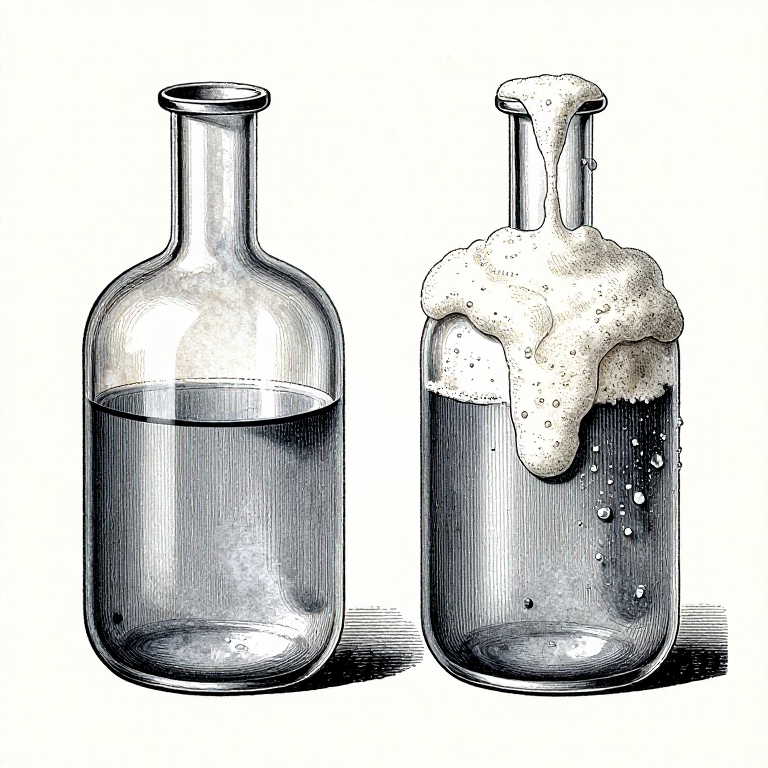

Pitching Rate and Lag Phase: The First Day Decides the Flavour
Yeast does not start fermenting the moment it lands. It spends hours taking up oxygen, building cell membranes and multiplying — the LAG PHASE — and only then begins converting sugar in earnest.
How long that lag lasts is the single biggest thing the brewer controls on brew day, and it matters for two reasons. A long lag is a long window in which something else can establish itself. And the growth that happens during it produces most of the flavour compounds that make one yeast taste different from another.
Too little yeast means excessive growth, stressed cells and harsh flavours. Too much means almost no growth, and a beer that tastes oddly thin and characterless. There is a right amount and it can be calculated.
Середній
3 hours
Інструкції
1
1
How much yeast, and why the number is not obvious
How much yeast, and why the number is not obvious
Завантаження блокнота Jupyter…
Матеріали для цього кроку:
 Пивні дріжджі1 штука
 Сухий солодовий екстракт1 штука
Необхідні інструменти ({count})
 Настільний комп'ютер
 Прецизійні ваги
 Ареометр і мірний циліндр для пивоваріння
2
2
Rehydrate dry yeast, or make a starter for liquid
Rehydrate dry yeast, or make a starter for liquid
Dry yeast sprinkled straight onto wort loses a significant fraction of its cells: the cell walls are fragile until rehydrated, and sugar in the surrounding liquid ruptures them as water rushes in.
Rehydrate in plain warm water at the temperature the maker states, for the time they state, then attemperate it towards the wort before pitching. That recovers most of the loss and costs twenty minutes.
Liquid yeast is a different problem: the packs contain fewer cells and the count falls with age. A STARTER — a small volume of weak wort fermented a day or two in advance — grows the population up to where it needs to be, and also proves the yeast is alive before it is committed to a whole batch.
Матеріали для цього кроку:
Пивні дріжджі1 штукаСухий солодовий екстракт1 штука Вода1 літр
Необхідні інструменти ({count})
 Термометр миттєвого зчитуванняПрецизійні ваги
 Скляна бутель
3
3
Oxygen at the start, and only at the start
Oxygen at the start, and only at the start
Yeast needs oxygen to build the sterols and fatty acids its cell membranes are made of. Without it the first generation is fine and subsequent ones are weak, which shows up as a sluggish, incomplete fermentation.
So aerate the cooled wort hard before pitching — shaking, splashing, or pure oxygen through a stone. It is the one point in the whole process where introducing air is correct.
After fermentation begins, oxygen is an enemy. It oxidises the beer to cardboard and sherry flavours and it lets aerobic spoilage organisms establish. That is why everything after pitching is about EXCLUDING air, and why the same action is right on day zero and wrong on day three.
Матеріали для цього кроку:
Вода1 літрНеобхідні інструменти ({count})
Скляна бутель Гідрозатвор
 Автосифон
4
4
Watch the lag, and know what a long one means
Watch the lag, and know what a long one means
A healthy pitch shows visible activity within 12 to 24 hours: airlock movement, a krausen forming, the surface changing. Note when you pitched and when it started, every time.
A lag beyond 24 to 36 hours means something is wrong — too little yeast, yeast that was old or badly stored, wort too cold, or no oxygen. It is a warning, not just a delay, because the window for competitors is open the whole time.
No activity at 48 hours needs action rather than patience: re-pitch. And before assuming a dead ferment, check the lid seal — an airlock that never bubbles because the gas is escaping past a loose lid is the commonest false alarm there is, which is why gravity readings and not bubbles are the measure.
Матеріали для цього кроку:
Пивні дріжджі1 штукаНеобхідні інструменти ({count})
ГідрозатворАреометр і мірний циліндр для пивоварінняТермометр миттєвого зчитуванняМатеріали
3- Пивні дріжджі10% комісія3 штукЗаповнювач
- 1 штукаЗаповнювач
- 2 літрівЗаповнювач
Пов'язані креслення
Ці креслення діляться знаннями — техніки, матеріали або принципи
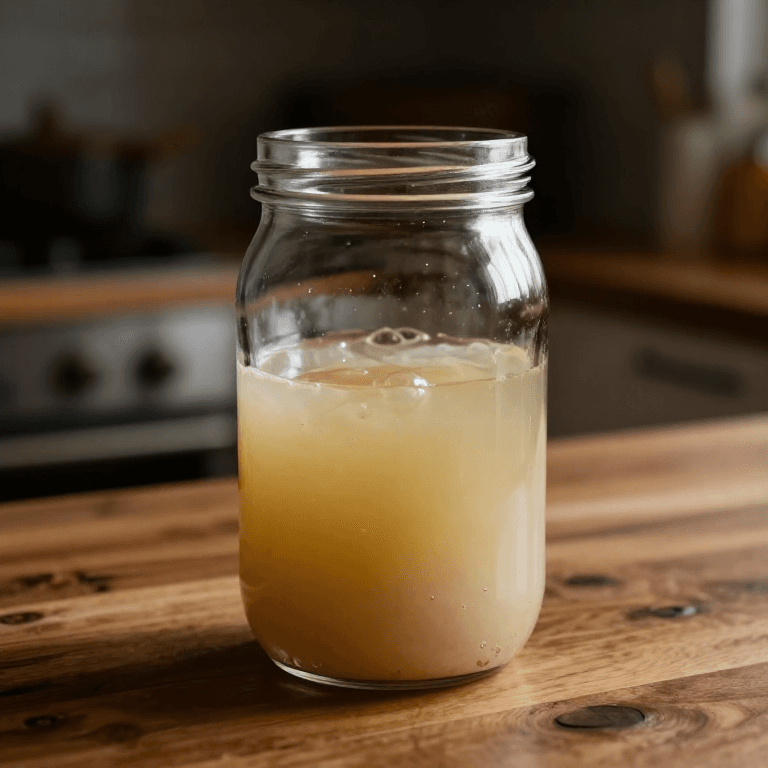
Cultivating a Sourdough Starter from Wild Yeast — The Living Culture Behind the World's Oldest Bread
від Bob
Біологія
54
0
0
0
6
0
Brewing Sake Rice Wine — Parallel Fermentation with Koji
від Alchometer
пивоваріння
101
0
0
0
0
0
Change One Thing at a Time: Grow the Control, and the Confounded Jar Too
від Penny
Аналітичний
11
0
0
0
0
0
CC0 Суспільне надбання
Це креслення випущено під ліцензією CC0. Ви можете вільно копіювати, змінювати, поширювати та використовувати цю роботу для будь-яких цілей без запиту дозволу.
Підтримайте мейкера, купуючи продукти через його креслення, де він отримує Комісію мейкера встановлену вендорами, або створіть нову ітерацію цього креслення та включіть його як зв'язок у власне креслення для розподілу доходу.