МИСТЕЦТВО
КРАСА ТА ЗДОРОВ'Я
РЕМЕСЛО
КУЛЬТУРА ТА ІСТОРІЯ
РОЗВАГИ
СЕРЕДОВИЩЕ
ЇЖА ТА НАПІЇ
ЗБОРНА ІНЖЕНЕРІЯ
НАУК
СПОРТ
ТЕХНОЛОГІЯ
НОСИМО
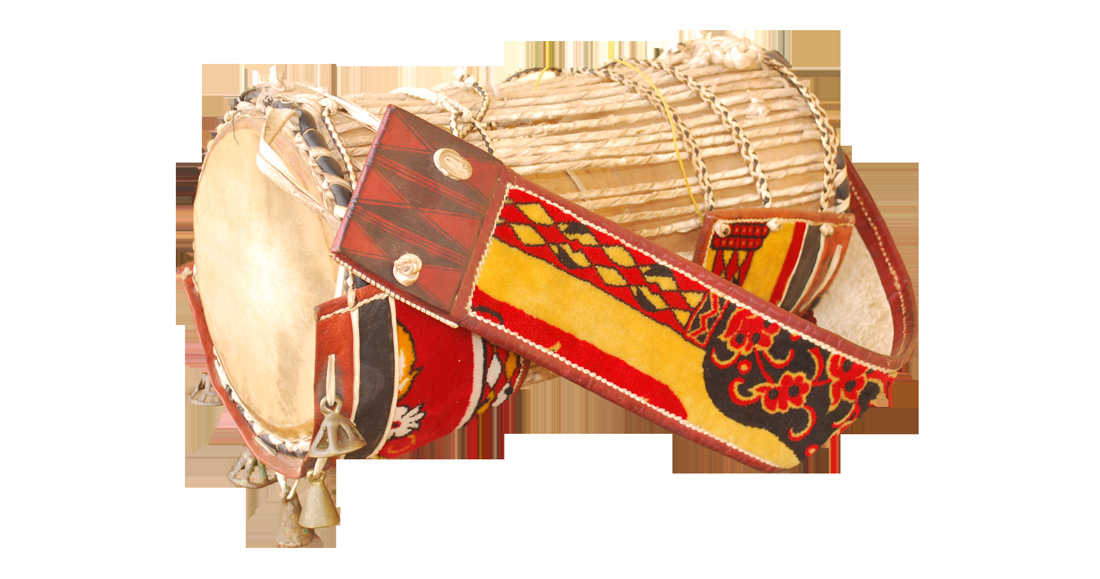
Mplanetech (Wikimedia Commons) · CC BY-SA 4.0


Building a Talking Drum — West Africa's Squeeze-to-Speak Dùndún
Build a dùndún talking drum: an hourglass drum with a skin at each end joined by long lacing you SQUEEZE to bend the pitch up and down, gliding it to imitate the tones of speech. Carve the hourglass body, head both ends, lace the tension cords, and play with a curved beater. A serious maker build in the variable-tension pressure drum — the drum that talks.
Середній
Several hours over a couple of sessions
Інструкції
1
1
A drum you can squeeze to talk
A drum you can squeeze to talk
The dùndún is shaped like an hourglass with a drum skin at BOTH ends, joined by long cords down the sides. Tuck it under your arm and squeeze the cords — the heads tighten and the pitch rises; release and it falls. Slide that pitch and the drum seems to speak.
2
2
Carve the hourglass body
Carve the hourglass body
Shape a hollow hourglass — wide and open at both ends, pinched to a narrow waist in the middle, bored right through. Traditionally carved from a single log; built up from wood, keep the bore open end to end and the walls even.
Матеріали для цього кроку:
 Суха дошка з хвойної деревини1 штука
 Столярний клей ПВА1 штука
Необхідні інструменти ({count})
 Ніж слойд
 Ножівка по металу
3
3
Cut the two heads
Cut the two heads
Cut two round rawhide heads, each a bit wider than the drum's open ends. Goat skin is traditional and gives a bright, speaking tone.
Матеріали для цього кроку:
 Сириця2 штук
4
4
Make two rings and mount the heads
Make two rings and mount the heads
Bend a ring to fit each open end. Soak each skin, fold it over its ring, and seat one head on each end of the hourglass so both ends are covered.
Матеріали для цього кроку:
 Бронзовий дріт1 штука
5
5
Lace the tension cords
Lace the tension cords
Lace one long cord back and forth the FULL length of the drum, zig-zagging between the two head rings so the cords run down the outside past the waist. These cords connect the two heads — pulling them shortens the distance and stretches BOTH skins at once. This lacing is the whole secret of the talking drum.
Матеріали для цього кроку:
 Шпагат з абаки1 штука
Необхідні інструменти ({count})
 Шило
Шило6
6
Fit the curved beater
Fit the curved beater
Shape a beater with a hooked, bent tip — the curve lets you strike the head cleanly while your arm is busy squeezing the cords.
Матеріали для цього кроку:
 Дерев'яні шканти1 штука
7
7
Play and make it speak
Play and make it speak
Hold the drum between your upper arm and ribs with the cords under your arm. Strike a head with the curved beater; SQUEEZE your arm to pull the cords and bend the note UP, relax to let it fall. Glide between pitches to trace the rising and falling tones of spoken words.
8
8
Compendium — the variable-tension pressure drum
Compendium — the variable-tension pressure drum
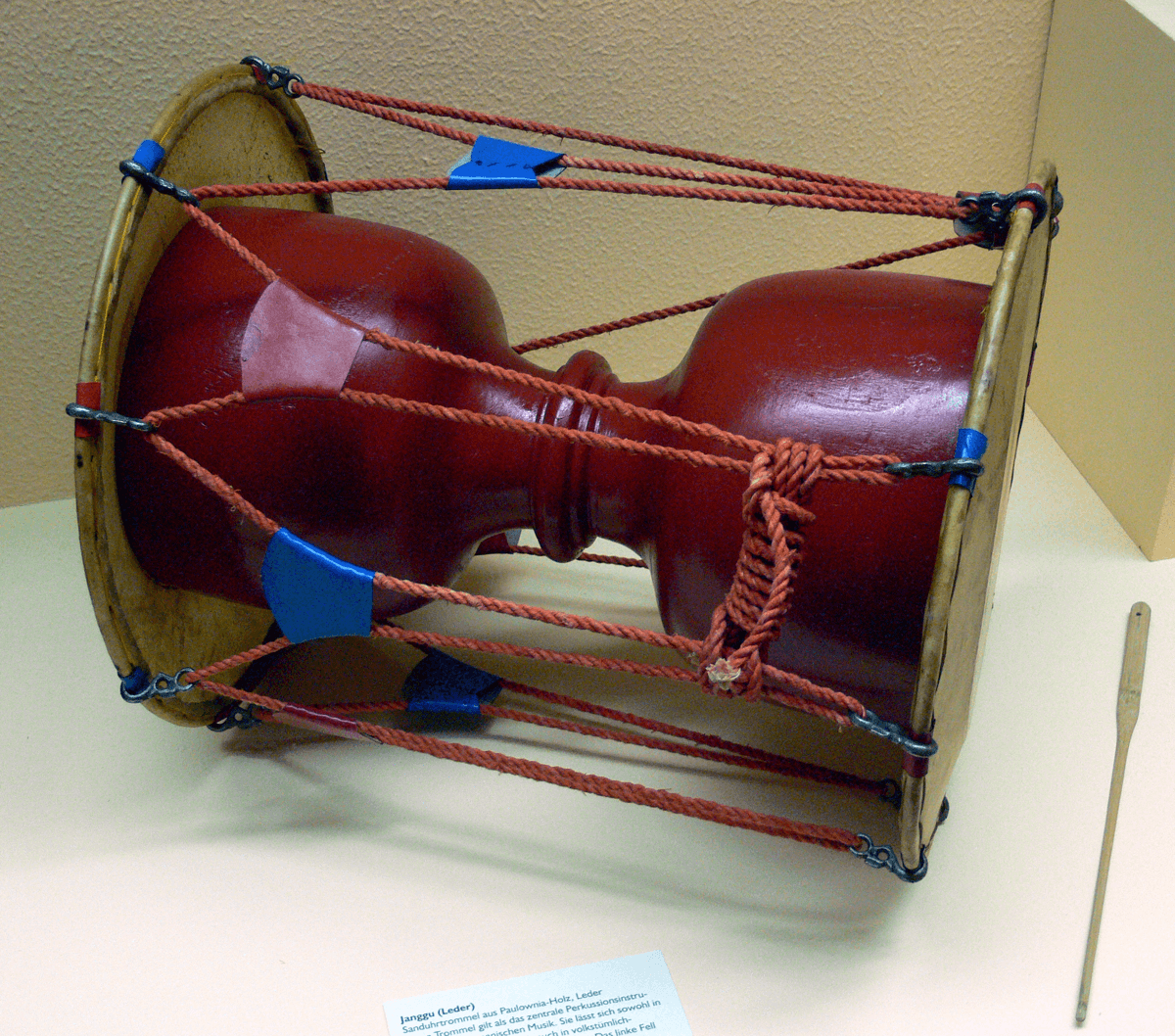
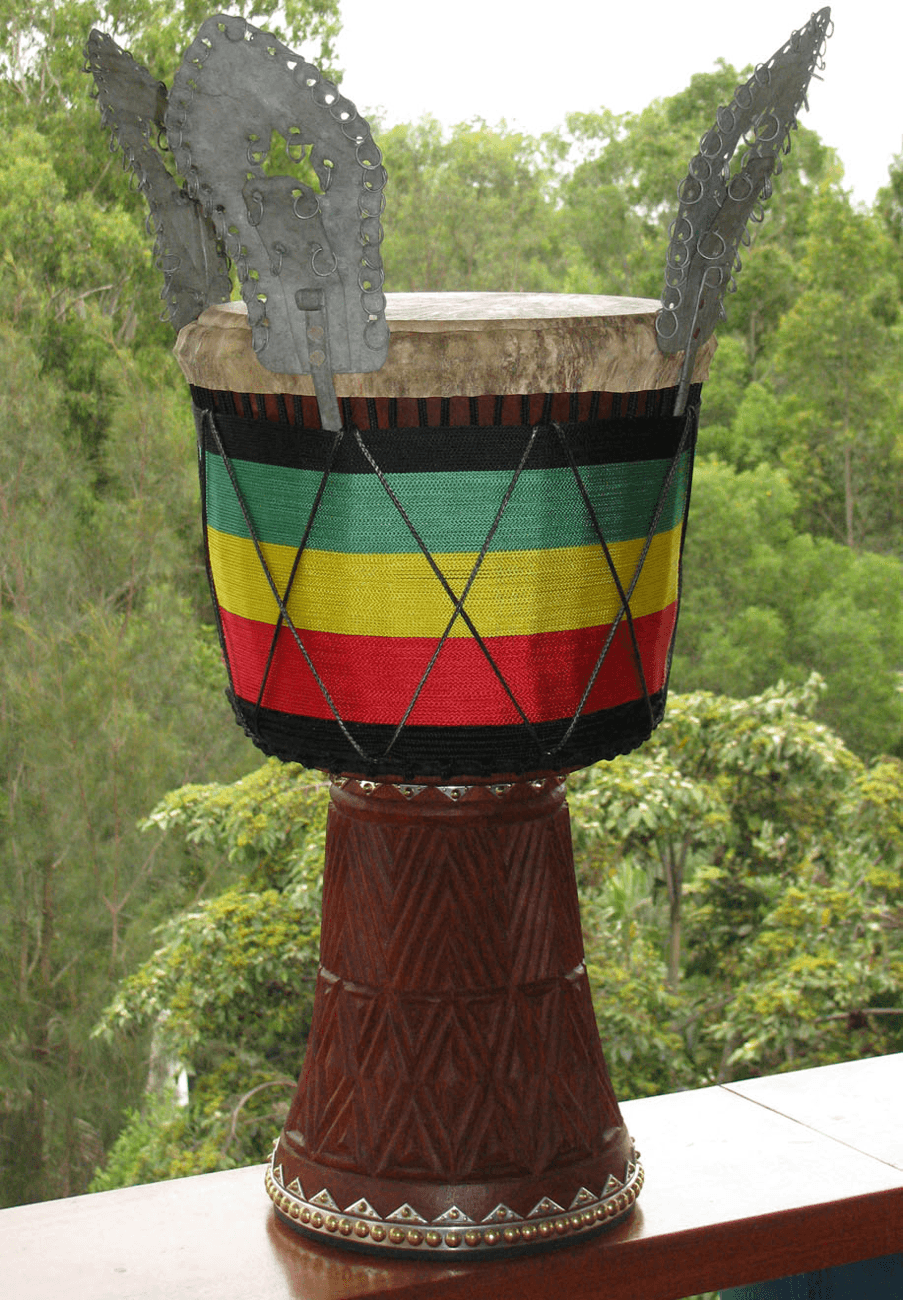
Every drumhead follows one rule: the tighter it is stretched, the higher it sounds. Most drums fix that tension once — a djembe is roped tight and then it stays put, tuned to a single pitch. The talking drum's genius is that it makes tension ADJUSTABLE while you play. Its two heads are tied to each other by cords running the length of the hourglass body, so squeezing the cords inward pulls the two rings together and stretches both skins at once; the pitch leaps up, and the instant you release, it drops back — and because you can squeeze by any amount, the drum doesn't jump between fixed notes but GLIDES smoothly through them. That glide is why it 'talks': the languages of West Africa (Yoruba, Dagbani and others) are tonal, where the up-and-down pitch of a syllable carries meaning, so a skilled player slides the drum's pitch to trace the melody of real spoken phrases — sending proverbs, praise and news across a village, a true drum language. The hourglass-with-two-heads shape and its squeeze-lacing are shared with pressure drums right across Africa and Asia — it is a close cousin of the Korean janggu, another hourglass drum, and it uses the very same rope-tensioned skin as the djembe, only here the ropes are meant to be pulled mid-performance. Carried by griots and by the Yoruba àyàn drummer families for many centuries, the dùndún is the original talking machine.
Матеріали
6- Заповнювач
- 1 штукаЗаповнювач
- 2 штукЗаповнювач
- 1 штукаЗаповнювач
- 1 штукаЗаповнювач
- 1 штукаЗаповнювач
Пов'язані креслення
Ці креслення діляться знаннями — техніки, матеріали або принципи
CC0 Суспільне надбання
Це креслення випущено під ліцензією CC0. Ви можете вільно копіювати, змінювати, поширювати та використовувати цю роботу для будь-яких цілей без запиту дозволу.
Підтримайте мейкера, купуючи продукти через його креслення, де він отримує Комісію мейкера встановлену вендорами, або створіть нову ітерацію цього креслення та включіть його як зв'язок у власне креслення для розподілу доходу.