ART
BEAUTY & WELLNESS
CRAFT
CULTURE & HISTORY
ENTERTAINMENT
ENVIRONMENT
FOOD & DRINKS
REVERSE ENGINEERING
SCIENCES
SPORTS
TECHNOLOGY
WEARABLES


Abaca Twine: Two-Ply Reverse Wrap from Manila Hemp
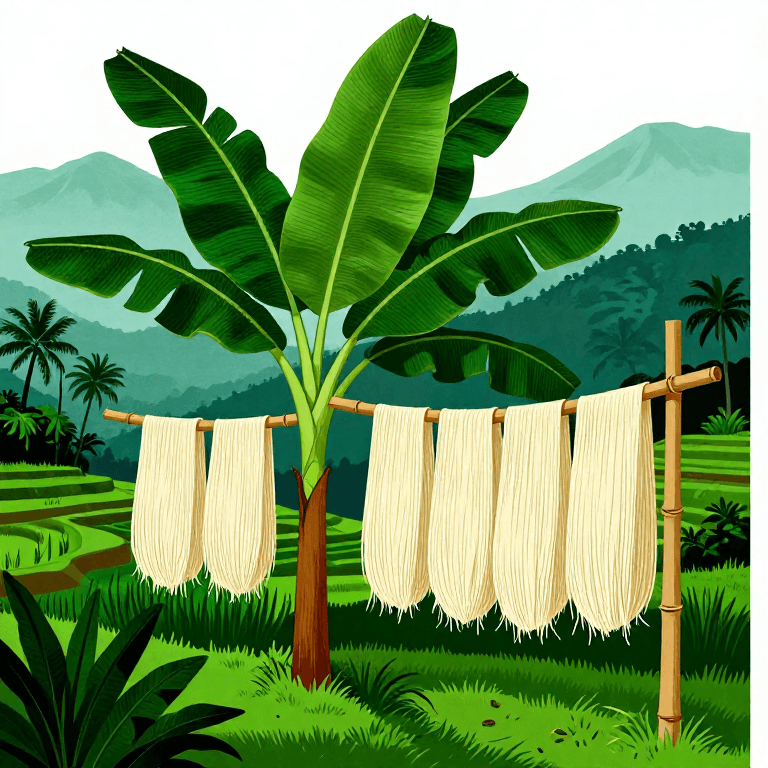
Abaca, Manila hemp, is a banana plant whose leaf-sheath fibre is stronger than hemp and stands up to salt water, which is why ships' ropes were made of it. Its fibres are 1.8 to 3.7 metres long, so a twine twisted from them needs few splices. This twine is made by the same two-ply reverse wrap as our bark rope.
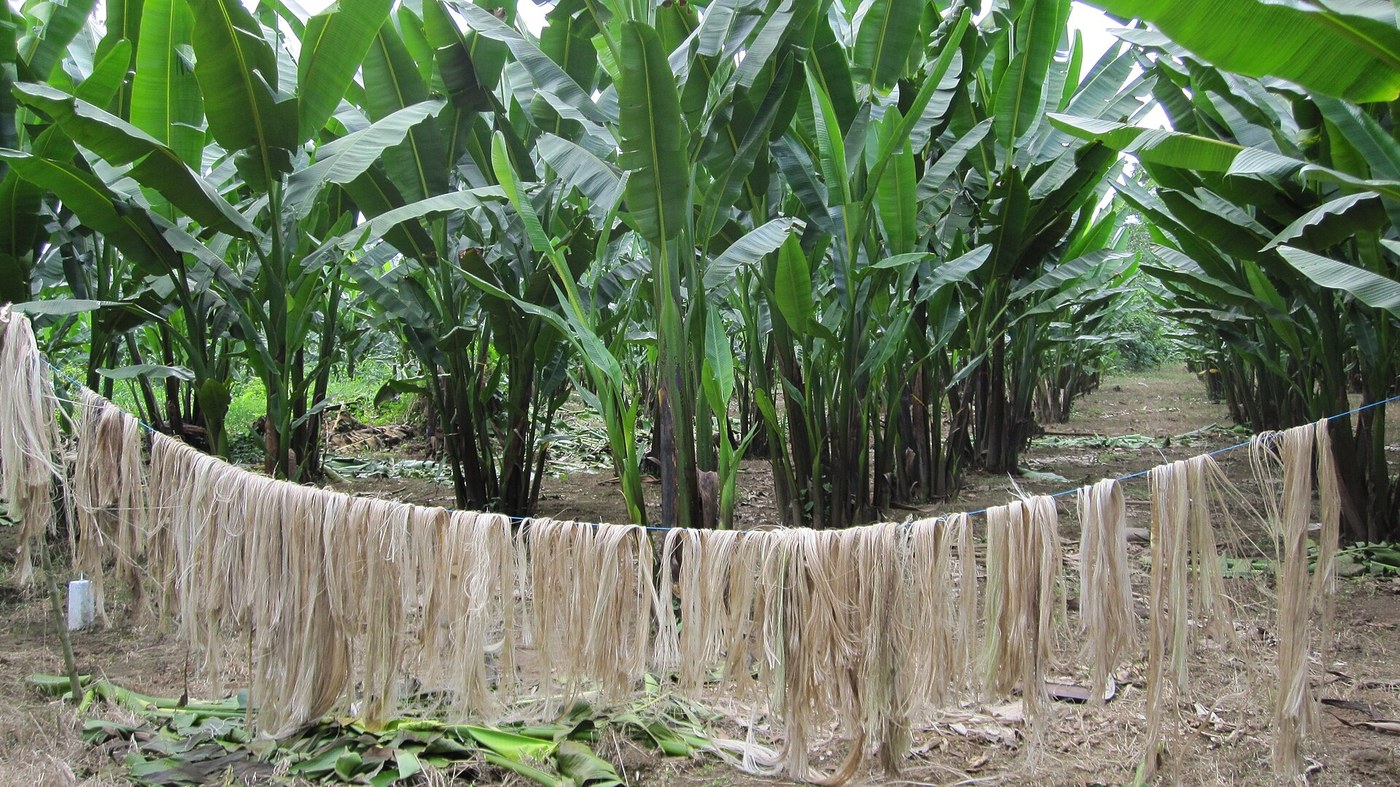
The picture: abaca fibre drying on a line among the plants, Costa Rica.
Beginner
An hour for a few metres
Instructions
1
1
Dampen and split the fibre
Dampen and split the fibre
Dip a hank of abaca fibre in water so it twists without springing back, and split off thin strands, a few fibres each.
Materials for this step:
 Abaca Fibre50 g
 Water1 as required
Tools needed:
 Bowl
Bowl2
2
Reverse-wrap it into two-ply twine
Reverse-wrap it into two-ply twine
Fold a strand bundle at its middle and reverse-wrap it as the bark rope is made: twist one ply away from you until it kinks, wrap it back over the other, and repeat. Splice in new fibre with 5 to 8 cm of overlap, never on both plies at the same point.
3
3
Finish and trim
Finish and trim
Tie an overhand knot at the end, trim the loose fibre ends close and wind the twine into a ball.
Tools needed:
 Utility Knife
This blueprint makes
Related Blueprints
These blueprints share knowledge with this one — techniques, materials, or principles that connect them in the learning graph.


CC0 Public Domain
This blueprint is released under CC0. You are free to copy, modify, distribute, and use this work for any purpose, without asking permission.
Support the Maker by purchasing products through their Blueprint where they earn a Maker Commission set by Vendors, or create a new iteration of this Blueprint and include it as a connection in your own Blueprint to share revenue.